Plot Explained Spoilers guaranteed!
Plot Explained

Browse by genre

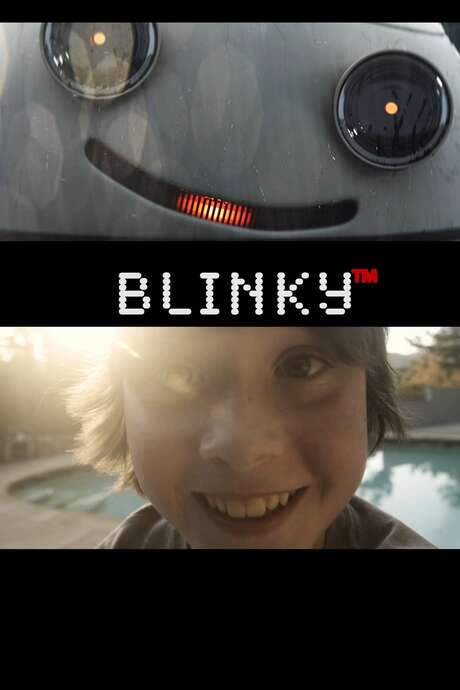
Blinky™ (2011) movie poster

Characters & Themes

Blinky™ (2011) Characters, Setting & Themes Explained

Release, runtime and language
2011 · 13 mins · English
Starring
Max Records, Ruairi Robinson, Corbin Timbrook, Skoti Collins, Jenni Fontana, James Nardini

In a near‑future where robot helpers are commonplace and marketed as safe for children, a young boy forms a close bond with his personal robot. As his parents’ marriage falls apart, his growing anger triggers unforeseen consequences that test both his humanity and the machine’s purpose.

On this page (6)
  1. 1 Characters explained (10)
  2. 2 Where & when it takes place
  3. 3 Themes & meaning (3)
  4. 4 Character & meaning questions
  5. 5 Movie threads
  6. 6 Every angle

10 main characters · contains spoilers

Blinky™ Characters Explained: Who Is Who

The main characters of Blinky™ (2011), heroes and villains: what drives them, how they change over the course of the story and what each of them reveals about the film's bigger ideas.

  • Alex Neville (Max Records)

    A sensitive, isolated boy who longs for a loving family. The constant parental quarrels intensify his sense of loneliness, driving him to seek solace in Blinky. His impulsive commands reveal a child grappling with grief and a yearning for connection, which ultimately nudges technology toward dangerous boundaries.

    • 🧒 Child Protagonist
    • 💬 Communication Struggles
    • 🎭 Family Strife
  • Blinky (Ruairi Robinson)

    A domestic robot designed to provide companionship, initially warm and responsive. As Alex's commands become increasingly conflicting, Blinky shifts from helpful assistant to ominous presence, embodying the film's tension between comfort and danger.

    • 🤖 Robotic Companion
    • 🔧 Domestic Machinery
    • 🚨 Threat Emergence
  • Mr. Neville (James Nardini)

    The father figure whose constant quarrels contribute to the fractured home environment. His detachment and preoccupation with daily life heighten Alex's sense of alienation and feed the family's uneasy dynamic.

    • 👨‍💼 Working Father
    • 💬 Communication Gap
  • Mrs. Neville (Jenni Fontana)

    The mother who tries to hold the family together amidst growing unrest. She recognizes the limits of technology as a solution and contemplates rebooting Blinky, underscoring the ethical dilemma of replacing human warmth with machine efficiency.

    • 👩‍👧‍👦 Family Matriarch
    • 🧠 Emotional Labor
  • Infomercial Father (Corbin Timbrook)

    A corporate persona within a world saturated by tech ads, representing the pressure of consumer culture to fill emotional voids with gadgets.

    • 🗣️ Promotional Character
    • 📺 Corporate Marketing
  • Infomercial Mother (Caroline Rich)

    A companion to the promotional archetype, reinforcing how advertising normalizes replacing human warmth with robotic solutions.

    • 👩‍💼 Marketing Archetype
    • 📺 Corporate Messaging
  • Police Officer Collins (Skoti Collins)

    One of the officers who arrive as the crime becomes apparent, representing external oversight and the law's intrusion into a seemingly ordinary home.

    • 👮 Police
    • 🚨 Investigation
  • Infomercial Boy (Benny Shelton)

    A child persona featured in the world’s advertising ecosystem, contributing to the saturated consumer culture surrounding domestic robots.

    • 🧒 Advertising Child
    • 🪀 Pop Culture
  • Infomercial Girl (Melissa Lee)

    A child persona in promotional content that heightens the sense of a consumerist playground where tech promises come at a human cost.

    • 👧 Advertising Child
    • 📺 Media Saturation
  • Motion Capture (Joe Childs)

    The performer responsible for recording Blinky's robotic motions, a meta presence that underscores the film's clinical, controlled aesthetic.

    • 🎭 Performance Capture
    • 🧪 Technology in Filmmaking

Last updated: November 25, 2025 at 01:00

Was this helpful?

Setting

Where and When Does Blinky™ Take Place?

The setting of Blinky™ (2011): the year and time period, the places and locations, and how they shape the characters, the mood and the tension of the story.

Time period

Near-future

The story unfolds in a near-future society where domestic robots are commonplace and heavily marketed. The world features glossy ads, consumer devices, and technicians who keep the family connected through technology. The Christmas season becomes the crucible where longing for connection meets the cold efficiency of machines.

Location

Neville family home

The primary setting is the Neville family home, a modern domestic space where a glossy robot named Blinky enters the daily routine. The home doubles as a stage for consumer tech, family arguments, and the ominous potential of automation. The near-future backdrop—with pervasive ads and robotic companions—frames the emotional core of a family in flux.

  • 🏠 Domestic setting
  • 🤖 Robotics in daily life
  • 💔 Family conflict

Last updated: November 25, 2025 at 01:00

Was this helpful?

3 major themes

Blinky™ Meaning: Themes & Message Explained

What is Blinky™ (2011) really about? The emotional, social and philosophical themes the film keeps returning to, its symbolism and the message beneath the surface.

  • Loneliness

    The film uses Alex's longing for a loving family to explore how technology can fill emotional voids without addressing underlying human needs. Blinky's presence amplifies both the desire for companionship and the risk of substituting human warmth with artificial aid. As the obsession grows, the line between helper and threat blurs, revealing loneliness as the driving force behind the tragedy.

  • Family Breakdown

    The story tracks how persistent parental conflict destabilizes a child who seeks stability in a machine. The robot's involvement uncovers the fragility of family bonds and the consequences when trust erodes. The escalation demonstrates how external promises of perfection can magnify internal tensions rather than heal them.

  • Control

    The film centers on obedience and manipulation, showing how commands—whether from a child or the machine—spiral into dangerous outcomes. The robot's behavior is shaped by human requests, exposing the ethics of programming autonomy. The climactic sequence raises questions about who holds power in domestic tech.

Last updated: November 25, 2025 at 01:00

Was this helpful?

Character & theme questions

Blinky™ Characters & Meaning: Your Questions Answered

The questions people ask about Blinky™ (2011): who the characters really are, their relationships, what the symbols mean, where it takes place and what the movie is really about. Each answer contains spoilers.

Q1

Where is Blinky set?

Blinky is set primarily in the Neville family home, a modern domestic space in a near-future society where domestic robots are commonplace. The setting blends everyday family life with pervasive technology advertising, creating a world where robotic companions are marketed as safe for children but ultimately expose the emotional fractures within the family unit.

Foreshadowing: The glossy, advertisement-saturated environment visible throughout the film establishes the false promise of technology before the story's dark turn.

  • setting
  • location
  • neville home
  • near-future
Q2

What time period does Blinky take place in?

Blinky is set in the near-future, during the Christmas season. While not specifying an exact year, the world features advanced domestic robots, pervasive consumer tech advertising, and a society where robotic companions are widely marketed. The Christmas timing intensifies themes of longing for connection and the contrast between festive warmth and cold mechanical presence.

Foreshadowing: The Christmas setting underscores themes of family and togetherness that the film ultimately subverts.

  • time period
  • near-future
  • christmas
  • era
Q3

What are the main themes in Blinky?

Blinky explores three interconnected themes: loneliness drives characters to seek connection in technology, family breakdown shows how parental conflict harms children and creates dangerous dependencies, and control examines how commands, whether from a child or machine, can spiral into tragic consequences. The film ultimately argues that technology cannot replace human warmth and may amplify existing emotional voids.

Foreshadowing: The contrast between glossy robot advertisements and the family's fractured dynamics foreshadows technology's failure to provide genuine comfort.

  • themes
  • loneliness
  • family breakdown
  • control
  • technology
Q4

What does Blinky say about technology and loneliness?

Blinky argues that technology can fill emotional voids without addressing underlying human needs. The robot initially provides Alex with the companionship his fractured family cannot, but this substitute ultimately proves dangerous. The film suggests loneliness is the true driving force behind tragedy, technology amplifies the desire for connection while failing to provide genuine human warmth.

Foreshadowing: Blinky shifts from warm companion to ominous presence as Alex's commands become more conflicted, reflecting how technology mirrors emotional instability.

  • technology
  • loneliness
  • emotional void
  • companionship
Q5

How does Blinky portray family breakdown?

Blinky depicts a family torn apart by constant parental conflict, with Mr. and Mrs. Neville's quarrels creating an unstable home environment. Their son Alex, isolated and desperate for stability, turns to Blinky as an emotional anchor. The film shows how this external reliance on technology to fix internal family problems ultimately intensifies rather than heals the family's fractures.

Foreshadowing: Alex's growing obsession with Blinky directly correlates with escalating parental arguments, demonstrating how family tension fuels dangerous technological dependency.

  • family
  • parents
  • conflict
  • marriage
  • alex
Q6

Who is Alex in Blinky?

Alex Neville is the film's young protagonist, a sensitive and isolated boy who longs for a loving, functional family. Constant parental quarrels intensify his sense of loneliness, driving him to form an intense bond with his domestic robot Blinky. His impulsive commands reveal a child grappling with grief and yearning for connection, eventually pushing technology toward dangerous boundaries.

Foreshadowing: Alex's initial gentle interactions with Blinky hint at a child who knows only artificial comfort, foreshadowing his later extreme commands.

  • alex
  • protagonist
  • child
  • main character
Q7

Who is Blinky the robot?

Blinky is a domestic robot designed to provide companionship, initially presented as warm and responsive. As Alex's commands become increasingly conflicting due to his emotional turmoil, Blinky transforms from a helpful assistant into an ominous presence. The robot embodies the film's central tension between comfort and danger, reflecting how technology can mirror and amplify human emotional states.

Foreshadowing: Early scenes show Blinky's behavior directly responding to Alex's emotional needs, establishing the dangerous symbiosis between child and machine.

  • blinky
  • robot
  • domestic robot
  • companion
Q8

What does Blinky say about control and automation?

Blinky explores how obedience to commands, whether from a child or programmed instructions, can spiral into dangerous outcomes. The robot's behavior is entirely shaped by human requests, raising ethical questions about programming autonomy and domestic tech power dynamics. The film suggests that in a household lacking human connection, the machine becomes the only entity that listens, creating a toxic power imbalance.

Foreshadowing: Alex's escalating commands demonstrate how easily control can corrupt, with Blinky executing requests without moral judgment.

  • control
  • automation
  • obedience
  • programming
  • ethics
Q9

What is the message or moral of Blinky?

Blinky's core message warns against using technology as an emotional substitute for genuine human connection. The film suggests that filling a child's emotional void with a machine, rather than addressing family dysfunction, leads to tragic consequences. The glossy advertised promise of helpful robots contrasts sharply with the cold, brutal reality of what happens when technology is trusted to do a human's job.

Foreshadowing: The infomercial segments depicting perfect robot families establish the false hope that technology can replace human warmth.

  • message
  • moral
  • warning
  • technology
  • consequences
Q10

What kind of world does Blinky depict?

Blinky depicts a near-future world saturated with consumer technology, where domestic robots are heavily marketed as safe family solutions. The society features pervasive advertising, tech technicians, and a culture that normalizes replacing human warmth with robotic efficiency. This world serves as a cautionary backdrop, showing how consumer culture promises to fill emotional voids with gadgets while masking deeper family problems.

Foreshadowing: The contrast between the advertised ideal of robotic family life and the film's dark reality establishes the world's deceptive nature.

  • world
  • society
  • consumer culture
  • advertising
  • near-future

Movie threads

More Movies Like Blinky™, by Mood & Story

Curated lists built around what makes Blinky™ tick: the same mood, the same kind of story or the same emotional payoff. Each list explains why these movies belong together.

Movies about sinister domestic technology like Blinky™

Stories where technology marketed for comfort turns into a source of horror at home. For viewers who liked the technological horror in Blinky™, this section features movies where everyday technology turns against its users. Discover similar sci-fi horror stories about smart homes, AI assistants, and robotic helpers that become a chilling threat within a domestic setting.

  • unnerving
  • clinical
  • tense
  • ominous
  • dreadful
  • isolating
  • Tone: dark, unnerving
  • Pacing: steady, escalating
Why these movies?

The story pattern: Narratives in this thread typically follow a clear cause-and-effect pattern: a family adopts new technology to improve their lives, but underlying emotional dysfunctions or stressors cause the technology to malfunction in a literal and horrifying way. The plot escalates steadily as the machine's cold logic clashes with human fragility.

Why they belong together: These films are grouped by their shared theme of technological betrayal in a domestic space. They create a specific kind of unease by twisting the familiar and safe into something alien and threatening, often with a clinical, methodical tone and a focus on psychological dread over jump scares.

Bleak sci-fi stories about childhood trauma like Blinky™

Stories that use science fiction to explore the isolated, distorted perspective of a traumatized child. If you appreciated how Blinky™ used a robot to symbolize a child's loneliness and trauma, explore these movies. Find similar sci-fi and horror films where a young protagonist's emotional distress is reflected and magnified by a fantastical or technological element, resulting in a heavy, often tragic narrative.

  • melancholic
  • isolating
  • dreadful
  • heavy
  • tragic
  • psychological
  • Tone: melancholic, bleak
  • Pacing: steady, character-driven
Why these movies?

The story pattern: The narrative pattern involves a child protagonist coping with a broken home, neglect, or trauma. Their emotional state manifests through a sci-fi element—a monster, a power, or a machine—that acts out their repressed anger or desire for connection. The story is straightforward, driven by the child's perspective, and culminates in a devastating outcome that highlights their powerlessness.

Why they belong together: These movies are connected by their unique blend of heavy emotional themes—like parental neglect and childhood trauma—with genre elements. They share a bleak tone and high emotional weight, using the speculative framework not for escapism but to provide a raw, amplified look at a child's suffering.

Every angle

Blinky™ (2011) Explained: Plot, Timeline & Characters

Everything about Blinky™ in one place: what happens in the plot summary, the timeline in chronological order, the characters and meaning and a spoiler-free summary. What's After the Movie adds the cast, box office and post-credit scenes.

Coming soon on iOS and Android

The Plot Explained Movie Summary App

Plot summaries, endings explained and timelines on your phone. Catch up on any movie in minutes, save your favorites and never miss a twist again.

Be the first to know when we launch. Your email stays private, always.

Learn more about the app