Black Butterflies

Black Butterflies

Year: 2024

Runtime: 83 mins

Language: Spanish

Director: David Baute

Budget: $3M

AnimationDocumentary

Tanit, Valeria, and Shaila are three women living in disparate corners of the globe, each confronting the harsh realities of climate change. As global warming intensifies, they face devastating losses and are compelled to leave their homes and migrate in search of survival and a sustainable future.

Warning: spoilers below!

Haven’t seen Black Butterflies yet? This summary contains major spoilers. Bookmark the page, watch the movie, and come back for the full breakdown. If you're ready, scroll on and relive the story!

Timeline – Black Butterflies (2024)

Trace every key event in Black Butterflies (2024) with our detailed, chronological timeline. Perfect for unpacking nonlinear stories, spotting hidden connections, and understanding how each scene builds toward the film’s climax. Whether you're revisiting or decoding for the first time, this timeline gives you the full picture.

1

Grandmother's death and Pa's arrival

In a seaside shack, Ingrid and her sister Anna watch their elderly grandmother stop breathing. A hearse carries her body away and the family is shaken. Abraham Jonker, a politician, arrives and bluntly asserts his authority, telling Ingrid to call him Pa.

early childhood (pre-1960) seaside shack
2

Ingrid saved by Jack Cope

Decades later, in 1960, Ingrid is swept under by the sea and saved by a man on the shore who introduces himself as novelist Jack Cope. He tells her he is the author whose work helped her survive, and she realizes he is the poet she admires. The encounter confirms her identity as Ingrid Jonker.

1960 Clifton, Cape Town
3

Pieter's plea and a literary invitation

Ingrid's estranged husband Pieter asks for another chance, but she rejects him. Jack invites Ingrid to a party with his bohemian literary circle, and she chooses to attend rather than stay with Pieter. The social milieu introduces her to a world of dissenting writers.

1960 Ingrid's flat and party venue, Cape Town
4

Censorship talk reveals political stakes

At the party and on the way to Nyanga with a black writer, Ingrid learns that censorship is a daily reality for dissident artists. The writer laments the ban and confiscation of his manuscript, and he reveals that Abraham Jonker chairs the Censorship Board.

1960 on the road to Nyanga, and in the party circle
5

Ingrid and Jack become lovers

In a private moment in Jack's flat, Ingrid reads a poem she wrote in his honor and they connect deeply. Their relationship turns romantic as they share passion and intellectual kinship amid the political turmoil around them.

1960 Jack's flat
6

Love deepens, but marriage is not on the table

Jack declares his love and asks Ingrid to move in with him. She agrees, but Jack refuses to marry. He tells her he needs time to finish his novel, and he plans to leave for two or three months, prompting Ingrid to accompany him or see him off at the train.

1960s Jack's flat and train station
7

Secret abortion

Ingrid undergoes a secret abortion, a private and painful decision she keeps from Jack. The act compounds her emotional strain as their relationship strains under distance and doubt.

1960s
8

Ingrid meets Eugene Maritz and Jack's return

Out of loneliness, Ingrid seduces fellow writer Eugene Maritz. When Jack returns, he finds Maritz's shoes in his closet and impulsively kicks Ingrid out of his life.

1960s Ingrid's or Jack's home, Cape Town
9

Police violence and the Die Kind poem

The police shoot at a car and kill a black child, a brutal event that steels Ingrid's resolve to speak truth to power. She goes on to write Die Kind, a poem portraying the child as a martyr and foreshadowing apartheid's end.

1960s Cape Town
10

Father's rejection of Die Kind

Ingrid asks her father to read Die Kind; Abraham reads only part of it and rips it up, showing his tyranny and rejection of her dissent. The moment deepens her alienation from her family and intensifies her depressive symptoms.

1960s Abraham's office
11

Hospitalization and the creation of Rook an Ochre

Depression takes hold and Ingrid is committed to Valkenberg Hospital. Jack visits and learns about Ingrid's secret abortion. He finds a pocketbook of poems which he and Uys Krige compile into the poetry book Rook an Ochre, published with Ingrid's dedication to Jack and Uys.

1960s Valkenberg Hospital; publishing circle
12

Europe, Paris, and the tragic end

After a European trip that strains their relationship, Ingrid undergoes another abortion in Paris and electroconvulsive therapy with her father's permission. She returns to Cape Town unable to write or smile, then gives Jack a token of devotion before walking into the sea and ending her life. The film closes with Mandela reading the translated Die Kind against the sea.

late 1960s–early 1970s Paris and Cape Town, ending at the sea

Last updated: December 04, 2025 at 15:32

Was this helpful?

Black Butterflies (2024) Timeline Questions Answered – Chronology FAQ

Find frequently asked questions about the Black Butterflies (2024) timeline, including chronological order, nonlinear jumps, cause-and-effect links, and scene sequence clarifications. This timeline FAQ helps explain when key events happen, how moments connect, and why the story unfolds in that specific order.

Q1

Who is Abraham Jonker and how is he related to Ingrid?

A.

Abraham Jonker is Ingrid Jonker's father and a powerful politician who chairs the Censorship Board in apartheid-era South Africa. He arrives in Ingrid's childhood when her grandmother dies, establishing an emotionally distant relationship. Throughout the film, he represents the oppressive political system that both controls Ingrid's artistic expression and rejects her anti-apartheid poetry.

abraham jonkerfatherpoliticiancensorship boardapartheid
Q2

Why does Jack Cope refuse to marry Ingrid?

A.

Jack Cope refuses to marry Ingrid despite loving her because he fears that marriage would dampen their creative tensions and passion. He tells her he needs freedom to finish his novel and asks for time, choosing to leave for months at a time rather than commit to a conventional life together.

jack copemarriagerefusallovenovelist
Q3

What is the poem Die Kind about and why is it important?

A.

Die Kind (The Child) is an anti-apartheid poem Ingrid writes after witnessing police shoot and kill a black child. The poem portrays the child as a martyr and prophesies the end of apartheid. It becomes her most famous work, carrying a quiet prophecy about the cost of truth and the inevitable fall of the oppressive system.

die kindpoemapartheidchildpoliticalMandela
Q4

Why does Ingrid have secret abortions?

A.

Ingrid undergoes two secret abortions - one while involved with Jack and another later in Paris. The first abortion occurs during a period of uncertainty in her relationship with Jack, when he leaves to finish his work. These painful private decisions reflect her sense of isolation and the lack of support in her tumultuous life.

abortionsecretparispregnancyJack Cope
Q5

What happens between Ingrid and Eugene Maritz?

A.

Out of loneliness while Jack is away, Ingrid seduces fellow writer Eugene Maritz. When Jack returns, he discovers Maritz's shoes in his closet and dramatically kicks Ingrid out. This betrayal marks a turning point that deeply damages their relationship.

eugene maritzaffairshoesjealousybetrayal
Q6

Why does Abraham Jonker reject Ingrid's poem Die Kind?

A.

When Ingrid asks her father Abraham Jonker to read Die Kind, he reads only part of it and tears the work apart. As chairman of the Censorship Board and a white-supremacist politician, he cannot accept his daughter's anti-apartheid poem that sympathizes with a black child victim of police violence.

fatherrejectiontorn poemcensorshippolitics
Q7

What is the book Rook en Ochre?

A.

Rook en Ochre (Smoke and Ochre) is a collection of Ingrid's poems that Jack Cope and Uys Krige compile from a pocketbook they find while she's hospitalized at Valkenberg. After her release, the book is published and earns positive reviews, giving Ingrid a measure of literary recognition.

rook en ochrepoetry collectionpublishedJack CopeUys Krige
Q8

Why does Ingrid receive electroconvulsive therapy?

A.

Ingrid undergoes electroconvulsive therapy in Paris after another abortion, with her father Abraham granting consent. The treatment, combined with her overall physical and emotional fragility, leaves her unable to write or smile when she returns to Cape Town.

electroconvulsive therapyECTParisfather consentmental health
Q9

Why does Ingrid walk into the sea at the end?

A.

Ingrid ultimately walks into the sea and drowns, choosing a solitary, tragic exit. Despite her poetic gifts and her father's AFB medal she gives Jack, she cannot overcome her depression, trauma from multiple abortions, and the weight of her artistic and political struggles. The sea becomes her final, devastating choice.

suicideseadeathdrowningtragic ending
Q10

What is the significance of Nelson Mandela reading Die Kind at the end?

A.

The film closes with Nelson Mandela reading the English translation of Die Kind, underscoring the poem's prophetic nature. Mandela's own political arc and eventual presidency would help end apartheid, validating Ingrid's voice as a powerful artistic witness to the injustice she opposed.

Nelson MandelareadingtranslationDie Kindendingprophecy
Q11

How does apartheid censorship affect Ingrid's life?

A.

Ingrid lives under apartheid-era censorship where her father chairs the Censorship Board. A black writer's manuscript is confiscated, and dissident writers face constant suppression. This political climate directly shapes Ingrid's artistic choices, her relationship with her father, and ultimately fuels her creation of Die Kind as an act of resistance.

censorshipapartheidSouth Africacensorship boardbannedpolitical
Mobile App Preview

Coming soon on iOS and Android

The Plot Explained Mobile App

From blockbusters to hidden gems - dive into movie stories anytime, anywhere. Save your favorites, discover plots faster, and never miss a twist again.

Sign up to be the first to know when we launch. Your email stays private, always.

Explore Movie Threads

Discover curated groups of movies connected by mood, themes, and story style. Browse collections built around emotion, atmosphere, and narrative focus to easily find films that match what you feel like watching right now.

Movies about artists in oppressive climates like Black Butterflies

Stories of creative souls crushed by harsh political or social realities.If you were moved by the story of a poet struggling under apartheid in Black Butterflies, explore these similar films about artists and writers whose lives and work are shaped by political oppression, censorship, and harsh social realities.

oppressivetragicsomberpoeticintensedesperate

Narrative Summary

These narratives typically follow an artist's journey as their desire for expression clashes with external forces of control. The story arcs often involve themes of censorship, emotional suppression, and the high personal cost of creating art under duress, frequently culminating in a tragic or bittersweet conclusion for the protagonist.

Why These Movies?

Movies are grouped here based on their shared central conflict: a deeply sensitive individual pitted against an inflexible, often cruel, system. They share a melancholic tone and heavy emotional weight, exploring how political and social oppression can extinguish artistic light.

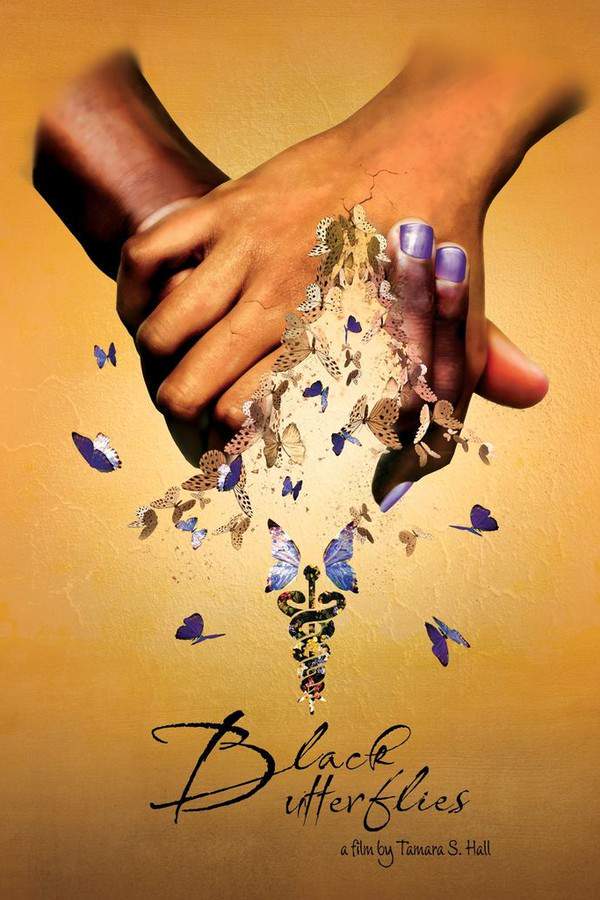
Heavy biographical tragedies similar to Black Butterflies

Sobering biographical dramas that chart a descent into sorrow.For viewers who appreciated the tragic and intense biographical narrative of Black Butterflies, this list compiles other sobering biopics that focus on mental health decline, destructive relationships, and ultimately sad endings, capturing the heavy weight of a real life marked by suffering.

tragicsomberheavydesperatemelancholicintensebiographical

Narrative Summary

The narrative pattern is a linear or chronologically structured journey through key, often painful, life events. The plot steadily builds towards an inevitable tragic conclusion, such as suicide or early death, emphasizing the protagonist's internal struggles with mental illness and their turbulent, frequently destructive, personal relationships.

Why These Movies?

These films are united by their commitment to portraying the unvarnished tragedy of a real person's life. They share a high intensity, heavy emotional weight, a consistently melancholic or bleak tone, and a definitive, sad ending that leaves a lasting impression.

Unlock the Full Story of Black Butterflies

Don't stop at just watching - explore Black Butterflies in full detail. From the complete plot summary and scene-by-scene timeline to character breakdowns, thematic analysis, and a deep dive into the ending - every page helps you truly understand what Black Butterflies is all about. Plus, discover what's next after the movie.

Black Butterflies Summary

Read a complete plot summary of Black Butterflies, including all key story points, character arcs, and turning points. This in-depth recap is ideal for understanding the narrative structure or reviewing what happened in the movie.

Black Butterflies Summary

Characters, Settings & Themes in Black Butterflies

Discover the characters, locations, and core themes that shape Black Butterflies. Get insights into symbolic elements, setting significance, and deeper narrative meaning - ideal for thematic analysis and movie breakdowns.

Characters, Settings & Themes in Black Butterflies

Black Butterflies Spoiler-Free Summary

Get a quick, spoiler-free overview of Black Butterflies that covers the main plot points and key details without revealing any major twists or spoilers. Perfect for those who want to know what to expect before diving in.

Black Butterflies Spoiler-Free Summary

More About Black Butterflies

Visit What's After the Movie to explore more about Black Butterflies: box office results, cast and crew info, production details, post-credit scenes, and external links - all in one place for movie fans and researchers.

More About Black Butterflies

Similar Movies to Black Butterflies

Discover movies like Black Butterflies that share similar genres, themes, and storytelling elements. Whether you’re drawn to the atmosphere, character arcs, or plot structure, these curated recommendations will help you explore more films you’ll love.