Plot Explained Spoilers guaranteed!
Plot Explained

Browse by genre

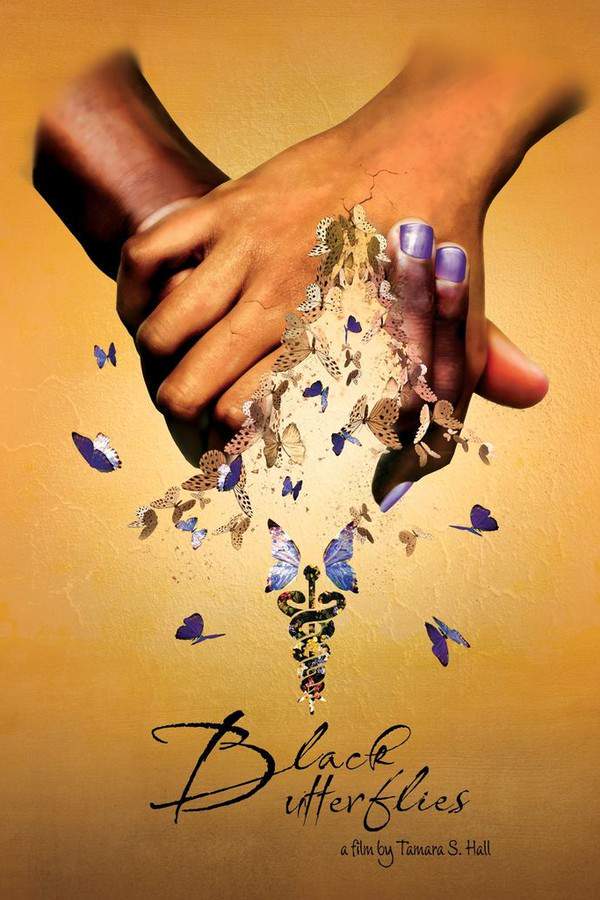
Black Butterflies (2012) movie poster

Plot Summary

Black Butterflies (2012) Plot Summary Explained

Release, runtime and language
2012 · 100 min · English
Loading streaming availability…
Directed by
Paula van der Oest

During the 1960s in Cape Town, South Africa, poet Ingrid Jonker finds her creative spirit fueled by passionate relationships and constrained by societal expectations. As she navigates a restrictive patriarchal environment, a devastating tragedy unfolds, profoundly impacting both her personal life and her artistic voice. This experience leads her to a path of powerful and uncompromising self-expression, leaving an indelible mark on the literary landscape.

On this page (6)
  1. 1 Where to watch
  2. 2 What happens: full plot
  3. 3 Plot questions answered
  4. 4 Movie threads
  5. 5 Movies like Black Butterflies
  6. 6 Every angle
Loading streaming availability…

Full plot summary · contains spoilers

What Happens in Black Butterflies: Full Plot Summary

The whole story of Black Butterflies (2012) explained, from the opening scene to the final frame: every key event, every twist and what it all adds up to. Read it as a quick recap before the sequel, to check a scene you missed, or to finally understand what really happened.

In the gentle glow of the moonlight illuminating their seaside shack, sisters Ingrid and Anna Jonker awaken to a life-altering reality: their elderly grandmother has passed away. The grief-stricken head of the family, Abraham Jonker, soon arrives, surprised to find the girls barefoot, leading Anna to question him. His straightforward response, “Call me ‘Pa’,” sets a somber tone for the gathering.

As the years drift by, we find an adult Ingrid battling the tumultuous waves of life in the Cape Town suburb of Clifton. When her desperate cries for help pierce the air, she is rescued by the distinguished author, Jack Cope, who plunges heroically into the ocean. After a narrow escape, Ingrid reveals her admiration for Jack's novel, revealing it as a beacon of hope that once saved her life. The shock sets in when Jack realizes he is conversing with the illustrious poet, Ingrid Jonker herself.

Just as their connection begins to spark, an uneasy visit by Abraham Jonker reintroduces a complicated family dynamic—he delivers news of Ingrid's estranged husband, Pieter Venter, who has requested a ride. Ingrid firmly rejects her ex's overtures, instead seeking solace in Jack's bohemian lifestyle, joining him and his artistic friends for a night filled with lively conversation. However, their celebration is disrupted by the presence of a disheartened black writer whose work has been censored, echoing the oppressive political climate surrounding them.

As their night unfolds, Ingrid finds herself drawn to Jack's apartment, where the warmth of family is palpable but bittersweet. Jack's impending divorce looms large in their burgeoning romance, yet it is during this time that Ingrid shares a heartfelt poem inspired by him, sparking a deeper connection between them. As Jack's feelings grow intense, he invites Ingrid and her daughter to move in with him. Their lives become beautifully intertwined, yet the subject of marriage weighs heavily on Ingrid, as Jack hesitates to formalize their bond.

With each passing day, Ingrid finds herself engulfed by the dual forces of creative ambition and emotional turmoil. Jack eventually confides that his support for her artistry has drained him, and he decides to visit his children and their mother for a few months, leaving Ingrid reeling and desperate. Feeling abandoned, Ingrid chooses to quit her job and poignantly bids him farewell at the train station, where she pleads for him to reconsider or to allow her to join him. Jack’s departure opens a profound void in her heart.

As time drags on, Ingrid is faced with the pangs of loneliness. She turns to another literary figure, Eugene Maritz, who becomes enamored with her poetry. This new relationship ignites Ingrid’s passion, leading to a passionate affair with Maritz, whose talent has been lauded by poet Uys Krige, seen as the future of Afrikaans literature. However, when Jack returns and discovers Maritz’s presence, his fury compels him to end things with Ingrid, as they both grapple with the aftermath of a tragic police shooting of a young black child — an incident that stirs deep emotions, prompting Ingrid to compose her iconic poem, Die Kind, which resonates with themes of loss and the fight against Apartheid.

Faced with her father’s dismissive attitude and lack of support, Ingrid seeks validation in her poetry. Abraham’s cold rebuff of her work deepens her despair, as his harsh criticism echoes in her mind. The tangled web of her relationships with Jack and Eugene spirals her into a severe emotional decline, leading to her institutionalization at Valkenberg Hospital. Jack's visits provide a flicker of hope, and during one encounter, Ingrid reveals the heartbreaking truth of her terminated pregnancy — a secret she withheld, fearing Jack would only marry her out of obligation.

Amidst her pain, Ingrid finds comfort in her poems, despite the hospital’s confiscation of her writings. When Jack discovers remnants of her work, it inspires a collaboration with Uys Krige, resulting in the celebrated poetry collection, Rook an Ochre ("Smoke and Ochre"), which garners critical acclaim and an APB Award nomination. This success grants her the chance to travel to Europe, yet her triumph is overshadowed by a painful confrontation with Abraham, who hurls cruel insults and reveals his initial intentions to suppress her writing.

Ingrid seeks Jack’s companionship on her European adventure, but he is hindered by political restrictions, leading her to accept Eugene's offer. However, finding out Ingrid’s lingering feelings for Jack shatters their relationship, prompting him to leave for South Africa sooner than planned. Ingrid, engulfed in anguish, spirals deeper, attempting to end her suffering while in a Paris hospital. Upon securing consent from Abraham for ECT, she returns to Cape Town, lost and devoid of her creative spirit.

In a bittersweet gesture, Ingrid gifts Jack her AFB medal and a Walt Whitman poem, embodying her unyielding love, but as Jack urges her to come back, she retreats into the depths of despair. Tragically, Ingrid walks into the ocean, taking her life amidst the waves, leaving Jack to confront the devastation of her loss from afar.

As the film's narrative draws to a close, the camera captures a serene expanse of sea and sky, setting the stage for the poignant reading of Ingrid Jonker's poem, Die Kind, by Nelson Mandela. His resonant voice intertwines with the film’s emotional depth, as it becomes evident that this poem held a significant place in Mandela's inaugural address to the South African Parliament, symbolizing a call for healing and reconciliation in a nation emerging from the shadows of Apartheid. Through the powerful words of Jonker's poem, the film paints a vivid portrait of solidarity, hope, and the resilience of the human spirit.
Last updated: November 22, 2024 at 16:23

Was this helpful?

Plot questions answered

Black Butterflies Plot Explained: Your Questions Answered

The questions people ask most about Black Butterflies (2012): what happens in the confusing scenes, why the characters do what they do, the twists, hidden details and what the ending means. Each answer contains spoilers.

Q1

Why did Abraham Jonker reject Ingrid's poetry?

Abraham Jonker dismisses Ingrid's poetry as worthless and refuses to support her creative ambitions. This harsh rejection stems from his patriarchal views and inability to accept his daughter as an independent artist. His cruel insults and dismissal deeply damage Ingrid's emotional state, contributing significantly to her mental decline. The film shows this rejection continuing even after her literary success, with Abraham admitting he initially wanted to suppress her writing entirely.

Foreshadowing: Early in the film, Abraham's stern arrival and cold demeanor establish his controlling nature within the family.

  • abraham jonker
  • father
  • poetry rejection
  • patriarch
  • emotional abuse
Q2

Why did Jack Cope leave Ingrid?

Jack tells Ingrid that her artistic pursuits have drained him emotionally, prompting him to visit his children for a few months. However, his departure is also triggered by discovering that Ingrid had an affair with Eugene Maritz while they were together. When Jack returns and finds Eugene still present, his fury leads him to end the relationship entirely. The combination of emotional exhaustion and betrayal creates the final rupture between them.

Foreshadowing: Jack's divorce and hesitations about marriage foreshadow his inability to fully commit to Ingrid.

  • jack cope
  • departure
  • relationship
  • affair
  • eugene maritz
Q3

Why did Eugene Maritz leave Ingrid in Europe?

Eugene accompanies Ingrid on her European trip, but when he discovers that she still has lingering feelings for Jack, he decides to leave for South Africa sooner than planned. His departure stems from recognizing that Ingrid's heart remains with Jack despite her affair with him. This rejection deepens Ingrid's emotional isolation during her moment of greatest professional triumph.

Foreshadowing: The tension between Jack and Eugene over Ingrid earlier in the film hints at this eventual rupture.

  • eugene maritz
  • europe
  • trip
  • rejection
  • love triangle
Q4

What inspired Ingrid Jonker to write "Die Kind"?

Ingrid writes "Die Kind" (The Child) in response to a tragic police shooting of a young black child. The incident occurs during the apartheid era in South Africa and deeply affects her. The poem becomes a powerful anti-apartheid statement, expressing grief for the innocent victim and condemning the systemic violence of the regime. This work represents Ingrid's most direct political artistic expression.

Foreshadowing: Earlier scenes of a censored black writer at Jack's apartment establish the oppressive political climate that culminates in this event.

  • die kind
  • poem
  • apartheid
  • police shooting
  • black child
  • protest
Q5

How did "Die Kind" become part of Mandela's speech?

"Die Kind" gained historical significance when Nelson Mandela read it during his inaugural address to the South African Parliament in 1994. The poem, written by Ingrid Jonker, symbolized healing and reconciliation for a nation emerging from apartheid. Despite Abraham's earlier dismissal of her work, the poem's inclusion in Mandela's speech cemented Ingrid's legacy as a voice against oppression and a poet who captured the nation's grief and hope.

Foreshadowing: The film's closing scene directly bridges Ingrid's personal tragedy to this historic moment.

  • nelson mandela
  • parliament
  • die kind
  • inaugural address
  • reconciliation
  • legacy
Q6

What led to Ingrid's hospitalization at Valkenberg?

Ingrid's institutionalization results from a severe emotional decline caused by multiple factors: her father's constant rejection, the collapse of her relationship with Jack, and the guilt from her affair with Eugene. Feeling abandoned and worthless, she spirals into depression. The film depicts her mental state deteriorating to the point where she requires hospitalization, and during this time she reveals a painful secret, she had a terminated pregnancy that she hid from Jack.

Foreshadowing: Jack's departure and her subsequent loneliness directly trigger her downward spiral.

  • valkenberg hospital
  • mental illness
  • depression
  • institutionalization
  • breakdown
Q7

Why did Ingrid have an affair with Eugene Maritz while still loving Jack?

After Jack leaves to visit his children, Ingrid is consumed by loneliness and desperation. She turns to Eugene Maritz, a rising literary figure who admires her poetry. Their affair ignites her creative passion, but it also represents her attempt to fill the void left by Jack. The relationship is complicated by Ingrid's unresolved feelings, while Eugene represents new artistic excitement, her emotional bond with Jack remains strong, leading to the triangular conflict that ultimately destroys all relationships.

Foreshadowing: Jack's warning that her emotional intensity could drain him foreshadows why she seeks validation elsewhere.

  • affair
  • eugene maritz
  • jack cope
  • love triangle
  • loneliness
  • creativity
Q8

Why did Ingrid Jonker walk into the ocean?

Ingrid commits suicide by walking into the ocean, choosing to end her suffering after years of mental illness, rejection from her father, and the collapse of her primary relationship with Jack. The film depicts her returning to Cape Town hollowed out after her institutionalization, having lost her creative spirit. Her final act follows giving Jack her AFB medal and a Walt Whitman poem as tokens of her enduring love, then retreating into despair despite his pleas for her to return.

Foreshadowing: Her earlier near-drowning and rescue by Jack establishes the ocean as a recurring symbol of both danger and release.

  • suicide
  • ocean
  • death
  • despair
  • mental illness
  • ending
Q9

How does apartheid affect Ingrid's life in the film?

The film portrays apartheid as an oppressive force that shapes nearly every aspect of Ingrid's world. A censored black writer appears at Jack's apartment, demonstrating political suppression of art. The police shooting of a black child directly inspires "Die Kind," connecting her personal grief to collective national trauma. Even her professional opportunities are limited by the apartheid system, Jack cannot accompany her to Europe due to political restrictions. Her poem becomes a small act of resistance against systemic injustice.

Foreshadowing: The presence of censorship and oppression runs throughout the film, building toward her explicit anti-apartheid poem.

  • apartheid
  • censorship
  • oppression
  • south africa
  • political climate
  • die kind
Q10

What is Ingrid Jonker's lasting legacy?

Despite her tragic death at age 31, Ingrid Jonker's legacy endures through her poetry and her inclusion in Mandela's parliamentary address. The film shows her achieving critical acclaim with "Rook an Ochre," earning an APB Award nomination and international recognition. Her poem "Die Kind" became an emblem of resistance and reconciliation in post-apartheid South Africa. The film concludes with Mandela's recitation, affirming that her voice, once dismissed by her father and constrained by society, ultimately moved a nation.

Foreshadowing: Her collaboration with Uys Krige during hospitalization plants the seeds for her posthumous recognition.

  • legacy
  • poetry
  • rook an ochre
  • award
  • mandela
  • recognition

Movie threads

More Movies Like Black Butterflies, by Mood & Story

Curated lists built around what makes Black Butterflies tick: the same mood, the same kind of story or the same emotional payoff. Each list explains why these movies belong together.

Tortured Artist Movies Like Black Butterflies

Stories of brilliant creators consumed by their inner demons and a hostile world. If you were moved by the tragic story of Ingrid Jonker in Black Butterflies, explore these similar movies about artists whose profound creativity is shadowed by despair. These films depict the intense, often painful, lives of poets, painters, and musicians grappling with their genius and their demons.

  • tragic
  • passionate
  • desperate
  • introspective
  • oppressive
  • lonely
  • Tone: melancholic, tragic, passionate
  • Pacing: steady, character-driven
Why these movies?

The story pattern: These narratives typically follow a biographical or character-driven arc where immense creative talent is fueled by, and often destroyed by, psychological turmoil. The story examines the friction between the artist's need for expression and the constraints of their mental state or society, frequently leading to a tragic or deeply melancholic conclusion.

Why they belong together: Movies in this thread are grouped by their unflinching focus on the artist's internal and external struggles. They share a heavy emotional weight, a melancholic tone, and a fascination with the high price of extraordinary creativity, making them resonate with viewers seeking profound, if somber, character studies.

Dramas About Oppression Similar to Black Butterflies

Intimate personal stories set against the crushing weight of an unjust society. For viewers who appreciated the backdrop of apartheid in Black Butterflies, this collection features movies like it that explore personal tragedy within repressive societies. These heavy dramas show how political and social injustice directly impacts intimate lives and mental health.

  • oppressive
  • tragic
  • desperate
  • political
  • grief
  • lonely
  • Tone: melancholic, oppressive, tense
  • Pacing: steady, deliberate
Why these movies?

The story pattern: The narrative pattern involves a protagonist navigating their personal desires and identity within a rigid, often cruel, societal framework. The external oppression acts as a central antagonist, creating constant tension and conflict that leads to personal crisis, loss, or a tragic awakening, highlighting the resilience and fragility of the human spirit.

Why they belong together: These films share a coherent vibe defined by high tension, a melancholic or bleak tone, and a heavy emotional weight. They are united by the theme of an individual's struggle against an overpowering system, resulting in a viewing experience that is both politically resonant and deeply personal.

If you liked this

Movies Like Black Butterflies

Similar movies to Black Butterflies: the same genre, themes or kind of story. Each one comes with its own plot summary, timeline and ending explained.

Browse all movie summaries

Every angle

Black Butterflies (2012) Explained: Plot, Timeline & Characters

Everything about Black Butterflies in one place: what happens in the plot summary, the timeline in chronological order, the characters and meaning and a spoiler-free summary. What's After the Movie adds the cast, box office and post-credit scenes.

Coming soon on iOS and Android

The Plot Explained Movie Summary App

Plot summaries, endings explained and timelines on your phone. Catch up on any movie in minutes, save your favorites and never miss a twist again.

Be the first to know when we launch. Your email stays private, always.

Learn more about the app