Plot Explained Spoilers guaranteed!
Plot Explained

Browse by genre

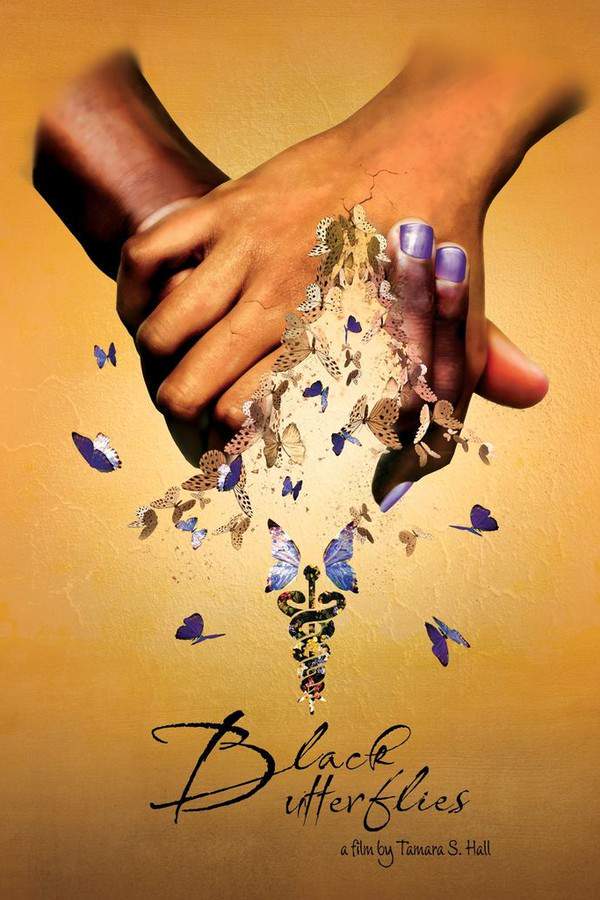
Black Butterflies (1000) movie poster

Timeline

Black Butterflies (1000) Timeline Explained – Every Event in Order

Release, runtime and language
1000 · 300 mins · French
Directed by
Olivier Abbou
Starring
Sami Bouajila, Nicolas Duvauchelle, Niels Arestrup, Lola Créton, Marie Denarnaud, Alice Belaïdi

Low on inspiration for his second book, a gloomy novelist agrees to write a memoir for a dying man — and swiftly becomes part of his bloodstained past.

On this page (5)
  1. 1 Events in order (12)
  2. 2 Timeline questions answered
  3. 3 Movie threads
  4. 4 Movies like Black Butterflies
  5. 5 Every angle

12 events in order · contains spoilers

Black Butterflies Timeline: Events in Chronological Order

Every key event of Black Butterflies (1000) in order, scene by scene, with when and where it takes place. Use it to untangle flashbacks, time jumps and parallel storylines, to refresh your memory before the sequel or to find the exact scene you are thinking of.

  1. Ingrid and Anna live with their grandmother

    Ingrid and her sister Anna reside in a seaside shack with their elderly grandmother. One night, Anna notices their grandmother is not breathing and alerts Ingrid, leading to the grandmother's body being carried away in a hearse. This marks the beginning of their life without their parents and a childhood marked by loss.

  2. Ingrid's rescue and meeting Jack Cope

    Decades later, in 1960, adult Ingrid nearly drowns while swimming at Clifton Beach, but a man onshore, Jack Cope, dives in to save her. She recognizes Jack as the novelist and poet, praising his work as life-saving and forming an immediate connection. Jack introduces himself, marking the start of their relationship.

    When
    1960
    Where
    Clifton Beach
  3. Ingrid's confrontation with her father

    Ingrid's father, Abraham Jonker, a politician and Chair of the Censorship Board, informs her that her estranged husband Pieter Venter is waiting for her. Their strained relationship reflects her familial struggles and societal pressures from her father’s racist policies.

  4. Ingrid and Jack become lovers

    Ingrid attends a party with Jack and other literary figures, where she discusses censorship issues. They grow emotionally close, and Ingrid shows Jack a poem she wrote in his honor, confessing that his novel saved her life, leading to their romantic involvement despite her recent separation from Pieter.

    Where
    Jack's flat
  5. Jack and Ingrid plan a future together

    Jack proposes they move in together, but refuses to marry her. Despite ongoing struggles, Ingrid continues her writing, and their relationship deepens. Jack then plans to leave for a few months, which causes Ingrid distress, leading her to secretly have an abortion.

  6. Jack's departure and Ingrid's loneliness

    Jack leaves to finish his novel, promising to return, but Ingrid feels abandoned and becomes emotionally distraught. She becomes pregnant again and, out of loneliness and anger, seduces Eugene Maritz, a fellow novelist, which causes tension when Jack returns.

  7. Police shooting and Ingrid’s poetry

    During a tense scene, police shoot at a car, killing a black child, intensifying Ingrid’s political awareness. This event inspires her powerful poem, 'Die Kind', which symbolizes martyrdom and hints at the eventual end of Apartheid. Her poetry begins to reflect her activism.

  8. Conflict with her father and mental health struggles

    Ingrid's father opposes her anti-Apartheid stance and sees her friendships with dissident writers as threats to his regime. Her personal struggles lead to depression and psychosis, resulting in her being committed to Valkenberg Hospital, where she receives treatment and continues to write in her mind.

    Where
    Valkenberg Hospital
  9. Revelation of her poetry and publication

    While hospitalized, Ingrid’s poems are confiscated but remain in her memory. Jack and Uys Krige compile her writings into the poetry book 'Rook an Ochre,' which is published to critical acclaim, establishing her reputation as a significant poet and earning her international recognition.

  10. Ingrid's trip to Europe and her personal struggles

    Ingrid visits Europe, including Paris, where she undergoes an abortion and mental health treatment. She faces rejection from her father and struggles with her emotional state, reflecting her ongoing battle with her inner demons and societal pressures.

    Where
    Europe and Paris
  11. Ingrid’s final act and death

    Returning to Cape Town, Ingrid becomes unable to write or smile. She visits Jack, presents him with her medal and a poem, then leaves to take her own life by walking into the ocean. Her death signifies her tragic struggle with love, politics, and mental health.

    Where
    Cape Town Ocean
  12. Legacy and Nelson Mandela's reading

    The film concludes with Nelson Mandela reading Ingrid Jonker’s poem 'Die Kind' during his first speech as South African President after Apartheid, highlighting her enduring legacy as a voice of resistance and hope for South Africa.

Last updated: August 19, 2025 at 05:15

Was this helpful?

Timeline questions answered

Black Butterflies Timeline Explained: Your Questions Answered

When does it happen, and why in that order? The questions people ask about the chronology of Black Butterflies (1000): time jumps, flashbacks, cause and effect between scenes and the correct order of events, each answered with spoilers.

Q1

Why does Abraham Jonker treat his daughter Ingrid so coldly?

Abraham Jonker is a staunch supporter of the National Party and chairs the Censorship Board, making him complicit in apartheid's oppressive system. He views Ingrid's anti-apartheid poetry, her relationships with Black and dissident writers, and her personal life as shameful and embarrassing to his political career. He disapproves of her political dissent, calls her a slut, tears up her poems, and refuses to accept her choices. His coldness stems from a fundamental ideological conflict between his rigid white supremacist worldview and her artistic rebellion.

Foreshadowing: Abraham's arrival at the grandmother's funeral establishes his discomfort with the girls' poverty and sets the tone for his distant, controlling relationship with his daughters.

  • abraham jonker
  • father daughter relationship
  • apartheid
  • censorship board
  • political conflict
Q2

Why does Jack Cope refuse to marry Ingrid?

Jack is emotionally exhausted from his previous marriage and struggles to produce new creative work, claiming that relationships drain him. When he leaves to finish his novel, he tells Ingrid he cannot marry her, which devastates her. His refusal stems from his belief that he cannot provide emotional stability or commit to a traditional family life, though he does love Ingrid and asks her to move in with him.

Foreshadowing: Jack's initial rescue of Ingrid establishes his role as her protector, but his inability to fully commit is hinted at when he describes writing as consuming him.

  • jack cope
  • marriage
  • emotional exhaustion
  • writer
  • relationship
Q3

What inspires Ingrid to write the poem Die Kind?

Ingrid witnesses a police shooting in Nyanga township that kills a Black child. This traumatic event directly inspires her most famous poem, Die Kind (The Child), in which she portrays the child as a martyr and subtly predicts that apartheid's violent oppression will inevitably end. The poem becomes a powerful political statement against the regime.

Foreshadowing: At Jack's party, Ingrid encounters a Black writer whose novel has been banned by the Censorship Board headed by her father, exposing her to the real consequences of apartheid censorship.

  • die kind
  • poem
  • apartheid
  • police shooting
  • child martyr
  • political poetry
Q4

Why does Ingrid secretly have an abortion?

When Jack leaves to finish his novel, Ingrid feels abandoned and desperate. She becomes pregnant and decides to have a secret abortion because she fears Jack would only marry her out of obligation rather than love. She keeps this from Jack, and the procedure contributes to her worsening emotional state.

Foreshadowing: Jack's proposal to live together but refusal to marry plants the seed of Ingrid's insecurity about their relationship.

  • abortion
  • pregnancy
  • jack cope
  • emotional turmoil
  • relationship fear
Q5

Why does Ingrid have an affair with Eugene Maritz?

While Jack is away working on his novel, Ingrid feels lonely, abandoned, and emotionally vulnerable. She meets Eugene Maritz, a rising star in Afrikaans literature, and out of frustration and loneliness, she seduces him. When Jack returns and discovers the affair, he ends their relationship, leaving Ingrid even more devastated.

Foreshadowing: Ingrid's secret abortion and her growing resentment over Jack's refusal to marry her create the emotional instability that leads to her impulsive decision.

  • eugene maritz
  • affair
  • infidelity
  • loneliness
  • jack cope
Q6

Why is Ingrid committed to Valkenberg Hospital?

Ingrid suffers from severe depression and psychosis, partly triggered by her tumultuous relationship with Jack, her guilt over the abortion, her ongoing conflict with her father, and the trauma of witnessing apartheid violence. These compounding factors lead to a mental health crisis that requires her hospitalization at Valkenberg Hospital.

Foreshadowing: Throughout the film, Ingrid exhibits signs of emotional instability, including her desperation when Jack leaves and her impulsive affair.

  • valkenberg hospital
  • mental health
  • depression
  • psychosis
  • hospitalization
Q7

Why does Ingrid walk into the ocean to end her life?

After returning from Europe, where she suffered another miscarriage and underwent forced electroconvulsive therapy, Ingrid is emotionally broken and unable to write. She visits Jack one last time, gives him her medal and a poem as symbols of her love, then walks into the ocean. Her suicide represents the final tragic consequence of her lifelong struggle with mental illness, unfulfilled love, and the pain of living under apartheid while being rejected by her father.

Foreshadowing: Ingrid's earlier near-drowning at Clifton Beach foreshadows her ultimate fate in the water, completing a tragic circularity in her story.

  • suicide
  • ocean
  • death
  • cape town
  • mental health
  • final act
Q8

Why does Abraham consider banning Ingrid's poetry book Rook an Ochre?

Abraham Jonker chairs the Censorship Board and contemplates banning Ingrid's poetry collection because her work contains anti-apartheid themes and political dissent. However, he ultimately refrains from banning it due to fear of scandal, as banning his own daughter's controversial book would attract unwanted attention to both himself and the regime.

Foreshadowing: This reveals the paradox of Abraham's character, he is willing to censor others' work but hesitates when his own family is involved.

  • rook an ochre
  • censorship
  • banning
  • poetry book
  • father conflict
Q9

What is the significance of Nelson Mandela reading Die Kind?

In the film's final scene, Nelson Mandela reads Ingrid Jonker's poem Die Kind during his first speech as South Africa's president after apartheid ends. This historic moment validates Ingrid's legacy as a voice of resistance against apartheid, proving that her art mattered and that her sacrifice was not in vain. It transforms her personal tragedy into national significance.

Foreshadowing: Ingrid's poem predicts that apartheid will inevitably fall, and Mandela's reading confirms that her vision of a new South Africa became reality.

  • nelson mandela
  • die kind
  • legacy
  • president
  • apartheid end
  • poem reading
Q10

Why does Ingrid's trip to Europe fail to help her?

Ingrid travels to Europe hoping to find creative renewal and escape her emotional pain. However, in Paris she suffers another miscarriage and is hospitalized. Her father approves her forced electroconvulsive therapy, further betraying her autonomy. Instead of healing, she returns to South Africa even more broken and unable to write, symbolizing how external escape cannot resolve deep internal trauma.

Foreshadowing: Jack's inability to accompany her due to government restrictions foreshadows her isolation in Europe.

  • europe
  • paris
  • miscarriage
  • electroconvulsive therapy
  • failed healing
Q11

Why is Ingrid unable to write after returning from Europe?

After her traumatic experience in Paris, including the miscarriage, forced electroconvulsive therapy, and her father's continued rejection, Ingrid returns to South Africa emotionally shattered. The treatment, combined with her accumulated trauma from her father's rejection, Jack's departure, and years of fighting against apartheid, leaves her completely broken. She cannot smile or write, representing the complete destruction of her creative spirit.

Foreshadowing: The contrast between her earlier prolific writing in the hospital and her inability to write after Europe highlights the severity of her breakdown.

  • writer's block
  • creativity
  • trauma
  • return to south africa
  • emotional destruction

Movie threads

More Movies Like Black Butterflies, by Mood & Story

Curated lists built around what makes Black Butterflies tick: the same mood, the same kind of story or the same emotional payoff. Each list explains why these movies belong together.

Tortured artist biopics like Black Butterflies

Heartbreaking portraits of creative genius consumed by political and personal turmoil. For viewers who appreciated the emotional depth of Black Butterflies, this collection features movies about real-life artists struggling with mental health, creative blocks, and political dissent. If you liked the blend of literary life and profound tragedy, you'll find similar, emotionally heavy biographical dramas here.

  • tragic
  • melancholic
  • oppressive
  • reflective
  • despairing
  • turbulent
  • Tone: melancholic, tragic, reflective
  • Pacing: steady, biographical
Why these movies?

The story pattern: These narratives typically follow a biographical structure, charting the life of a gifted individual whose artistic sensitivity makes them acutely vulnerable to the world's cruelties. The central conflict often pits their inner creative fire against external oppression and internal demons, leading to a culmination of despair, though their art may offer a posthumous legacy.

Why they belong together: They are grouped by their shared focus on the tragic arc of the artist, a melancholic and heavy tone, and the interplay between personal mental health crises and wider socio-political unrest. The experience is one of witnessing beauty and creativity crushed by overwhelming forces.

Movies about political despair like Black Butterflies

Stories where personal lives are slowly crushed by the weight of a brutal regime. If the backdrop of apartheid and its devastating personal cost in Black Butterflies resonated with you, this collection features similar films. Discover other intense dramas where characters face a slow, inevitable tragedy under the weight of political oppression and systemic injustice.

  • oppressive
  • turbulent
  • despairing
  • tense
  • tragic
  • heavy
  • Tone: oppressive, melancholic, bleak
  • Pacing: steady, methodical
Why these movies?

The story pattern: The narrative pattern involves individuals trying to live, love, and create within a system designed to break them. The political context is not just a setting but an active antagonist, creating constant friction that leads to emotional breakdown, moral compromise, or tragic finality. The story unfolds with a sense of grim inevitability.

Why they belong together: They share a high-intensity, emotionally heavy vibe driven by the conflict between human resilience and systemic oppression. The tone is uniformly melancholic or bleak, with a steady pacing that allows the weight of the political reality to fully settle, resulting in overwhelmingly sad or bittersweet conclusions.

If you liked this

Movies Like Black Butterflies

Similar movies to Black Butterflies: the same genre, themes or kind of story. Each one comes with its own plot summary, timeline and ending explained.

Browse all movie summaries

Every angle

Black Butterflies (1000) Explained: Plot, Timeline & Characters

Everything about Black Butterflies in one place: what happens in the plot summary, the timeline in chronological order, the characters and meaning and a spoiler-free summary. What's After the Movie adds the cast, box office and post-credit scenes.

Coming soon on iOS and Android

The Plot Explained Movie Summary App

Plot summaries, endings explained and timelines on your phone. Catch up on any movie in minutes, save your favorites and never miss a twist again.

Be the first to know when we launch. Your email stays private, always.

Learn more about the app