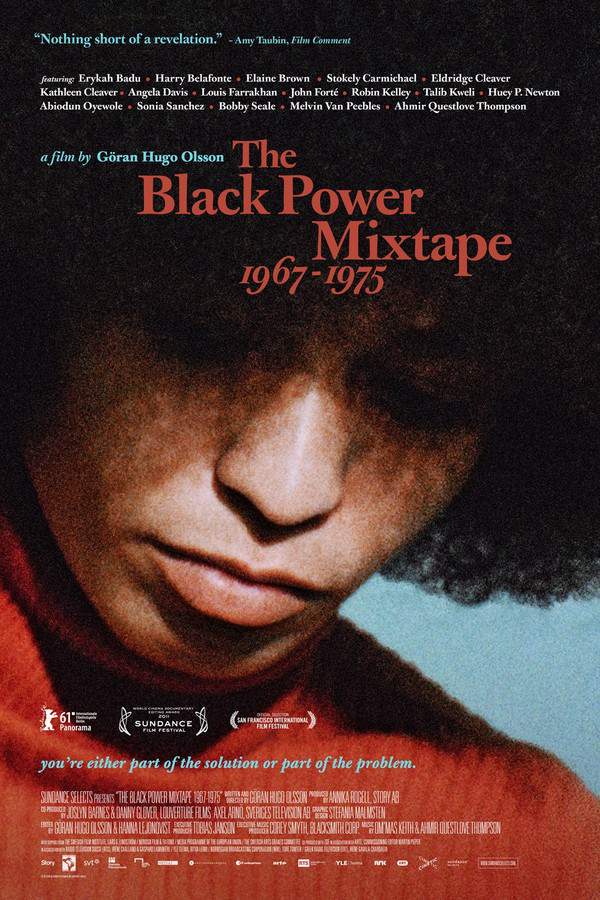
The film traces the final 14 months of George Jackson's life while also exposing the harsh realities of California's prison industrial complex. It notes that Jackson would spend 11 years incarcerated (7 of them in solitary confinement) for a $70 gas-station robbery in 1960, and that he was just 18 years old when he received the sentence of one year to life.
Black August encompasses the infamous Soledad Brothers case, in which George Jackson, Fleeta Drumgo, and John Cluchette are accused of murdering a Soledad prison guard in retaliation for the killing of three Black inmates involved in a fight with White inmates on an exercise yard at Soledad State Prison, Soledad, California. The film places this episode within the broader prison movement of the era and highlights the way the Black Panther Party sought to organize both outside communities and prisoners across the country, shaping a polemic that resonated well beyond the prison walls.
As a prison organizer, Jackson was recruited by Black Panther Party founder Huey P. Newton to head the People’s Army, a title that would become synonymous with the Black Guerrilla Family. The movie underscores the conspiratorial climate surrounding the events of August 7, 1970, when Jackson’s 17-year-old younger brother, Jonathan Jackson, was killed at the Marin County Courthouse during a hostage takeover aimed at pressuring authorities to free the elder Jackson and others.
The younger Jackson and three others were also killed in that tense period, including Superior Judge [Harold Haley], in the events that followed. The film then moves to August 21, 1971, when George Jackson himself and five others were killed at San Quentin State Prison during what authorities describe as a prison break attempt. A nationwide manhunt followed, and Angela Davis—an activist who would be captured and stand trial in connection with the courthouse incident—became a central figure in the ensuing controversy. The story notes that Davis and Stephen Bingham would be acquitted, a conclusion that left many questions about the investigations and charges unresolved in the public imagination.
Across its narrative, the film ties together personal struggle, legal battles, and a larger political awakening, illustrating how Jackson’s life intersected with a moment of intense social upheaval. It reflects on the late 1960s and early 1970s as a period of radical organizing, state response, and shifting alliances, all filtered through the lens of a life marked by imprisonment, militancy, and a controversial push for systemic change.