
Bim
Year: 1974
Runtime: 100 mins
Language: English
Director: Hugh A. Robertson
Descent into an alienating society forces a young Indian man in Trinidad and Tobago to confront violence and crime. He endures a harsh, turbulent life, eventually joining the burgeoning political movement that seeks the island's independence, finding purpose amid turmoil.
Warning: spoilers below!
Haven’t seen Bim yet? This summary contains major spoilers. Bookmark the page, watch the movie, and come back for the full breakdown. If you're ready, scroll on and relive the story!
Bim (1974) – Full Plot Summary & Ending Explained
Read the complete plot breakdown of Bim (1974), including all key story events, major twists, and the ending explained in detail. Discover what really happened—and what it all means.
Bim Singh [Anand Maharaj] is an Indo-Trinidadian teenage boy living in the rural Indian countryside of Chaguanas in Caroni County in central Trinidad during the British colonial era. He builds a quiet friendship with a girl his age named Anna [Jennifer Ali], while his sister Ria [Rosr Hanuman] prepares to marry Ramdass. Their world also centers on his father Bhagwan Singh, a famous trade union leader whose fierce rivalry with the capitalist Gopaul shapes family loyalties and local tensions. On the day of Ria’s wedding, Bhagwan Singh sends his men to strike at Gopaul’s two sons, Harry and Charlie; Harry is killed, Charlie escapes, and Bhagwan Singh orders whatever it takes to finish the job. Bim is seen alongside Anna throughout the wedding, and his father’s friends joke about a future between them. That night, Charlie arrives at Bhagwan Singh’s house, murders him, and shoots Bim, setting the stage for a family tragedy that reverberates through generations.
After his father’s funeral, Bim is sent to live with his paternal aunt Babsie and her Afro-Trinidadian husband, Balo, in Belmont, Port of Spain, a bustling, multiethnic capital. Balo is abusive, a gambler, and racist, and he steals the money meant for Bim’s schooling. Bim says little but reveals where the money is, only to be beaten for not responding quickly enough. He is promised a “good teacher” and is sent to school, but he is the lone Indian among Afro-Trinidadian students who mock his coolie heritage. A break with the system comes when a break-in turns violent: Pinhead and a cluster of students harass him, and when Mr. Hudson—the racist teacher—offers mockery instead of help, Bim fights back. The encounter escalates, and to protect himself he stabs Pinhead, an act that leads to his expulsion from school and a bitter confrontation with Balo. With little support, Bim leaves home and spends a night in a cemetery, a haunting prelude to the long road ahead.
The film then flashes forward to Bim as an adult, drifting through Port of Spain as a wandering “Bim Bim.” He flirts with the idea of steady work by trying to join a steelpan band but quits after a dispute. He and his friends Mango-head and Tallsocks attempt a gas-station robbery, only to be interrupted by a police presence. He ducks into Wabham’s underground poker joint and brothel, where he gambles away much of his money and sleeps with Angela, a prostitute he frequents. Wabham urges him to lay low, sending him out of town with the promise of opportunity elsewhere. The next morning, Corporal Leslie Joseph—a corrupt officer who takes payment from Wabham—manages to transport Bim to Cedros, aided by The Captain, an Afro-Grenadian smuggler with a finger in many illegal pies. The Captain’s right-hand man Tozo explains that the police have been tipped off repeatedly, hinting at a broader web of corruption.
In Cedros, The Captain grows fond of Bim, while Bim longs for a sense of belonging and family. The Captain recalls his own past and warns that independence could redefine loyalties and place those tied to the labor movement in a precarious position. Back in Caroni County, Jalwat Singh, Bhagwan Singh’s distant relative, campaigns against Charlie—now known as Baba Charlie—but the locals fear both the political upheaval that independence might bring and the violence that accompanies it, as Jalwat frames Charlie’s leadership as racially charged manipulation.
Back in Cedros, The Captain reveals he knows Constable Joseph is a traitor who has been feeding information to the opposition. He plans to take Constable Joseph on a late-night boat ride and tells the others to vanish if he disappears. Months later, the murder of Constable Joseph is reported as independence-talk swirls through the island. The Police Commissioner contemplates the fate of the investigation as Trinidad and Tobago move toward sovereignty, while the Governor’s circle worries about the optics of pursuing what could be read as a racially charged probe.
In Cedros, after a period of inactivity, The Captain’s crew resumes smuggling Grenadian refugees, only to see The Captain captured by the authorities; Bim escapes and steals a car from a couple engaged in private matters in the backseat. He heads to Wabham to report what happened and to navigate his own safety, asking Wabham to arrange something for Anna’s future. A new country girl is sent to Bim, but she is reluctant, and he attempts to force himself on her before recognizing her face: it is Anna from his childhood, now a sex worker in Port of Spain who explains how Charlie’s terror has driven Indians from Caroni. She and Bim share a charged moment, and she slips into sleep in his arms. He insists to Wabham that Anna is now part of his family and must have a different fate.
In San Fernando, Bim seeks out Jalwat Singh, who agrees to back his cause. Jalwat warns that this reclamation is bigger than a family feud; it is about politics and the debate over independence and the future of Indians in the new Trinidad and Tobago. They campaign together, and when Charlie’s men show up, Bim stands firm, pulling a gun and declaring his identity as Bhagwan Singh’s son. Charlie’s faction retreats, but their power is not yet finished—the film crescendos as Bim hunts Charlie, finally ambushing and killing him by the river, a brutal moment that marks a turning point in Bim’s life.
Bim then takes over as the union and political voice for Indians, shedding the nickname Bim Bim and reclaiming his birth name—Bim Singh—as he plots a new course for the future. He begins to reform his public image, vowing to form a political party to compete in the next general election and to defend the rights and interests of Indo-Trinidadians, while advocating unity with Afro-Trinidadians—though he concedes that some will resist any cross-racial alliance. He calls for coexistence, even as race and power continue to shape daily life, and he works to win Anna back from Port of Spain, hoping to restore a personal anchor amid a mainland of political upheaval.
Later, after a tennis match between officials, the Governor and the Police Commissioner discuss the politics of the island. The Governor urges dropping the probe into Bim, arguing that independence has shifted public concerns and that a probe could seem racial. The Police Commissioner resists but is left with a sense of power shifting away from the investigation. Bim and Jalwat are invited to the Governor’s house, where they share a moment of tension and reflection about the future. On the way there, Bim voices his frustration with politics and race, and Anna—feeling stifled—asks Cutter if she can step outside, a request he reluctantly allows. At the Governor’s residence, a confrontation unfolds: Bim insults a white sympathizer who had claimed solidarity with the Indian cause, and a tense scene erupts, echoing the broader conflicts around independence. Ben Joseph, the Afro-Trinidadian political leader, arrives with a proposal for a cross-racial alliance, which Bim rejects, insisting that Afro and Indo communities rarely unite in politics, even as he acknowledges the historical power dynamics at play.
As the night unfolds, Anna is nearly abducted by a former client, a danger that underscores the fragile balance of their world. Bim, driving home, witnesses the attempted kidnapping and fires, killing the attackers in a fit of rage. He returns to Anna, and the film ends with his final, sobering scream, a raw cry that lingers over a landscape on the cusp of change.
Last Updated: October 09, 2025 at 12:38

Explore Movie Threads
Discover curated groups of movies connected by mood, themes, and story style. Browse collections built around emotion, atmosphere, and narrative focus to easily find films that match what you feel like watching right now.
Stories of political awakening like in Bim
Young protagonists find their identity and purpose amid systemic injustice and turmoil.For viewers who liked Bim, this section collects movies that explore personal identity forged in the fires of political turmoil. These similar dramas feature characters coming of age within oppressive systems, where individual rebellion becomes part of a collective fight for freedom or justice.

Cairo Conspiracy
2023

The Young Karl Marx
2018

What Will People Say
2018
Cry Freedom
1987

Rhymes for Young Ghouls
2014
Medium Cool
1969
We Were Dangerous
2025

Papilio Buddha
2013

Wasted on the Young
2010

Anarchist from Colony
2017

The White King
2016

Rang De Basanti
2006
Shivers
1981
Privilege
1967

The Confession
1970
Narrative Summary
These narratives typically follow a linear, character-driven path where a protagonist's personal loss or alienation catalyzes their involvement in a political movement. The journey is marked by a steady escalation of stakes, moving from individual anger to collective action, often culminating in an ambiguous or bittersweet resolution that questions the cost of change.
Why These Movies?
Movies are grouped here for their shared focus on the intersection of personal identity and political consciousness. They feature a heavy emotional weight, dark tones rooted in real-world conflicts, and a steady pacing that allows for deep immersion into a character's ideological transformation.
Gritty crime spirals like in Bim
Character-driven stories of moral collapse and violent retribution in harsh environments.If you liked Bim's raw portrayal of a man's descent into violence, this section features similar movies about moral collapse and vengeance. These gritty dramas explore how harsh circumstances and personal tragedy push characters toward crime, resulting in heavy, intense viewing experiences.

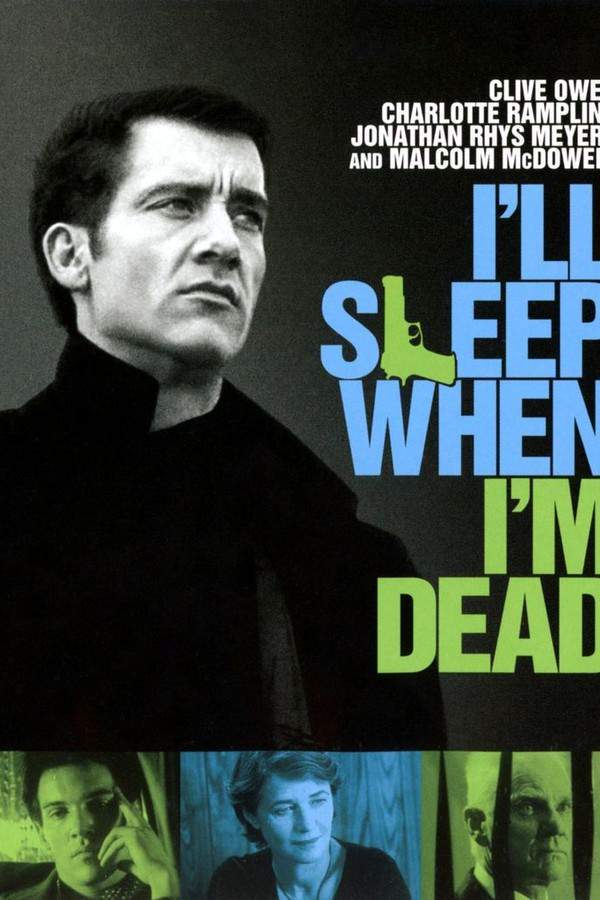





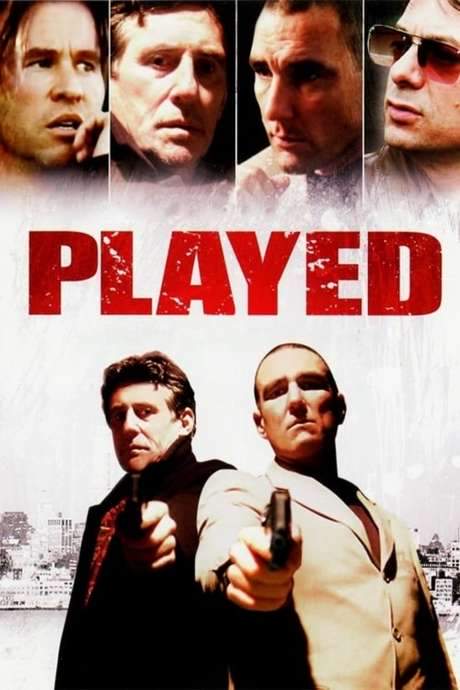


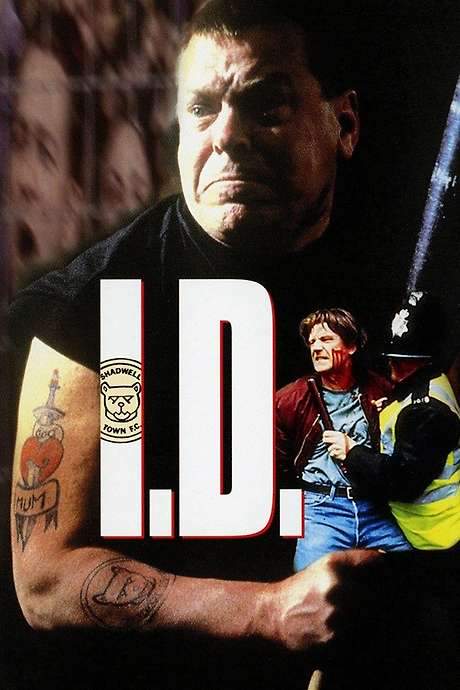

Narrative Summary
The narrative pattern is a linear descent, where a series of traumatic events pushes a sympathetic character over the edge. The plot is driven by escalating acts of violence and revenge, leading to an ambiguous ending where the protagonist achieves their goal but is psychologically shattered by the journey.
Why These Movies?
These films share a high-intensity, dark tone defined by graphic violence and disturbing themes. They possess a heavy emotional weight and a steady, relentless pacing that mirrors the protagonist's inescapable fate. The focus is on the gritty realism of crime and its devastating personal cost.
Unlock the Full Story of Bim
Don't stop at just watching — explore Bim in full detail. From the complete plot summary and scene-by-scene timeline to character breakdowns, thematic analysis, and a deep dive into the ending — every page helps you truly understand what Bim is all about. Plus, discover what's next after the movie.
Bim Timeline
Track the full timeline of Bim with every major event arranged chronologically. Perfect for decoding non-linear storytelling, flashbacks, or parallel narratives with a clear scene-by-scene breakdown.

Characters, Settings & Themes in Bim
Discover the characters, locations, and core themes that shape Bim. Get insights into symbolic elements, setting significance, and deeper narrative meaning — ideal for thematic analysis and movie breakdowns.