Patrick Tommy Wiseau, Tim Isaiah LaBorde, and Georgie Mark Valeriano are a tight-knit trio of firefighters who live and work together in New Orleans, a city where danger and humor share the same streets. Their bond is tested and strengthened as they routinely face blazes, rescue missions, and the kind of close calls that only happen in a place built on grit and music. After pulling two children from a raging fire, the trio is hailed as heroes, their names echoed in cheers across the city, and their sense of purpose sharpened by the praise and the weight of responsibility that comes with it.
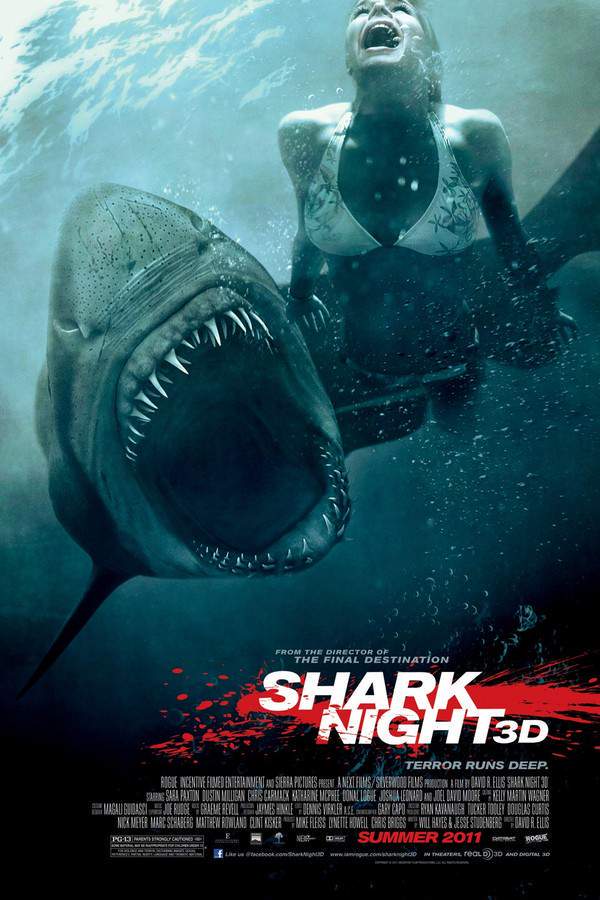
On a fishing trip with his girlfriend Sophia Ashton Leigh, Patrick reports a sighting that sounds almost impossible: a 35-foot-long shark lurking near the river’s edge. Despite Patrick’s insistence, his friends scoff, insisting that there are no sharks in the Mississippi River and that the man’s tale is just bravado or fatigue talking. Patrick’s warnings gravitate from a punchline to a real threat as the city’s news coverage begins to confirm the unimaginable: a fearsome predator is loose and hungry, riding floodwaters as it moves through the flooded streets. The tension between belief and skepticism threads through conversations at the bar, brief flirtations with their girlfriends, and the uneasy sense that the city is suddenly playing by a different, more dangerous rule book.
As the threat becomes undeniable, Captain Joe Wayne Douglas Morgan, their steady boss, pushes for action. He secures scuba gear and presses the men to help protect a city that is already soaking wet with fear and confusion. Tim receives a curious treasure map from an old man in the bar, a clue that supposedly marks where the shark sleeps; Patrick, ever practical but wary of legends, wonders aloud whether sharks even sleep, adding a layer of mystique to their mission. The plan grows from rumor and daring into a real strategy as the men decide to attach a tracking device to the shark, follow its movements in their scuba gear, and bait it with dynamite concealed inside a pig carcass.
With the plan in motion, the trio moves through the city’s dance of danger and improvisation. They secure the bait and, in a tense sequence that fuses teamwork with nerve, spear the shark while the tracking device records the monster’s course. The creature retaliates with brute force, and Georgie is claimed by the attack, a grim reminder of the risks that come with challenging a force of nature. The friends honor Georgie at a beach shrine erected in his memory, their sorrow transformed into a shared song that threads through their memories of better days and the promise to carry on his courage.
Armed with the tracking data and their own resolve, Tim and Patrick push the pursuit into the bayou, where patience and precision meet adrenaline. They execute a dangerous ruse, coaxing the shark toward the bomb and triggering the explosion that ends its reign of terror. For a moment, Tim seems to fall in the blast, but the truth emerges soon after: he’s been hurled high into the air and survives, a grim stroke of luck that leaves him battered but alive. The city, battered yet unbowed, begins to celebrate as the night air fills with are-we-there-yet relief, and a New Orleans marching band rolls through the streets in a triumphant, unifying dance.
What remains after the dust settles is a portrait of resilience. The firefighters’ bond carries them through the grief of Georgie’s loss, the thrill of survival, and the quiet satisfaction of having saved a city from an improbable, terrifying threat. The story ends not with a clean, simple victory, but with a hard-won reconciliation between fear and courage, and a reminder that heroes are made in the moments when expectation meets the unpredictable, and when a community chooses to dance in the face of danger.