




Plot Explained Spoilers guaranteed!
Plot Explained

Browse by genre

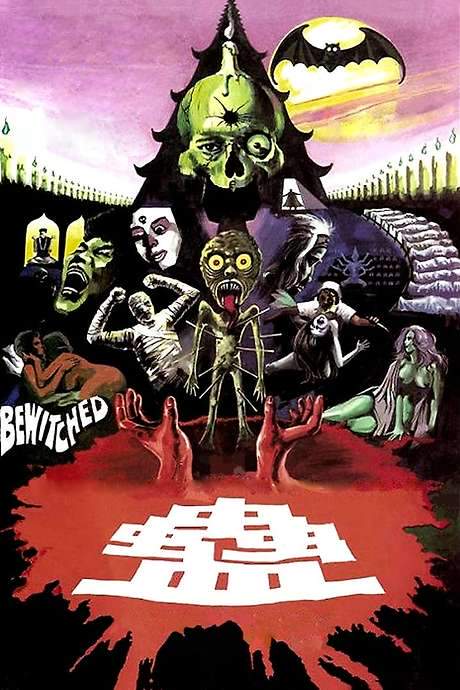
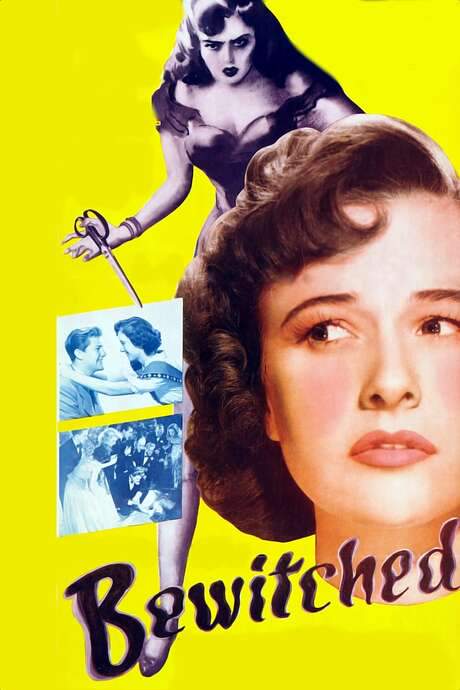
Bewitched (1945) movie poster

Timeline

Bewitched (1945) Timeline Explained – Every Event in Order

Release, runtime and language
1945 · 65 mins · English
Directed by
Arch Oboler
Starring
Oscar O'Shea, Edmund Gwenn, Will Wright, Audrey Totter, Kathleen Lockhart, George Meader

SHE LIVED TWO AMAZING LIVES! Darling of Society… Cruel Love-Killer A girl enlists a psychic to get rid of her murderous alternate personality.

On this page (6)
  1. 1 Where to watch
  2. 2 Events in order (14)
  3. 3 Timeline questions answered
  4. 4 Movie threads
  5. 5 Movies like Bewitched
  6. 6 Every angle

Where to watch

Where to Watch Bewitched (1945)

Where can you watch Bewitched? Stream, rent or buy it in the US, including on TCM, Amazon Video and Apple TV Store: current JustWatch availability with up-to-date prices.

Streaming availability powered by JustWatch

14 events in order · contains spoilers

Bewitched Timeline: Events in Chronological Order

Every key event of Bewitched (1945) in order, scene by scene, with when and where it takes place. Use it to untangle flashbacks, time jumps and parallel storylines, to refresh your memory before the sequel or to find the exact scene you are thinking of.

  1. Dr. Bergson begins dictating the case

    Late at night, Dr. Bergson sits at his desk dictating case notes to his secretary. The secretary is captivated by the case and begs him to continue, despite his suggestion to pause. The frame narrative is set as a flashback for the story.

    When
    late at night
    Where
    Dr. Bergson's study
  2. Engagement party and the seed of danger

    On the night of a party celebrating Joan Ellis's engagement to Bob Arnold, a voice in her head begins to overtake her. She leaves her Midwestern home, abandoning a note asking her parents not to search for her. The departure foreshadows the split between her two identities.

    When
    night of the engagement party
    Where
    Joan's Midwestern home
  3. Joan flees to New York and starts anew

    Joan travels to New York City and assumes the name Joan Smith, beginning a new life far from her past. She builds herself a new identity and society in the city. This marks the first major separation of her two selves.

    When
    shortly after the party
    Where
    New York City
  4. Joan falls for Eric Russell

    In the city, Joan falls in love with attorney Eric Russell. The voice inside her approves of this mature relationship, hinting at the danger that lurks beneath. Their romance becomes a focal point of the escalating tension.

    When
    after moving to NYC
    Where
    New York City
  5. Karen manifests on a river cruise

    During a river cruise, the voice once again emerges, calling itself Karen and kissing Eric with feral passion. When Joan regains control, she is stunned and asks what she did. Eric grows worried, though Joan remains unable to speak about the incident.

    When
    during the cruise
    Where
    river cruise
  6. Joan's silence fuels tension

    Joan struggles to tell anyone about her experiences, and her inability to confide drives the suspense. The lack of trusted confidants heightens the fear that the truth will destroy her relationships. The secret gnaws at the core of her life.

    When
    ongoing after the cruise
    Where
    NYC and surrounding circles
  7. Bob finds Joan

    After a long search, Bob finds the elusive Joan and is overjoyed to see her again. He is thrilled and helps her pack as they consider their next steps. The reunion sets the stage for the tragedy to come.

    When
    after her disappearance and return
    Where
    Joan's location with Bob
  8. Karen takes control and kills Bob

    While Bob helps with packing, Karen seizes control of Joan's hand and uses a pair of scissors to stab him in the back. The murder triggers a legal nightmare and shatters those around Joan. The act intensifies the central mystery of the case.

    When
    the night of the packing
    Where
    their home
  9. The murder trial and expert testimony

    Joan is tried for murder, with Dr. Bergson brought in as an expert witness arguing that she is not insane. She remains silent, and Eric uses that silence to suggest there is more to the story and that she may be innocent. The courtroom becomes a battleground between science, truth, and love.

    When
    during trial
    Where
    courtroom
  10. Not guilty verdict, and Joan's inner plea

    After a long deliberation, the jury finds Joan not guilty. In her mind, Karen exults at the prospect of having Eric, but Joan interrupts with a cry of guilt, shouting 'I’m guilty!' The clash marks the collapse of the public verdict against her inner truth.

    When
    verdict time
    Where
    courtroom
  11. Joan in prison and her whispered plea

    In prison awaiting execution, Joan refuses to explain what happened and whispers to Eric that she longs to die so that Karen will die with her. The secret weighs heavily as she faces a grim end. The scene foreshadows the dramatic confrontation to come.

    When
    before execution
    Where
    prison
  12. Dr. Bergson's dual-personality theory moves forward

    Bergson explains his theory that two women live in one body—one guilty and one innocent—and persuades the governor to listen. He retrieves a book and enlists the governor's wife to help reveal the truth. The moment frames the scientific angle of the crisis.

    When
    on the night of execution
    Where
    governor's office and library
  13. The hypnotic confrontation begins

    With execution imminent, Bergson hypnotizes Joan to uncover the truth. The two entities—Joan and Karen—appear as transparent figures on either side of her. He outlines the shifting balance of strength as the ritual unfolds.

    When
    moments before execution
    Where
    prison cell (pre-execution)
  14. Karen fades; Joan resumes control, ending in a smile

    Under Bergson's method, Karen's presence wanes and disappears, leaving Joan weakened but momentarily free. Joan slumps into Eric's arms and then straightens, smiling in a chilling finish that underscores the film's theme of duality. The ending leaves the audience with a haunting ambiguity about truth and identity.

    When
    execution night
    Where
    prison

Last updated: October 09, 2025 at 11:04

Was this helpful?

Timeline questions answered

Bewitched Timeline Explained: Your Questions Answered

When does it happen, and why in that order? The questions people ask about the chronology of Bewitched (1945): time jumps, flashbacks, cause and effect between scenes and the correct order of events, each answered with spoilers.

Q1

Why did Joan leave her engagement party?

Joan left her engagement party because her alternate personality, Karen, took control and compelled her to flee. The inner voice swelled into an overwhelming compulsion that Joan could not resist. This marked the first major separation between her two identities, with Joan abandoning her Midwestern roots, her loving family, and her fiancé Bob Arnold without explanation.

Foreshadowing: Earlier in the film, Joan's inner voice begins speaking to her at the party, hinting at the danger lurking within her.

  • joan ellis
  • karen
  • alternate personality
  • escape
  • engagement party
Q2

Who is Karen and what does she want?

Karen is Joan's murderous alternate personality, a darker self that emerges to claim what she wants. Unlike the innocent Joan, Karen is predatory, possessive, and violent. She wants Eric Russell for herself and is willing to kill to get him. Karen's makeup-heavy face and feral smile contrast sharply with Joan's gentle nature, representing the guilt lurking within Joan's psyche.

Foreshadowing: Karen first reveals herself during the river cruise when she kisses Eric with fierce, possessive intensity, stealing a moment Joan cannot remember.

  • karen
  • alternate personality
  • dual personality
  • dark self
  • murderous
Q3

How did Karen kill Bob?

Karen took complete control of Joan's body while Bob was helping her pack for their reconciliation. Using a pair of scissors, Karen forced Joan's hand to stab Bob in the back. Joan was unaware and unable to stop the attack, the murder happened through Karen's will, not Joan's. This tragic event propels Joan into a high-profile murder trial.

Foreshadowing: After Bob finds Joan and they attempt to rebuild their relationship, the scene of packing creates the opportunity for Karen to strike.

  • bob arnold
  • murder
  • scissors
  • karen
  • stabbing
Q4

Why was Joan found not guilty?

Joan was found not guilty by reason of insanity. Dr. Bergson testified as an expert witness, declaring that Joan is not insane in the traditional sense, but that there is more to the truth than a single conscience can bear. Eric argued that Joan's silence may hide hidden guilt or innocence that the jury must weigh, and the jury ultimately believed she could not be held criminally responsible for the act.

Foreshadowing: Throughout the trial, Joan's mysterious silence and the revelation of her split personality created doubt about her culpability.

  • trial
  • verdict
  • not guilty
  • insanity
  • dr bergson
Q5

What did Joan mean when she shouted "I'm guilty"?

When Joan shouted "I'm guilty!" in the courtroom, she was expressing her inner truth despite the verdict. In her mind, Karen exulted at the prospect of having Eric now that she was free, but Joan interrupted with this desperate cry. This moment reveals the clash between the public legal verdict and Joan's private knowledge that Karen's guilt is also her own, she shares the same body that committed murder.

Foreshadowing: The courtroom scene shows the stark contrast between Karen's inner satisfaction and Joan's moral anguish.

  • i'm guilty
  • confession
  • verdict
  • karen
  • inner voice
Q6

What is Dr. Bergson's dual personality theory?

Dr. Bergson developed a radical theory that two women share one body, a guilty entity (Karen) and an innocent one (Joan, locked in a struggle for control. He believed Karen could be separated or eliminated through hypnosis, effectively purging the guilty personality and leaving the innocent Joan free. This theory forms the basis of the experimental procedure performed on the night of Joan's execution.

Foreshadowing: Dr. Bergson's earlier testimony about there being "more to the truth than a single conscience can bear" planted the seeds of this theory.

  • dr bergson
  • dual personality
  • hypnosis
  • split personality
  • theory
Q7

What happened during the final hypnosis scene?

During the hypnosis experiment, Dr. Bergson brought Joan to the brink of execution and summoned her two personalities. On the stage of the mind, Karen and Joan appeared as transparent, spectral figures standing on either side of Joan's seated form. Karen's makeup-heavy face wore a feral smile while Joan remained silent. As the ritual progressed, Karen grew weaker and eventually faded away entirely, leaving Joan momentarily free.

Foreshadowing: The earlier hypnotic sessions during the trial established Dr. Bergson's ability to access Joan's subconscious.

  • hypnosis
  • execution
  • karen fades
  • dual personality
  • confrontation
Q8

What does Joan's final smile mean?

Joan's final smile is deeply ambiguous and intentionally unsettling. After Karen fades and Joan slumps into Eric's arms, she straightens up and smiles with a chilling calm. This could represent genuine liberation from Karen, or it could suggest that Karen has simply gone deeper underground, perhaps even absorbing Joan entirely. The unsettling quality of the smile leaves open whether the resolution is psychological liberation or a darker transformation.

Foreshadowing: The final moment mirrors the film's ongoing theme of duality, where nothing is ever quite as it seems.

  • final smile
  • ambiguous ending
  • resolution
  • karen
  • duality
Q9

Why couldn't Joan tell anyone about Karen?

Joan struggled to tell anyone about Karen because she had no control over when Karen would emerge or what she would do. When Joan regains control after Karen's actions, she often cannot voice what the other self has done, such as after the river cruise kiss, when she only asks "What did I do?" This inability to explain or confide drives much of the suspense, as Joan fears that revealing the truth would destroy her relationships and her life.

Foreshadowing: The river cruise incident first demonstrates Joan's complete lack of awareness during Karen's episodes.

  • secret
  • silence
  • confide
  • inability to explain
  • karen
Q10

What happened during the river cruise kiss?

During a river cruise with Eric Russell, Karen briefly surfaced and kissed Eric with fierce, possessive intensity that chilled both him and Joan. When Joan regained control, she was stunned and asked "What did I do?" but could not voice what the other self had done. This moment confirmed to Eric that something was deeply wrong with Joan, though he could not understand the truth.

Foreshadowing: The voice inside Joan had previously approved of her relationship with Eric, hinting at Karen's romantic interest in him.

  • river cruise
  • kiss
  • karen
  • eric russell
  • possession
Q11

Why did Karen want Eric Russell?

Karen wanted Eric Russell because she is the possessive, predatory side of Joan's personality that takes what it desires. While Joan fell in love with the mature attorney, Karen's approval of the relationship was really a claim, she wanted Eric for herself. After Joan is found not guilty, Karen's inner exultation at the prospect of having Eric becomes clear when Joan cries out in guilt, revealing Karen's intentions.

Foreshadowing: Karen's fierce, possessive kiss during the river cruise demonstrated her desire to claim Eric as her own.

  • karen
  • eric russell
  • romance
  • possession
  • desire

Movie threads

More Movies Like Bewitched, by Mood & Story

Curated lists built around what makes Bewitched tick: the same mood, the same kind of story or the same emotional payoff. Each list explains why these movies belong together.

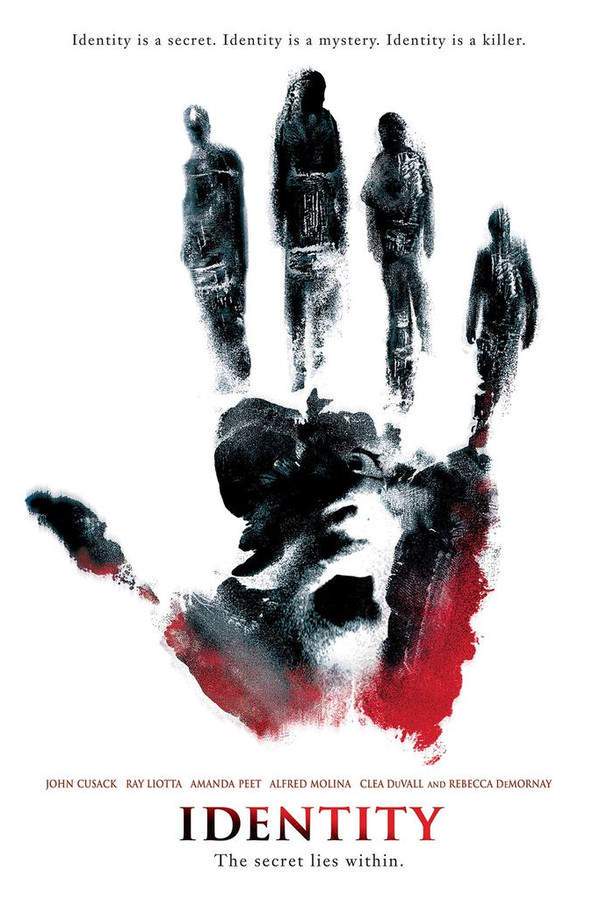
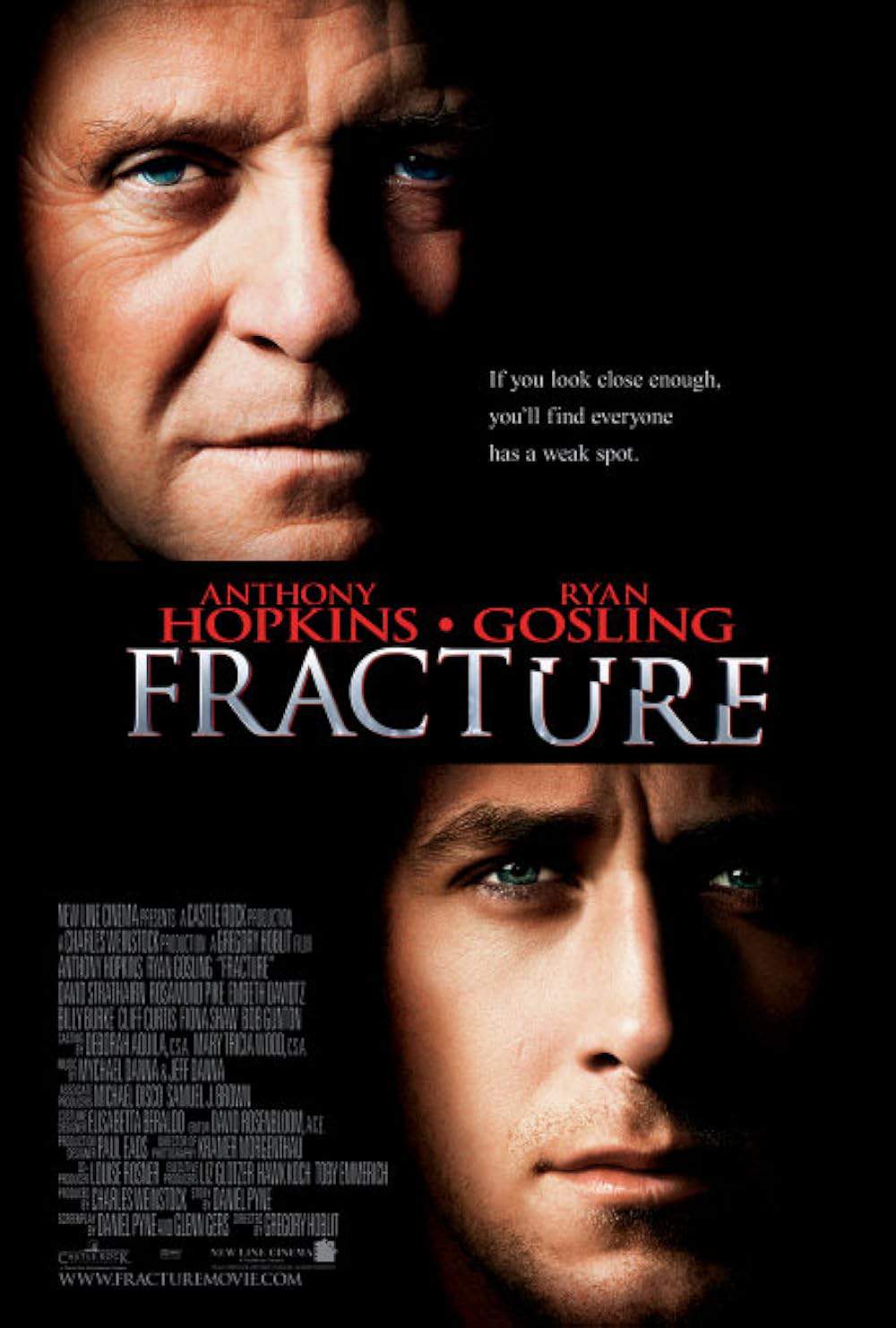
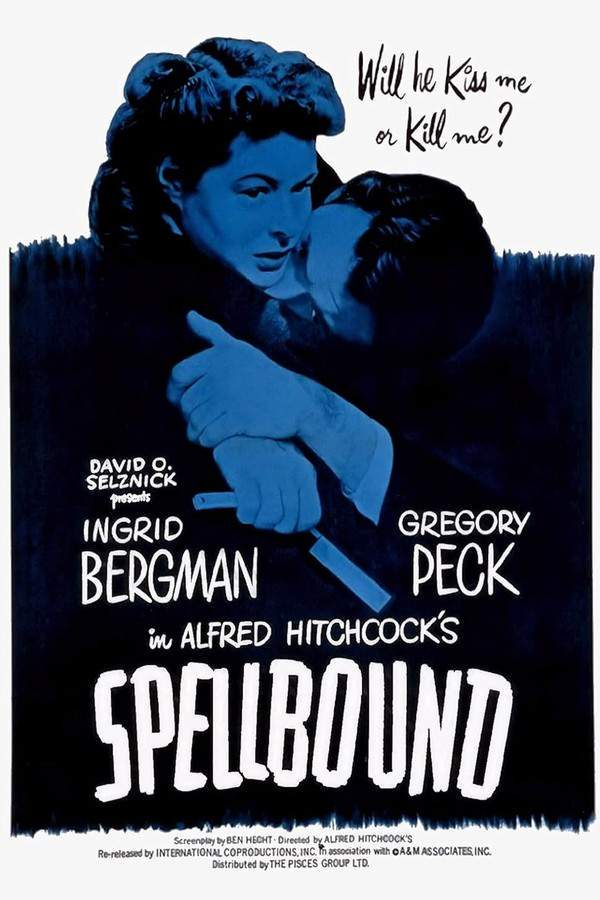
Psychological Thrillers of Fractured Minds like Bewitched

Intense stories where the greatest threat comes from within the protagonist's own mind. Stories that explore mental collapse and internal conflict, similar to Bewitched. If you liked the tense, claustrophobic feeling of a character battling their own mind, you'll find more movies here with a similar heavy, psychologically intense vibe.

  • psychologically intense
  • claustrophobic
  • anxious
  • grim
  • clinical
  • suspenseful
  • Tone: tense, clinical, grim
  • Pacing: steady, methodical
Why these movies?

The story pattern: These narratives typically follow a protagonist who is losing control over their own identity or perception. An internal antagonist, whether a split personality, hallucination, or deep-seated trauma, drives the plot, creating a sense of inescapable dread. The conflict is less about external forces and more about the terrifying collapse of the self, often culminating in a bleak or ambiguous conclusion.

Why they belong together: Movies in this thread share a core focus on psychological horror, clinical tones, and high tension derived from internal rather than external threats. They are grouped by their grim mood, heavy emotional weight, and the specific experience of watching a character's mind become their own prison.


Movies about Death Row Psychiatry like Bewitched

Grim narratives where science and justice intersect under the shadow of execution. If you were fascinated by the death row hypnotic experiment in Bewitched, explore more movies with a similar morbid clinical vibe. These films often feature criminal psychology, scientific desperation, and morally ambiguous professionals trying to avert a grim fate.

  • suspenseful
  • grim
  • clinical
  • morally complex
  • psychologically intense
  • anxious
  • Tone: tense, grim, clinical
  • Pacing: steady, procedural
Why these movies?

The story pattern: The narrative pattern involves a condemned individual, often due to crimes linked to their mental state, and a desperate attempt by psychiatrists or scientists to understand or cure them before execution. The pacing is steady and procedural, building tension towards an outcome that questions notions of guilt, sanity, and justice, frequently leaving the audience with unsettling questions.

Why they belong together: These films are connected by their unique blend of crime drama, psychological thriller, and clinical setting. They share a heavy, tense atmosphere driven by the life-or-death countdown of an execution and the ethical dilemmas of experimental treatment, resulting in a distinctly grim and thought-provoking experience.

If you liked this

Movies Like Bewitched

Similar movies to Bewitched: the same genre, themes or kind of story. Each one comes with its own plot summary, timeline and ending explained.

Browse all movie summaries

Every angle

Bewitched (1945) Explained: Plot, Timeline & Characters

Everything about Bewitched in one place: what happens in the plot summary, the timeline in chronological order, the characters and meaning and a spoiler-free summary. What's After the Movie adds the cast, box office and post-credit scenes.

Coming soon on iOS and Android

The Plot Explained Movie Summary App

Plot summaries, endings explained and timelines on your phone. Catch up on any movie in minutes, save your favorites and never miss a twist again.

Be the first to know when we launch. Your email stays private, always.

Learn more about the app