Plot Explained Spoilers guaranteed!
Plot Explained

Browse by genre

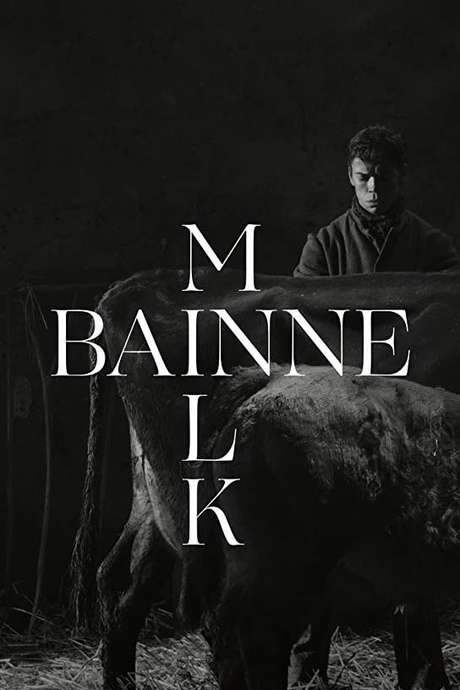
Bainne (2019) movie poster

Timeline

Bainne (2019) Timeline Explained – Every Event in Order

Release, runtime and language
2019 · 18 mins · Irish
Directed by
Jack Reynor
Starring
Will Poulter, Toni O'Rourke, Kelly Thornton, Steve Wall

Amidst the hardship of the final year of the Great Famine in Ireland, a farmhand prioritizes his own survival by distancing himself from his fellow countrymen. His guarded existence is disrupted when he witnesses a mysterious woman stealing milk from his employer’s barn. This encounter challenges his hardened beliefs and leads him on an unexpected journey, offering a glimmer of hope during a desperate time.

On this page (5)
  1. 1 Events in order (12)
  2. 2 Timeline questions answered
  3. 3 Movie threads
  4. 4 Movies like Bainne
  5. 5 Every angle

12 events in order · contains spoilers

Bainne Timeline: Events in Chronological Order

Every key event of Bainne (2019) in order, scene by scene, with when and where it takes place. Use it to untangle flashbacks, time jumps and parallel storylines, to refresh your memory before the sequel or to find the exact scene you are thinking of.

  1. Morning milking in a famine-haunted estate

    Every morning the farmhand milks the lone surviving cow to keep himself alive as scarcity tightens its grip. Hunger hangs over the estate and he guards the fragile yield as his only lifeline. This routine establishes the bleak rhythm of life that shapes his outlook.

    When
    morning
    Where
    Estate farmyard
  2. A hooded figure slips into the cowshed

    Before first light a hooded woman slips into the cowshed to steal milk. The farmhand suspects theft and gives chase into mist-shrouded fields. The encounter leaves him unsettled by her calm, almost spectral presence.

    When
    pre-dawn
    Where
    Cowshed and surrounding fields
  3. Confrontation by the mist

    He follows her into the cold dawn and confronts the silent intruder as she cups a tin of milk to her chest and does not run. The figure moves with uncanny quiet, leaving no clear footprints in the frost. The moment deepens the sense that she is more than a thief, something otherworldly.

    When
    pre-dawn
    Where
    Mist-shrouded fields
  4. Night meeting by the animal's flank

    Near the cow’s flank they cross paths again as she coaxes the animal and hums an Irish lullaby. He is enraged at first, then tempered by her emaciated appearance and the reminder of shared deprivation. The air grows tense under a gathering storm.

    When
    night
    Where
    Cowshed field near the cow's flank
  5. Storm lit revelation

    Lightning flashes illuminate her hollow features and distant gaze, suggesting she may be a famine victim long dead. The encounter feels like a visitation rather than theft. The mystery of her identity unsettles him even more.

    When
    night
    Where
    Fields outside the cowshed
  6. Dream of a future ruined by famine

    Haunted by the encounter, he dreams of parched fields, skeletal cattle, and children crying out for sustenance. The dream blurs the line between memory and omen, leaving him unsettled at dawn. It foreshadows what his choice may reveal about his humanity.

    When
    night
    Where
    Dreamscape
  7. Morning mercy: milk freely drawn

    The next morning, he does not drive her away; instead he allows the figure to draw milk freely. She looks at him with a grateful smile as she recedes into the fog, leaving only the echo of her lullaby. The act reframes his struggle around survival and generosity.

    When
    morning
    Where
    Cowshed
  8. A flicker of humanity in the doorway

    He stands in the doorway with a half-full vessel of milk, torn between clinging to what remains and offering what little he has. The encounter rekindles a sense that life carries meaning beyond possession. The famine's weight still presses, but his heart shifts.

    When
    morning
    Where
    Cowshed doorway
  9. The famine persists, but a seed is planted

    Despite the ongoing hunger, the farmer's act of mercy signals a change that might outlive the moment. He recognizes that solidarity can outlast scarcity, even if the world around them remains indifferent. The era's grim reality remains a backdrop to their exchange.

    When
    ongoing
    Where
    Estate
  10. Echo of lullaby lingers

    As she vanishes, the lullaby trails in the fog, a fragile reminder of humanity that survives beyond possession. He is left with a half-full vessel and a choice to hold onto life or share it. The memory of the encounter stays with him.

    When
    morning-after
    Where
    Cowshed doorway
  11. A reshaped outlook

    The encounter reframes his view of famine and survival, hinting that life can carry meaning even in scarcity. He begins to see the other as a fellow being rather than an obstacle to survival. The line between life and death feels thinner than before.

    When
    post-encounter
    Where
    Estate
  12. Ambiguous ending: humanity endures

    The story closes with an ambiguous note: the famine continues, yet the farmer's moment of mercy holds a quiet promise. The figure's presence remains unseen, but the lullaby's echo suggests connection endures beyond the scene. Whether this changes the world remains uncertain, but the act has meaning.

    When
    ending
    Where
    Estate

Last updated: October 09, 2025 at 16:42

Was this helpful?

Timeline questions answered

Bainne Timeline Explained: Your Questions Answered

When does it happen, and why in that order? The questions people ask about the chronology of Bainne (2019): time jumps, flashbacks, cause and effect between scenes and the correct order of events, each answered with spoilers.

Q1

Who is the mysterious woman stealing milk?

The woman appears to be a famine victim who has died, possibly returning as a spectral figure. During the lightning-lit confrontation, her hollowed features and distant gaze suggest she is one of the countless victims of the Great Famine, perhaps lingering to keep vigil over the living. She moves with an uncanny stillness, leaves no footprints, and seems untroubled by the cold, reinforcing her otherworldly nature.

Foreshadowing: The initial encounter in the mist-shrouded fields already hints at her unnatural presence through her silent, floating movement.

  • mysterious woman
  • famine victim
  • ghost
  • supernatural
  • hooded figure
Q2

Why does the farmhand let the woman take milk?

The farmhand's change occurs gradually. After witnessing her emaciated frame during the second encounter, he is reminded of his own deprivation and fragility. His dream of starving children and parched fields further Haunted by the encounter, he realizes that survival without compassion reduces him to mere existence. By allowing her to draw milk freely, he chooses solidarity over isolation, rekindling his humanity.

Foreshadowing: His dream foreshadows this shift, showing that his hardened outlook is already cracking.

  • farmhand motivation
  • compassion
  • survival
  • humanity
  • mercy
Q3

What does the lightning scene reveal about the woman?

The lightning flash illuminates her hollowed features and distant gaze, confirming she is not merely a thief but a famine victim who has died. This moment transforms the encounter from a simple conflict over resources into a visitation from beyond, deepening the mystery of her purpose.

Foreshadowing: Earlier hints of her spectral nature, her calm demeanor and lack of footprints, build toward this revelation.

  • lightning
  • revelation
  • hollow features
  • famine victim
  • supernatural
Q4

What is the significance of the lullaby?

The Irish lullaby she hums connects her to the cultural and emotional landscape of the famine. It serves as a haunting reminder of loss and comfort simultaneously, something once sung to soothe the living, now echoing through the fields as a memory of the dead. The lullaby becomes the thread linking the woman to her past life and the community she once belonged to.

Foreshadowing: Her humming the lullaby while near the cow hints at her intimate knowledge of the farm, suggesting past connections.

  • lullaby
  • irish song
  • memory
  • loss
  • comfort
Q5

Why does the farmhand dream of the famine?

The dream represents his subconscious grappling with guilt and the moral weight of his hardened survival. It visions parched fields, skeletal cattle, and crying children, images that embody the famine's relentless destruction. This dream acts as a turning point, forcing him to confront the dehumanizing effect of his choices and opening him to compassion.

Foreshadowing: The dream foreshadows the thematic resolution: his choice to share milk reveals his rekindled humanity.

  • dream
  • famine
  • guilt
  • subconscious
  • vision
Q6

Is the woman a ghost or something supernatural?

The film presents her as a supernatural presence, likely a famine victim returned from death. She exhibits ghost-like qualities: she leaves no footprints, moves without sound, appears in mist, and is unaffected by cold. Yet she is not frightening; rather, she conveys sorrow and longing. The ambiguity serves the story's contemplative tone, emphasizing the thin boundary between life and death during the famine.

Foreshadowing: Her initial appearance in the pre-dawn mist establishes her otherworldly nature.

  • ghost
  • supernatural
  • spectral
  • famine victim
  • ambiguity
Q7

What does the milk represent in the story?

The milk symbolizes survival itself, the fragile line between life and death in famine conditions. For the farmhand, it represents his sole reason to live; guarding it means guarding his existence. By sharing it, he redefines survival from mere possession to meaningful connection. The milk becomes an offering of humanity in a world reduced to scarcity.

Foreshadowing: His ritualistic guarding of the milk each morning establishes its life-or-death significance.

  • milk
  • symbolism
  • survival
  • scarcity
  • humanity
Q8

What happens at the end - does the woman disappear?

At the end, the woman recedes into the fog as the farmhand allows her to take milk freely. She looks at him with gratitude and vanishes into the mist, leaving only the fading echo of her lullaby. She is not seen again, but her presence lingers as a memory and a changed perspective in the farmhand. The ambiguity of whether she was ever truly there remains unresolved.

Foreshadowing: Her gradual fading into the fog mirrors the earlier description of her blurred, spectral form.

  • ending
  • vanish
  • fog
  • lullaby
  • disappearance
Q9

Why is the farmhand so hardened at the beginning?

The farmhand's hardness is a survival mechanism developed through months of famine, repeated losses, and the indifference of overseers. The constant hunger and witnessing others die have stripped away his empathy, leaving only the instinct to protect his one source of sustenance, his cow's milk. This hardening represents the dehumanizing effect of extreme scarcity.

Foreshadowing: The opening scene establishes his ritualistic, emotionless milking routine as a coping mechanism.

  • farmhand
  • hardened
  • survival
  • famine
  • empathy
Q10

What does the bittersweet ending mean?

The ending is bittersweet because the famine continues unabated, the farmhand's act of mercy does not change the world around him. However, it changes him. He has rediscovered his capacity for compassion, suggesting that humanity can endure even in catastrophe. The lingering lullaby implies this small gesture of connection echoes beyond the moment, offering quiet hope without false optimism.

Foreshadowing: His stand in the doorway with the half-full vessel represents the internal shift that makes this ending possible.

  • ending
  • bittersweet
  • hope
  • humanity
  • compassion

Movie threads

More Movies Like Bainne, by Mood & Story

Curated lists built around what makes Bainne tick: the same mood, the same kind of story or the same emotional payoff. Each list explains why these movies belong together.

Atmospheric ghost stories like Bainne

Where lingering spirits meet quiet, melancholic human stories. Movies like Bainne that use supernatural encounters as a quiet, melancholic focus. If you liked the slow, atmospheric ghost story in Bainne, you'll find similar films here where hauntings are more sorrowful than frightening, often emphasizing emotional connection over terror.

  • atmospheric
  • melancholic
  • haunting
  • quiet
  • dreamlike
  • reflective
  • Tone: melancholic, haunting
  • Pacing: slow, deliberate
Why these movies?

The story pattern: Narratives typically follow a human character, often isolated or in a state of grief, whose encounter with a spectral presence challenges their worldview or unresolved emotions. The story unfolds slowly, revealing the ghost's connection to a place or past tragedy, ultimately leading to a moment of bittersweet resolution or understanding.

Why they belong together: These films are grouped by their shared emphasis on a melancholic, atmospheric mood, a slow and deliberate pacing that builds dread or sorrow quietly, and a thematic focus on the ghost as a symbol of memory, loss, or redemption rather than a simple antagonist.

Historical hardship movies like Bainne

Stories of survival where small human acts defy overwhelming bleakness. Films similar to Bainne that explore survival and humanity amidst historical suffering. If you appreciated Bainne's depiction of the Irish famine and its focus on a fragile act of compassion, you'll find other movies where characters find glimmers of hope in times of immense despair.

  • oppressive
  • lonely
  • reflective
  • heavy
  • compassion
  • historical
  • Tone: melancholic, bittersweet
  • Pacing: slow, steady
Why these movies?

The story pattern: The plot follows a hardened individual surviving in a hostile environment. Their primary conflict is internal, wrestling between self-preservation and their remaining humanity. An encounter or event disrupts their isolation, forcing a moral choice. The journey is less about external victory and more about a personal, internal shift toward empathy or connection, leading to a bittersweet ending.

Why they belong together: These movies share a heavy emotional weight derived from their realistic or historical settings, a melancholic or bleak tone punctuated by moments of quiet compassion, and a straightforward narrative arc centered on a character's moral awakening in the face of collective suffering.

If you liked this

Movies Like Bainne

Similar movies to Bainne: the same genre, themes or kind of story. Each one comes with its own plot summary, timeline and ending explained.

Browse all movie summaries

Every angle

Bainne (2019) Explained: Plot, Timeline & Characters

Everything about Bainne in one place: what happens in the plot summary, the timeline in chronological order, the characters and meaning and a spoiler-free summary. What's After the Movie adds the cast, box office and post-credit scenes.

Coming soon on iOS and Android

The Plot Explained Movie Summary App

Plot summaries, endings explained and timelines on your phone. Catch up on any movie in minutes, save your favorites and never miss a twist again.

Be the first to know when we launch. Your email stays private, always.

Learn more about the app