Year: 2002
Runtime: 149 mins
Language: Hindi
Director: Satish Kaushik
The D’Souza and Chaddha families live next door to one another and have been close friends for as long as anyone can remember. Despite their different religious and cultural backgrounds, they regularly come together to celebrate Diwali, sharing meals, fireworks and goodwill, illustrating a deep bond that transcends differences.
Find where to stream, rent, or buy Badhaai Ho Badhaai (2002) in the US with current JustWatch availability, up-to-date pricing, and platform listings for subscription, rental, and digital purchase options.
Warning: spoilers below!
Haven’t seen Badhaai Ho Badhaai yet? This summary contains major spoilers. Bookmark the page, watch the movie, and come back for the full breakdown. If you're ready, scroll on and relive the story!
Read the complete plot breakdown of Badhaai Ho Badhaai (2002), including all key story events, major twists, and the ending explained in detail. Discover what really happened, and what it all means.
Two longtime family friends, Ghuman Singh Rathod and the D’Souza clan, are torn apart when their children fall in love across religious lines. In this story, Chaddha and D’Souza were close for generations until the day Mr. Chaddha’s daughter, Anjali, falls for Steven D’Souza’s son Anthony. Their romance defies tradition, and the couple elopes, triggering a bitter breach between the families. The consequences are severe: the two households sever all ties, and a lasting enmity takes root, coloring every future encounter with suspicion and anger. The narrative anchors itself in this fault line, showing how love and loyalty collide with communal expectations, leaving a wound that never fully heals.
After 27 years, a new presence stirs the old townsfolk: Raja, the grandson of Anthony and Anjali, comes to visit. Raja arrives with his friend, but the moment he seeks shelter, both sides slam doors in his face. The locals rally around a narrow border of pride, and even Moses D’Souza, played by Moses D’Souza, and Ranjeet Chaddha rally the neighborhood to keep Raja out of every house. Only a neighbor named Ghuman Singh Rathod extends a cautious welcome, offering him a temporary haven in his own home. This gesture hints at the possibility that the old walls might crumble if someone with enough courage and patience steps forward. The family members—especially the grandmothers—begin to feel a familiar ache: they secretly want Raja to stay, to bridge the rift, and to bring their grandchildren closer to the idea of a shared future. Yet the elder generation pretends to remain angry, masking their longing under a veil of stubborn pride.
As Raja starts to move through the town, he discovers how the rest of the family members still harbor warmth beneath the pretense of hatred. The two grandmothers in particular press hard for him to consider marriage as a way to seal a truce. To dodge this pressure, Raja fabricates a pretend marriage to a girl named Banto Betty—a ruse designed to placate the anxious elders and buy more time to build trust. The moment that a girl named Banto (who is actually Tina) arrives at his doorstep, the house fills with confusion. Banto presents herself as Raja’s wife, throwing the families into a further whirl of rumors and speculation. The ruse becomes a tangled knot of secrets, because Tina soon reveals a far more personal truth: she is the daughter of Anthony and Anjali, the very couple who sparked the original rift. She confesses that the only person who maintains contact with her family in town is Ghuman Singh Rathod, the man who has become both a friend and a bridge to reconciliation. This revelation forces Raja to reassess his plan and to question his own loyalties.
To understand Raja’s motivation, one must peer into his past. A flashback explains how a very overweight boy—nicknamed Fatty—transforms into the fit, determined man who dares to challenge centuries of resentment. In college, he meets Florence D’Souza, the daughter of Moses D’Souza, and a quiet spark grows into a genuine love. But Florence is not free to follow her heart; she loves another—Jassi, the son of Ranjeet Chaddha—creating a microcosm of the enmity that still marks the streets. This backstory is crucial: it explains why Raja feels compelled to intervene when he learns that Florence’s romance with Jassi is once again threatened by the feud. He becomes invested not just in the unity of his own family, but in the happiness of Florence and Jassi as well. The devotion he shows to both couples reveals a deeper belief: love does not belong to one side or another, and it should be allowed to flourish no matter the religious divides that history has laid down.
Determined to heal the rift, Raja throws himself into a dual mission: to unite his own families and to support the young lovers who dare to defy the old boundaries. He disguises himself as the son of Anthony and—though the details are murky within the constraints of the tale—pulls off a delicate balancing act to win over wary relatives. Tina, who has become drawn to Raja, begins to sense that his motives are sincere even as she tests his resolve. The town’s factions flare up again when it becomes known that Jassi and Florence are in love with others—Jassi with a different allegiance and Florence with a romantic rival. In a bold gesture, Raja helps the couples flee briefly, only to bring them back after a few hours, hoping to prove that true commitment can survive even the most volatile crosswinds.
The emotional turning point arrives when love transcends religious identity. Jassi embraces Christianity and Florence returns to Hindu beliefs as part of a larger reconciliation. Raja’s central message lands with quiet force: love is timeless and universal, not captured by ritual or lineage. The families, tired of fighting, begin to listen. Their fear yields to the possibility of a shared life, and they slowly come to terms with the idea that their children’s happiness depends on more than tradition—it depends on tolerance, trust, and willingness to see the humanity in one another.
With the elder generation softened, a wedding becomes the next natural step. The plan centers on a union between Lawrence and Nandhini, a pairing that the families hope will symbolize the rebirth of their community. On the day of the ceremony, Anthony and Anjali themselves arrive, humbled and moved by Raja’s quiet persistence. They acknowledge the distance that the feud had created and reveal a surprising truth: their child is Tina, and Raja—the friend who has quietly reconnected them—has played a pivotal role in bringing their families back together. Tina explains that Raja is Florence’s close friend and that his presence in town was never about a personal agenda but about the healing of old wounds. The moment is tender and transformative, and it marks a turning point for everyone involved. The families openly apologize for their 27-year estrangement, and they recognize Raja as the catalyst for reconciliation.
Yet the story doesn’t pretend that the road ahead will be easy. The revelation that Tina is their daughter reshapes the family tree and leaves Raja at a crossroads. Tina hints at her own feelings for Raja, but he remains steadfast in his declaration: his heart belongs to Florence, the woman who endured and believed in him when no one else did. He chooses to walk away from the family’s newly established plans, stepping out into the street alone. The movie closes on a poignant note: a man who chose unity over personal reward, and a love that endures across divides, even if the path ends with a solitary departure rather than a conventional happily-ever-after.
In the end, the film offers a sprawling, bittersweet celebration of reconciliation. It treats romance as a force that can dissolve barriers of faith, caste, and custom, while still acknowledging the complexity of familial pride and the costs of such upheaval. The characters—Raja, Florence, Tina, Jassi, and the rest—are drawn with warmth, and their intertwined fates underscore a hopeful truth: when love and courage collide, communities can heal, and even centuries-old feuds can yield to a new, shared future.
Last updated: April 07, 2026 at 21:05
Explore frequently asked questions about Badhaai Ho Badhaai (2002) with spoiler-rich answers covering the full plot summary, major story beats, character motivations, hidden details, and ending meaning. This movie summary FAQ helps explain confusing scenes, plot twists, and narrative decisions in clear, searchable detail.
The families broke apart when Anjali Chaddha fell in love with Anthony D'Souza's son and they eloped in secret. This marriage across religious lines defied tradition and honor, causing both households to sever all ties immediately. The breach remained for 27 years, creating lasting enmity between the neighbors.
The earlier harmony between the families is shown through their shared Diwali celebrations, making the sudden rift more devastating.
Raja is the grandson of Anthony and Anjali, the couple whose elopement caused the original rift between the families. He arrived in town with a friend seeking to reconnect with his extended family and heal the 27-year-old divide between his maternal and paternal relatives.
The arrival of a new generation mirrors the original love story that caused the split, suggesting history might repeat in a different way.
When the grandmothers pressured Raja to marry quickly, he fabricated a fictional wife named Banto Betty to buy time for his larger mission to unite the families. The ruse was meant to placate the elders and allow him to work on reconciliation without marriage pressure.
Raja's willingness to lie about marriage foreshadows the actual weddings that become central to the reconciliation.
Tina is the daughter of Anthony and Anjali, making her the sister of Raja and part of the family that triggered the original feud. She arrives claiming to be Banto Betty, Raja's supposed wife, but later reveals her true identity. Only Ghuman Singh Rathod had maintained contact with her family in town.
Tina's arrival mirrors the original elopement pattern, a family member appearing unexpectedly to disrupt the status quo.
In college, Raja was an overweight student nicknamed Fatty who became friends with Florence D'Souza and fell in love with her. He underwent rigorous weight loss to win her, but discovered she loved Jassi, the son of Ranjeet Chaddha. This parallel love story across enemy lines motivated Raja to help both couples.
Raja's unrequited love for Florence establishes his selfless motivation, he fights for others' happiness even after being rejected himself.
Jassi is the son of Ranjeet Chaddha and Florence is the daughter of Moses D'Souza, making them heirs of the two feuding families. Their love mirrored the original cross-religious romance that had torn the families apart, threatening to repeat the same honor-based conflict that had kept them estranged for 27 years.
Their relationship directly parallels the original Anjali-Anthony romance, showing the cycle the families fear.
Raja served as the catalyst by bridging both households, helping the grandmothers see their shared longing for unity. The turning point came when Jassi converted to Christianity and Florence converted to Hinduism, symbolizing that love transcended religious identity. The families then agreed to the wedding between Lawrence and Nandhini as a symbol of rebirth.
The gradual warming of the grandmothers toward Raja throughout the film foreshadows their eventual acceptance.
On Lawrence and Nandhini's wedding day, Anthony and Anjali finally arrived, having been reunited through Raja's efforts. Tina revealed that Raja was Florence's friend who came to unite the families. The families openly apologized for their 27-year estrangement and recognized Raja as the catalyst for reconciliation.
The planned wedding itself becomes the setting for the ultimate family reunification, tying the ceremony to healing.
After facilitating the reconciliation, Raja chose to walk away despite Tina's hints at romantic interest. He remained steadfast in his love for Florence, the woman who had believed in him when no one else did. He chose unity and others' happiness over personal reward, leaving alone as the families celebrated their restored bonds.
Raja's selflessness throughout the film, helping others unite while sacrificing his own needs, culminates in this final act of principled departure.
Jassi converting to Christianity and Florence converting to Hinduism represented the central message that love transcends religious identity and ritual. These conversions symbolized that true commitment can bridge divides that religious traditions alone cannot. The film used these conversions to demonstrate that faith should not stand in the way of love.
The original rift was caused by cross-religious marriage, making conversions the ultimate reversal of that original sin.
Discover curated groups of movies connected by mood, themes, and story style. Browse collections built around emotion, atmosphere, and narrative focus to easily find films that match what you feel like watching right now.
Love stories that bridge cultural and religious divides, healing fractured families.Discover movies like Badhaai Ho Badhaai that explore romantic stories bridging cultural and religious gaps. These films feature hopeful tones, family reconciliation, and a mix of comedy and drama, perfect for viewers who enjoyed the uplifting message of love conquering differences.
The narrative typically follows a couple whose love is challenged by their families' differing beliefs or traditions. Through a series of comedic misunderstandings, heartfelt confrontations, and personal growth, the families eventually learn to accept each other, culminating in a joyful union that celebrates both cultures.
These films are grouped by their shared focus on romance as a unifying force against societal divisions. They balance medium emotional weight with a steady, hopeful pace, using humor to lighten serious themes and deliver a satisfying, happy resolution that emphasizes familial bonds.
Humorous and heartfelt stories about families overcoming internal strife and finding joy.If you liked Badhaai Ho Badhaai, explore similar uplifting family comedies with generational conflict. These movies feature a steady pace, medium intensity, and a mix of humor and heart, focusing on reconciliation and happy endings that bring families closer together.
The plot often revolves around a central conflict that disrupts family harmony, such as a forbidden relationship or a secret revealed. Through a series of comedic misadventures and emotional revelations, characters undergo personal transformations, leading to a climactic resolution that mends relationships and strengthens familial bonds.
This thread groups films that masterfully blend comedy and drama to tell stories about family. They share a steady pacing, a medium emotional weight that doesn't become overly heavy, and a consistently hopeful tone that assures viewers of a positive, heartwarming conclusion.
Don't stop at just watching - explore Badhaai Ho Badhaai in full detail. From the complete plot summary and scene-by-scene timeline to character breakdowns, thematic analysis, and a deep dive into the ending - every page helps you truly understand what Badhaai Ho Badhaai is all about. Plus, discover what's next after the movie.
Track the full timeline of Badhaai Ho Badhaai with every major event arranged chronologically. Perfect for decoding non-linear storytelling, flashbacks, or parallel narratives with a clear scene-by-scene breakdown.
Discover the characters, locations, and core themes that shape Badhaai Ho Badhaai. Get insights into symbolic elements, setting significance, and deeper narrative meaning - ideal for thematic analysis and movie breakdowns.
Discover movies like Badhaai Ho Badhaai that share similar genres, themes, and storytelling elements. Whether you’re drawn to the atmosphere, character arcs, or plot structure, these curated recommendations will help you explore more films you’ll love.
Badhaai Ho Badhaai (2002) Scene-by-Scene Movie Timeline
Badhaai Ho Badhaai (2002) Movie Characters, Themes & Settings
Badhaai Ho Badhaai (2002) Spoiler-Free Summary & Key Flow
Movies Like Badhaai Ho Badhaai – Similar Titles You’ll Enjoy
Monsoon Wedding (2002) Complete Plot Breakdown
Laal Singh Chaddha (2022) Full Movie Breakdown
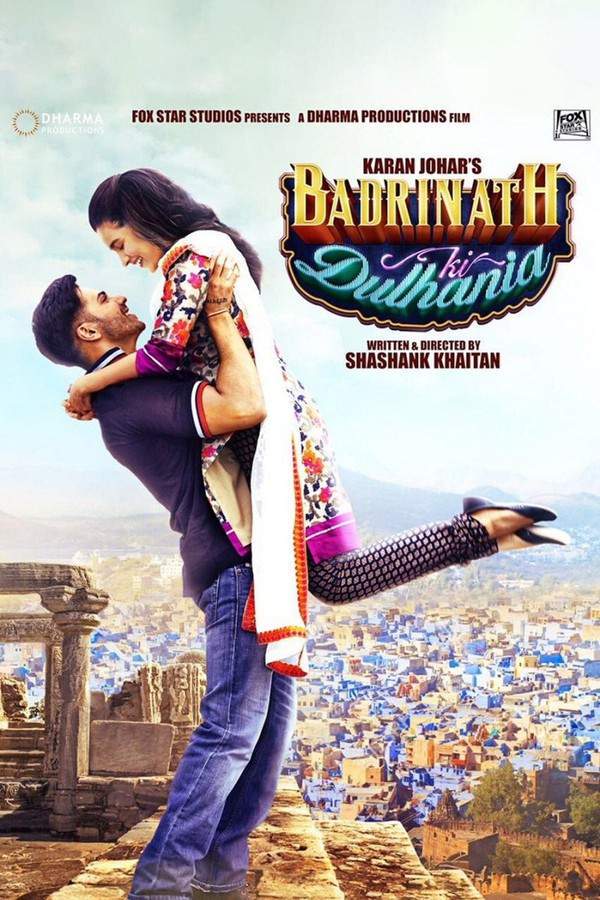
Badrinath Ki Dulhania (2017) Full Movie Breakdown
Kal Ho Naa Ho (2003) Movie Recap & Themes
Dhadak (2018) Movie Recap & Themes
Toilet: A Love Story (2017) Movie Recap & Themes
Kabhi Khushi Kabhie Gham (2001) Full Movie Breakdown
Kuch Tum Kaho Kuch Hum Kahein (2002) Full Summary & Key Details
Chori Chori Chupke Chupke (2001) Ending Explained & Film Insights
Chori Chori (2003) Complete Plot Breakdown
Khushi (2001) Film Overview & Timeline
Badhaai Do (2022) Detailed Story Recap
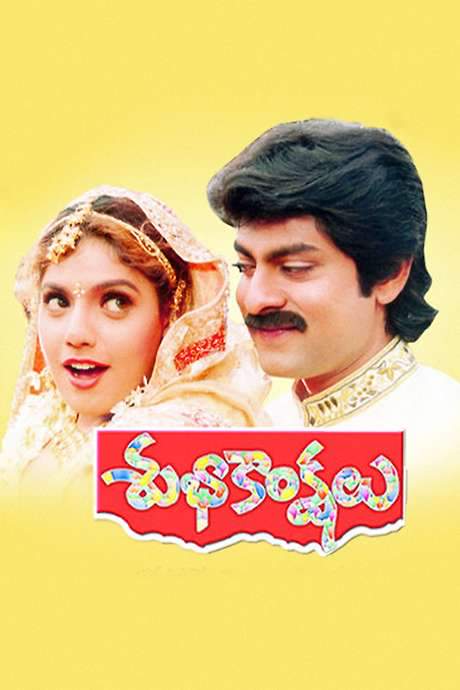
Subhakankshalu (1997) Film Overview & Timeline
Hum Saath Saath Hain (1999) Spoiler-Packed Plot Recap
Bad Newz (2024) Spoiler-Packed Plot Recap