Plot Explained Spoilers guaranteed!
Plot Explained

Browse by genre

Azumi (2006) movie poster

Characters & Themes

Azumi (2006) Characters, Setting & Themes Explained

Release, runtime and language
2006 · 128 min · Japanese
Directed by
Ryûhei Kitamura
Starring
Aya Ueto

During feudal Japan, a skilled warrior trains a group of orphaned children to become formidable assassins. Led by the mysterious Azumi, they are deployed to infiltrate powerful and ruthless warlords. However, a dangerous adversary arises, issuing a direct order for their elimination. Hunted by the relentless killer Bijomaru, Azumi and her fellow assassins must fight for survival in a violent conflict that pushes them to their limits and questions everything they believe in.

On this page (7)
  1. 1 Characters explained (1)
  2. 2 Where & when it takes place
  3. 3 Themes & meaning (3)
  4. 4 Character & meaning questions
  5. 5 Movie threads
  6. 6 Movies like Azumi
  7. 7 Every angle

1 main characters · contains spoilers

Azumi Characters Explained: Who Is Who

The main characters of Azumi (2006), heroes and villains: what drives them, how they change over the course of the story and what each of them reveals about the film's bigger ideas.

  • Azumi (Aya Ueto)

    Azumi is a complex character who embodies both strength and vulnerability. Trained as an assassin, she initially approaches her missions with a stoic composure, but her emotional depth surfaces as she confronts the harsh realities of her actions. Her journey reflects the struggle between survival instincts and moral consciousness.

    • 👩‍🎤 Assassin
    • 🔪 Warrior

Last updated: October 22, 2024 at 21:46

Was this helpful?

Setting

Where and When Does Azumi Take Place?

The setting of Azumi (2006): the year and time period, the places and locations, and how they shape the characters, the mood and the tension of the story.

Time period

Early 17th Century

The movie takes place during the early 17th century, a time marked by significant political upheaval in Japan following the Battle of Sekigahara. This period was crucial in shaping the future of Japan, with power struggles between influential clans and the rise of Tokugawa Ieyasu, leading to a cycle of warfare and assassination.

Location

Fog Valley, Shimotani

Fog Valley, known for its misty and secluded environment, serves as the training ground for Azumi and her fellow warriors, where they are isolated from societal norms. Shimotani is a hidden community that introduces Azumi to the foundational aspects of ninjutsu, illustrating a world steeped in tradition and secrecy.

  • 🌫️ Mysterious
  • 🌳 Secluded

Last updated: October 22, 2024 at 21:46

Was this helpful?

3 major themes

Azumi Meaning: Themes & Message Explained

What is Azumi (2006) really about? The emotional, social and philosophical themes the film keeps returning to, its symbolism and the message beneath the surface.

  • Violence

    The theme of violence pervades the narrative as Azumi confronts the moral complexities of her assassination missions. Each task forces her to grapple with the ethics of taking life, questioning the thin line between righteousness and brutality in a conflict-driven society.

  • Moral Dilemmas

    Azumi's journey is fraught with moral dilemmas, leading her to reevaluate her actions against those driven by desperation. The story poses challenging questions about justice, humanity, and the consequences of one’s beliefs and choices in the face of warfare.

  • Identity

    The exploration of identity is central as Azumi navigates her role as a female assassin in a male-dominated world. Her training strips away societal constructs, forcing her to define herself through her actions and beliefs rather than traditional gender roles.

Last updated: October 22, 2024 at 21:46

Was this helpful?

Character & theme questions

Azumi Characters & Meaning: Your Questions Answered

The questions people ask about Azumi (2006): who the characters really are, their relationships, what the symbols mean, where it takes place and what the movie is really about. Each answer contains spoilers.

Q1

What time period and setting is Azumi set in?

Azumi is set in early 17th century Japan, immediately following the Battle of Sekigahara. This was a turbulent period marked by political upheaval as power struggles between influential clans intensified during the rise of Tokugawa Ieyasu. The story unfolds across several key locations including Fog Valley, a misty and secluded training ground where Azumi and her fellow warriors are isolated from society, and Shimotani, a hidden community where traditional ninjutsu is taught.

  • feudal japan
  • 17th century
  • fog valley
  • shimotani
  • setting
Q2

What is Fog Valley in Azumi?

Fog Valley serves as the primary training ground for Azumi and her fellow assassins. Its misty and secluded environment isolates the young warriors from societal norms, allowing them to focus entirely on their training as killers. This mysterious setting reflects the secretive nature of ninjutsu and the removed, almost hermetic world these assassins inhabit before being deployed into the violent political conflicts of feudal Japan.

  • fog valley
  • training ground
  • ninjutsu
  • secluded location
Q3

What are the main themes in Azumi?

Azumi explores three interconnected themes: violence, moral dilemmas, and identity. The film delves deeply into the moral complexities of assassination, forcing Azumi to question the ethics of taking life in a conflict-driven society. Her journey presents challenging questions about justice, humanity, and the consequences of one's beliefs. Additionally, the film examines identity as Azumi, a female assassin in a male-dominated world, must define herself through her actions rather than traditional gender roles.

  • violence
  • moral dilemmas
  • identity
  • themes
  • assassination
Q4

What does Azumi say about violence?

The theme of violence pervades Azumi as she confronts the moral complexities of her assassination missions. Each task forces her to grapple with the thin line between righteousness and brutality. The film presents violence not as straightforward heroism but as a burden that creates psychological trauma, illustrating how constant warfare and killing dehumanize even those trained to survive it.

  • violence
  • ethics
  • assassination
  • moral complexity
Q5

What moral dilemmas does Azumi face?

Azumi faces constant moral dilemmas that force her to reevaluate her actions against those driven by desperation. The story poses challenging questions about justice and humanity in the context of warfare. She must confront whether her missions serve true justice or merely perpetuate cycles of violence, all while dealing with the psychological trauma of being forced to kill partners and massacre innocent villagers.

  • moral dilemmas
  • justice
  • ethics
  • consequences
  • trauma
Q6

Who is Azumi and what is her role?

Azumi is the protagonist and leader of a group of orphaned children trained as assassins. Portrayed by Aya Ueto, she is a complex character who embodies both strength and vulnerability. Initially approaching her missions with stoic composure, her emotional depth surfaces as she confronts the harsh realities of her actions. Her journey reflects the struggle between survival instincts and moral consciousness in a world of constant violence.

  • azumi
  • protagonist
  • leader
  • assassin
  • aya ueto
Q7

How does Azumi explore identity as a female assassin?

The exploration of identity is central to Azumi's story as she navigates her role as a female assassin in a male-dominated world. Her training strips away societal constructs, forcing her to define herself through her actions and beliefs rather than traditional gender roles. This creates a unique tension between her identity as a woman and her identity as a killer in a profession dominated by men.

  • female assassin
  • identity
  • gender roles
  • female warrior
Q8

How does the historical context of Azumi influence the story?

The early 17th century setting is crucial to understanding Azumi's world. Following the Battle of Sekigahara, Japan experienced significant political upheaval with power struggles between clans and the rise of Tokugawa Ieyasu's shogunate. This era of warfare and assassination creates the perfect backdrop for a story about state-sponsored killers, as the film reflects the real historical practices of ninjutsu operatives being hired by various factions during this unstable period.

  • historical context
  • battle of sekigahara
  • tokugawa
  • feudal japan
Q9

What role does ninjutsu play in Azumi?

Ninjutsu represents the foundational tradition that shapes Azumi and her fellow warriors. Shimotani, the hidden community where Azumi is introduced to ninjutsu, illustrates a world steeped in tradition and secrecy. The film portrays ninjutsu not just as combat skills but as a complete philosophy involving discipline, anonymity, and moral flexibility, reflecting the historical reality of shinobi operatives in feudal Japan.

  • ninjutsu
  • shinobi
  • martial arts
  • tradition
  • shimotani
Q10

What is the tone and emotional weight of Azumi?

Azumi maintains a consistently dark tone throughout, exploring heavy themes of dehumanization and justifiable violence without offering much hope. The emotional weight is heavy, anchored by traumatic events like being forced to kill a partner and massacre innocent villagers. The film doesn't provide easy moral answers, instead presenting an ambiguous ending where Azumi navigates a moral labyrinth without clear resolution, reflecting the film's ongoing exploration of burden and survival.

  • dark tone
  • emotional weight
  • trauma
  • psychological
  • ambiguity

Movie threads

More Movies Like Azumi, by Mood & Story

Curated lists built around what makes Azumi tick: the same mood, the same kind of story or the same emotional payoff. Each list explains why these movies belong together.

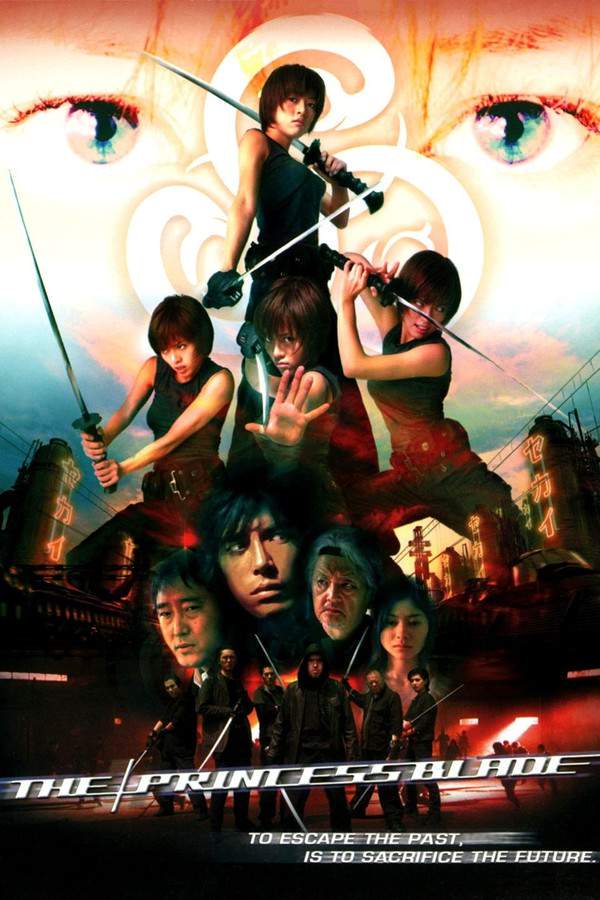
Assassin morality stories like Azumi

Assassins torn between their brutal duty and their fading humanity. If you enjoyed the moral conflict in Azumi, this section features movies like it, where assassin protagonists grapple with the heavy price of their violent lives. These films explore themes of duty, dehumanization, and redemption through a lens of intense action and drama.

  • stoic
  • morally conflicted
  • brutal
  • tragic
  • solemn
  • relentless
  • Tone: dark, morally conflicted
  • Pacing: fast, mission-driven
Why these movies?

The story pattern: The narrative typically follows a lone or group of assassins on a mission that forces them to question their purpose. The journey is often linear but punctuated by key events that test their resolve, leading to an internal crisis about the rightness of their actions and the possibility of a different path.

Why they belong together: These movies are grouped together because they share a central theme of an assassin's moral awakening. They combine high-intensity action with a dark, solemn tone and a heavy emotional weight, creating a specific subgenre focused on the psychological cost of killing.

Gritty survival stories with a found family like Azumi

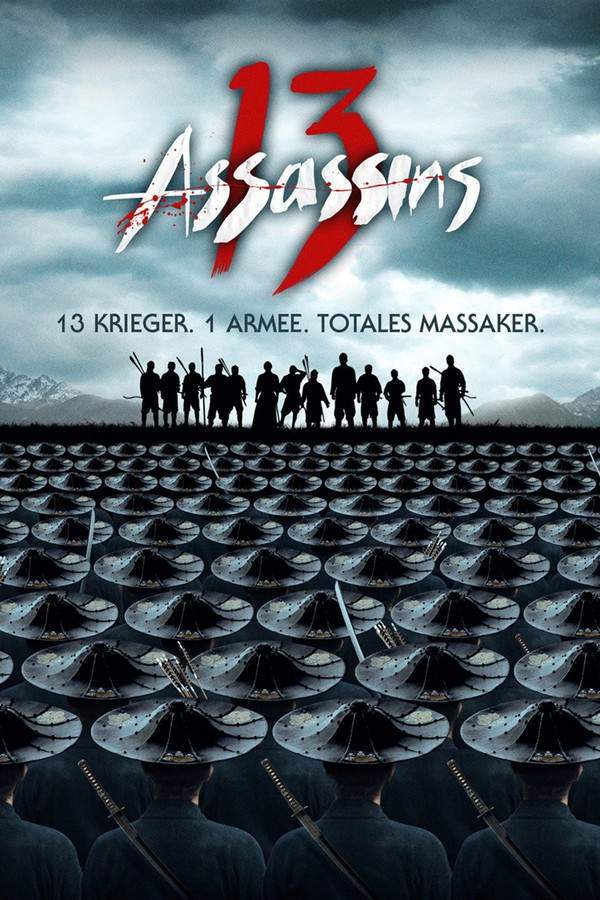
A tight-knit group fights for survival in a harsh, unforgiving world. For viewers who liked the dynamic of Azumi's assassin group, this section finds similar movies about a found family fighting to survive against overwhelming odds. These stories feature heavy themes, intense action, and deep bonds tested by a brutal world.

  • oppressive
  • gritty
  • tragic
  • relentless
  • survival
  • loyalty
  • Tone: dark, oppressive, tragic
  • Pacing: fast, relentless
Why these movies?

The story pattern: The plot revolves around the group's struggle to stay together and stay alive against a powerful enemy. The emotional core is the familial bond, which is both a source of strength and a point of vulnerability, leading to sacrifices and tragic losses that define their harrowing journey.

Why they belong together: These films are united by their focus on a surrogate family unit navigating a dark and dangerous world. They share a high-intensity, fast-paced narrative, a gritty and oppressive mood, and a heavy emotional weight derived from the constant threat to the group's survival.

If you liked this

Movies Like Azumi

Similar movies to Azumi: the same genre, themes or kind of story. Each one comes with its own plot summary, timeline and ending explained.

Browse all movie summaries

Every angle

Azumi (2006) Explained: Plot, Timeline & Characters

Everything about Azumi in one place: what happens in the plot summary, the timeline in chronological order, the characters and meaning and a spoiler-free summary. What's After the Movie adds the cast, box office and post-credit scenes.

Coming soon on iOS and Android

The Plot Explained Movie Summary App

Plot summaries, endings explained and timelines on your phone. Catch up on any movie in minutes, save your favorites and never miss a twist again.

Be the first to know when we launch. Your email stays private, always.

Learn more about the app