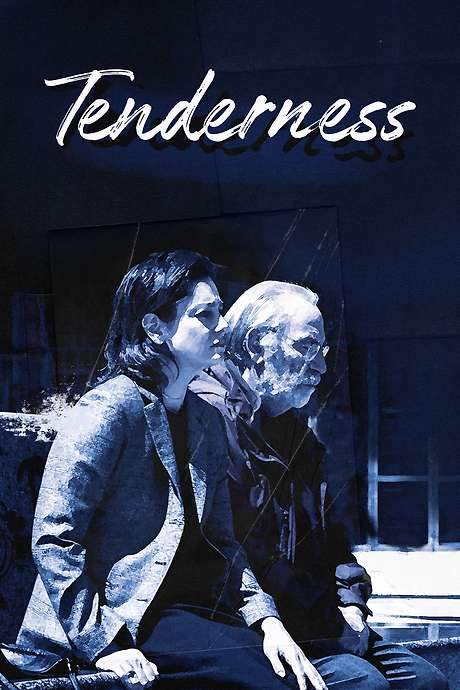
Maryam, Maudy Koesnaedi a 40-year-old woman from a Muslim family, works in a multireligious orphanage. In 1980, having become a Catholic, she moves to Ambarawa, Semarang, to work as a religious sister at the St. Stanislaus Girisonta Church after meeting seven friendly older sisters and deciding to be their assistant. Pastor Martin, Joko Anwar introduces her to senior nun Moniq, Tutie Kirana and monastery manager Mila, Olga Lydia. Maryam’s daily duties are steady and humble: she helps bathe elderly sisters, keeps the rooms clean, and prepares meals, all while navigating a world where faith and ritual color every moment of the day. She is warmly supported by Dinda, a young Muslim who frequently sends milk and food, a small but meaningful reminder of cross-cultural sisterhood within the walls of the cloister.
One day, the sisters learn that Martin is being replaced with a new pastor, Yosef Chicco Jerikho—Moniq’s foster child—until Christmas. The change is framed as a long-anticipated transition, and Yosef is soon entrusted with teaching the sisters musicianship, infusing the monastery with a new musical energy. Yosef’s skill on the violin and his easy musical intuition impress everyone, but the depth of his talent also stirs something private and strong in Maryam. As the two grow closer, a line that’s clearly marked as forbidden within the Church begins to blur, and their bond becomes a quiet, dangerous magnet that draws them toward one another.
Moniq warns Yosef about Maryam’s feelings, but her cautions fail to deter him. The two of them drift toward each other, and their connection becomes more intimate, even as the sisters sense a tension that unsettles the careful rhythms of monastery life. In a moment of desperate longing, Maryam and Yosef run together on a sunlit beach, and they share a kiss and a closeness that feels both freeing and dangerous. The scene marks a turning point: Maryam experiences guilt and puzzling doubts about her faith, and the internal conflict begins to consume her. The sisters, who had welcomed her, respond with care and concern, trying to steady her, but the pull between devotion and desire proves difficult to resist.
As Maryam wrestles with her conscience, she makes the painful decision to step back from her life at the church. She leaves the monastery after the sisters give their notice, her heart heavy with conflict and longing. The moment is bittersweet and marked by a lingering sense of what could not be reconciled. She finds herself on a city-bound train, and in a moment of reverie she imagines Yosef’s gaze upon her, a temptation to give in to a path that would sever the ties she has with her faith and community.
The tension comes to a quiet, poignant peak when Maryam returns to Girisonta’s confessional, not knowing that Yosef is the pastor there. Yosef, disguising his voice, listens as she voices her apology and remorse. He hears her confession and, in a rare display of heartbreak, silently weeps. The moment is intimate and devastating, underscoring the deep ache of a love that cannot be fully realized within the bounds they inhabit. When the moment passes and the sisters appear, Maryam exits, leaving with a heaviness that lingers in the air, a testament to the emotional and spiritual complexity that defines her choices.
In the end, the story remains a quiet meditation on faith, longing, and the weight of choices made in the shadow of prohibition. The relationship between Maryam and Yosef is portrayed with restraint, emphasizing how desire can collide with duty and how forgiveness and heartbreak can coexist in a person’s inner life. The film closes on a note that resonates with ambiguity, inviting reflection on the ways love can test conviction while still leaving a lasting imprint on the heart and faith alike.