Plot Explained Spoilers guaranteed!
Plot Explained

Browse by genre

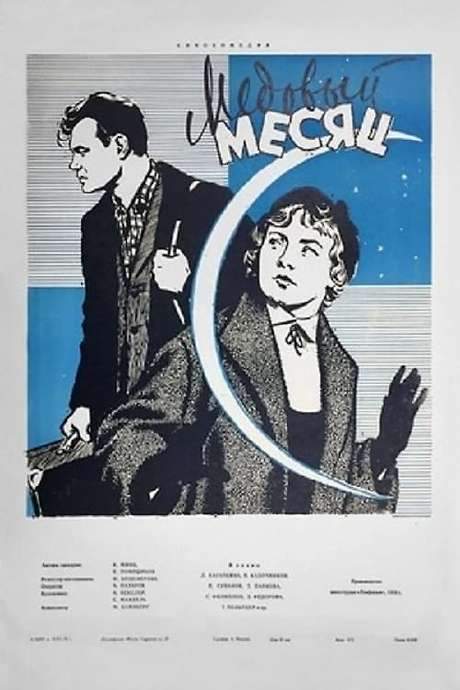
Autumn Marathon (1979) movie poster

Plot Summary

Autumn Marathon (1979) Plot Summary Explained

Release, runtime and language
1979 · 89 mins · Russian
Loading streaming availability…
Starring
Vadim Medvedev, Vladimir Grammatikov, Georgiy Daneliya, Marina Neyolova, Oleg Basilashvili, Evgeni Leonov

Andrey Pavlovich Buzykin, a teacher and translator, cheats on his wife Nina. He tells lies and lacks the courage to be honest. His lover Alla, aware of his marriage, is irritated by his excuses—late meetings and a new jacket. They leave, return, and become so fed up with his deceit that they no longer believe him even when he tells the truth.

On this page (6)
  1. 1 Where to watch
  2. 2 What happens: full plot
  3. 3 Plot questions answered
  4. 4 Movie threads
  5. 5 Movies like Autumn Marathon
  6. 6 Every angle
Loading streaming availability…

Full plot summary · contains spoilers

What Happens in Autumn Marathon: Full Plot Summary

The whole story of Autumn Marathon (1979) explained, from the opening scene to the final frame: every key event, every twist and what it all adds up to. Read it as a quick recap before the sequel, to check a scene you missed, or to finally understand what really happened.

In Leningrad, Andrey Buzykin, Oleg Basilashvili, a middle-aged translator and university lecturer, finds himself stretched between a comfortable but fading marriage to his wife, Nina Natalya Gundareva, and a younger, impulsive love with Alla Marina Neyolova who longs for a future together and a ready-made family. As Andrey tries to keep up appearances, Nina endures his infidelity with a quiet, steadfast patience, while Alla presses him to commit more fully, driven by a desire for security and a shared life. The tension between personal desire and social obligation quietly gnaws at Andrey’s sense of self, tugging him in two directions at once.

Meanwhile, Andrey’s indecision begins to seep into his work. He is dragged into obligations and situations that he would rather resist, and his professional life starts to fray. Morning runs with his Danish colleague, Professor Hansen Norbert Kuchinke, become a small theater of control where Andrey tries to project strength, even as he feels pulled apart by competing loyalties. At work, he is increasingly exposed to invasive interference from Varvara Galina Volchek, a former classmate who meddles in his affairs, complicating both his reputation and his daily routines. The atmosphere at the university grows tenser as deadlines slip and the once-stable routine becomes brittle.

As the family situation deteriorates, Andrey and Nina’s daughter Lena Olga Bogdanova makes a shattering decision of her own. She leaves home, accompanied by her husband, Viktor Dmitri Matveyev, to embark on a two-year work trip that is undertaken without consulting her parents. The move hits Nina hard, cutting deeper into a marriage that already feels frayed at the edges. The shock of Lena’s exit reverberates through the family, underscoring the widening gulf between appearances and reality. Andrey, attempting to confront his own failings, finally confesses his past affair to Nina; yet her reaction is swift and skeptical, treating the confession as just another lie, thrusting the couple further apart.

This turbulent chapter pushes Andrey toward a decisive stance. He stands his ground at work, turning down a lazy student’s request for an easy pass, and even bluntly refuses to shake hands with a colleague he dislikes, signaling a hardening of resolve and a desire to reclaim some measure of control over his life. The acts are small, but they mark a turning point in his self-definition, a choice to stop being pulled in every direction at once.

In the wake of these personal upheavals, Alla calls Andrey, testing whether the relationship can still function amid the upheaval and the changing tides of trust. For Nina, the return of questions from the past collides with new realities, and she reconsiders whether the double life she glimpsed is truly over or if it is only paused for a breath. The couple’s tension remains unresolved, hanging in the balance as the characters navigate a city that seems to grow darker and more labyrinthine by the day.

The film culminates in a quiet, intimate moment that is bathed in the glow of streetlights and the chill of night air. Andrey, having faced his own contradictions, runs through the dimming city alongside Professor Hansen, a shared sprint that becomes a symbolic race toward some unclear future. It’s a moment that blends fatigue, relief, and a hint of possibility, suggesting that while the past may press in, the road forward remains open, even if the path is uncertain.

Last updated: February 18, 2026 at 23:46

Was this helpful?

Plot questions answered

Autumn Marathon Plot Explained: Your Questions Answered

The questions people ask most about Autumn Marathon (1979): what happens in the confusing scenes, why the characters do what they do, the twists, hidden details and what the ending means. Each answer contains spoilers.

Q1

Why doesn't Nina believe Andrey when he confesses that the affair is over?

Nina doesn't believe Andrey's confession because she has been conditioned by years of his lies and deception. Throughout their marriage, Andrey made endless excuses for his late meetings and suspicious behavior, blaming work, claiming he bought a new jacket, and constantly lying about his whereabouts. By the time he finally tells the truth, his credibility is completely destroyed. When he confesses, Nina instantly assumes it's just another manipulation, possibly designed to test her reaction or gain sympathy. The tragic irony is that his one moment of honesty is interpreted as his biggest lie.

Foreshadowing: Earlier scenes establish Andrey's pattern of elaborate excuses, making Nina's skepticism logically inevitable.

  • nina
  • andrey confession
  • distrust
  • marriage
  • lies
Q2

Why does Alla continue the relationship with Andrey despite his constant excuses?

Alla remains with Andrey because she genuinely wants to build a future with him, she longs for a ready-made family and security. Her frustration grows progressively throughout the film as Andrey's excuses become increasingly transparent and pathetic. The timeline shows she signals her intention to end the affair as her frustration reaches its peak. She's not naively believing him; rather, she's holding onto hope that he will eventually choose her definitively. When that commitment never comes, she reaches her breaking point.

Foreshadowing: The early relationship dynamics show Alla pressing Andrey to commit and start a family, revealing her deeper motivation for staying.

  • alla
  • andrey
  • lover
  • commitment
  • frustration
Q3

What triggers Andrey's sudden decision to stand up for himself at work?

Foreshadowing: Andrey's professional deterioration mirrors his personal failures, and his moment of confession at home creates a psychological shift that empowers him to reclaim control elsewhere.

  • andrey
  • work
  • varvara
  • boundaries
  • assertiveness
Q4

Why does Lena leave home suddenly without consulting her parents?

Lena's decision to leave with her husband for a two-year work trip reflects the broader theme of family breakdown in the film. Her departure without consultation signals a profound disconnect in the family dynamic, she doesn't feel she can or should discuss her plans with her parents. This act underscores how Andrey's infidelity has poisoned the household atmosphere, creating distance between family members. The timing, occurring in the middle of the family's crisis, suggests Lena is escaping a toxic environment rather than simply pursuing a career opportunity.

Foreshadowing: The deteriorating marriage creates an unspoken tension that permeates the household, pushing family members apart.

  • lena
  • daughter
  • departure
  • family
  • work trip
Q5

What do the morning runs with Professor Hansen represent in the story?

The morning runs function as a recurring motif symbolizing Andrey's lack of control over his own life. He resents being roped into these runs by the Danish colleague but cannot refuse, a perfect metaphor for how he allows others to dictate his schedule and choices. The runs also represent his attempt to project strength and vitality while internally he feels fragmented. In the closing scene, the final run through dark city streets becomes an image of his ongoing struggle: he's moving forward, but toward what remains unclear. The marathon in the title connects to this endurance theme.

Foreshadowing: The first morning run establishes the power dynamic where Andrey cannot say no, setting up the recurring pattern of his passivity.

  • hansen
  • morning runs
  • motif
  • control
  • marathon
Q6

Why does Varvara interfere in Andrey's personal and professional life?

Varvara, described as a former classmate, exploits Andrey's vulnerable state and uses her position to meddle in his affairs. Her interference represents another external force pulling Andrey in directions he doesn't want to go. The summary indicates she intrudes on his personal matters specifically when he's at his most fragile. Her actions increase the pressure on Andrey to make definitive choices, contributing to his mounting stress. She represents the broader theme of how others manipulate those who lack the strength to assert themselves.

Foreshadowing: Varvara's re-entrance into Andrey's life coincides with his professional decline, showing how his personal weakness invites external interference.

  • varvara
  • interference
  • colleague
  • workplace
  • manipulation
Q7

Why does Nina return home after leaving?

Nina returns home because despite her anger and distrust, she still has not resolved her feelings about the marriage. When she leaves after Andrey's confession, she acts on impulse, but her quick return suggests she's not ready to fully abandon the relationship. Her return raises the central question of whether she genuinely believes Andrey might be telling the truth this time, or whether she's simply unable to leave. The film leaves this tension deliberately unresolved, reflecting the ambiguous state of their marriage.

Foreshadowing: Nina's pattern of quiet endurance throughout the film suggests she's not a woman who easily walks away, making her return consistent with her character.

  • nina
  • return
  • marriage
  • trust
  • ambiguity
Q8

What does Andrey's final run through the city streets signify?

The final run symbolizes Andrey's ongoing struggle without clear resolution. After finally asserting himself at work and confessing to Nina, he chooses to run through the darkening city alongside Professor Hansen, a man who represents the forced obligations he resents. The image suggests he's still caught in the same cycle, still moving without clear direction. He's neither fully committed to his marriage nor fully free from his lover. The dark streets and cold air create a melancholic atmosphere, leaving viewers with the sense that while Andrey has made small steps toward self-respect, he remains fundamentally unfixed.

Foreshadowing: The recurring run motif throughout the film establishes this final run as the culmination of his unchanged pattern.

  • ending
  • running
  • resolution
  • ambiguity
  • future
Q9

How does Andrey's indecision affect his professional reputation?

Andrey's inability to make decisions in his personal life bleeds directly into his work. The summary describes him being dragged into obligations he'd rather resist, missing deadlines, and losing the respect of colleagues. His distraction from personal turmoil makes him ineffective as a lecturer and translator. Students feel the impact of his decreased engagement, and his once-stable professional reputation becomes tarnished. The parallel between his personal weakness (inability to choose between two women) and his professional weakness (inability to refuse unwanted tasks) shows how his fundamental character flaw infects every aspect of his life.

Foreshadowing: Early scenes establish Andrey as competent at work before his personal crisis begins affecting his performance.

  • andrey
  • work
  • reputation
  • indecision
  • deadlines
Q10

What is the significance of the title Autumn Marathon in relation to the story?

The title Autumn Marathon reflects the film's central metaphor of endurance and exhaustion. Like a marathon, Andrey is engaged in a long, grueling struggle that offers no clear finish line. The autumn setting suggests a time of decline and approaching end, mirroring the dying state of his marriage and his own sense of futility. Just as a marathon runner persists despite fatigue, Andrey continues his exhausting routine of lies, excuses, and running between two women. The title captures both the physical motif of running and the emotional exhaustion of a man who cannot find his way to a decisive conclusion.

Foreshadowing: The recurring run sequences and the title's marathon reference establish endurance as the story's defining theme from the beginning.

  • title
  • marathon
  • autumn
  • metaphor
  • endurance

Movie threads

More Movies Like Autumn Marathon, by Mood & Story

Curated lists built around what makes Autumn Marathon tick: the same mood, the same kind of story or the same emotional payoff. Each list explains why these movies belong together.

Movies about Paralysis of Indecision like Autumn Marathon

Character studies of men immobilized by their inability to make life-altering choices. If you liked Autumn Marathon for its portrait of a man paralyzed by his own dishonesty, you'll find similar character studies here. These films explore protagonists trapped by indecision, often leading to marital strain and personal failure, capturing a specific brand of melancholy and frustration.

  • introspective
  • weary
  • anxious
  • frustrated
  • melancholic
  • midlife crisis
  • Tone: melancholic, introspective, weary
  • Pacing: steady, observational
Why these movies?

The story pattern: Narratives in this thread typically follow a linear, observational path, charting the protagonist's gradual decline as their web of deceit tightens. There is rarely a single climactic event; instead, the drama unfolds through a series of small failures and compromised moments, building a portrait of emotional exhaustion.

Why they belong together: These movies are grouped together because they share a focus on the quiet drama of internal conflict. They prioritize a melancholic, introspective mood, a steady, character-driven pace, and a medium emotional weight that stems from witnessing relatable human weakness rather than overt tragedy.

Movies with a Melancholy of Everyday Failures vibe like Autumn Marathon

Stories where personal decay unfolds in the quiet, ordinary moments of life. Fans of Autumn Marathon's weary, autumnal atmosphere will appreciate these films. They share a focus on the quiet sadness of ordinary life, where characters grapple with infidelity, deception, and emotional fatigue in a steady, introspective manner, leaving a bittersweet or ambiguous impression.

  • melancholic
  • autumnal
  • weary
  • introspective
  • relieved
  • frustrated
  • Tone: melancholic, weary, bittersweet
  • Pacing: steady, deliberate
Why these movies?

The story pattern: The narrative pattern is one of gradual accumulation. Small lies, missed connections, and minor failures build upon each other, creating a portrait of a life in quiet disarray. The plot is less about external events and more about the internal emotional landscape, often culminating in an ambiguous ending that reflects the ongoing nature of the struggle.

Why they belong together: This thread connects films that master a specific, subdued emotional tone. They blend melancholy with a touch of relatable comedy, maintain a steady pacing that allows for introspection, and focus on themes of deception and emotional fatigue, resulting in a coherent 'autumnal' vibe.

If you liked this

Movies Like Autumn Marathon

Similar movies to Autumn Marathon: the same genre, themes or kind of story. Each one comes with its own plot summary, timeline and ending explained.

Browse all movie summaries

Every angle

Autumn Marathon (1979) Explained: Plot, Timeline & Characters

Everything about Autumn Marathon in one place: what happens in the plot summary, the timeline in chronological order, the characters and meaning and a spoiler-free summary. What's After the Movie adds the cast, box office and post-credit scenes.

Coming soon on iOS and Android

The Plot Explained Movie Summary App

Plot summaries, endings explained and timelines on your phone. Catch up on any movie in minutes, save your favorites and never miss a twist again.

Be the first to know when we launch. Your email stays private, always.

Learn more about the app