
Australian Rules
Year: 2002
Runtime: 95 mins
Language: English
Director: Paul Goldman
Gary Black (Nathan Phillips) and Dumby Red (Luke Carroll) play together on a coastal Australian football team, but local racism separates them—Gary is white and Dumby is Aboriginal. When another Indigenous player is implicated in a crime, Dumby, star, is unfairly demoted and Gary takes his spot, forcing Gary to confront prejudice before tragedy.
Warning: spoilers below!
Haven’t seen Australian Rules yet? This summary contains major spoilers. Bookmark the page, watch the movie, and come back for the full breakdown. If you're ready, scroll on and relive the story!
Timeline – Australian Rules (2002)
Trace every key event in Australian Rules (2002) with our detailed, chronological timeline. Perfect for unpacking nonlinear stories, spotting hidden connections, and understanding how each scene builds toward the film’s climax. Whether you're revisiting or decoding for the first time, this timeline gives you the full picture.
Last updated: October 09, 2025 at 15:24
Australian Rules (2002) Timeline Questions Answered – Chronology FAQ
Find frequently asked questions about the Australian Rules (2002) timeline, including chronological order, nonlinear jumps, cause-and-effect links, and scene sequence clarifications. This timeline FAQ helps explain when key events happen, how moments connect, and why the story unfolds in that specific order.
Why did Dumby pass the ball instead of shooting in the grand final?
Dumby chose to pass to a teammate instead of taking the shot himself because the defense was closing in on him. While it appeared to be an unselfish play meant to keep the defense honest, many viewers see it as a moment where Dumby's character prioritized team harmony over personal glory. This decision set up the controversial ending where Blacky had to stop Thumper from scoring.
The pass mirrors Dumby's later frustration when his own glory was taken by the coach's son.
Why did Dumby and Pretty try to rob the bar after the grand final?
Dumby was furious after being denied the best-on-ground medal, which he felt was given to Mark Robertson (the coach's son) due to racial bias. Together with his cousin Pretty, Dumby planned to break into the bar, rob the safe, and recover the medal they believed he deserved. Their anger and sense of injustice drove them to commit the robbery.
The medal controversy directly motivates Dumby's criminal act and ultimately leads to his death.
How did Bob Black end up shooting and killing Dumby?
Bob Black woke to find the bar owner injured and unconscious. He loaded a double-barreled shotgun and sneaked into the bar where Dumby and Pretty were attempting to open the safe. In the darkness, Bob approached from behind and fired, not knowing it was Dumby. He discovered he had killed his own son's best friend. Pretty then revealed himself, fired into the ceiling, and escaped.
Bob's violent temper and growing prejudice throughout the film make this tragic encounter feel like an inevitable escalation.
Why was Bob released by police after killing Dumby?
Bob was questioned by police but released on the grounds of self-defence. The police apparently accepted his claim that he believed he was confronting armed intruders in his home town bar. With Dumby and Pretty masked and the situation chaotic, Bob's story was deemed plausible enough not to press charges, though the community clearly viewed it as unjust.
This decision fuels the racial tensions that escalate throughout the film.
Why did Gary toss his premiership trophy into the ocean?
Gary was devastated by Dumby's death, viewing the premiership victory as hollow and overshadowed by tragedy. The trophy represented a win that came at the cost of his best friend's life. In a moment of anger and grief, he threw the trophy into the ocean, symbolizing his rejection of the success that felt meaningless without Dumby.
This act marks Gary's turning point from caring about football to rejecting the town's values.
How did Gary and Clarence's relationship develop?
Gary and Clarence already knew each other through Dumby, but their connection deepened after Dumby's death when they found solace in each other's grief. They began a romance while navigating the hostile environment of Prospect Bay. Their relationship was also forbidden by Gary's father Bob, who violently opposed any interaction between his son and Aboriginal people.
Their shared grief over Dumby binds them together, while Bob's racism creates the ultimate conflict.
Why did Bob beat Gary and throw Clarence out of the house?
Bob discovered Clarence in Gary's room one morning after they had spent the night together. Enraged, Bob beat Gary and racially insulted Clarence before throwing her out of the house. This incident revealed the depth of Bob's prejudice and intolerance, pushing Gary to finally stand up to his father and leave home.
This violent confrontation directly causes Gary to abandon his family and the town.
What happened to the football team after Dumby's death?
After Dumby's death and the escalating racial tensions, the football team dissolved. Aboriginal players stopped showing up to train or play, and the community that had been held together by the sport fragmented completely. The team that once bridged both communities became another casualty of the town's deep racial divisions.
Football was the thread connecting the two communities; its loss mirrors the community's complete breakdown.
Why did Gary place the best-on-ground medal in Dumby's casket?
Gary attended Dumby's funeral and placed the medal in Dumby's casket as a tribute and act of reconciliation. The medal represented what Dumby was owed but denied, the recognition of his skill and contribution to the team's victory. By returning it to Dumby, Gary symbolically acknowledged the injustice and honored his friend's legacy.
This act provides closure and shows Gary's growth in understanding racial injustice.
What happens at the end of Australian Rules?
The film ends with Gary and Clarence jumping into the ocean together and swimming away. Gary narrates that they will both be leaving Prospect Bay soon, as there is nothing left for them in the town. The ending is bleak, they are escaping a broken community destroyed by racism and violence, with no resolution to the central conflicts.
Their escape represents the only possible outcome in a town consumed by prejudice and loss.

Explore Movie Threads
Discover curated groups of movies connected by mood, themes, and story style. Browse collections built around emotion, atmosphere, and narrative focus to easily find films that match what you feel like watching right now.
Movies like Australian Rules about small-town prejudice and tragedy
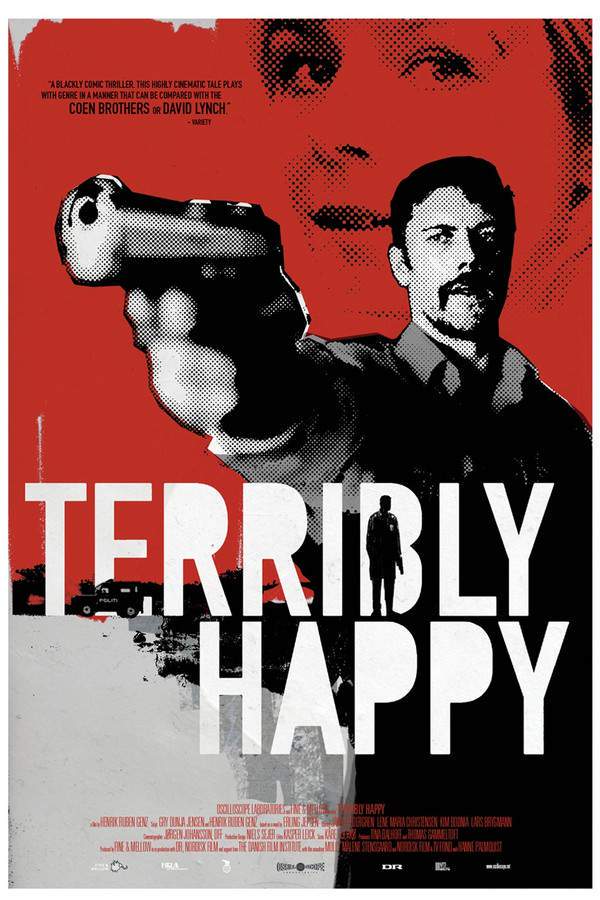
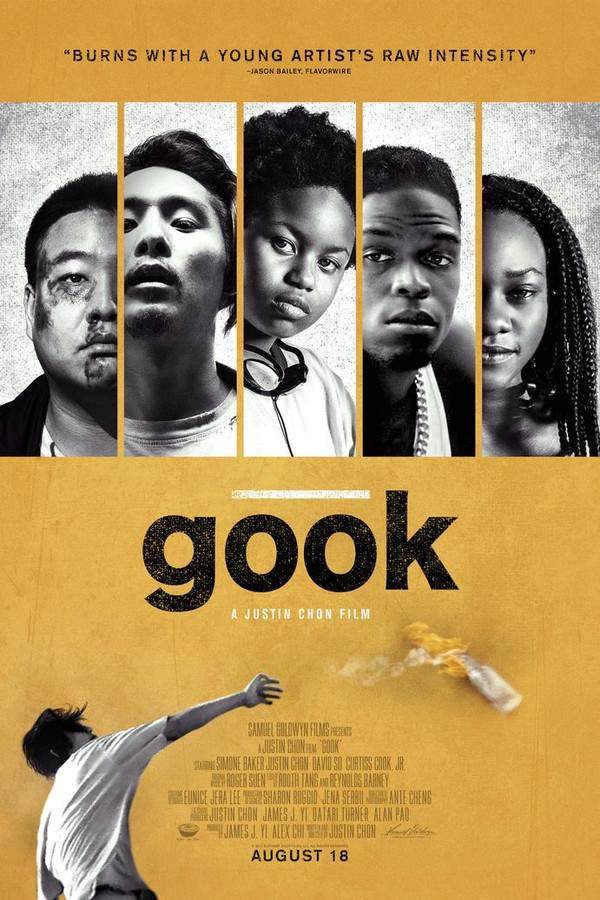
Friendships shattered by deep-seated bigotry in tightly-knit, oppressive communities.If you were moved by the tragic story in Australian Rules, this collection features similar dramas where deep-seated racism and small-town claustrophobia lead to heartbreaking consequences. Discover other powerful movies about friendship tested by prejudice and communities shattered by violence.




Narrative Summary
These stories typically unfold in isolated settings where social tensions are simmering beneath the surface. A central, often cross-cultural friendship becomes the focal point of the community's conflict. The narrative builds steadily towards a catalyst event—frequently an act of violence—that exposes the town's bigotry, resulting in profound grief, shattered innocence, and a bleak realization of injustice.
Why These Movies?
Movies are grouped here for their shared exploration of how prejudice acts as a destructive force within a community. They share a dark, oppressive tone, a steady pacing that builds to a tragic climax, and a heavy emotional weight stemming from loss and the failure to overcome systemic hatred.
Bleak coming-of-age stories with heavy themes like Australian Rules
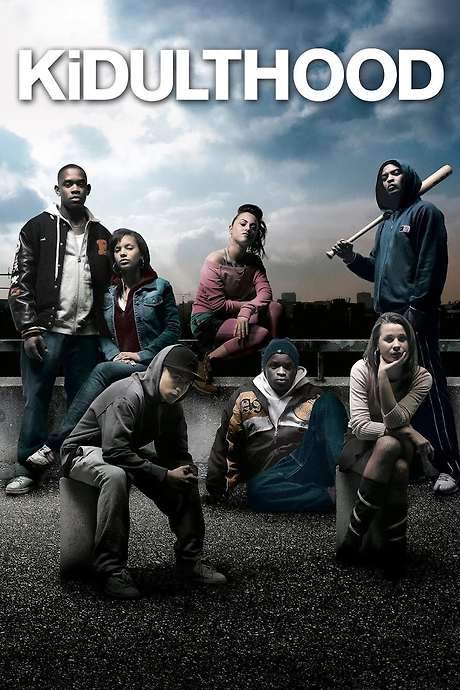
Young protagonists whose innocence is violently stripped away by a cruel world.For viewers who appreciated the harsh realism of Australian Rules, this section gathers movies about young people confronting systemic injustice and violence. These are not hopeful tales of growth, but powerful dramas about innocence lost and the heavy burden of truth in a flawed world.













Narrative Summary
The narrative follows a young protagonist navigating a world marked by injustice, violence, or systemic failure. Their idealistic view is methodically dismantled by traumatic events, often involving the loss of a friend or mentor. The story arc is defined by disillusionment rather than triumph, ending with the character wiser but deeply scarred, often having to escape their environment to survive.
Why These Movies?
These films are connected by their dark, gritty tone and their focus on the painful transition from childhood to adulthood. They share a steady, character-driven pacing that builds towards a moment of irreversible trauma, resulting in a bleak ending and carrying a consistently heavy emotional weight.
Unlock the Full Story of Australian Rules
Don't stop at just watching - explore Australian Rules in full detail. From the complete plot summary and scene-by-scene timeline to character breakdowns, thematic analysis, and a deep dive into the ending - every page helps you truly understand what Australian Rules is all about. Plus, discover what's next after the movie.
Australian Rules Summary
Read a complete plot summary of Australian Rules, including all key story points, character arcs, and turning points. This in-depth recap is ideal for understanding the narrative structure or reviewing what happened in the movie.

Characters, Settings & Themes in Australian Rules
Discover the characters, locations, and core themes that shape Australian Rules. Get insights into symbolic elements, setting significance, and deeper narrative meaning - ideal for thematic analysis and movie breakdowns.


