Plot Explained Spoilers guaranteed!
Plot Explained

Browse by genre

Atomic Train (1000) movie poster

Plot Summary

Atomic Train (1000) Plot Summary Explained

Release, runtime and language
1000 · 122 mins · English
Loading streaming availability…
Directed by
Dick Lowry, David Jackson
Starring
Kristin Davis, Rob Lowe, Eric Johnson, Erik King, Esai Morales, John Finn

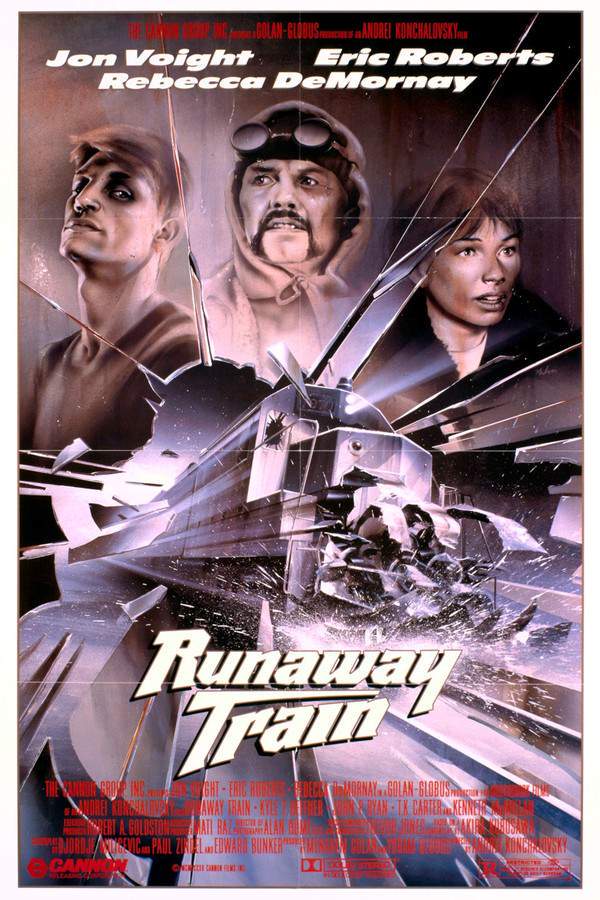
A runaway train hauling a Russian atomic weapon races toward catastrophe, leaving minutes to prevent disaster. Renegade NTSB investigator John Seger is the only one who can halt the speeding locomotive before the deadly cargo detonates, as the clock ticks down and the nation faces an unprecedented threat.

On this page (7)
  1. 1 Where to watch
  2. 2 What happens: full plot
  3. 3 Plot questions answered
  4. 4 Movie threads
  5. 5 Movies like Atomic Train
  6. 6 Categories
  7. 7 Every angle
Loading streaming availability…

Full plot summary · contains spoilers

What Happens in Atomic Train: Full Plot Summary

The whole story of Atomic Train (1000) explained, from the opening scene to the final frame: every key event, every twist and what it all adds up to. Read it as a quick recap before the sequel, to check a scene you missed, or to finally understand what really happened.

In Stillwater, Utah, a routine transport handled by Bradshaw Disposal Services carries a dangerous secret: a Russian nuclear bomb tucked away on a freight train loaded with hazardous and flammable chemicals, heading toward Denver. An employee, John Henry Bradshaw, makes a decision to cut costs by concealing the bomb on the rail freight, setting in motion a chain of life-or-death events that grip the region. The train loses all brakes when its air hoses detach, unleashing a high-speed runaway that spirals toward Denver.

Wally Phister played by John Finn is the lead engineer on the track, and he endures a brutal moment as he crushes his hand while attempting to reconnect the hoses before the portable derailer set up by the Denver Railway Control at Silver Gorge can be engaged. The crisis triggers a tense scramble among the railroad crew, the dispatchers, and the rescuers racing to avert catastrophe.

John Seger played by Rob Lowe is a National Transportation Safety Board investigator who is alerted to the unfolding disaster. He boards a chasing locomotive and, with the aid of a helicopter pilot named Ray, closes the distance to the runaway train. As the danger escalates, other Bradshaw Disposal Systems staff attempt a planned derailment, but a warning from a fellow employee reveals the bomb’s presence, forcing John to catch up and instead couple to the runaway to try to slow it down. He succeeds briefly, but the critical couplers fail, and he must board the train to continue the fight.

Tragically, Brakeman Stan Atkins is killed when he is thrown from the caboose onto the tracks, a stark reminder of the cost of the attempt to halt the runaway. Lieutenant Colonel Tom Levy from NEST remains in contact, tasking John with corroborating the warnings and validating the threat as the train nears its fatal mountain approach. Eventually, John locates the bomb inside a boxcar and communicates the discovery to Denver Railroad Control, sparking chaotic evacuations and a city-wide scramble to prepare for the worst.

As the train ascends Jackson Summit, the final peak before Denver, John makes a desperate bid to stop it by jamming the electrical lock with a crowbar. The move buys a moment of control, but it is fleeting. Ray ignores orders and races forward in a bid to rescue the crew, only to discover too late that the runaway is slowing in a dangerous way. The chaser locomotive slams into the caboose, breaking the brakes and sending the train speeding uphill once more toward disaster.

With no viable way to halt the doomed train, John persuades Wally to abandon the locomotive and jump clear. The last crew member left behind, conductor Stan Atkins, had attempted to reconnect the air hoses but paid the ultimate price. The unmanned train races down the mountainside and derails at Millers Bend, near Denver, where the chemicals on the wreckage ignite in a blazing inferno.

Firefighters and military teams fight to contain the blaze and recover the bomb, but the site proves volatile. Reuben Castillo, Reuben Castillo played by [Blu Mankuma], volunteers to disarm the device himself, underscoring the immense courage of those on the ground. A dangerous sequence follows as a liquid metallic sodium leak arises, and Tom Levy attempts to counter the threat with water. A miscommunication at the helicopter crew leads to water being dumped onto the wreck, triggering a nuclear explosion and an electromagnetic pulse that wipes out electricity across Denver and sends a shockwave ripping through parts of the city. Thousands perish or are injured, yet John and his family survive the onslaught.

Denver lies in ruin, and John faces a painful decision as he tries to get his family out ahead of the fallout. The EMP leaves most vehicles immobile, complicating escape. Megan Seger, played by Kristin Davis, along with her children Grace Seger, Mena Suvari, and Danny, Danny played by Eric Johnson, manage to board a bus bound for Eminence, Kansas, where FEMA has established a refugee shelter. Yet John makes a hold-fast choice: he will stay behind to pursue the family’s safety and attempt to reunite them in a safer place.

Megan’s ex-husband, Mac, leads the children Chance and Grace through the old coal mines in search of a quicker route out of Denver. Caught in the treacherous environment, Mac is severely injured, and Chance is left dangling over a hazardous drop as John fights against the clock to pull him to safety. In the end, John’s determination pays off: he rescues Chance and ensures that Grace, Chance, and Megan reach the FEMA shelter. The Seger family is finally reunited, discovering a fragile hope amid the devastation.

The aftermath of the catastrophe tests every member of the family and the responders, but the bond between John and his loved ones remains intact as they begin anew at the Eminence refugee camp, with the promise of brighter days ahead despite the scars of the day Denver faced an unimaginable threat.

Last updated: December 04, 2025 at 15:32

Was this helpful?

Plot questions answered

Atomic Train Plot Explained: Your Questions Answered

The questions people ask most about Atomic Train (1000): what happens in the confusing scenes, why the characters do what they do, the twists, hidden details and what the ending means. Each answer contains spoilers.

Q1

Why was the nuclear bomb hidden on the freight train?

John Henry Bradshaw, an employee at Bradshaw Disposal Services, made a decision to cut costs by concealing a Russian nuclear bomb on the freight train. He hid it among hazardous and flammable chemicals heading from Stillwater, Utah to Denver. This cost-cutting decision set in motion the chain of life-or-death events that followed.

  • nuclear bomb
  • bradshaw disposal
  • denver
  • stillwater
  • utah
  • cost cutting
Q2

How did the train become a runaway?

The train lost all its brakes when the air hoses detached during transit. This mechanical failure sent the train into a high-speed runaway heading toward Denver. Lead engineer Wally Phister frantically tried to reconnect the hoses but was seriously injured in the attempt, crushing his hand.

  • runaway train
  • brakes failure
  • air hoses
  • wally phister
  • silver gorge
Q3

Why was the planned derailment aborted?

Once Bradshaw Disposal staff revealed the presence of the nuclear bomb on the train, the planned derailment had to be aborted. Derailing the train risked detonating the bomb and causing a nuclear catastrophe. This forced John Seger to pursue a different strategy of catching up and coupling to the runaway to slow it down instead.

  • derailment
  • bomb threat
  • nuclear
  • abort
  • john seger
Q4

What happened to Brakeman Stan Atkins?

Brakeman Stan Atkins was killed when he was thrown from the caboose onto the tracks during the chaos of the runaway train pursuit. His death underscored the deadly stakes of attempting to halt the train. Later, another crew member also died while attempting to reconnect the air hoses at Millers Bend.

  • stan atkins
  • brakeman
  • death
  • caboose
  • killed
Q5

How did John Seger locate the bomb on the train?

NTSB investigator John Seger boarded the runaway train and searched through the boxcars until he located the nuclear device. He then communicated the discovery to Denver Railroad Control, which triggered chaotic evacuations across the city. Lieutenant Colonel Tom Levy from NEST had tasked John with corroborating the bomb warnings.

  • bomb location
  • boxcar
  • john seger
  • nest
  • tom levy
  • denver control
Q6

Why did the crowbar braking attempt at Jackson Summit fail?

John Seger tried to stop the train by jamming the electrical lock with a crowbar at Jackson Summit, which bought a momentary braking effect. However, the reprieve was fleeting as the train continued its deadly descent. Meanwhile, pilot Ray pushed forward to rescue the crew, causing the chasing locomotive to slam into the caboose and break the brakes, making the situation even worse.

  • jackson summit
  • crowbar
  • electrical lock
  • ray
  • brakes failed
Q7

Why did dumping water on the wreck cause a nuclear explosion?

After the train derailed at Millers Bend, liquid metallic sodium began leaking from the bomb. NEST Commander Reuben Castillo attempted to disarm the device while Tom Levy ordered water to be used to counter the sodium threat. However, a helicopter crew misheard the order and dumped water directly onto the wreck, triggering a nuclear explosion.

Foreshadowing: The earlier sodium leak was introduced as a dangerous complication before the fatal miscommunication.

  • sodium leak
  • nuclear explosion
  • water dump
  • millers bend
  • reuben castillo
  • helicopter
Q8

Why was the EMP so devastating to Denver?

The nuclear explosion triggered an electromagnetic pulse that wiped out all electricity across Denver. This EMP disabled most vehicles, crippled infrastructure, and sent shockwaves rippling through parts of the city. Thousands of people were killed or injured as the city collapsed into chaos and devastation.

  • emp
  • electromagnetic pulse
  • denver
  • infrastructure
  • vehicles disabled
  • city devastation
Q9

How did John Seger and his family survive the nuclear explosion?

John Seger and his family survived because they were outside the immediate blast zone when the nuclear explosion occurred. His wife Megan and children managed to board a FEMA bus heading to Eminence, Kansas. John stayed behind to help rescue his stepson Chance from the mines, and the family eventually reunited at the refugee camp.

  • john seger family
  • megan
  • chance
  • grace
  • survived
  • eminence
  • kansas
  • fema camp
Q10

How did Mac die in the aftermath?

Megan Seger's ex-husband Mac led Chance and Grace through old coal mines to escape Denver after the EMP disabled vehicles. During the escape, Mac was severely injured in the treacherous mine environment. He ultimately sacrificed himself to save Chance from dangling over a hazardous drop, using his own body to ensure the child's survival.

  • mac
  • death
  • coal mines
  • sacrifice
  • chance
  • denver escape
Q11

Why did Ray's rescue attempt make the situation worse?

Pilot Ray ignored orders and raced forward in an attempt to rescue the crew from the runaway train. However, his chaser locomotive slammed into the caboose at high speed, breaking the brakes that John had desperately tried to maintain. This caused the train to speed up again toward the mountains, worsening an already catastrophic situation.

  • ray
  • rescue attempt
  • caboose collision
  • brakes broken
  • pilot error
Q12

Why was there no way to stop the runaway train?

After multiple failed attempts including the crowbar brake, coupler failures, and the crew's inability to reconnect the air hoses, John Seger realized the train could not be stopped. The brakes were completely compromised and the train was unmanned after the crew jumped to safety. John convinced the remaining crew member Wally Phister to abandon the locomotive before the inevitable derailment at Millers Bend.

  • can t stop
  • unmanned train
  • wally phister
  • derailment
  • millers bend
  • crew escape

Movie threads

More Movies Like Atomic Train, by Mood & Story

Curated lists built around what makes Atomic Train tick: the same mood, the same kind of story or the same emotional payoff. Each list explains why these movies belong together.

Thrillers about preventing disaster like Atomic Train

A single hero races against an unstoppable catastrophe threatening thousands. If you enjoyed the high-stakes tension of Atomic Train, this collection features movies with similar plots. Find other thrilling stories where a lone expert must use their skills to prevent a large-scale catastrophe against a ticking clock.

  • ticking clock
  • urgent
  • nerve-wracking
  • desperate
  • catastrophic
  • procedural
  • Tone: tense, urgent, grim
  • Pacing: fast, relentless
Why these movies?

The story pattern: Narratives in this thread follow a linear, high-pressure trajectory. They introduce a clear, overwhelming threat and focus on the procedural steps a protagonist takes to stop it. The drama comes from escalating stakes, technical challenges, and the immense pressure of time, creating a relentless forward momentum.

Why they belong together: Movies are grouped here for their shared focus on a race-against-time plot structure, a high-intensity atmosphere of imminent doom, and the central theme of individual sacrifice and expertise pitted against a massive technological or natural threat.

Movies with bittersweet endings after disaster like Atomic Train

Personal hope endures, but only after a backdrop of widespread tragedy and loss. For viewers who appreciated the poignant ending of Atomic Train, this thread gathers movies that share a similar emotional mix. Discover stories where personal survival or reunion comes at a great cost, set against a backdrop of widespread ruin and loss.

  • tragic
  • somber
  • costly victory
  • post-disaster
  • emotional weight
  • survival guilt
  • Tone: tense, tragic, bittersweet
  • Pacing: fast, then reflective
Why these movies?

The story pattern: The emotional journey follows a path of high-tension survival leading to a resolution that is both hopeful and deeply sad. The narrative doesn't shy away from significant collateral damage, ensuring that the personal win for the characters is tempered by the sobering reality of the sacrifices made and the devastation left behind.

Why they belong together: These films are united by their specific emotional blend: they deliver on intense, high-stakes action but culminate in an ending that is bittersweet or heavy. The focus is on the emotional cost of survival, making the victory feel earned yet somber.

If you liked this

Movies Like Atomic Train

Similar movies to Atomic Train: the same genre, themes or kind of story. Each one comes with its own plot summary, timeline and ending explained.

Browse all movie summaries

Categories

Movie Lists Featuring Atomic Train

Atomic Train appears in these hand-built movie categories. Each one groups movies by a specific mood, theme or story type, with their plot summaries and endings explained.

View all movie categories

Every angle

Atomic Train (1000) Explained: Plot, Timeline & Characters

Everything about Atomic Train in one place: what happens in the plot summary, the timeline in chronological order, the characters and meaning and a spoiler-free summary. What's After the Movie adds the cast, box office and post-credit scenes.

Coming soon on iOS and Android

The Plot Explained Movie Summary App

Plot summaries, endings explained and timelines on your phone. Catch up on any movie in minutes, save your favorites and never miss a twist again.

Be the first to know when we launch. Your email stays private, always.

Learn more about the app