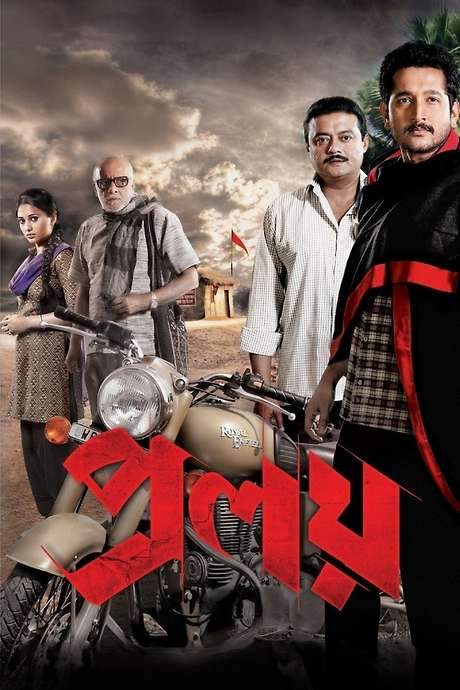


Aruvi

Aruvi

Year: 2016

Runtime: 122 mins

Language: Tamil

Director: Arun Prabu Purushothaman

Drama

Born into a rapidly changing world dominated by consumerism and social pressures, a young woman struggles to find her place. Feeling alienated and unable to conform, she rebels against societal norms and decides to confront the people around her, leading to unexpected consequences.

Where to Watch Aruvi?

Find where to stream, rent, or buy Aruvi (2016) in the US with current JustWatch availability, up-to-date pricing, and platform listings for subscription, rental, and digital purchase options.

Streaming availability powered by JustWatch

Warning: spoilers below!

Haven’t seen Aruvi yet? This summary contains major spoilers. Bookmark the page, watch the movie, and come back for the full breakdown. If you're ready, scroll on and relive the story!

Timeline & Setting – Aruvi (2016)

Explore the full timeline and setting of Aruvi (2016). Follow every major event in chronological order and see how the environment shapes the story, characters, and dramatic tension.

Time period

Late 2010s

The events unfold in contemporary India, with modern media, reality television, and social media playing pivotal roles. The narrative sits firmly in a present-day context where public perception can be shaped by sensational programming. The era emphasizes current societal pressures around gender, sexuality, health, and morality.

Location

Tamil Nadu, India

Set in Tamil Nadu, India, the story moves between urban spaces like college campuses and NGO offices to a television studio and a rural village. It depicts a middle-class milieu where family, friends, and community judgment intersect with media sensationalism. The setting highlights the social landscape in which stigma and solidarity unfold.

🗺️ Tamil Nadu 🎬 TV culture

Last updated: October 03, 2025 at 06:13

Was this helpful?

Main Characters – Aruvi (2016)

Meet the key characters of Aruvi (2016), with detailed profiles, motivations, and roles in the plot. Understand their emotional journeys and what they reveal about the film’s deeper themes.

Aruvi (Aditi Balan)

Protagonist Aruvi is a kind, unassuming young woman whose life is upended by family rupture and pervasive social judgment. She confronts a two-year AIDS diagnosis and a hostile environment that tries to silence her truth. During the hostage crisis, she rises as a reluctant leader, choosing empathy and connection over vengeance. Her resilience and desire for acknowledgment drive the emotional core of the story.

🕊️ Protagonist 🧭 Resilience 🩺 AIDS stigma

Emily

Aruvi’s college friend who shares a home with Jessy; resourceful and supportive, she helps bring Aruvi’s story into public view. She is a transgender woman who embodies solidarity within the NGO and media circles. Emily’s actions underscore the themes of friendship and collective struggle against societal prejudice.

🤝 Friendship 🏳️‍⚧️ Transgender ally

Shobana (Lakshmi Gopalaswamy)

The host of the reality show that becomes the platform for Aruvi’s revelations. Shobana’s production embodies the media machine’s power to shape public perception and, at times, manipulate the narrative for ratings. Her role highlights the tension between journalistic duty and sensationalism.

🎤 Media figure 🧩 Narrative amplifier

Jessy (Shwetha Shekar)

Aruvi’s friend who shares a hostel with Emily; she is connected to the assault case because her father is one of the men who harmed Aruvi. Jessy’s presence exposes the reach of patriarchal power within families and communities and adds a personal dimension to the film’s critique of complicity.

👭 Friend 🧩 Family complicity

Mohammad Shakeel Waqaab (Mohammad Ali Baig)

The interrogating officer who frames questions around Aruvi’s story and the events surrounding the crisis. His role sits at the intersection of law, truth, and human empathy, illustrating the pressure on authorities during a volatile hostage scenario.

👮 Law figure 🧭 Truth vs. spectacle

Aruvi's Father (Thirunavukkarasu)

Aruvi’s father is a source of tension that triggers the family rupture and social consequences. His actions and the debt-driven crisis contribute to the broader exploration of respectability and vulnerability in a middle-class setting.

👨 Family dynamics 💔 Rejection

Venkataapuri Sri Badri Sesaadri Deetsidhar

A figure who anchors Aruvi’s personal trauma to larger social structures, illustrating the film’s critique of how institutions and audiences respond to stigma. His presence helps frame the hostage sequence as a commentary on systemic failure.

🏛️ Social critique 🪢 Institutional critique

Aruvi Bala

A member of the cast whose exact role is not detailed in the summary, but part of the broader social milieu surrounding Aruvi. The character contributes to the ensemble texture of the narrative.

👥 Ensemble cast

Last updated: October 03, 2025 at 06:13

Was this helpful?

Major Themes – Aruvi (2016)

Explore the central themes of Aruvi (2016), from psychological, social, and emotional dimensions to philosophical messages. Understand what the film is really saying beneath the surface.

🫂 Stigma

Aruvi endures social shame and family rejection after revealing her AIDS status and enduring sexual violence. The film critiques how society blames victims and silences dissenters to maintain reputations. It explores forgiveness and the burden of living under a judgmental gaze.

📺 Media Manipulation

Solvathellam Sathyam becomes a tool for ratings rather than truth, with the host and producers shaping Aruvi's narrative. Crucial evidence is concealed to sustain controversy, revealing how headlines trump justice. The narrative questions the ethics of turning real pain into televised spectacle.

🌱 Resilience

Amid violence and surveillance, Aruvi demonstrates leadership and empathy, moving from protest to proactive defiance. The film emphasizes human connection, forgiveness, and the possibility of redemption within a broken system. It ends on a note of fragile hope powered by solidarity.

Last updated: October 03, 2025 at 06:13

Was this helpful?

Aruvi (2016) Character & Theme Questions Answered – Info FAQ

Browse frequently asked questions about Aruvi (2016) focused on characters, relationships, themes, symbols, setting, and story context. This movie info FAQ gives spoiler-aware explanations for character arcs, world details, and thematic interpretation so readers can better understand what the film is really about.

Q1

Where is the movie set?

A.

The movie is set in Tamil Nadu, India, primarily in urban environments like college campuses, NGO offices, and a television studio, though the story also extends to a rural village setting.

tamil nadusettingindialocation
Q2

What time period does the film take place in?

A.

The film takes place in late 2010s contemporary India, firmly rooted in the modern era where reality television, social media, and real-time media coverage shape public perception and discourse.

time period2010smodern indiacontemporary
Q3

What is the central theme of the film?

A.

The central theme revolves around stigma - Aruvi endures social shame and family rejection after revealing her AIDS status and surviving sexual violence, exploring how society blames victims and silences dissenters to maintain reputations.

stigmaaidshivsocial shamerejection
Q4

How does the film critique media?

A.

The film critiques media manipulation through the reality show Solvathellam Sathyam, which becomes a tool for ratings rather than truth - the host and producers shape Aruvi's narrative and conceal crucial evidence to sustain controversy, revealing how headlines trump justice.

media manipulationreality tvethicssensationalism
Q5

What does the film say about resilience?

A.

The film emphasizes resilience through Aruvi's journey from alienation to defiant confrontation, showing how she demonstrates leadership and empathy during the hostage crisis, ultimately choosing forgiveness and human connection over vengeance.

resilienceforgivenesssolidarityempowerment
Q6

Who is Aruvi in the movie?

A.

Aruvi is the protagonist, a kind and unassuming young woman whose life unravels after a two-year AIDS diagnosis and pervasive social judgment; she rises as a reluctant leader during the hostage crisis, choosing empathy over vengeance.

aruviprotagonistmain characteraids
Q7

Who is Emily in the story?

A.

Emily is Aruvi's college friend who shares a home with Jessy; she is a transgender woman who helps bring Aruvi's story into public view and embodies solidarity within the NGO and media circles.

emilytransgenderfriendsupportive
Q8

Who is Shobana in the film?

A.

Shobana is the host of the reality show Solvathellam Sathyam, representing the media machine's power to shape public perception and manipulate narratives for ratings, highlighting the tension between journalistic duty and sensationalism.

shobanahosttv hostmedia
Q9

What is Jessy's role in the story?

A.

Jessy is Aruvi's friend who shares a hostel with Emily, and she is connected to the assault case because her father is one of the men who harmed Aruvi, exposing the reach of patriarchal power within families and communities.

jessyassaultfatherconnection
Q10

What social issues does the movie address?

A.

The movie addresses multiple intersecting social issues including HIV/AIDS stigma, sexual assault victim-blaming, family rejection, media exploitation of personal trauma, and the pressure of living under judgmental societal gaze.

social issuesaids stigmasexual assaultjudgment
Q11

Does the movie offer hope despite its heavy themes?

A.

Yes, the film ends on a note of fragile hope powered by solidarity, as Aruvi finds a hard-won sense of peace and understanding from her former captors, moving from suffering to nuanced resilience.

endinghopesolidarityredemption
Mobile App Preview

Coming soon on iOS and Android

The Plot Explained Mobile App

From blockbusters to hidden gems - dive into movie stories anytime, anywhere. Save your favorites, discover plots faster, and never miss a twist again.

Sign up to be the first to know when we launch. Your email stays private, always.

Explore Movie Threads

Discover curated groups of movies connected by mood, themes, and story style. Browse collections built around emotion, atmosphere, and narrative focus to easily find films that match what you feel like watching right now.

Movies like Aruvi where personal trauma confronts society

Films where a protagonist's trauma becomes a public confrontation with systemic injustice.If you were moved by Aruvi's raw confrontation, explore other powerful dramas where a character's personal suffering becomes a catalyst for public outcry against systemic injustice. These films share a heavy emotional weight and a dark, intense tone, focusing on themes of victim-blaming, media sensationalism, and the search for truth.

grittyangrycatharticoppressiveresilientintensemelancholic

Narrative Summary

Narratives in this thread often follow a character who has endured profound personal suffering, often in silence. The story builds steadily towards a climactic moment where this private pain is made public, challenging an unjust system or a complacent society. The structure may use framing devices like interviews or flashbacks to layer the protagonist's past with their present act of rebellion.

Why These Movies?

These films are grouped together because they share a potent mix of heavy emotional weight, a steady pace that builds to a cathartic release, and a core theme of using personal testimony as a weapon against systemic oppression. They deliver a similarly intense and thought-provoking experience.

Movies with a bittersweet ending of resilience like Aruvi

Stories of profound suffering that find a fragile, earned hope in human connection.For viewers who appreciated Aruvi's difficult but ultimately hopeful conclusion, this collection features movies that navigate heavy themes of suffering and alienation, yet arrive at a poignant, bittersweet ending. These stories focus on characters who, against all odds, find a measure of peace or connection after enduring great pain.

melancholiccatharticresilientemotionalheartbreakinghopefultraumatic

Narrative Summary

The narrative pattern involves a protagonist being pushed to their absolute limit by traumatic events and societal rejection. The emotional arc is one of falling and then a slow, painful climb towards a form of recovery or acceptance. The ending is rarely happy, but it offers a sense of hard-won resilience, often facilitated by found family or acts of forgiveness.

Why These Movies?

These movies are united by their shared emotional journey from deep suffering towards a complex, bittersweet resolution. They balance a dark tone with a glimmer of hope, creating a powerful and cathartic viewing experience that acknowledges pain while celebrating the human capacity for endurance and connection.

Unlock the Full Story of Aruvi

Don't stop at just watching - explore Aruvi in full detail. From the complete plot summary and scene-by-scene timeline to character breakdowns, thematic analysis, and a deep dive into the ending - every page helps you truly understand what Aruvi is all about. Plus, discover what's next after the movie.

Aruvi Summary

Read a complete plot summary of Aruvi, including all key story points, character arcs, and turning points. This in-depth recap is ideal for understanding the narrative structure or reviewing what happened in the movie.

Aruvi Summary

Aruvi Timeline

Track the full timeline of Aruvi with every major event arranged chronologically. Perfect for decoding non-linear storytelling, flashbacks, or parallel narratives with a clear scene-by-scene breakdown.

Aruvi Timeline

Aruvi Spoiler-Free Summary

Get a quick, spoiler-free overview of Aruvi that covers the main plot points and key details without revealing any major twists or spoilers. Perfect for those who want to know what to expect before diving in.

Aruvi Spoiler-Free Summary

More About Aruvi

Visit What's After the Movie to explore more about Aruvi: box office results, cast and crew info, production details, post-credit scenes, and external links - all in one place for movie fans and researchers.

More About Aruvi