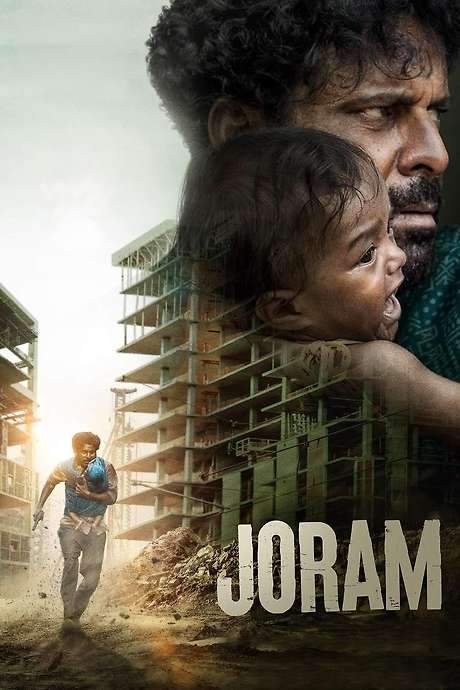
In a tense opening, Madhivadhani, the District Collector, wrestles with the approval of a higher official while telling a bone-chilling tale to him.
In Kattoor village, the story shifts to a simmering crisis: the local people fight police over clean water, sanitation, and the demand to arrest a cruel landlord who has left the community desperate. The tension builds as two boys are seen playing by a river, only to be pulled away by their worried family who scold them for venturing near the danger of the water. The next day, Sumathi Sumathi and her four-year-old daughter Dhanshika are missing, and villagers whisper about a borewell they believe the child has fallen into. Sumathi rushes toward the site, collapses in shock, and the mood grows heavier as the rescue effort begins.
Madhivadhani and her team hurry to the scene, but they face a series of delays: a deep ditch obstructs the road, journalists swarm, and public scrutiny grows harsher as the landlord’s negligence and the hazardous borewell are blamed for the crisis. A makeshift camp forms for the rescue, with a camera and microphone system installed so Madhivadhani can communicate with Dhanshika below. The medical crew confirms Dhanshika’s oxygen levels are precarious, and the clock ticks as villagers watch anxiously. The police teach a demonstration of the butterfly knot to Madhivadhani on a dummy, and she warns about the potential harm—specifically that Dhanshika’s shoulder might dislocate—yet she ultimately gives the go-ahead to attempt the risky extraction.
As the rope tightens around the knot, Dhanshika stiffens and then slips away from the grip, her arm throbbing as she slides back into the borewell. The scene becomes chaotic: the family, the crowd, and the police clash in the tense moment that follows, and the fear of losing the child hangs ominously in the air. The crowd’s anger flares over the delay, and the landlord is finally arrested amid the growing outcry. The rescue plan shifts: Captain Maharajan and his team from the Indian Defence Army propose a new approach—digging a horizontal tunnel to reach Dhanshika more directly. Madhivadhani approves, and the operation resumes with renewed urgency.
A crack suddenly appears in the ground as diggers push forward, halting the work and casting a pall over the lifeline being carved toward the girl. Night falls, the camera falters, and when it comes back online, Dhanshika’s condition looks grave—sparking a desperate belief that she might be lost. Pulenthiran Pulenthiran rushes toward the site in a frantic bid to pull her free, triggering a fresh wave of chaos as the crowd senses the danger and the family is torn between fear and hope. Amid the chaos, Dhanshika’s brother Muthu Muthu is dispatched to rescue her, and Madhivadhani reluctantly grants permission for the risky effort.
At last, Dhanshika is rescued alive. The moment brings a wave of gratitude to Madhivadhani, Sumathi, Muthu, and the relieved family as they rush her to the hospital. Yet the emotional toll is heavy: Dhanshika’s mother, Sumathi, clings to her daughter with tears—an image that lingers as the family thanks the authorities for the life saved.
Back in the present timeline, Madhivadhani confronts the moral gravity of her office and resigns as district collector, choosing to continue serving her people not from a position of power but as an ordinary citizen. The film closes with a reflective timeline slideshow, cataloging the many children who fall into neglected borewells, underscoring a haunting truth about the ongoing neglect and the fragile line between life and tragedy.