
150 Milligrams
Year: 2016
Runtime: 128 mins
Language: French
Director: Emmanuelle Bercot
Working in a hospital in Brest, France, a lung specialist uncovers a disturbing connection between a series of unexplained deaths and a state-approved medication. Determined to expose the truth, she embarks on a solitary fight against powerful forces, risking everything to uncover the full extent of the danger and ensure justice is served.
Warning: spoilers below!
Haven’t seen 150 Milligrams yet? This summary contains major spoilers. Bookmark the page, watch the movie, and come back for the full breakdown. If you're ready, scroll on and relive the story!
150 Milligrams (2016) – Full Plot Summary & Ending Explained
Read the complete plot breakdown of 150 Milligrams (2016), including all key story events, major twists, and the ending explained in detail. Discover what really happened, and what it all means.
Sidse Babett Knudsen stars as Dr. Irène Frachon, a pulmonologist at a university hospital in Brest, in northern France. The film opens in a high-stakes medical setting, where surgeons perform open-heart procedures, immediately signaling the life-and-death rhythm of modern medicine. Frachon begins to notice a troubling pattern: Corinne Zacharria, Isabelle de Hertogh—a patient she treats—shows severely damaged heart valves, a condition appearing across several patients who have taken Mediator, a drug developed by Servier for diabetes and weight loss. The scenes in the hospital ward set a meticulous, patient-centered tone, and Frachon’s sharp clinical eye drives the investigation from the very first diagnosis.
Driven by what she sees in the clinic, Frachon pursues a broader answer: is Mediator really behind these serious heart problems? She pursues epidemiological evidence, gathering data, and assembling a network of colleagues who share her concern. Among them, Dr. Antoine Le Bihan, Benoît Magimel, emerges as a crucial ally, bringing rigorous research methods and a steady voice to the growing case. Together, they begin to connect isolated medical anomalies into a coherent pattern, translating bedside worry into bedside science. Their collaboration deepens as the data accumulate, reinforcing Frachon’s hypothesis in a way that cannot be dismissed.
When the team presents their findings to AFSSAPS, the regulatory body responsible for health products in France, they encounter stiff scrutiny from Servier’s representatives. The film lays bare the friction between patient safety and corporate interests, a tension that complicates the path to a decisive warning. Despite clear signals from the data, the regulators are reluctant to remove Mediator from the market, and the initial push to pull the drug proves difficult. The procedural drama—filled with expert testimony, subtle political maneuvering, and the sting of corporate pushback—filters through Frachon’s circle and colors every interaction with regulators, clinicians, and patients alike. The sense of persistence and moral urgency remains front and center, even as obstacles mount.
Unbowed, Frachon presses forward beyond the confines of the hospital. She publicly records the journey through a self-published book detailing the research and the stories behind the cases, hoping to empower patients and alert the broader health community. Servier fights back against the publication, elevating the stakes and broadening the public conversation around drug safety. The effort garners support from a diverse network: journalist Anne Jouan, Lara Neumann of Le Figaro, who helps bring crucial attention to the case; AFSSAPS member Dr Catherine Haynes, Myriam Azencot; and a CNAM informant who provides essential data that helps triangulate the findings. This coalition—comprising clinicians, journalists, regulators, and insiders—gives Frachon a human-centered, multi-perspective vantage on the fight for accountability.
As the investigative drumbeat continues, the film foregrounds the human costs of delay: the months and years of effort behind each datapoint, the strain on Frachon’s family, and the mounting pressure to prove a link that could alter regulatory and corporate futures. Against this backdrop, the mortar of the narrative remains the stark statistic that emerges from the investigation: Mediator is linked to around 500 deaths, most of them among women. The scope of the tragedy sharpens Frachon’s resolve and reframes the discourse on drug safety, shifting the story from a personal crusade to a public health imperative.
In the end, the movie does more than recount a battle between a clinician and a pharmaceutical giant. It dramatizes a systemic struggle—between patient welfare and market forces, between precaution and speed, between individual courage and institutional inertia. The outcome is not wrapped in a neat verdict, but the film leaves a lasting impression about the importance of independent inquiry, rigorous science, and transparent regulation. It honors the tireless work of those who seek the truth despite formidable resistance, and it invites viewers to consider how many lives depend on the integrity of medical oversight and the responsible stewardship of new therapies.
The story is anchored by a constellation of performances that ground the emotional impact in real-world gravity. Benoît Magimel brings a steady, methodical counterpoint to Frachon’s relentless drive, while Philippe Uchan embodies the calculated pressure of corporate messaging. The cast surrounding Frachon—Myriam Azencot as Catherine Haynes, Lara Neumann as Anne Jouan, and Gilles Treton as Dr Yannick Jobic—helps to illuminate the wide network of professionals and stakeholders who shape the course of events. The film’s visual language—clinical detail, documentary pacing, and restrained emotional arousal—keeps the focus on evidence, consequence, and the human story behind every statistic. In this way, it not only reports a medical saga but also invites viewers to reflect on how society answers the question of risk, responsibility, and reform in the pharmaceutical era.
Last updated: February 20, 2026 at 12:18
150 Milligrams (2016) Plot Questions Answered – Summary FAQ
Explore frequently asked questions about 150 Milligrams (2016) with spoiler-rich answers covering the full plot summary, major story beats, character motivations, hidden details, and ending meaning. This movie summary FAQ helps explain confusing scenes, plot twists, and narrative decisions in clear, searchable detail.
Why was Mediator originally prescribed if it was linked to heart problems?
Mediator was developed by the pharmaceutical company Servier as a medication for diabetes and weight loss. It was marketed as an appetite suppressant for overweight diabetic patients. However, the drug's active ingredient was later found to cause severe heart valve damage, leading to the deaths of around 500 people, most of them women. The drug remained on the market for years despite early warning signs because it was initially approved as a diabetes treatment and continued to be prescribed even when its dangerous side effects became apparent.
The opening scene showing severe heart valve damage in patient Corinne Zacharria establishes the clinical evidence that Frachon would later connect to Mediator use.
How did Dr. Frachon discover the link between Mediator and heart damage?
Dr. Irène Frachon, a pulmonologist at Brest university hospital, noticed that several of her patients, including Corinne Zacharria, had severely damaged heart valves despite having no obvious risk factors. Upon reviewing their medical histories, she discovered they had all taken Mediator. This observation led her to hypothesize that the drug was causing the heart damage, prompting her to gather more cases and conduct an epidemiological investigation to prove the connection.
Frachon's sharp clinical eye during the opening surgery scene establishes her methodology for identifying patterns in patient data.
Why did French health regulators not remove Mediator from the market immediately?
When Frachon and her team presented their epidemiological findings to AFSSAPS (the French health regulatory agency), they faced stiff opposition from Servier's representatives. Despite clear statistical evidence linking Mediator to heart valve damage, regulators were reluctant to act against a pharmaceutical product already on the market. The film depicts the tension between patient safety concerns and corporate interests, with bureaucratic inertia and political pressure slowing the regulatory response.
The earlier scene showing the formation of the research team and their data collection builds toward this confrontation with institutional power.
What role did the epidemiological study play in proving Mediator's dangers?
The epidemiological study conducted by Dr. Frachon and Dr. Antoine Le Bihan was essential because it provided scientific, statistical proof that the heart valve damage was not random but directly correlated with Mediator use. By gathering data across multiple patients and hospitals, they transformed individual clinical observations into measurable evidence that could not be easily dismissed. This rigorous methodology converted bedside concerns into credible scientific data that could be presented to regulators.
The timeline of forming the research team and collecting patient data directly supports the credibility of their final findings.
Why did Servier fight against Dr. Frachon's self-published book?
After regulatory channels proved slow and ineffective, Frachon self-published a book detailing her research and the patient stories behind the cases. Servier responded with legal pressure, attempting to halt the publication because the book threatened to expose the company's knowledge of the drug's risks. The publication also aimed to empower patients and alert the broader public, making it a significant threat to Servier's reputation and commercial interests.
The earlier regulatory setback and Frachon's determination to continue despite institutional resistance sets up her decision to take the fight public.
How many deaths were ultimately linked to Mediator?
The investigation revealed that approximately 500 deaths were connected to Mediator, with the overwhelming majority of victims being women. This stark statistic became the driving force behind Frachon's crusade, transforming her personal medical concern into a public health imperative. The scale of the tragedy underscored the gravity of the regulatory failures and corporate negligence.
The film builds toward this revelation as the culmination of years of investigation and data analysis.
Why were women particularly affected by Mediator's side effects?
Women constituted the majority of Mediator-related deaths because the drug was primarily prescribed as a weight-loss aid to women, particularly overweight diabetic patients. The medication's appetite-suppressing properties made it popular among women seeking to manage their weight, which meant they were disproportionately exposed to the drug's toxic effects on heart valves. This demographic pattern became evident as the investigation compiled data on victims.
The early patient cases mentioned in the film, including Corinne Zacharria, establish that women were the primary recipients of this medication.
What was the significance of the CNAM data in the investigation?
A CNAM informant from France's national health insurance fund provided crucial data that strengthened the epidemiological case against Mediator. This health system data allowed Frachon and her team to triangulate their findings with independent, large-scale insurance records, providing additional statistical weight to their conclusions. The CNAM support represented a breakthrough in accessing comprehensive, system-wide information that validated their research.
The timeline shows CNAM involvement coming after media attention and regulatory support had already begun to build momentum.
How did media coverage by Anne Jouan influence the Mediator case?
Anne Jouan, a reporter from Le Figaro, played a critical role in bringing widespread public attention to Frachon's findings. Her journalism amplified the investigation beyond medical and regulatory circles, creating public pressure on authorities to act. Media coverage transformed the story from a specialized medical debate into a matter of public concern, helping to build momentum for regulatory action and keeping the pressure on Servier.
The self-published book and legal battle with Servier created the newsworthy content that Jouan was able to investigate and report on.
What were the broader implications of the Mediator case for drug safety?
The Mediator case exposed systemic failures in pharmaceutical oversight and regulatory processes in France. Frachon's fight highlighted the conflict between market forces and patient welfare, between precaution and speed in drug approval, and between individual courage and institutional inertia. The case led to increased scrutiny of how medications are approved, monitored, and removed from the market, leaving a lasting impact on how patient safety cases are handled in France and beyond.
The concluding timeline points toward ongoing scrutiny and reform in drug safety practices following the revelations.

Explore Movie Threads
Discover curated groups of movies connected by mood, themes, and story style. Browse collections built around emotion, atmosphere, and narrative focus to easily find films that match what you feel like watching right now.
Solitary crusader stories like 150 Milligrams
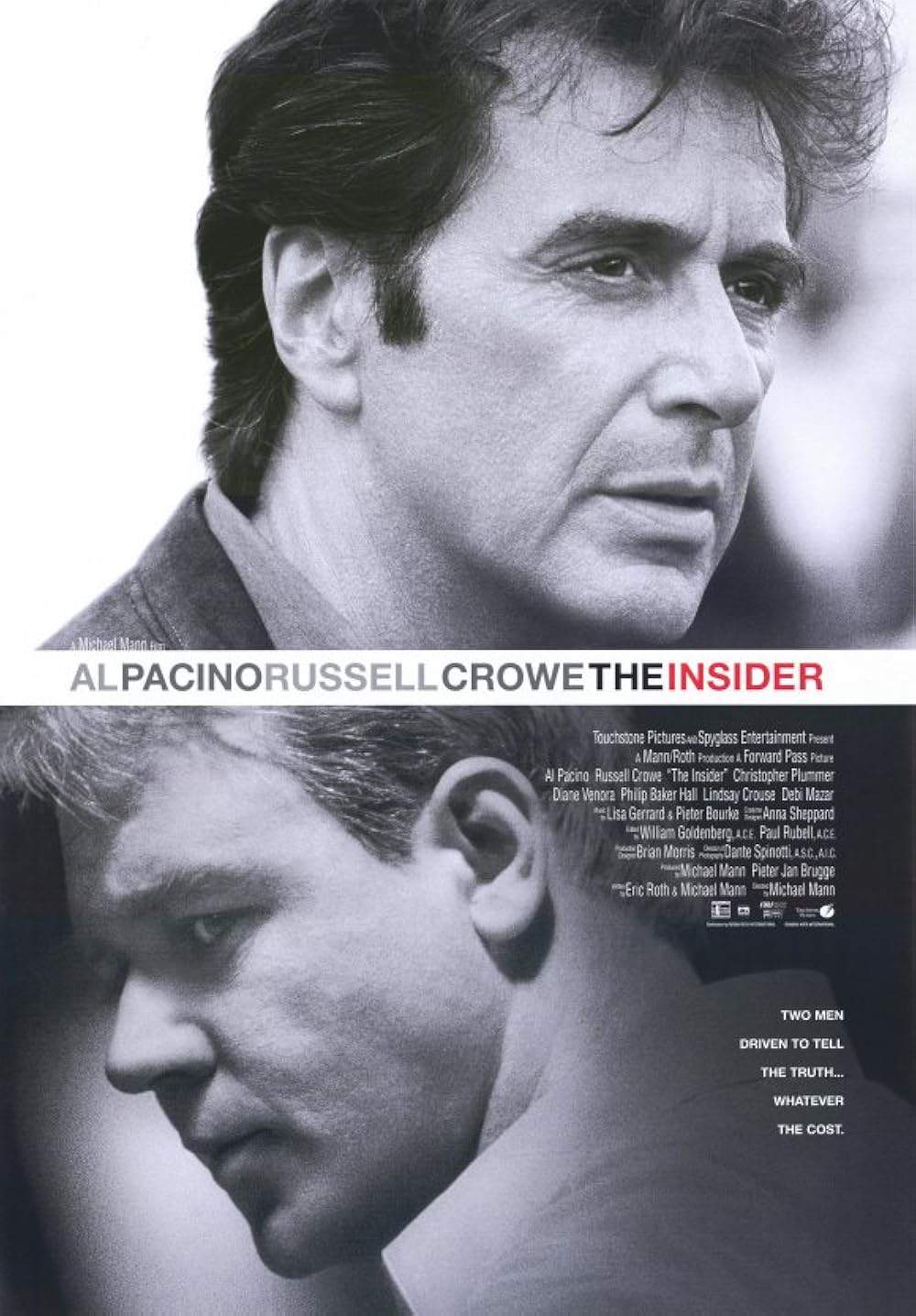
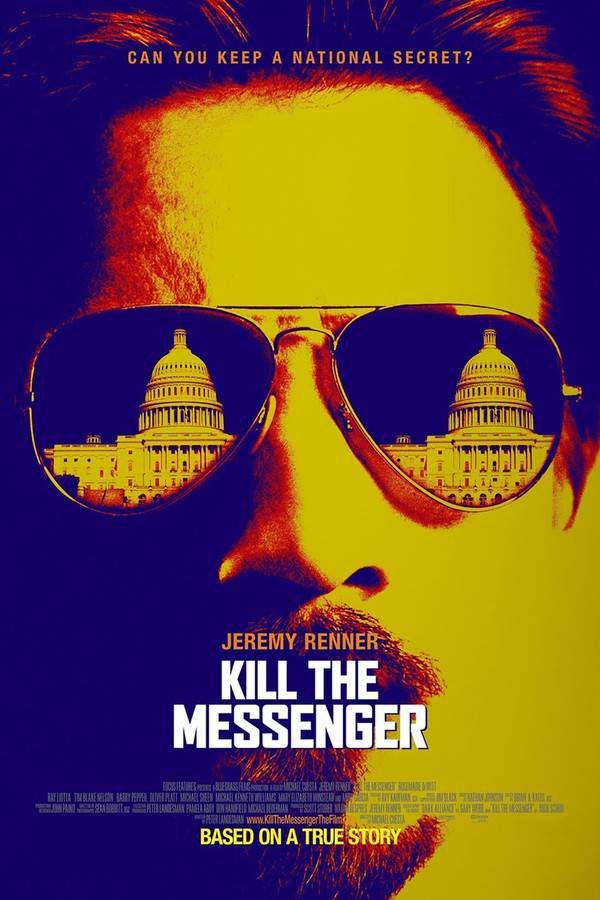
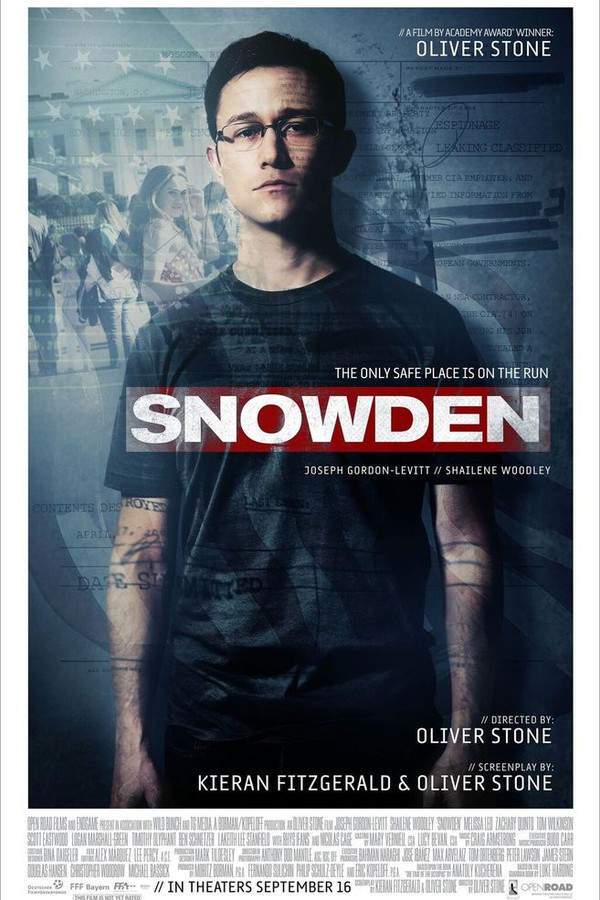
One determined individual uncovers a hidden truth and faces immense resistance.Movies like 150 Milligrams featuring a lone whistleblower revealing systemic dangers against powerful opposition. If you enjoyed watching a dedicated professional fight for justice against a faceless entity, these narratives share that tense, urgent feel.






Narrative Summary
Stories typically begin with an anomaly or tragedy that piques the protagonist's curiosity, leading them down a rabbit hole of discovery. The central conflict is not just the danger itself, but the obstinate resistance from the very institutions meant to protect the public, forcing the hero to work largely alone.
Why These Movies?
They are grouped by a shared core: a character-driven, tense drama centered on a moral imperative. The pacing is methodical, the tone is serious and often frustrating, and the emotional weight is heavy, stemming from the high stakes of preventable harm.
Movies about bureaucratic nightmares like 150 Milligrams
Stories where the most dangerous enemy is institutional inertia and red tape.Movies similar to 150 Milligrams where characters face the frustrating reality of systemic resistance. If you were gripped by the fight against corporate and bureaucratic obstacles, you'll find similar tension in these films.
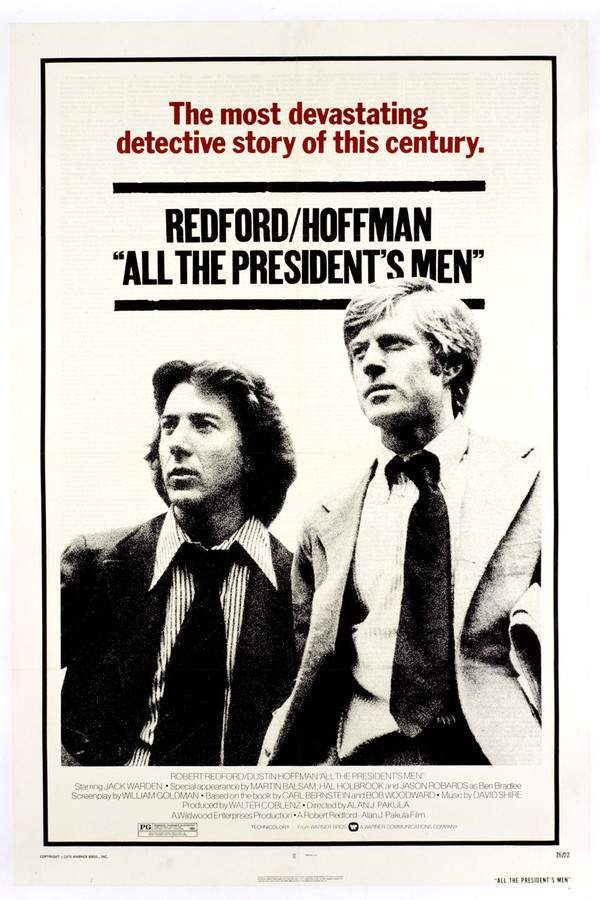
All the President's Men
1976
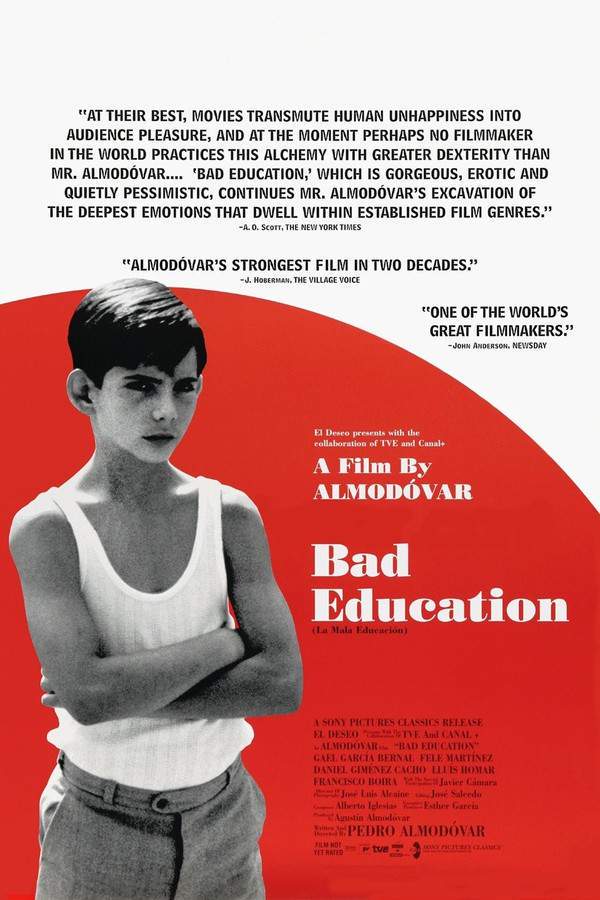
Bad Education
2004
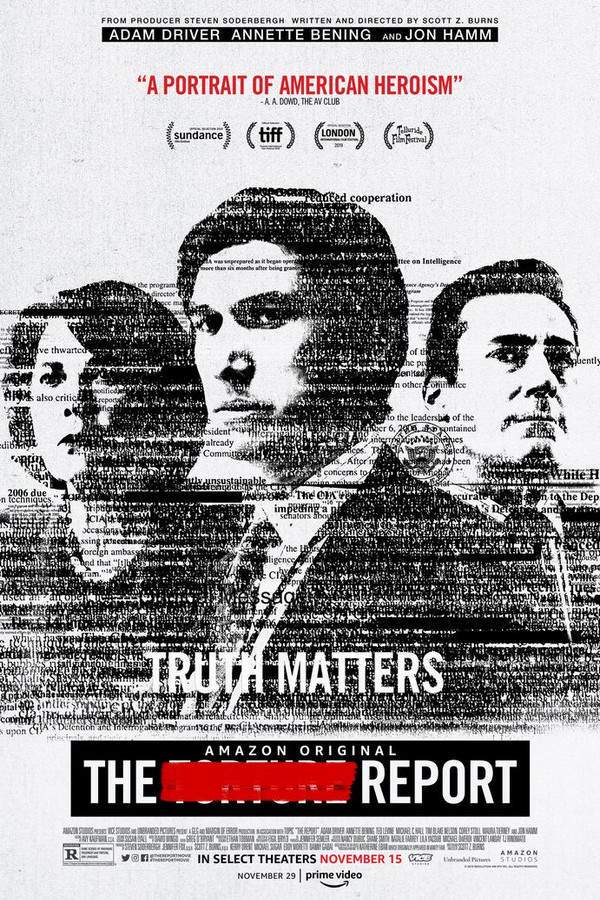
The Report
2019
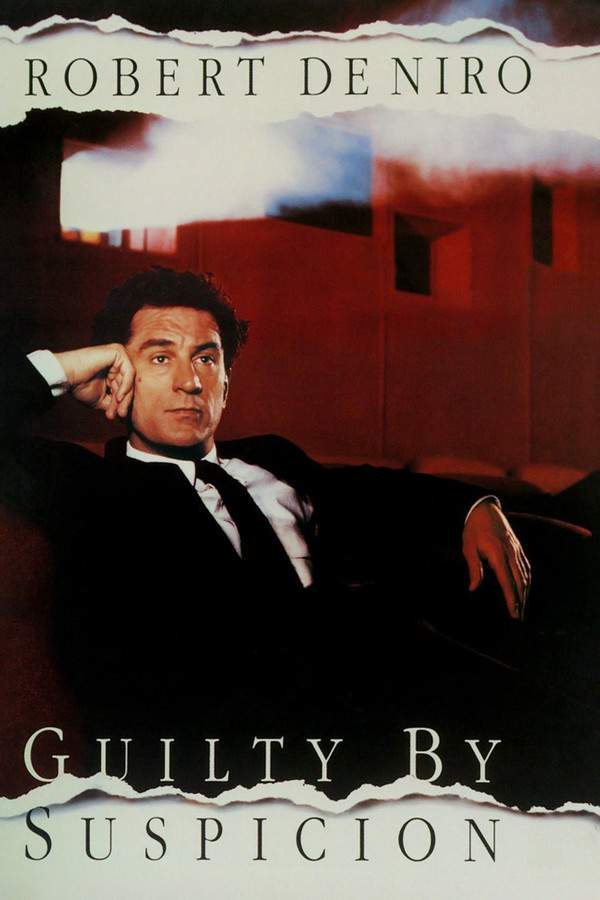
Guilty by Suspicion
1991

The Big Uneasy
2011

The Teachers' Lounge
2023

Complicit
2013
150 Milligrams
2016

Bad Education
2019

Hidden Agenda
1990

Illustrious Corpses
1976

Crisis Negotiators
2024

An Enemy of the People
1978

Two Prosecutors
2025
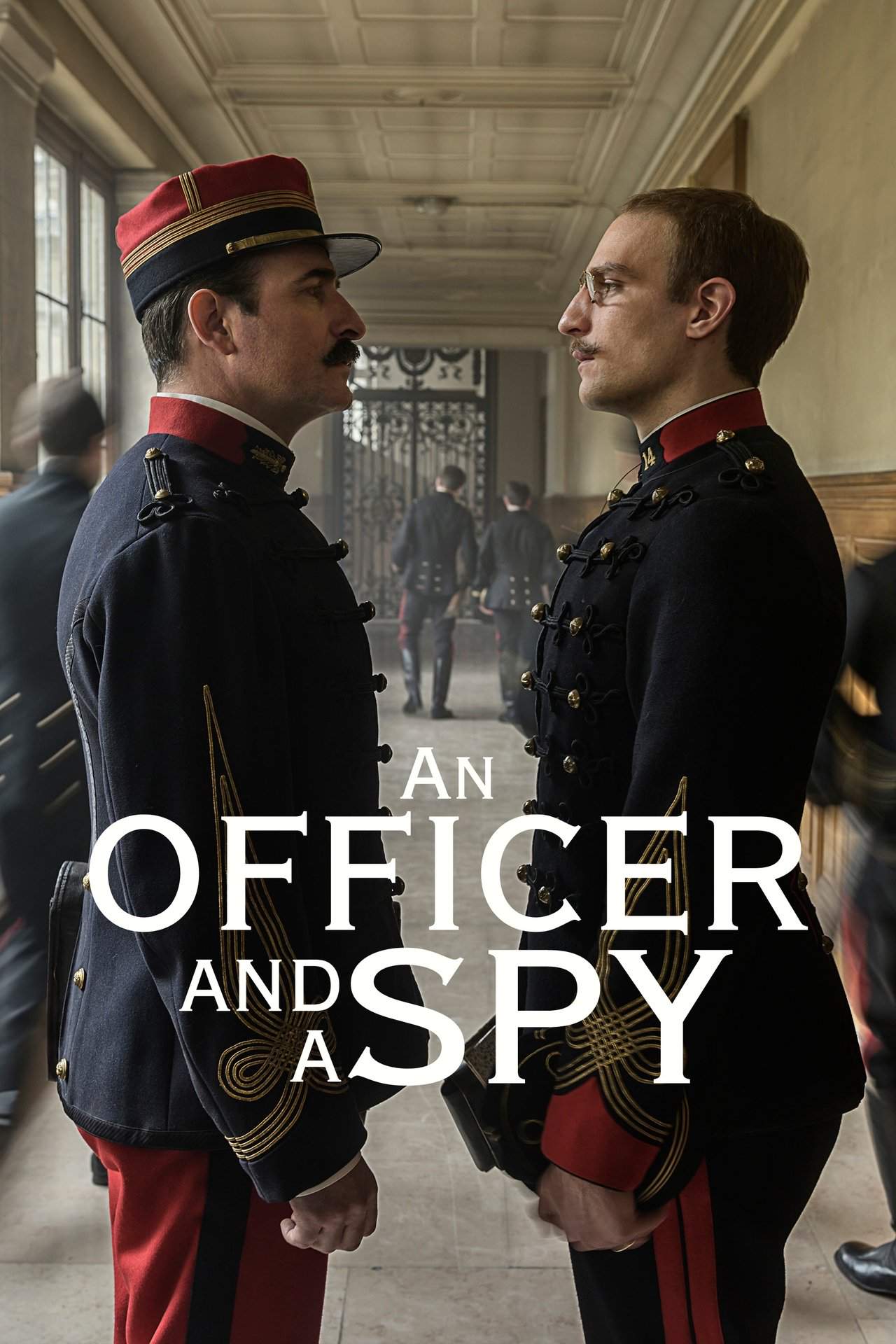
An Officer and a Spy
2025
Narrative Summary
The narrative conflict arises from the clash between individual ethical responsibility and the impersonal, self-preserving nature of large organizations. The plot often involves a painstaking process of gathering evidence while facing dismissal, legal threats, and professional isolation.
Why These Movies?
They share a specific type of tension derived from fighting an abstract, faceless opponent. The pacing is steady and deliberate, focusing on the procedural challenges and the emotional toll of a seemingly unwinnable fight against overwhelming systemic power.
Unlock the Full Story of 150 Milligrams
Don't stop at just watching - explore 150 Milligrams in full detail. From the complete plot summary and scene-by-scene timeline to character breakdowns, thematic analysis, and a deep dive into the ending - every page helps you truly understand what 150 Milligrams is all about. Plus, discover what's next after the movie.
150 Milligrams Timeline
Track the full timeline of 150 Milligrams with every major event arranged chronologically. Perfect for decoding non-linear storytelling, flashbacks, or parallel narratives with a clear scene-by-scene breakdown.

Characters, Settings & Themes in 150 Milligrams
Discover the characters, locations, and core themes that shape 150 Milligrams. Get insights into symbolic elements, setting significance, and deeper narrative meaning - ideal for thematic analysis and movie breakdowns.


