








Plot Explained Spoilers guaranteed!
Plot Explained

Browse by genre

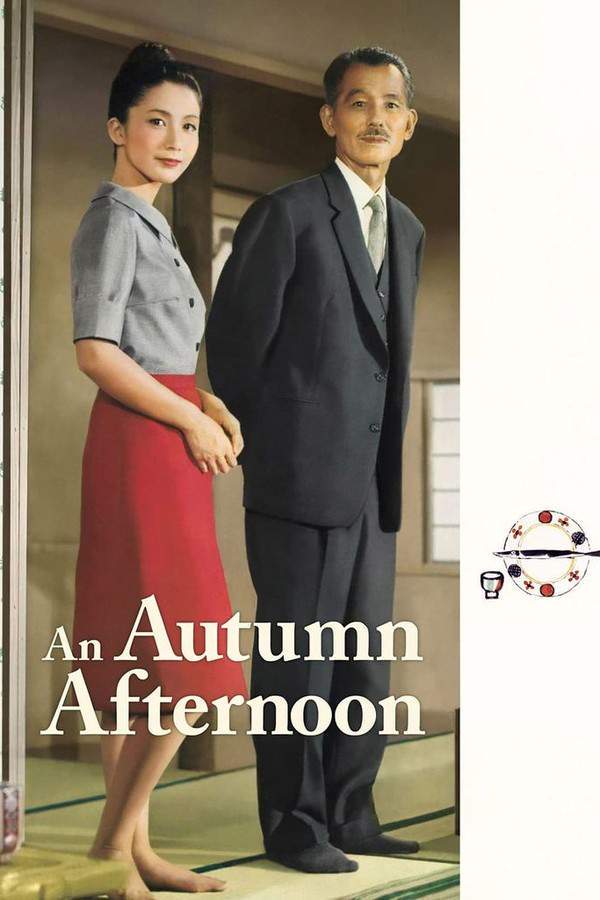
An Autumn Afternoon (1964) movie poster

Timeline

An Autumn Afternoon (1964) Timeline Explained – Every Event in Order

Release, runtime and language
1964 · 113 min · Japanese
JustWatch #24,194 4
Directed by
Yasujiro Ozu
Starring
Eijirô Tôno, Chishû Ryû, Kuniko Miyake, Nobuo Nakamura, Shima Iwashita, Keiji Sada

A respected businessman reflects on his family relationships as autumn arrives. Shuhei Hirayama grapples with the challenges of raising his sons, particularly his eldest, while also supporting his middle daughter’s romantic aspirations. He also attempts to mend the emotional distance with his youngest child, who carries a history of trauma. The season of change mirrors the shifting dynamics within his household, prompting introspection and a search for understanding among his loved ones.

On this page (5)
  1. 1 Where to watch
  2. 2 Events in order (15)
  3. 3 Timeline questions answered
  4. 4 Movie threads
  5. 5 Every angle

Where to watch

Where to Watch An Autumn Afternoon (1964)

Where can you watch An Autumn Afternoon? Stream, rent or buy it in the US, including on HBO Max, Plex and Amazon Video: current JustWatch availability with up-to-date prices.

Streaming availability powered by JustWatch

15 events in order · contains spoilers

An Autumn Afternoon Timeline: Events in Chronological Order

Every key event of An Autumn Afternoon (1964) in order, scene by scene, with when and where it takes place. Use it to untangle flashbacks, time jumps and parallel storylines, to refresh your memory before the sequel or to find the exact scene you are thinking of.

  1. Introduction of Shūhei Hirayama

    The story opens in Tokyo, 1962, where we meet Shūhei Hirayama, an elderly widower. He is seen navigating life alongside his grown children, highlighting the complexities of their family dynamics.

    When
    1962
    Where
    Tokyo
  2. Hirayama's Family Background

    Hirayama's family memories reveal that their mother passed away during the bombings of Tokyo between 1944 and 1945. This loss looms over the family's daily life and significantly shapes their relationships.

    When
    1944-1945
    Where
    Tokyo
  3. Regular Reunions at Wakamatsu

    Hirayama enjoys regular reunions at a restaurant named Wakamatsu with five former classmates. These gatherings are rich with laughter, reminiscing about their shared past, and playful banter that highlights the deep bonds they still maintain.

    When
    1962
    Where
    Wakamatsu Restaurant
  4. Sakuma's Appearance

    During one reunion, Shūhei's former teacher, Sakuma, joins the group, bringing a wave of nostalgia. His presence serves as a reminder of their youth, and casual comments reveal Hirayama's commitment to his naval service until the end of the war.

    When
    1962
    Where
    Wakamatsu Restaurant
  5. Sakuma's Struggles

    The former teacher shares his current struggles, running a modest noodle shop. He confesses that his daughter, Tomoko, remains unmarried, highlighting the impact of life's choices on their happiness.

    When
    1962
    Where
    Sakuma's Noodle Shop
  6. Gift for Sakuma

    Motivated by compassion, Hirayama and his classmates decide to support Sakuma financially. The gesture reflects their enduring loyalty and willingness to help an important figure from their past.

    When
    1962
    Where
    Sakuma's Noodle Shop
  7. Encounter with Sakamoto

    At the noodle shop, Hirayama runs into Yoshitarō Sakamoto, a former shipmate who recalls their time together during the war. This meeting rekindles memories and introduces Hirayama to Kaoru, a bar owner who resembles his late wife.

    When
    1962
    Where
    Noodle Shop & Bar
  8. Kōichi's Deception

    Hirayama's son, Kōichi, borrows money under false pretenses, claiming it is for a refrigerator. Instead, he plans to use the funds to indulge in second-hand golf clubs, causing tension with his wife, Akiko.

    When
    1962
    Where
    Hirayama's Home
  9. The Gourd's Confession

    Sakuma confesses to his former students about the loneliness his daughter faces due to her decision to care for him. This revelation prompts Hirayama to reflect on his own decisions regarding Michiko's future.

    When
    1962
    Where
    Wakamatsu Restaurant
  10. Michiko's Marriage Arrangement

    Hirayama takes it upon himself to arrange a marriage for Michiko, believing she deserves happiness. He asks Kōichi to find out if Miura, someone she likes, is available, only to learn that he is already engaged.

    When
    1962
    Where
    Hirayama's Home
  11. Michiko's Tears

    After learning about Miura’s engagement, Michiko remains outwardly composed, but her brother Kazuo reveals her distress. This moment underscores the emotional turmoil within the family and Michiko's yearning for love.

  12. Meeting a Potential Suitor

    In an effort to ensure Michiko's happiness, Hirayama invites her to meet a potential suitor. Although she approaches this meeting with reluctance, it symbolizes his desire to see her settled in life.

  13. Wedding Ceremony

    Time passes quickly, and Michiko is soon seen in a beautiful wedding kimono, indicating her agreement to marry. However, the actual ceremony and the groom are left unseen, reflecting Ozu's stylistic choice to focus on emotional rather than visual outcomes.

  14. Hirayama's Return Home

    After the wedding, Hirayama returns to a quiet home filled with anticipation of the family's new chapter. His intoxication leads to an awkward yet familiar moment as he finds himself alone.

    When
    Post-Wedding
    Where
    Hirayama's Home
  15. Final Reflection

    In a reflective moment, a drunken Hirayama sings snippets of the Warship March. He concludes with a poignant and solitary observation, 'Alone, eh?' which encapsulates the film's exploration of loneliness and the passage of time.

Last updated: November 16, 2024 at 17:17

Was this helpful?

Timeline questions answered

An Autumn Afternoon Timeline Explained: Your Questions Answered

When does it happen, and why in that order? The questions people ask about the chronology of An Autumn Afternoon (1964): time jumps, flashbacks, cause and effect between scenes and the correct order of events, each answered with spoilers.

Q1

Why does Hirayama decide to arrange Michiko's marriage?

Hirayama is moved to action after hearing Sakuma (their former teacher) confess that he kept his daughter Tomoko home to care for him, leaving her a lonely spinster. Recognizing his own selfishness in keeping Michiko home to care for him and his son, Hirayama decides she deserves a chance at happiness and begins arranging her marriage.

Foreshadowing: Earlier, the friends jest about Horie's younger wife and whether he needs vitality pills, subtly setting up themes of aging and companionship.

  • hirayama
  • michiko
  • marriage
  • sakuma
  • daughter
  • spinster
Q2

Why does the bar owner Kaoru resemble Hirayama's late wife?

The film deliberately creates this resemblance to evoke Hirayama's grief and longing for his wife, who died during the Tokyo bombings in 1944-1945. When Hirayama meets Kaoru and hears her play the Warship March, he is transported back to his past, creating a poignant moment where memory and present merge.

Foreshadowing: The film establishes early that Hirayama is a widower living with his unwed daughter, hinting at his unresolved grief.

  • kaoru
  • late wife
  • resemblance
  • bar
  • memories
  • wartime
Q3

What does Hirayama sing at the end of the film?

Hirayama sings the Warship March, a wartime propaganda song he first heard at Kaoru's bar. In the final scene, drunk and alone after Michiko's wedding, he hums fragments of this tune before delivering the poignant line 'Alone, eh?' - a moment that crystallizes his loneliness and reflection on the past.

Foreshadowing: The song was first introduced when Sakamoto performed it at the bar, creating an early connection between wartime memories and present-day emotions.

  • warship march
  • singing
  • alone
  • ending
  • loneship
  • war memories
Q4

Why does Kōichi lie about needing money for a refrigerator?

Kōichi borrows 50,000 yen from his father under the pretense of buying a refrigerator, but he actually intends to spend it on second-hand golf clubs. His wife Akiko discovers this deception and threatens to retaliate by buying an expensive handbag, eventually softening her stance.

Foreshadowing: Earlier scenes establish Kōichi as living separately with Akiko in a modest apartment, suggesting financial pressure and the desire for leisure activities.

  • koichi
  • money
  • refrigerator
  • golf clubs
  • deception
  • akiko
Q5

Why does Michiko cry after learning Miura is engaged?

Michiko harbors genuine feelings for Miura, whom she adores. When Kōichi inquires about Miura's availability, they discover he is already engaged. Though Michiko maintains a placid exterior, her younger brother Kazuo reveals that she cries in private, showing the emotional cost of the marriage arrangement.

Foreshadowing: Hirayama explicitly asks Kōichi to check if Miura might be interested in Michiko, establishing her affection early in the narrative.

  • michiko
  • miura
  • crying
  • engagement
  • feelings
  • kazuo
Q6

Why is the wedding ceremony not shown in the film?

Director Yasujirō Ozu employs his signature stylistic choice of ellipsis, showing Michiko in her wedding kimono but cutting away before the ceremony. This approach emphasizes emotional transition over visual spectacle, focusing on the father's perspective of loss rather than the event itself.

Foreshadowing: The film frequently uses off-screen space and implication, such as when Hirayama imagines the family's future changes.

  • wedding
  • ceremony
  • ellipsis
  • ozu style
  • not shown
  • kimono
Q7

What is Hirayama's wartime background?

Hirayama served as a naval officer until Japan's surrender in 1945. His former student Sakuma reveals this during a reunion, and later, his old shipmate Yoshitarō Sakamoto recognizes him at the noodle shop, confirming his military past. This shared wartime experience connects Hirayama to both men and informs his identity throughout the film.

Foreshadowing: Sakuma's appearance at the reunion triggers discussions about the group's shared history and post-war lives.

  • hirayama
  • naval officer
  • wartime
  • sakamoto
  • 1945
  • military
Q8

Why does Hirayama visit Sakuma's noodle shop twice?

Hirayama first visits to deliver the monetary gift collected by his classmates to support their former teacher. On this visit, he encounters Sakamoto, who recognizes him as a former captain. The second visit comes when Hirayama returns alone, this time being introduced to Kaoru's bar by Sakamoto, where the emotional encounter with the bar owner occurs.

Foreshadowing: The reunion at Wakamatsu restaurant establishes Sakuma's current hardships before Hirayama decides to visit him.

  • sakuma
  • noodle shop
  • visit
  • sakamoto
  • financial support
  • former teacher
Q9

Why is the film set in autumn?

The title and setting use autumn as a metaphor for life's late stages and the season of change. Just as autumn precedes winter, Hirayama faces the twilight of his life, his children are leaving home, and he must confront his own loneliness. The visual motifs of falling leaves and cooler weather mirror the film's melancholic tone and themes of impermanence.

Foreshadowing: The film's quiet pacing and the father's aging status establish the autumn theme from the opening scenes.

  • autumn
  • metaphor
  • season
  • change
  • life stages
  • impermanence
Q10

Why does Hirayama return home drunk after Michiko's wedding?

After the wedding, Hirayama joins his friends at the bar to drink, likely as a way to cope with the emotional weight of his daughter's departure. When he returns home intoxicated, his children have already left - Kōichi and Akiko went home, Kazuo retreated to his room - leaving him completely alone, which leads to his reflective final line.

Foreshadowing: Earlier scenes establish that the children will eventually leave, with Kōichi already living separately.

  • drunk
  • wedding
  • return home
  • alone
  • kazuo
  • koichi
  • emotional coping
Q11

Why does Michiko accept an arranged marriage?

Michiko reluctantly agrees to meet a potential suitor arranged by her father after her preferred match (Miura) proves unavailable. While she appears calm on the surface, her private tears to Kazuo reveal her emotional conflict. Her acceptance reflects the social norms of the era, where daughters often deferred to family decisions about marriage.

Foreshadowing: The scene where Kazuo reveals Michiko's tears directly follows her learning of Miura's engagement, establishing her resignation.

  • michiko
  • arranged marriage
  • accept
  • suitor
  • family obligation
  • conformity

Movie threads

More Movies Like An Autumn Afternoon, by Mood & Story

Curated lists built around what makes An Autumn Afternoon tick: the same mood, the same kind of story or the same emotional payoff. Each list explains why these movies belong together.

Quiet family dramas of generational change like An Autumn Afternoon

Subtle stories about families navigating the inevitable shifts of time and age. For viewers who liked the gentle, reflective pace of An Autumn Afternoon, this section features movies like it that explore family relationships and the quiet melancholy of aging. These similar drama films capture the bittersweet feeling of generational change.

  • melancholic
  • reflective
  • family
  • quiet
  • bittersweet
  • nostalgic
  • Tone: melancholic, bittersweet, reflective
  • Pacing: slow, deliberate, observational
Why these movies?

The story pattern: Stories in this thread typically follow a parent, often in the autumn of their life, as they come to terms with their children's independence. The narrative is driven by everyday interactions and conversations rather than major plot twists, building towards a poignant resolution that acknowledges both loss and continuity.

Why they belong together: These films are grouped together for their shared focus on the emotional landscape of family life, their melancholic and reflective tone, and their use of a slow, deliberate pace to let character and atmosphere take precedence over plot.

Meditative character studies in atmospheric settings like An Autumn Afternoon

Films where mood and introspection are the main events, unfolding slowly. If you enjoyed the reflective, atmospheric quality of An Autumn Afternoon, this list highlights movies with a similar vibe. These films share a slow pacing and a focus on mood and character introspection, creating a quietly powerful viewing experience.

  • contemplative
  • atmospheric
  • slow burn
  • introspective
  • quiet
  • subtle
  • Tone: reflective, melancholic, subtle
  • Pacing: slow, atmospheric, immersive
Why these movies?

The story pattern: The narrative pattern is less about a traditional plot and more about a character's emotional journey, often prompted by their environment or a season. The story unfolds through quiet moments and subtle details, allowing the audience to absorb the character's feelings and reflections directly.

Why they belong together: These movies are connected by their meditative quality, their use of a specific atmosphere (often tied to a season or time of day) as a central element, and a pacing that invites the audience to contemplate along with the characters.

Every angle

An Autumn Afternoon (1964) Explained: Plot, Timeline & Characters

Everything about An Autumn Afternoon in one place: what happens in the plot summary, the timeline in chronological order, the characters and meaning and a spoiler-free summary. What's After the Movie adds the cast, box office and post-credit scenes.

Coming soon on iOS and Android

The Plot Explained Movie Summary App

Plot summaries, endings explained and timelines on your phone. Catch up on any movie in minutes, save your favorites and never miss a twist again.

Be the first to know when we launch. Your email stays private, always.

Learn more about the app