Plot Explained Spoilers guaranteed!
Plot Explained

Browse by genre

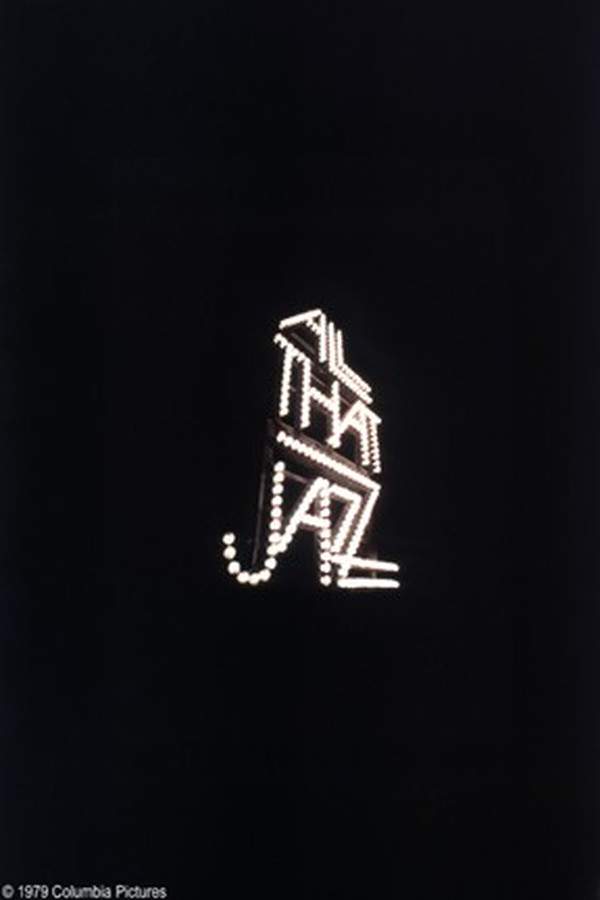
All That Jazz (1979) movie poster

Timeline

All That Jazz (1979) Timeline Explained – Every Event in Order

Release, runtime and language
1979 · 123 min · English
Loading streaming availability…
Directed by
Bob Fosse
Starring
Roy Scheider, Jessica Lange

A renowned choreographer and director, Joe Gideon finds his demanding life spiraling out of control. Juggling a Broadway show and a Hollywood film, he relies on medication and numerous relationships to maintain his relentless pace. As his physical and mental health deteriorates, Gideon is forced to confront the destructive consequences of his obsessive dedication and the unsustainable nature of his lifestyle.

On this page (6)
  1. 1 Where to watch
  2. 2 Events in order (14)
  3. 3 Timeline questions answered
  4. 4 Movie threads
  5. 5 Movies like All That Jazz
  6. 6 Every angle
Loading streaming availability…

14 events in order · contains spoilers

All That Jazz Timeline: Events in Chronological Order

Every key event of All That Jazz (1979) in order, scene by scene, with when and where it takes place. Use it to untangle flashbacks, time jumps and parallel storylines, to refresh your memory before the sequel or to find the exact scene you are thinking of.

  1. Joe Gideon's Ambitious Projects

    Joe Gideon is deeply immersed in the pressure-laden world of his impending Broadway musical, *NY/LA*, while also working on his film, *The Stand-Up*. His boundless energy fuels his work, but the underlying turmoil in his life suggests that he struggles to keep everything under control.

    Where
    New York
  2. Ex-Wife's Disapproval

    Joe's ex-wife, Audrey Paris, frequently reminds him of his past mistakes and serves as a source of disapproval regarding his relationships with women. While her admonitions echo through his mind, Joe continues his flirtations, revealing a pattern of behavior he's unwilling to change.

  3. Emotional Rehearsal Conflict

    During a rehearsal for *NY/LA*, Joe's pent-up frustrations with the project's editing lead to a dramatic outburst. The unexpected eruption leaves producers dazed and amplifies Joe's feelings of isolation in a high-stakes environment.

    Where
    Rehearsal Studio
  4. A Heartfelt Tribute

    Amidst the chaos of his creative life, Katie and their daughter Michelle pay a touching tribute to the late Bob Fosse. The emotional moment touches Joe’s heart, offering a brief respite from his internal struggles and a reminder of what matters most.

  5. Health Crisis Strikes

    While participating in a table read for *NY/LA*, Joe experiences severe chest pains that lead to an emergency hospital visit. Doctors diagnose him with angina, shining a spotlight on the toll his lifestyle has taken on his health.

    Where
    Hospital
  6. Reckless Hospital Behavior

    Despite being in precarious health, Joe's reckless tendencies rear their head at the hospital. He continues to smoke, drink, and chase after women, disregarding the serious nature of his condition and alienating those who care for him.

    Where
    Hospital Room
  7. Rising Tensions in Relationships

    The mounting pressures in Joe's life take a significant toll on his relationships, particularly with Audrey and Katie. As the release of *The Stand-Up* garners negative reviews, Joe's emotional state further deteriorates, straining familial bonds.

  8. Coronary Incident

    Joe's relentless pursuit of creative success culminates in a life-threatening coronary incident. His body, worn down by stress and excess, can no longer cope, leaving Joe in critical condition as he fights for his life.

    Where
    Hospital
  9. The Cold Business of Showbiz

    As Joe undergoes coronary artery bypass surgery, the producers of *NY/LA* concoct a plan to profit from his potential demise, betting on his life for a substantial insurance payout. This reveals the often ruthless side of the entertainment industry.

    Where
    Hospital
  10. A Journey Through Memory

    While on life support, Joe's consciousness drifts into a vivid dreamscape populated by figures from his past. This exploration serves as an introspective look at his life choices, showcasing the bittersweet reflections on relationships and regrets.

  11. The Five Stages of Grief

    Joe transitions through the five stages of grief—anger, denial, bargaining, depression, and acceptance—while wandering the hospital's hallways. Each stage is presented as an imaginative sequence, embodying his struggle with mortality.

    Where
    Hospital
  12. The Grand Variety Show

    In a climactic moment, Joe's psyche manifests a grand variety show that celebrates his life, featuring characters and moments from his past. This performance is a cathartic expression of his gratitude and reflections on those who shaped him.

  13. The Final Performance

    Joe delivers a mesmerizing performance of 'Bye Bye Life', a whimsical interpretation that embraces both humor and poignancy. In this moment of clarity, he feels a connection with his audience, understanding the impact of his life and work.

  14. A Somber Ending

    The climax leads to a jarring conclusion as Joe's journey ends abruptly. Following his vibrant finale, the screen cuts to the somber image of his lifeless body being zipped into a body bag, a stark reminder of the fragility of life.

    Where
    Hospital

Last updated: November 19, 2024 at 18:20

Was this helpful?

Timeline questions answered

All That Jazz Timeline Explained: Your Questions Answered

When does it happen, and why in that order? The questions people ask about the chronology of All That Jazz (1979): time jumps, flashbacks, cause and effect between scenes and the correct order of events, each answered with spoilers.

Q1

Why does Joe Gideon keep working and partying even after his heart diagnosis?

Joe's relentless drive stems from his identity as a workaholic who defines himself through creative output. Despite knowing his health is failing, he cannot stop because his work is intertwined with his sense of self-worth. The film portrays this as a cycle of addiction, both to work and to validation through women and substances, that he acknowledges but feels powerless to break.

Foreshadowing: Early scenes show Joe ritualistically declaring 'It's showtime, folks' while preening in the mirror, revealing his dependency on performance and approval.

  • joe gideon
  • heart attack
  • workaholism
  • self-destruction
  • burnout
Q2

Why do the NY/LA producers bet on Joe Gideon's death?

The producers see an opportunity to profit from Joe's life insurance policy. They place bets on whether he will survive his surgery, treating his potential death as a financial windfall. This reveals the exploitative business side of show business, where artists can be reduced to assets worth more dead than alive.

Foreshadowing: Tension builds earlier when Joe's explosive rehearsal outburst leaves backers bewildered, establishing their transactional view of him.

  • insurance
  • producers
  • profit
  • exploitation
  • show business
Q3

What do the musical dream sequences in the hospital represent?

The musical sequences represent Joe's subconscious processing of his life, regrets, and relationships while teetering between life and death. His mind manifests characters from his past, his daughter, ex-wife, and girlfriend, as manifestations of his guilt and unfinished emotional business. These fantasy scenes allow him to confront what he couldn't say in reality.

Foreshadowing: The earlier tribute to Bob Fosse by Katie and Michelle introduces the theme of artistic legacy and personal relationships merging.

  • dream sequence
  • fantasy
  • afterlife
  • subconscious
  • memory
Q4

What is the significance of Joe wandering the hospital hallways through the five stages of grief?

Joe's journey through the hospital's corridors physically enacts the five stages of grief, anger, denial, bargaining, depression, and acceptance, that parallel his stand-up routine about death. This surreal sequence represents his psychological struggle to come to terms with mortality, each imaginative scene reflecting a different emotional battle as he tries to escape his fate.

Foreshadowing: Earlier tension builds as Joe's coronary incident leaves him in critical condition, forcing immediate confrontation with death.

  • five stages
  • grief
  • denial
  • acceptance
  • mortality
Q5

What does Joe's final performance of 'Bye Bye Life' mean?

The 'Bye Bye Life' performance is Joe's cathartic farewell, a whimsical reinterpretation of 'Bye Bye Love' that embraces both humor and poignant acceptance. On stage, he finally expresses gratitude to those who shaped his life, something he couldn't do while confined to his hospital bed. It represents his ultimate artistic statement and emotional release before death.

Foreshadowing: The grand variety show earlier in his dreamscape begins assembling the figures from his past who will witness this finale.

  • bye bye life
  • final performance
  • farewell
  • gratitude
  • catharsis
Q6

Why does All That Jazz end so bleakly with Joe's death?

The film concludes unambiguously with Joe's death because director Bob Fosse intended it as a unflinching examination of artistic obsession and its consequences. Unlike traditional redemption narratives, Joe never changes, he dies still chasing the next show. The final image of his body being zipped into a bag is deliberately stark, refusing to offer false comfort or redemption.

Foreshadowing: Throughout the film, every attempt at connection (Katie's tribute, Audrey's concerns) fails to break Joe's destructive patterns.

  • ending
  • death
  • bleak
  • redemption
  • no redemption
Q7

How do Joe's relationships with Audrey and Katie reflect his character?

Joe's relationships with his ex-wife Audrey and girlfriend Katie illustrate his inability to sustain genuine connection. Audrey represents his past failures and the consequences of his womanizing, while Katie offers present love that he still cannot fully accept. His pattern of pursuing multiple women even in the hospital shows his transactional view of relationships, treating intimacy as another form of validation.

Foreshadowing: Early scenes establish Audrey as a continual reminder of his past mistakes while Katie provides brief moments of peace.

  • audrey paris
  • katie jagger
  • relationships
  • infidelity
  • family
Q8

How does Joe's health decline so rapidly from chest pains to heart surgery?

Joe's rapid decline results from compounding factors: decades of smoking, excessive drinking, drug use, and the constant stress of simultaneous creative projects. His angina attack during the table read is not an isolated event but the culmination of years of self-neglect. Despite medical warnings, his continued smoking and drinking in the hospital accelerate his deterioration to the point of requiring emergency bypass surgery.

Foreshadowing: The film establishes his destructive habits early, chain-smoking, cocktail of medications, and relentless work pace.

  • angina
  • heart attack
  • health decline
  • smoking
  • surgery
Q9

Who is Angelique that Joe walks toward at the end?

Angelique appears in Joe's final dream vision as he walks down the opulent hallway toward her before the screen cuts to his body bag. She represents the ultimate destination in his fantasy, the embrace of death or perhaps a idealized version of acceptance. Her presence completes his journey from the hospital corridors to a final, peaceful encounter, symbolizing his surrender to mortality.

Foreshadowing: The grand variety show builds toward this final meeting, with each character from his past appearing as he approaches the finale.

  • angelique
  • death
  • afterlife
  • final scene
  • acceptance
Q10

What is the connection between Joe's stand-up comedy routine and his real life?

Joe's stand-up routine about death, which explores anger, denial, bargaining, depression, and acceptance, directly mirrors his actual experience in the hospital. The jokes he performs become his lived reality as he confronts mortality. This meta-layer blurs the line between his art and life, showing how his creative work has been a rehearsal for his own death.

Foreshadowing: The routine is established early as a key part of his act, with the five stages forming its backbone.

  • stand-up
  • comedy routine
  • death
  • five stages
  • performance
Q11

Why does the tribute to Bob Fosse affect Joe so deeply?

The tribute from Katie and Michelle to the late Bob Fosse, Joe's real-life mentor and inspiration, strikes an emotional chord because it connects Joe to his artistic lineage and mortality. Seeing his own daughter pay homage to the man who shaped his career forces Joe to confront his legacy and what he'll leave behind. This rare moment of vulnerability temporarily breaks through his defensive exterior.

Foreshadowing: Joe's creative struggles throughout the film reflect his attempt to live up to Fosse's legacy.

  • bob fosse
  • tribute
  • katie
  • michelle
  • legacy
Q12

Why does Joe explode at the rehearsal over editing?

Joe's explosive outburst during rehearsal stems from accumulated frustration with his projects and his inability to control every aspect of his creative vision. The editing process represents a loss of artistic control, others are shaping his work. His dramatic breakdown also releases pent-up tension from his failing health, strained relationships, and the pressure of simultaneous productions, making the editing conflict the final straw.

Foreshadowing: Earlier scenes establish Joe's perfectionism and the mounting pressures of balancing Broadway and Hollywood projects.

  • rehearsal
  • editing
  • outburst
  • frustration
  • control

Movie threads

More Movies Like All That Jazz, by Mood & Story

Curated lists built around what makes All That Jazz tick: the same mood, the same kind of story or the same emotional payoff. Each list explains why these movies belong together.

Movies about artistic self-destruction like All That Jazz

Intimate portraits of brilliant creators consumed by their own genius and vices. If you were fascinated by the portrayal of creative burnout in All That Jazz, this thread features similar movies about talented artists on a downward spiral. Discover powerful dramas and biopics that explore the price of fame, addiction, and the dark side of genius in stories like Birdman and Whiplash.

  • exhausting
  • anxious
  • melancholic
  • oppressive
  • feverish
  • introspective
  • Tone: dark, melancholic
  • Pacing: variable, intense
Why these movies?

The story pattern: Stories in this thread typically follow a protagonist of exceptional talent whose obsessive dedication to their art leads to severe personal consequences. The narrative arc is often a decline, charting the character's reliance on substances, fractured relationships, and deteriorating health, all set against a backdrop of high-stakes creative pressure.

Why they belong together: Movies are grouped here because they share a central theme of the artist as a tragic figure. They create a similar mood of anxious, melancholic exhaustion through their focus on a character's internal and external collapse, often blending harsh realism with elements of fantasy to reflect a fractured psyche.
Surreal psychological dramas with a dark tone like All That Jazz

Dreamlike and disorienting explorations of a mind coming undone. For viewers who appreciated the dreamlike fantasy sequences and psychological depth of All That Jazz, this collection features movies that use surrealism to explore a character's mind. Find similar complex narratives with dark tones and bleak endings, such as Black Swan and Requiem for a Dream.

  • dreamlike
  • feverish
  • surreal
  • psychological
  • claustrophobic
  • unsettling
  • Tone: dark, dreamlike
  • Pacing: variable, chaotic
Why these movies?

The story pattern: The narrative pattern involves a subjective, often unreliable point of view, where the external world becomes a reflection of the protagonist's anxieties, regrets, or fears. The structure may jump between reality, memory, and fantasy, accelerating as the character's grip on reality weakens, typically leading to a tragic or bleak conclusion.

Why they belong together: These films are grouped together because they share a unique blend of harsh realism and expressive fantasy to convey internal turmoil. They create a coherent, feverish vibe through their variable pacing, high emotional intensity, and a visual and narrative style that is intentionally disorienting and dreamlike.

If you liked this

Movies Like All That Jazz

Similar movies to All That Jazz: the same genre, themes or kind of story. Each one comes with its own plot summary, timeline and ending explained.

Browse all movie summaries

Every angle

All That Jazz (1979) Explained: Plot, Timeline & Characters

Everything about All That Jazz in one place: what happens in the plot summary, the timeline in chronological order, the characters and meaning and a spoiler-free summary. What's After the Movie adds the cast, box office and post-credit scenes.

Coming soon on iOS and Android

The Plot Explained Movie Summary App

Plot summaries, endings explained and timelines on your phone. Catch up on any movie in minutes, save your favorites and never miss a twist again.

Be the first to know when we launch. Your email stays private, always.

Learn more about the app