Plot Explained Spoilers guaranteed!
Plot Explained

Browse by genre

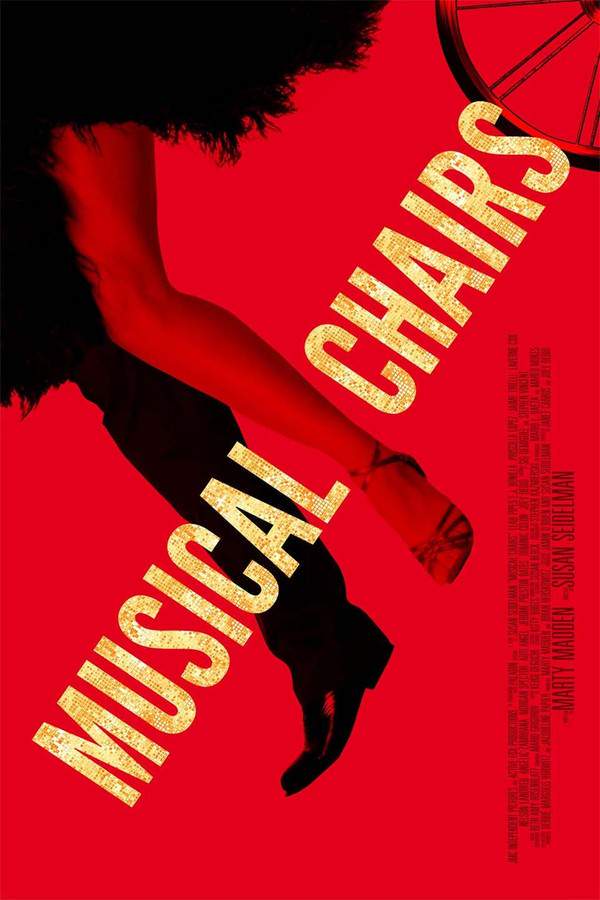
Musical Chairs (2012) movie poster

Plot Summary

Musical Chairs (2012) Plot Summary Explained

Release, runtime and language
2012 · 102 min · English
Directed by
Susan Seidelman
Starring
Jaime Tirelli, Priscilla López, E.J. Bonilla, Leah Pipes

In the bustling dance scene of midtown Manhattan, dance instructor Mia's life takes an unexpected turn when she meets Armando, a part-time handyman. Their connection deepens into a passionate relationship, but tragedy soon strikes, profoundly impacting Mia. Armando remains a steadfast presence, supporting her as she confronts the challenges of loss and finds her way forward, all set against the backdrop of their shared love for dance.

On this page (6)
  1. 1 Where to watch
  2. 2 What happens: full plot
  3. 3 Plot questions answered
  4. 4 Movie threads
  5. 5 Movies like Musical Chairs
  6. 6 Every angle

Where to watch

Where to Watch Musical Chairs (2012)

Where can you watch Musical Chairs? Stream, rent or buy it in the US, including on Hoopla, Pluto TV and Apple TV Store: current JustWatch availability with up-to-date prices.

Streaming availability powered by JustWatch

Full plot summary · contains spoilers

What Happens in Musical Chairs: Full Plot Summary

The whole story of Musical Chairs (2012) explained, from the opening scene to the final frame: every key event, every twist and what it all adds up to. Read it as a quick recap before the sequel, to check a scene you missed, or to finally understand what really happened.

In the lively backdrop of New York City, Armando leads a life that beautifully intertwines his responsibilities at his family's Puerto Rican restaurant with his hidden passion for dance. He sneaks away during fleeting moments to practice at a local dance studio, where he catches the eye of the enchanting Mia Franklin, a gifted dancer caught up in a complicated relationship with the studio's owner, Daniel. Their worlds collide when Mia, impressed by Armando's rhythmic movements, offers him some advice, leading to a magical shared dance, only to be interrupted by Daniel's unexpected appearance. Sensing the tension, Mia hastily escapes, inadvertently leaving her scarf behind. Armando, intrigued, retrieves it and calls out to her from the studio's upper level, setting the stage for what’s to come.

Tragically, Mia's life is upended when she is struck by a taxi while crossing the street, resulting in paralysis from the waist down. This devastating incident sends her relationship with Daniel spiraling into uncertainty. As Mia grapples with her new circumstances, Armando rises to the occasion, becoming her steadfast support as he encourages her to enter a wheelchair ballroom dancing competition at a nearby rehabilitation center. There, she meets new friends, including Nikki, a spirited Latina, and Kenny, a war veteran who has faced his share of struggles. Despite the disapproval from his mother, Isabel, Armando's resolve only strengthens, and he finds himself drawn closer to Mia as they practice and share experiences. Meanwhile, his uncle Wilfredo embarks on a romantic journey with Chantelle, a vibrant trans woman at the rehab center.

As the eagerly anticipated competition looms, Mia's mother-in-law, Isabel, embarks on a mission to disrupt Armando and Mia's relationship, creating an environment filled with tension and negativity. Yet, Rosa, another stunning Puerto Rican beauty, stands by Armando, choosing to support him rather than interfere with his feelings for Mia. The night of the competition becomes a source of escalating anxiety for Mia when she unexpectedly spots Daniel in the audience, prompting her to flee to her dressing room in fear of failure.

A pivotal moment occurs when Armando's mother has an honest conversation with Mia, where she admits her error in judgment and encourages her to see how much Armando genuinely loves her. Reinvigorated, Mia returns to the dance floor to reunite with Armando. Together, they perform a breathtaking routine, showcasing their newfound connection and defiance against the odds. The audience is mesmerized as they dance, leaving the story open-ended regarding the competition's outcome, yet unmistakably celebrating the power of love to overcome hardship.

Last updated: November 17, 2024 at 19:41

Was this helpful?

Plot questions answered

Musical Chairs Plot Explained: Your Questions Answered

The questions people ask most about Musical Chairs (2012): what happens in the confusing scenes, why the characters do what they do, the twists, hidden details and what the ending means. Each answer contains spoilers.

Q1

Why does Armando become Mia's main support after her accident?

Armando's support stems from the genuine connection he formed with Mia during their brief dance encounter at the studio. Even before her accident, he was drawn to her as a dancer and person. When tragedy struck, his feelings only deepened, motivating him to help her find purpose again through wheelchair ballroom dancing. His love for her, combined with his own passion for dance, made him determined to help her reclaim her identity as a dancer.

Foreshadowing: Earlier in the film, Armando's secret passion for dance and his admiration for Mia when she offered him dance tips foreshadowed his commitment to supporting her journey.

  • armando
  • mia
  • support
  • love
  • wheelchair dancing
  • motivation
Q2

Why does Mia's relationship with Daniel fall apart after her accident?

Daniel's relationship with Mia was centered on her dancing ability and the lifestyle it represented. When Mia became paralyzed from the waist down, Daniel could not accept her new circumstances and support her through the physical and emotional challenges. This lack of acceptance caused the relationship to deteriorate, leaving Mia vulnerable and in need of someone who would see beyond her disability.

  • mia
  • daniel
  • relationship
  • paralysis
  • rejection
  • disability
Q3

Why does Armando's mother Isabel disapprove of his relationship with Mia?

Isabel disapproves of Armando's relationship with Mia initially because she cannot see past Mia's disability and the complications it brings. She worries that caring for a paralyzed person would be a burden on her son and derail his life. Her disapproval stems from maternal protection rather than genuine malice, though she eventually recognizes her mistake.

Foreshadowing: Isabel's initial negativity toward Mia reflects the social stigma and fear many characters in the film must overcome to find true connection.

  • isabel
  • armando
  • mia
  • mother
  • disapproval
  • disability
Q4

What causes Mia to run away when she sees Daniel at the competition?

Mia flees when she sees Daniel because she still carries insecurity about her dancing abilities after her accident. Seeing her ex-boyfriend in the audience triggers fear that she will fail in front of him, reminding her of the person who rejected her when she became disabled. This anxiety overwhelms her, causing her to retreat to her dressing room.

Foreshadowing: Daniel's earlier rejection of Mia after her accident established his presence as a source of pain and insecurity for her.

  • mia
  • daniel
  • competition
  • flee
  • anxiety
  • fear of failure
Q5

Why does Isabel convince Mia to return to the dance floor?

After witnessing Armando's dedication and seeing the love he has for Mia, Isabel realizes her earlier disapproval was wrong. She approaches Mia backstage to admit her mistake and emphasizes how much Armando genuinely loves her. This heartfelt conversation helps Mia overcome her fear and self-doubt, encouraging her to return to the competition.

  • isabel
  • mia
  • conversation
  • encouragement
  • love
  • reconciliation
Q6

How does the wheelchair dancing competition become the story's turning point?

The competition serves as the catalyst that brings together Armando's love for dance with his commitment to Mia. It gives Mia a reason to rebuild her confidence and identity after her paralysis. The competition also creates the setting where all character arcs converge, Isabel's change of heart, Daniel's reappearance, and the ultimate test of Armando and Mia's relationship.

  • competition
  • wheelchair dancing
  • turning point
  • dance
  • rehabilitation
  • climax
Q7

What is the purpose of Nikki and Kenny in Mia's story?

Nikki and Kenny represent the community and support system that forms at the rehabilitation center. Nikki, a spirited Latina, and Kenny, a war veteran, help Mia realize she is not alone in facing adversity. Their friendship provides her with emotional strength and companionship during her recovery, showing that connection and shared experiences can help overcome hardship.
  • nikki
  • kenny
  • rehabilitation
  • friends
  • community
  • support
Q8

Why does Armando's uncle Wilfredo start a relationship with Chantelle?

Wilfredo's romance with Chantelle, a vibrant trans woman at the rehabilitation center, demonstrates that love and connection can be found in unexpected places. Their relationship adds warmth to the narrative and parallels Armando and Mia's journey, showing that vulnerability and openness lead to meaningful relationships despite life's challenges.

  • wilfredo
  • chantelle
  • romance
  • rehabilitation
  • relationship
  • acceptance
Q9

Why does Armando persist in pursuing dance and his relationship with Mia despite his mother's wishes?

Armando persists because his passion for dance and his love for Mia are both genuine and deeply held. He has spent his life hiding his dance dreams to fulfill family expectations. His relationship with Mia represents an opportunity to combine his love for dance with authentic connection. Despite his mother's disapproval, he follows his heart rather than yielding to familial pressure.

  • armando
  • dance
  • passion
  • love
  • family pressure
  • perseverance
Q10

Why does the movie not reveal who wins the wheelchair dancing competition?

The film leaves the competition outcome uncertain because the real victory lies in Mia's emotional recovery and her reunion with Armando. The story emphasizes that love and resilience triumph over adversity, regardless of external rankings. By not declaring a winner, the film reinforces that the journey of overcoming fear and finding connection matters more than competitive achievement.

  • competition
  • ending
  • winner
  • outcome
  • triumph
  • love

Movie threads

More Movies Like Musical Chairs, by Mood & Story

Curated lists built around what makes Musical Chairs tick: the same mood, the same kind of story or the same emotional payoff. Each list explains why these movies belong together.

Romantic Resilience Movies like Musical Chairs

Stories where a committed relationship helps a character overcome a life-altering challenge. If you liked how Musical Chairs used love to overcome tragedy, you'll find similar heart in these films. Discover movies where a steadfast romantic partnership provides the foundation for healing and triumph after a life-changing event, blending emotional weight with an ultimately hopeful journey.

  • romantic
  • heartfelt
  • triumphant
  • supportive
  • hopeful
  • dramatic
  • Tone: hopeful, romantic, heartfelt
  • Pacing: steady, character-driven
Why these movies?

The story pattern: These stories typically begin with the establishment of a strong romantic connection, which is then tested by a sudden, dramatic event such as an accident or illness. The narrative follows the couple's journey through the initial crisis, the challenging process of adaptation and recovery, and culminates in a renewed sense of purpose and a triumphant, happy ending.

Why they belong together: Movies in this thread are grouped by their shared emotional core: a blend of medium-to-high emotional weight from the tragedy, balanced by a strong, hopeful tone driven by romance. They feature a steady, character-driven pace that allows for deep emotional connection and a satisfying, uplifting conclusion.

Movies about Artistic Passion and Healing like Musical Chairs

Journeys where a creative passion fuels personal recovery and triumph. Fans of Musical Chairs' focus on dance as a means of healing will appreciate these films. Explore stories where characters channel their passion for art to overcome physical or emotional challenges, celebrating the transformative power of creativity within a supportive community.

  • triumphant
  • heartfelt
  • artistic
  • supportive
  • uplifting
  • hopeful
  • Tone: uplifting, heartfelt, triumphant
  • Pacing: steady, building to a climax
Why these movies?

The story pattern: The narrative pattern involves a protagonist whose identity is tied to their art. After a disruptive event threatens this identity, they must find a new way to engage with their passion, often with the help of a found family or mentor. The story builds toward a climactic artistic expression—a performance, show, or creation—that symbolizes their personal victory.

Why they belong together: These films share a specific blend of themes: the healing power of art, the formation of a supportive found family, and a journey of personal triumph. They balance dramatic weight with an uplifting, hopeful tone, using a steady pace to build towards a climactic and emotionally rewarding finale centered on artistic achievement.

If you liked this

Movies Like Musical Chairs

Similar movies to Musical Chairs: the same genre, themes or kind of story. Each one comes with its own plot summary, timeline and ending explained.

Browse all movie summaries

Every angle

Musical Chairs (2012) Explained: Plot, Timeline & Characters

Everything about Musical Chairs in one place: what happens in the plot summary, the timeline in chronological order, the characters and meaning and a spoiler-free summary. What's After the Movie adds the cast, box office and post-credit scenes.

Coming soon on iOS and Android

The Plot Explained Movie Summary App

Plot summaries, endings explained and timelines on your phone. Catch up on any movie in minutes, save your favorites and never miss a twist again.

Be the first to know when we launch. Your email stays private, always.

Learn more about the app