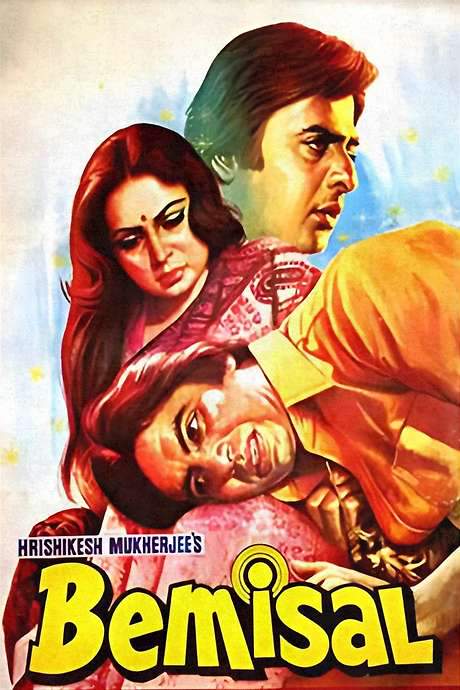
Dr. Kingshuk Guha, a renowned gynecologist, faces a professional crisis when one of his patients, Kabita Mondol, dies on the operating table while he is away buying a luxury apartment for his family. Kabita Mondol's enraged husband and relatives mob the hospital, and upon hearing the news, Rumi rushes to support him. There, she sees Kabita's corpse lying unattended in the empty operating theater and begins to imagine that the dead woman is communicating with her.
Despite outward signs of comfort and a happy marriage, Rumi is soon forced to confront a troubling doubt: can she still claim happiness when another family has lost someone because of her husband’s actions? This question gnaws at her as she watches the strain grow between them, and the emotional distance between Kingshuk and Rumi widens. Kingshuk refuses to shoulder responsibility for Kabita’s death, even as an official investigation looms and a compensation claim lands on their doorstep, testing the couple’s fragile balance.
The pressure mounts as a medical committee opens proceedings and Kabita’s family seeks a hefty payout—Rs 1,000,000—adding pressure to an already fractured relationship. The tension at home becomes almost unbearable, and the couple gradually stops communicating. Rumi, with their son in tow, leaves to stay with her parents, seeking space and perhaps a chance to save what remains of their family.
Kingshuk ultimately reaches an out-of-court settlement with Kabita’s family for Rs 300,000. Relieved yet unsettled, he phones Rumi to share the news, and his message carries a cruel weight: he has “bought off the patient’s family.” > bought off the patient’s family.
The aftermath is devastating for Rumi. The news unsettles her to the point of a serious fall, resulting in a miscarriage and dangerous abdominal hemorrhaging. As she fights to survive, Kingshuk is forced to face the consequences of his actions in a hospital system that once again drags its feet, paralleling Kabita’s husband’s earlier struggle.
In a cruel twist of fate, the same delays that haunted Kabita’s death shadow the rescue of Rumi, leaving Kingshuk to confront his own culpability in a system that can feel indifferent to individual tragedies. He experiences genuine remorse and seeks forgiveness, determined to make amends for the harm caused.
From Rumi’s perspective, Kabita finally finds closure, and a fragile sense of hope surfaces for a happier future. The story closes on a note that blends tragedy and reconciliation, highlighting the emotional costs of guilt, the burdens of blame, and the uncertain path to healing when justice feels evasive and time itself seems to slow to a crawl.