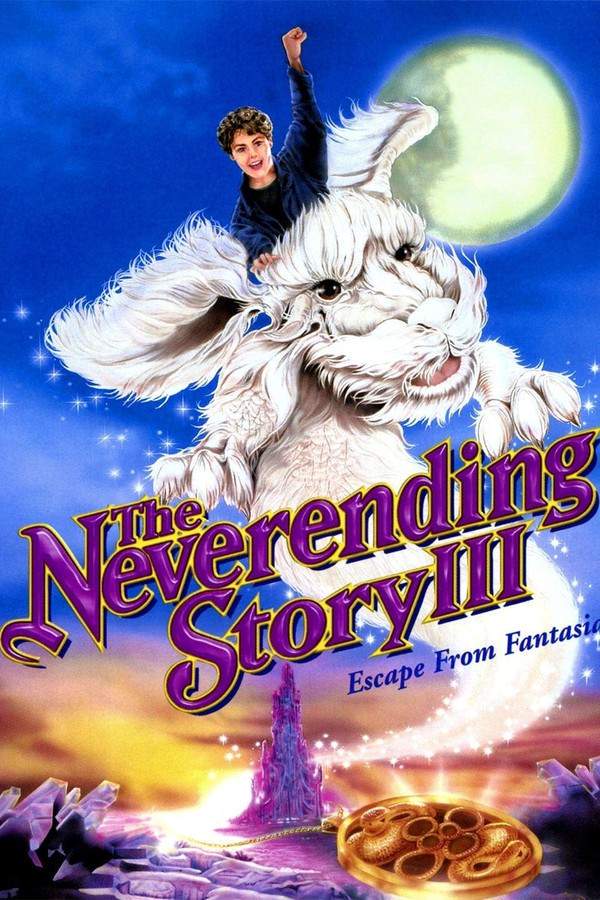
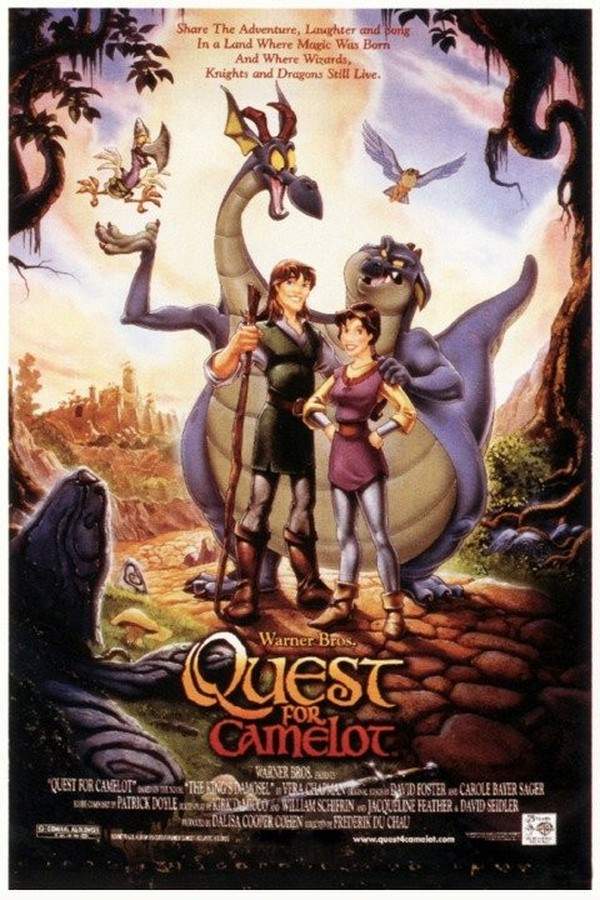
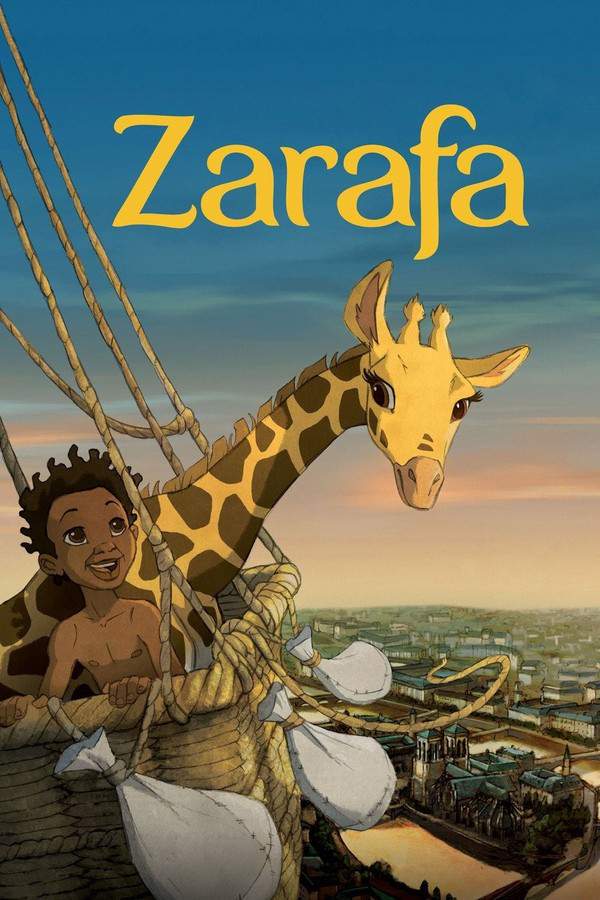
Plot Explained Spoilers guaranteed!
Plot Explained

Browse by genre

Alakazam the Great! (1960) movie poster

Timeline

Alakazam the Great! (1960) Timeline Explained – Every Event in Order

Release, runtime and language
1960 · 88 mins · Japanese
Directed by
Taiji Yabushita, Daisaku Shirakawa
Starring
Nobuaki Sekine, Kiyoshi Kawakubo, Kiyoshi Komiyama, Kinshirô Iwao, Hideo Kinoshita, Noriko Shindô

Duel of the Prehistoric Beasts! Summit Meeting of the Monsters! A mischievous monkey king discovers magical secrets and infuriates the gods, who imprison him. To repay his crimes, he must escort a divine‑born prince on a perilous quest across a dangerous land teeming with monsters, cannibals, demons and other dangers.

On this page (5)
  1. 1 Events in order (12)
  2. 2 Timeline questions answered
  3. 3 Movie threads
  4. 4 Movies like Alakazam the Great!
  5. 5 Every angle

12 events in order · contains spoilers

Alakazam the Great! Timeline: Events in Chronological Order

Every key event of Alakazam the Great! (1960) in order, scene by scene, with when and where it takes place. Use it to untangle flashbacks, time jumps and parallel storylines, to refresh your memory before the sequel or to find the exact scene you are thinking of.

  1. Birth of the stone monkey

    From a mysterious stone, an unusual monkey is born and begins a remarkable journey. He befriends Rin-Rin and proves his courage by diving into a dangerous waterfall, earning the crown of his tribe. This early feat marks the start of his ambitious path.

    When
    Birth
    Where
    Stone birthplace
  2. Crown and arrogance

    Becoming king, he grows arrogant and distant from his subjects. Rin-Rin warns him that humans are the smartest beings, which feeds his insecurity. His fear of humans drives him to seek greater power and knowledge.

    When
    Early reign
    Where
    Monkey tribe
  3. Training with the hermit

    Desiring mastery, he confronts a wise hermit and forces him to take him as a pupil. The hermit teaches him significant magical abilities and rechristens him Son Goku. With new powers, he returns to his tribe to show off his growth.

    When
    After training
    Where
    Hermit's mountain
  4. Flight to heaven and punishment

    Goku travels to heaven to retrieve a sacred fruit and demonstrates his arrogance with magical feats. He defeats General Kinsei and steals his staff, but loses a shape shifting duel to Jiroshinkun. Buddha then imprisons him beneath the Five Elements Mountain.

    When
    After fruit quest
    Where
    Heaven
  5. Rin-Rin's care and Sanzo's intervention

    During his imprisonment Rin-Rin cares for him, softening his pride. A blizzard is stopped when Kanon arrives to save him; Genjo Sanzo frees Goku and invites him on a pilgrimage to Tianzhu, placing an unmovable headband on him.

    When
    Imprisonment
    Where
    Five Elements Mountain
  6. The pilgrimage begins

    Goku accepts Sanzo's invitation and joins the monk on a pilgrimage to Tianzhu. The trio travels a perilous road across deserts, preparing for the long journey to retrieve the sutra. This marks the start of their quest to the sacred scriptures.

    When
    Beginning of journey
    Where
    Desert road
  7. Disguise to rescue the daughter

    The group encounters a father and his daughter being pursued by a monster who wants to marry her. Goku disguises himself as the girl to take her place, fooling the monster when it arrives. The deception is quickly revealed, forcing Hakkai to flee back to his home.

    When
    Early journey
    Where
    Monster's lair
  8. Goku vs the brothers and the scorpion

    Goku is trapped by Ginkaku and Kinkaku in a gourd that melts anyone inside. He escapes and lures the brothers into another trap, only to be knocked into a pit with a giant scorpion. He narrowly defeats the scorpion and traps the two brothers in their gourd.

    When
    During desert crossing
    Where
    Desert
  9. Hakkai joins the group

    Goku spares Hakkai after hearing Rin-Rin's voice and allows him to accompany the group. This alliance strengthens their journey toward Tianzhu and the quest for the sutra.

    When
    After scorpion encounter
    Where
    Desert
  10. Shoryu's attack and Sanzo's capture

    Shoryu informs Gyū-Maō about the pilgrims and lures them to the Flaming Mountains so the demon can feast. Shoryu attacks, scatters the group and captures Sanzo; Goku saves him, though they lose their food in the chaos.

    When
    Desert crossing
    Where
    Flaming Mountains
  11. Basho-Sen fan and the monster's lair

    The party reaches the ogre Sa Gojō, who tries to eat Hakkai and Sanzo, but Goku defeats him and earns his allegiance. At Flaming Mountains, Gyū-Maō causes an eruption blocking the path, and Goku learns of Ratsunyō and the Basho-Sen fan to freeze lava. Goku and Hakkai disguise themselves as Gyū-Maō to retrieve the fan, but Ratsunyō captures Hakkai while Goku escapes with the fan.

    When
    Mid journey
    Where
    Flaming Mountains
  12. Climax: battle with Gyū-Maō and sutra delivery

    Shoryu betrays Goku by stealing the fan and trapping him in lava, leaving him paralyzed. Goku survives thanks to allies and Gyū-Maō is defeated as he falls into lava. Hakkai uses the Basho-Sen fan to freeze the lava, and the group reaches Tianzhu to meet Buddha and Kanon; Buddha removes Goku's headband and grants the sutra, allowing them to return to China where Goku is reunited with Rin-Rin.

    When
    Climax and completion
    Where
    Tianzhu and China

Last updated: October 09, 2025 at 11:18

Was this helpful?

Timeline questions answered

Alakazam the Great! Timeline Explained: Your Questions Answered

When does it happen, and why in that order? The questions people ask about the chronology of Alakazam the Great! (1960): time jumps, flashbacks, cause and effect between scenes and the correct order of events, each answered with spoilers.

Q1

Why did Buddha imprison Goku under the Five Elements Mountain?

Buddha imprisoned Goku beneath the Five Elements Mountain as punishment for Goku's arrogance and chaos in heaven. After stealing sacred fruit, defeating celestial guardians, and challenging Buddha himself to a shape-shifting contest, Goku's pride had become unchecked. Buddha presented a test that Goku failed, resulting in his imprisonment as divine justice for his crimes against the celestial order.

Foreshadowing: Goku's early arrogance as monkey king and his theft of the sacred fruit in heaven set the stage for his divine punishment.

  • buddha
  • five elements mountain
  • imprisonment
  • heaven
  • punishment
  • arrogance
Q2

Why did Sanzo put a magical headband on Goku?

Sanzo placed the unyielding magical headband on Goku to create a control mechanism for the rebellious monkey. Since Goku had proven himself uncontrollable and prone to violent outbursts, the headband served as a spiritual tether that Sanzo could tighten at will. This created a dynamic where Goku's freedom depended on his obedience and loyalty to the pilgrimage's mission.

Foreshadowing: Goku's imprisonment beneath the mountain was a direct result of his uncontrollable nature, establishing why Sanzo needed a way to restrain him.

  • sanzo
  • headband
  • magic
  • control
  • pilgrimage
  • tether
Q3

Why did Rin-Rin care for Goku during his imprisonment?

Rin-Rin remained devoted to Goku because of their deep friendship that formed when they were young. She was the one who first showed Goku the larger world beyond the monkey tribe and encouraged his curiosity about humans. Even after his imprisonment, her loyalty never wavered; she visited him during the long winter, and her voice and presence were what kept his humanity intact during the isolation.

Foreshadowing: Rin-Rin's early encouragement of Goku to seek knowledge and her description of humans as the cleverest beings foreshadowed her unwavering devotion.

  • rin-rin
  • care
  • imprisonment
  • loyalty
  • devotion
  • winter
Q4

Why did Goku spare Hakkai and let him join the pilgrimage?

Goku spared Hakkai after hearing Rin-Rin's voice calling to him, which reminded him of compassion and mercy. When Hakkai's half-brothers Ginkaku and Kinkaku trapped Goku in a magic gourd, Goku escaped and trapped them in return, but chose to spare Hakkai and invite him to join the pilgrimage. This act of mercy marked a turning point in Goku's character, showing his growth beyond revenge.

Foreshadowing: Rin-Rin's earlier influence on Goku about humans being clever planted the seeds for his later mercy toward Hakkai.

  • hakkai
  • spared
  • mercy
  • pilgrimage
  • ginkaku
  • kinkaku
  • brothers
Q5

Why did Shoryu betray Goku and steal the Basho-Sen fan?

Shoryu betrayed Goku because he was serving his true master, the demon Gyū-Maō. The imp had been sent to lure the pilgrims into Gyū-Maō's domain so the demon could devour them. When Shoryu disguised himself as Sanzo to steal the Basho-Sen fan back, he used the opportunity to trap Goku in lava, nearly killing him. Shoryu's betrayal was a calculated move to fulfill Gyū-Maō's plan to stop the pilgrimage.

Foreshadowing: Shoryu informed Gyū-Maō about the pilgrims from the beginning, revealing his true allegiance early in their encounter.

  • shoryu
  • betrayal
  • gyū-maō
  • fan
  • trap
  • lava
  • imp
Q6

Why did Buddha remove Goku's headband at the end?

Buddha removed the headband as a symbol of Goku's spiritual transformation and growth. By completing the perilous pilgrimage to Tianzhu and retrieving the sacred sutra, Goku had proven his humility, loyalty, and worthiness. The headband represented his former arrogance and the need for external control; its removal signified that Goku had internalized the lessons of the journey and no longer needed to be restrained.

Foreshadowing: Goku's imprisonment beneath Five Elements Mountain directly resulted from his arrogance, making the headband's removal the ultimate symbol of his change.

  • buddha
  • headband
  • removal
  • tianzhu
  • sutra
  • spiritual growth
  • transformation
Q7

How did Goku escape from Ginkaku and Kinkaku's magic gourd?

Goku escaped the melting gourd by using his shapeshifting abilities to shrink and fly out through the gourd's lid. Once free, he lured the brothers into their own trap by using another gourd, trapping them inside where they would melt. This demonstrated Goku's resourcefulness and the magical abilities he learned from the hermit, turning the brothers' own weapon against them.

Foreshadowing: The hermit's training gave Goku the magical powers necessary to escape such magical traps.

  • gourd
  • escape
  • ginkaku
  • kinkaku
  • shapeshifting
  • magic
  • trap
Q8

What was the Basho-Sen fan and why was it important?

The Basho-Sen was a magical fan capable of freezing lava, essential for crossing the Flaming Mountains. Gyū-Maō, the demon lord, caused volcanic eruptions specifically to block the pilgrims' path. Without the fan, the group could not pass through the molten lava blocking their route to Tianzhu. Obtaining the fan required Goku and Hakkai to disguise themselves as Gyū-Maō and his wife, making it a crucial plot point in the journey.

Foreshadowing: Gyū-Maō's volcanic attack on the pilgrims directly created the need for the Basho-Sen fan.

  • basho-sen
  • fan
  • lava
  • flaming mountains
  • gyū-maō
  • freeze
  • magical
Q9

Why did Goku disguise himself as the daughter to lure the monster?

Goku disguised himself as the daughter because the monster wanted to marry her, and the real daughter was in danger. By taking her place, Goku could lure the monster away from the father and daughter, allowing them to escape. When the monster arrived to claim his bride, Goku revealed his true form and defeated him. This clever deception showcased Goku's quick thinking and willingness to protect innocents.

Foreshadowing: This early encounter established Goku's pattern of using cunning and disguise to overcome obstacles throughout the pilgrimage.

  • disguise
  • monster
  • daughter
  • father
  • lure
  • escape
  • deception
Q10

Why did Gyū-Maō trap Shoryu in a jar?

Gyū-Maō trapped Shoryu in a jar because the demon had no intention of sharing his victory or rewarding loyalty. Even though Shoryu had served Gyū-Maō faithfully by luring the pilgrims into the trap and stealing the fan, the demon betrayed him once Shoryu was no longer useful. This demonstrated Gyū-Maō's true nature as a selfish, treacherous villain who valued only his own advancement.

Foreshadowing: Shoryu served Gyū-Maō willingly, unaware that demons do not honor loyalty.

  • gyū-maō
  • shoryu
  • betrayal
  • jar
  • trap
  • demon
  • loyalty
Q11

How did Goku's character change from arrogant king to humble hero?

Goku's transformation occurred through a series of humbling experiences: imprisonment beneath Five Elements Mountain softened his pride, Rin-Rin's loyalty showed him the value of genuine connection, and the pilgrimage's challenges taught him mercy and teamwork. Each encounter, from his defeat by Buddha to learning to spare Hakkai, gradually wore down his arrogance. By the journey's end, his willingness to sacrifice himself for others and his humility before Buddha demonstrated his complete character arc.

Foreshadowing: Goku's early arrogance as monkey king and his refusal to accept limits directly led to his imprisonment and the need for redemption.

  • goku
  • transformation
  • arrogance
  • growth
  • humility
  • redemption
  • character development
Q12

Why did Gyū-Maō fall into lava and die at the end?

Gyū-Maō fell into his own lava because his domains of fire and trickery were turned against him. The demon had built his entire power around the Flaming Mountains and lava, but Goku's group used his own fan against him. During the final battle, Gyū-Maō was defeated and driven into the very lava he commanded. Hakkai then used the Basho-Sen fan to freeze the lava, trapping the demon in his own element, a poetic justice for a villain who used fire as his weapon.

Foreshadowing: Gyū-Maō's reliance on lava as his primary weapon made his defeat through that same element inevitable.

  • gyū-maō
  • lava
  • defeat
  • fall
  • frozen
  • fire
  • justice

Movie threads

More Movies Like Alakazam the Great!, by Mood & Story

Curated lists built around what makes Alakazam the Great! tick: the same mood, the same kind of story or the same emotional payoff. Each list explains why these movies belong together.

Whimsical Mythical Quests like Alakazam the Great!

Animated adventures where magical heroes battle monsters on epic, hopeful pilgrimages. If you enjoyed the magical journey and monster battles of Alakazam the Great!, explore more movies like it. These animated fantasies feature epic pilgrimages, loyal companions, and a tone of hopeful adventure, perfect for fans of classic quest storytelling.

  • whimsical
  • adventurous
  • uplifting
  • fantastical
  • epic
  • hopeful
  • Tone: whimsical, adventurous, hopeful
  • Pacing: steady, episodic
Why these movies?

The story pattern: Stories in this thread typically follow a hero or group on a clear, divine-inspired mission. The plot unfolds as a sequence of episodic challenges—battling monsters, outwitting demons, solving magical puzzles—that test the characters' skills and strengthen their bonds. The central character arc often involves a proud individual learning humility and teamwork, culminating in a triumphant victory that restores balance.

Why they belong together: These films are grouped by their shared sense of magical adventure, a lighthearted yet adventurous tone, and a narrative built around a linear, objective-driven quest. They balance thrilling monster battles with themes of loyalty and self-improvement, creating a consistently uplifting and engaging experience.

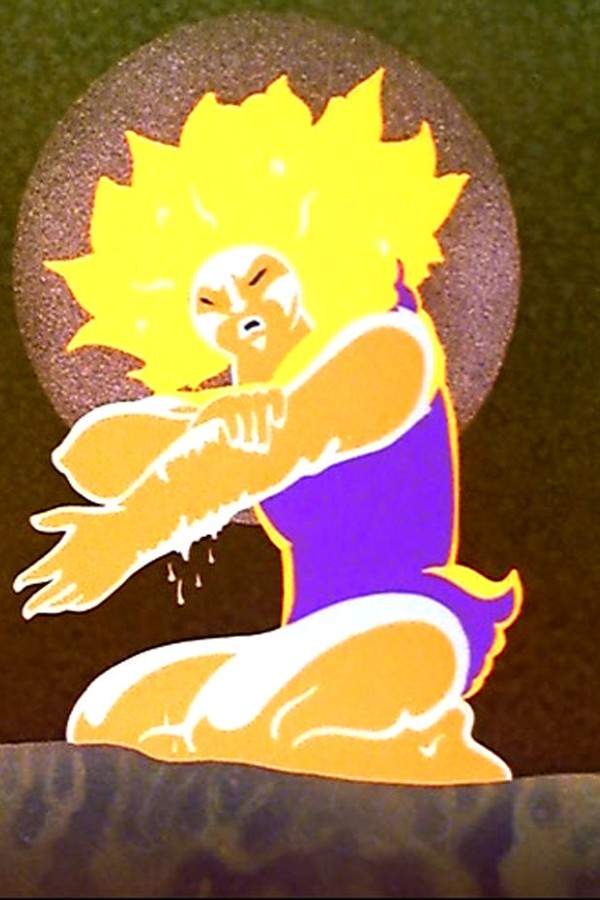
Arrogant Hero Redemption Arcs like in Alakazam the Great!

Stories of proud characters humbled by their mistakes, who earn forgiveness through selfless acts. Fans of the monkey king's journey from arrogance to humble hero in Alakazam the Great! will enjoy similar stories. These movies focus on characters who must learn humility and earn redemption through a challenging quest, blending medium emotional weight with a ultimately hopeful conclusion.

  • humbling
  • redemptive
  • character growth
  • earnest
  • hopeful
  • journey
  • Tone: humbling, hopeful, adventurous
  • Pacing: steady, character-driven
Why these movies?

The story pattern: The narrative pattern follows a clear fall-and-rise structure. An overconfident character's hubris leads directly to a calamitous downfall or imprisonment. Their path to redemption is framed as a penitent quest, where they must right their wrongs by helping others. The central conflict is internal—the struggle against their own ego—manifesting in external challenges that teach them loyalty, humility, and the true meaning of strength.

Why they belong together: Movies in this thread share a focused character arc: the transformation from arrogance to humility. They balance a medium emotional weight, exploring the protagonist's shame and growth, with an adventurous plot that serves as the crucible for their change. The tone can vary but often retains an element of hope, emphasizing the possibility of forgiveness.

If you liked this

Movies Like Alakazam the Great!

Similar movies to Alakazam the Great!: the same genre, themes or kind of story. Each one comes with its own plot summary, timeline and ending explained.

Browse all movie summaries

Every angle

Alakazam the Great! (1960) Explained: Plot, Timeline & Characters

Everything about Alakazam the Great! in one place: what happens in the plot summary, the timeline in chronological order, the characters and meaning and a spoiler-free summary. What's After the Movie adds the cast, box office and post-credit scenes.

Coming soon on iOS and Android

The Plot Explained Movie Summary App

Plot summaries, endings explained and timelines on your phone. Catch up on any movie in minutes, save your favorites and never miss a twist again.

Be the first to know when we launch. Your email stays private, always.

Learn more about the app