Plot Explained Spoilers guaranteed!
Plot Explained

Browse by genre

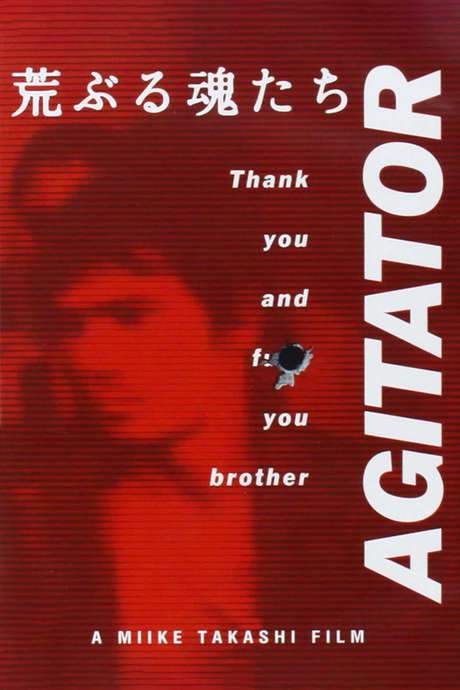
Agitator (2001) movie poster

Characters & Themes

Agitator (2001) Characters, Setting & Themes Explained

Release, runtime and language
2001 · 150 mins · Japanese
Loading streaming availability…
Starring
Daisuke Ryû, Ken'ichi Endô, Naoto Takenaka, Takashi Miike, Masatô Ibu, Hitoshi Ozawa

A gruff salute of “thank you—and fuck you—brother” opens the story. When a reckless young Yakuza torments patrons at a rival crime family’s nightclub, his corpse is soon discovered. The killing sparks inter‑family retaliation, leading to the murder of a powerful crime boss. Devastated, the hot‑headed Kenzaki vows revenge, and a brutal cycle of violence erupts, driving the body count to staggering levels.

On this page (8)
  1. 1 Where to watch
  2. 2 Characters explained (13)
  3. 3 Where & when it takes place
  4. 4 Themes & meaning (3)
  5. 5 Character & meaning questions
  6. 6 Movie threads
  7. 7 Movies like Agitator
  8. 8 Every angle
Loading streaming availability…

13 main characters · contains spoilers

Agitator Characters Explained: Who Is Who

The main characters of Agitator (2001), heroes and villains: what drives them, how they change over the course of the story and what each of them reveals about the film's bigger ideas.

  • Kaito (Hiroki Matsukata)

    A ruthless, calculating leader who commands the Kaito Group within the Tenseikai Syndicate. His aim is to absorb the Yokomizo Family and Shirane Group to position himself as the syndicate’s rightful successor. He relies on manipulation and tactical deception, pitting allies against each other while keeping his own hands clean through proxies. His keen sense of timing and read on people make him the central force driving the power play.

    • 🗡️ Ruthless
    • 🧠 Mastermind
    • 💼 Power broker
    • 🕵️‍♂️ Strategist
  • Mizushima (Masatô Ibu)

    Head of the Shirane Group, a sharp-witted strategist promised the top position within Shirane if the plan succeeds. He is pragmatic, patient, and willing to gamble his own future for the broader consolidation of power. His calculations reveal a readiness to twist loyalties for advancement, embodying the cold logic of the scheme.

    • 🧠 Brainy
    • 🗡️ Ambitious
    • 🧭 Calculating
    • 🕵️‍♂️ Manipulative
  • Muroi (Ken'ichi Endô)

    A trusted insider within Shirane who spearheads violence as the catalyst for the plot. He cultivates fear and uses force to move the plan forward, proving willing to endure risk for the sake of advantage. His brutality and willingness to push others toward dangerous outcomes highlight the cost of power games.

    • 🗡️ Violent
    • 🧭 Opportunistic
    • 🧩 Loyal
  • Shinozaki (Takashi Miike)

    An external assassin hired to destabilize Yokomizo turf, he launches strikes that ripple through the allegiances of the underworld. His presence introduces a blunt, destabilizing force that accelerates the power struggle and prompts urgent responses from rival factions. He embodies the cold, professional edge of professional violence.

    • 🗡️ Assassin
    • 🧭 Instrument of chaos
    • 🧠 Skilled
  • Numata (Hakuryu)

    A hired outsider killer who executes the plan’s darkest moves and later escalates into a pivotal power pivot. His actions drive key betrayals and escalate the conflict, culminating in a fatal confrontation that reshapes loyalties. He operates as a cold instrument of the broader scheme.

    • 🗡️ Assassin
    • 🧭 Opportunist
    • 🩸 Bloodthirsty
  • Yokomizo Takanori (Mickey Curtis)

    Patriarchal head of the Yokomizo Family, a key target and strategic adversary in the power struggle. He faces relentless pressure from rival factions and a brutal attempt on his turf, ultimately meeting a climactic act of violence that reshapes the balance of power. His leadership is tested by shifting loyalties and violent upheaval.

    • 🗡️ Targeted
    • 🏛️ Patriarch
    • 🤝 Power broker
  • Higuchi (Naoto Takenaka)

    Leader of the Higuchi Gang, a shrewd operator who negotiates alliances and repositioning with clear-eyed pragmatism. He severs ties with Yokomizo at a critical moment and participates in the broader maneuvering that distributes influence. His choices reflect the pragmatic, often cold calculus of underworld politics.

    • 🗡️ Boss
    • 🧭 Realist
    • 🕵️‍♂️ Opportunist
  • Kunihiko Kenzaki (Masaya Katô)

    A ruthless strategist who leads the Kenzaki Squad and drives brutal acts to push the plan forward. He carries out decisive killings, kidnaps rivals, and outmaneuvers opponents, ultimately surviving the blood-soaked purge with a hardened resolve. His merciless pragmatism cements his role as a key architect of the climactic shift in power.

    • 🗡️ Merciless
    • 🧭 Strategist
    • 🤝 Opportunist
  • Torii (Ryôsuke Miki)

    Rises as the head of the Higuchi Gang, positioning himself to influence outcomes through force and strategic alignments. He dispenses gains to his men while navigating the treacherous tides of loyalty, showing a knack for turning crisis into opportunity. His moves underscore the volatile nature of gang leadership.

    • 🗡️ Enforcer
    • 🧭 Rival ally
    • 🛡️ Power broker
  • Sakuraba (Yoshiyuki Daichi)

    Kunihiko’s soldier whose kidnapping amplifies the terror of the power grab. He embodies the expendable pawn in the larger chessboard of factional struggles and is a casualty of shifting loyalties. His fate signals the brutal stakes of the underworld war.

    • 🗡️ Loyal
    • 🧠 Pawn
    • 🕯️ Sacrificial
  • Ôtomo (Yoshiyuki Yamaguchi)

    A loyalist figure whose loyalties align with the shifting factions, playing a crucial role in the network of alliances. He becomes entwined in the climactic battles and ultimately meets his end amid crossfire, underscoring the fatal cost of the power struggle.

    • 🗡️ Ally
    • 🧭 Realist
    • ⚔️ Fatalist
  • Hitoshi (Norihisa Kobayashi)

    A survivor whose strategic patience helps him outlive rivals and emerge as part of the post-battle order. He navigates the shifting loyalties with caution, aligning with Kunihiko as the old guards fall. His pragmatism positions him as a stabilizing, if morally ambiguous, presence.

    • 🧭 Survivor
    • 🗡️ Loyal
    • 🤝 Realist
  • Aya Kawamura (Aya Kawamura)

    Kunihiko’s girlfriend who sits at the periphery of the power struggle, reflecting how personal relationships intersect with political ambition. Her presence underscores the human cost of schemes and the ways intimate ties are affected by factional games. She functions as a quiet observer within the chaos.

    • 💞 Lover
    • 🧭 Catalyst
    • 🕵️‍♂️ Connector

Last updated: October 05, 2025 at 08:23

Was this helpful?

Setting

Where and When Does Agitator Take Place?

The setting of Agitator (2001): the year and time period, the places and locations, and how they shape the characters, the mood and the tension of the story.

Time period

Location

Yokomizo Family turf, Shirane Group HQ, Higuchi Gang territory

The action unfolds across the brutal underworld territories controlled by rival yakuza factions. The Yokomizo Family's turf anchors the drama, with the Shirane Group's headquarters serving as a nerve center for plotting and power plays. Smoky offices, dim backstreets, barber shops, and secluded hideouts become the stages where alliances are forged and betrayed as power shifts unfold.

  • 🗺️ Underworld
  • 🏙️ Urban crime
  • 🕳️ Backroom politics

Last updated: October 05, 2025 at 08:23

Was this helpful?

3 major themes

Agitator Meaning: Themes & Message Explained

What is Agitator (2001) really about? The emotional, social and philosophical themes the film keeps returning to, its symbolism and the message beneath the surface.

  • Power

    The film is a study in power consolidation within the Tenseikai Syndicate, driven by Kaito's ambition to absorb rival factions. Strategic moves, assassinations, and calculated alignments propel the plot toward a single scent of dominance. Leadership is tested by fear, leverage, and the ruthlessness required to survive in a fractured underworld.

  • Loyalty

    Loyalties shift as factions promise top positions in exchange for loyalty, only to betray when convenient. The staged brotherhood between Mizushima and Muroi exposes how easily trust dissolves under pressure. Friendships become liabilities as power dictates the terms of allegiance.

  • Strategy

    Manipulation drives the plot: staged hits, blackmail, and misdirection weave a complex web of cause and effect. Characters adapt, realign, and exploit rivals’ ambitions to tilt the balance of power. The culmination reveals how calculated strategy can outlive personal loyalty and moral boundaries.

Last updated: October 05, 2025 at 08:23

Was this helpful?

Character & theme questions

Agitator Characters & Meaning: Your Questions Answered

The questions people ask about Agitator (2001): who the characters really are, their relationships, what the symbols mean, where it takes place and what the movie is really about. Each answer contains spoilers.

Q1

Where does Agitator take place?

Agitator unfolds in the brutal underworld territories controlled by rival yakuza factions. The primary settings include the Yokomizo Family's turf, the Shirane Group's headquarters as a nerve center for plotting, and Higuchi Gang territory. The action takes place in smoky offices, dim backstreets, barber shops, and secluded hideouts where alliances are forged and betrayed.

  • japan
  • yakuza
  • tokyo
  • crime underworld
  • gang territory
Q2

What are the main themes in Agitator?

Agitator explores three interconnected themes: Power, Loyalty, and Strategy. The film examines power consolidation within the Tenseikai Syndicate, showing how strategic moves and assassinations drive characters toward dominance. Loyalty is tested as factions promise top positions in exchange for allegiance, only to betray when convenient. Strategy dominates as characters use staged hits, blackmail, and misdirection to outmaneuver rivals.

  • power
  • loyalty
  • strategy
  • yakuza
  • betrayal
Q3

Who is Kaito in Agitator?

Kaito (played by Hiroki Matsukata) is the ruthless leader of the Kaito Group within the Tenseikai Syndicate. He is the central force driving the power play, aiming to absorb the Yokomizo Family and Shirane Group to become the syndicate's rightful successor. Kaito relies on manipulation and tactical deception, pitting allies against each other while keeping his hands clean through proxies.

  • kaito
  • hiroki matsukata
  • tenseikai syndicate
  • leader
Q4

How does Agitator explore loyalty?

Agitator depicts loyalty as a fluid, transactional commodity in the yakuza world. The staged brotherhood between Mizushima and Muroi demonstrates how trust dissolves under pressure. Friendships become liabilities as power dictates the terms of allegiance, with characters willing to sacrifice longtime allies for strategic advancement.

  • loyalty
  • betrayal
  • yakuza code
  • trust
Q5

Who is Mizushima in Agitator?

Mizushima (Masatô Ibu) heads the Shirane Group and serves as a sharp-witted strategist promised the top position within the syndicate if the consolidation plan succeeds. He is pragmatic, patient, and willing to gamble his future for broader power consolidation. His calculations reveal a cold logic, showing readiness to twist loyalties for advancement.

  • mizushima
  • masatô ibu
  • shirane group
  • strategist
Q6

How does Agitator depict power?

The film presents power as the ultimate currency in the criminal underworld, where leadership is tested by fear, leverage, and ruthlessness. Kaito's ambition to absorb rival factions drives the entire narrative, with strategic assassinations and calculated alignments moving the plot toward a single goal: dominance over the Tenseikai Syndicate.

  • power
  • dominance
  • syndicate
  • leadership
  • control
Q7

Who is Muroi in Agitator?

Muroi (Ken'ichi Endô) is a trusted insider within the Shirane Group who spearheads violence as the catalyst for the power consolidation plot. He cultivates fear and uses force to move the plan forward, demonstrating willingness to endure risk for advantage. His brutality highlights the human cost of power games.

  • muroi
  • ken'ichi endô
  • shirane group
  • violence
Q8

Who is Kunihiko Kenzaki in Agitator?

Kunihiko Kenzaki (Masaya Katô) leads the Kenzaki Squad and serves as a ruthless strategist who drives brutal acts to advance the plan. He carries out decisive killings, kidnaps rivals, and outmaneuvers opponents. His merciless pragmatism cements his role as a key architect of the climactic shift in power within the syndicate.

  • kunihiko kenzaki
  • masaya katô
  • kenzaki squad
  • strategist
Q9

What role does strategy play in Agitator?

Strategy is the driving engine of Agitator's plot, with manipulation through staged hits, blackmail, and misdirection weaving a complex web of cause and effect. Characters constantly adapt, realign, and exploit rivals' ambitions to tilt the balance of power. The culmination reveals how calculated strategy can outlive personal loyalty and moral boundaries.

  • strategy
  • manipulation
  • deception
  • chess
  • tactics
Q10

What is the Higuchi Gang's role in Agitator?

The Higuchi Gang, led by Naoto Takenaka's character, functions as a shrewd operator in the power struggle. They negotiate alliances and repositioning with clear-eyed pragmatism, ultimately severing ties with Yokomizo at a critical moment. Their choices reflect the cold calculus of underworld politics, showing how pragmatic survival often trumps loyalty.

  • higuchi gang
  • naoto takenaka
  • alliance
  • underworld politics
Q11

What is the tone of Agitator?

Agitator maintains a consistently dark, grim tone driven by unflinching focus on murder, torture, and the emotional devastation of broken loyalties. The film features high-intensity violence with immediate severe consequences, creating a pervasive sense of danger. The pacing is fast, with rapid assassinations, betrayals, and retaliations leaving little narrative downtime.

  • dark tone
  • violence
  • crime drama
  • intensity
  • bleak

Movie threads

More Movies Like Agitator, by Mood & Story

Curated lists built around what makes Agitator tick: the same mood, the same kind of story or the same emotional payoff. Each list explains why these movies belong together.

Gritty crime cycle movies like Agitator

Stories where revenge and betrayal trigger an unstoppable cascade of brutality. If you liked the relentless brutality and fatalistic spiral of violence in Agitator, explore these movies. This section features similar fast-paced crime stories steeped in betrayal and revenge, creating a tense and bleak viewing experience for fans of hard-hitting yakuza and organized crime dramas.

  • violent
  • tense
  • brutal
  • ruthless
  • fatalistic
  • grim
  • Tone: dark, tense, bleak
  • Pacing: fast, relentless
Why these movies?

The story pattern: The narrative typically begins with a catalyst—an assassination or betrayal—that shatters an already fragile balance of power. This single event sets off a domino effect of retaliations, drawing characters deeper into a vortex of violence from which there is no escape. The journey is one of escalating stakes, broken loyalties, and the tragic realization that the cycle consumes everyone involved.

Why they belong together: Movies are grouped here because they share a core narrative engine: an unstoppable cycle of violence driven by codes of honor, revenge, and power struggles. They create a similar viewing experience defined by high tension, fast pacing, dark tone, and a bleak outlook on the futility of violence.
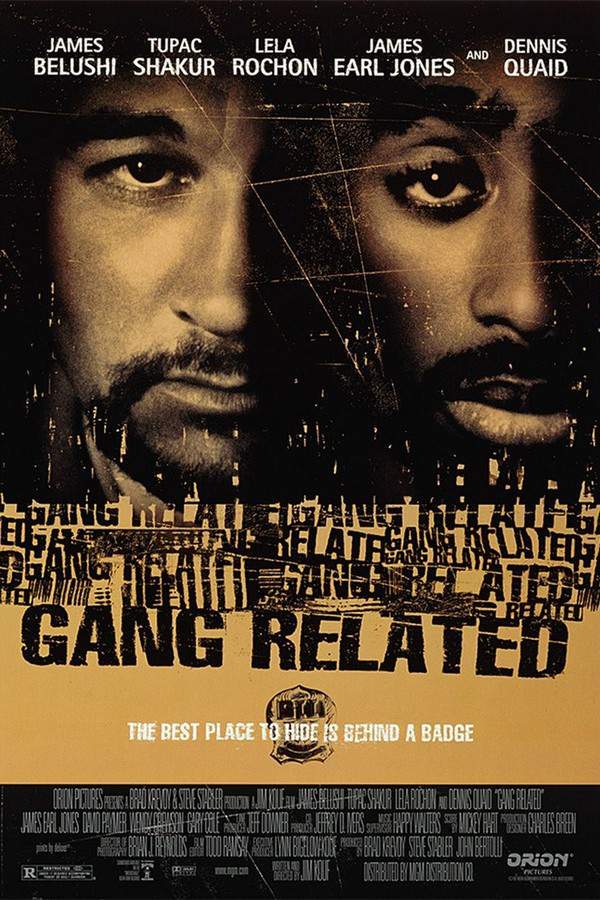
Paranoid underworld thrillers similar to Agitator

Cinematic journeys into claustrophobic criminal hierarchies where trust is a liability. For viewers who appreciated the tense power struggles and pervasive sense of betrayal in Agitator, this section collects movies with a similar feel. Discover more complex crime dramas that explore the ruthless ambition and deep-seated paranoia within tight-knit criminal worlds, offering a gritty and emotionally heavy experience.

  • paranoid
  • tense
  • gritty
  • ruthless
  • claustrophobic
  • complex
  • Tone: dark, paranoid, tense
  • Pacing: variable, but often fast-paced with intricate plotting
Why these movies?

The story pattern: These stories unfold within rigid, hierarchical structures like yakuza families or mafia syndicates. The plot revolves around a power vacuum or a consolidation scheme, forcing characters to navigate a web of shifting allegiances. The narrative is often complex, driven by deceptions and layered motivations, as characters grapple with the question of who to trust in a world built on distrust.

Why they belong together: These films are united by their immersive and grim depiction of criminal organizations as pressure cookers of ambition and fear. They share a high emotional weight, a complex narrative structure, and a consistently dark tone that makes loyalty feel like a temporary and dangerous luxury.

If you liked this

Movies Like Agitator

Similar movies to Agitator: the same genre, themes or kind of story. Each one comes with its own plot summary, timeline and ending explained.

Browse all movie summaries

Every angle

Agitator (2001) Explained: Plot, Timeline & Characters

Everything about Agitator in one place: what happens in the plot summary, the timeline in chronological order, the characters and meaning and a spoiler-free summary. What's After the Movie adds the cast, box office and post-credit scenes.

Coming soon on iOS and Android

The Plot Explained Movie Summary App

Plot summaries, endings explained and timelines on your phone. Catch up on any movie in minutes, save your favorites and never miss a twist again.

Be the first to know when we launch. Your email stays private, always.

Learn more about the app