A college professor (Julia Roberts) is forced to confront a personal and professional crisis when a top student (Ayo Edebiri) accuses her colleague (Andrew Garfield) of misconduct, while a long‑hidden secret from the professor’s own past threatens to surface, putting her career and relationships at risk.
Warning: spoilers below!
Haven’t seen After the Hunt yet? This summary contains major spoilers. Bookmark the page, watch the movie, and come back for the full breakdown. If you're ready, scroll on and relive the story!
Read the complete plot breakdown of After the Hunt (2025), including all key story events, major twists, and the ending explained in detail. Discover what really happened—and what it all means.
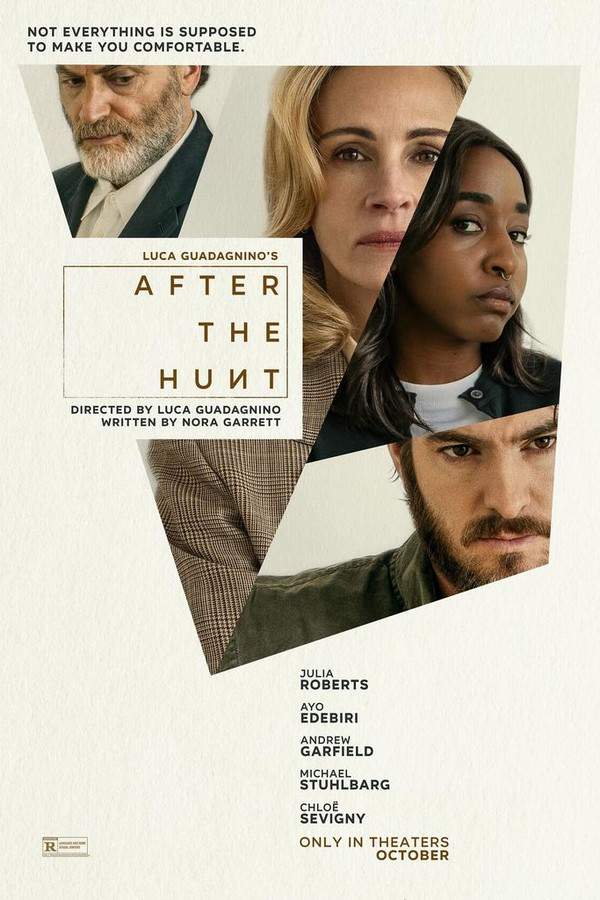
Alma Imhoff, Julia Roberts, a Yale philosophy professor who has just returned from an extended medical leave, hosts a dinner party at her home in September 2019. Her therapist husband, Frederik Mendelssohn, attends alongside Hank Gibson Andrew Garfield, Alma’s colleague and best friend, and Maggie Resnick Ayo Edebiri, her top PhD student who is openly queer. The gathering is intimate in its warmth but tense with the undercurrents of tenure battles and personal histories. Alma and Hank are both up for tenure, a pressure that frames every careful debate and quiet exchange throughout the evening. The conversation lingers around ambition, mentorship, and the lines scholars navigate to protect their careers, as well as the loyalties that bind colleagues to one another.
During the night, Maggie discovers a mysterious envelope tucked away in the bathroom cupboard. Inside are old mementos and a newspaper clipping written in German, which she pockets for later. Frederik privately remarks to Alma that Hank and Maggie seem to be drawn to her influence—perhaps more for what she represents than for any genuine connection. The next day, Maggie is conspicuously absent from Alma’s class, and that night she confides in Alma that Hank sexually assaulted her in her home after she invited him over for a nightcap. Hank denies the allegation, arguing that Maggie invited him and suggesting she is fabricating the story to undermine his career, pointing to a past disagreement over a plagiarism accusation. The tension between loyalty, consent, and professional duty begins to ripple through the campus like a tremor.
Alma’s decisions grow more complicated as she moves to involve the dean, which Maggie views as a betrayal of trust. Maggie and Hank separately ask Alma for her support, while Alma returns home to find the envelope’s newspaper clipping missing, prompting her to burn much of what remained inside. The following day, Hank is fired and storms into Alma’s classroom, accusing her of not standing up for him to protect her own career. The scene escalates as Maggie walks outside, and Alma follows to comfort her, inviting her to dinner that night. The pair share a fragile moment of reconciliation, but the union remains fragile as Maggie mentions to Alma that a reporter has approached her about going public with the allegations. A faculty colleague, Dr. Kim Sayers, who serves as Yale’s university psychiatrist, urges Maggie to speak out while also voicing skepticism about the way students’ problems are handled in their generation.
When Maggie goes public with her accusation in the Yale Daily News, Alma is forced to confront a painful layer of her own past. Maggie reveals that Alma, as a teenager, accused a trusted family friend of rape but later recanted, a disclosure that casts a troubling light on Alma’s current reactions to Maggie’s testimony. Alma accuses Maggie of violating her privacy, and the moment marks a turning point in their relationship. In the hospital, Alma confronts the truth about her teenage experience, and Frederik helps her lay out the long-hidden details. The truth is wrenching: Alma had a sexual encounter with the man when she was 15, and she had later alleged rape against him—an accusation that contributed to his suicide, though Alma insists she never had sex with him and maintains that it was a case of statutory rape. Frederik reminds her that even if she feels hurt by what happened, the sin of what occurred in the past cannot erase the realities of statutory rape. The admission helps explain Alma’s fragile emotional state and her attempts to reconcile guilt with accountability.
In a pivotal late-night moment, Alma forges a prescription for herself with the help of Kim, triggering consequences that pause her tenure bid. As tensions reach a boiling point, Alma confronts Maggie on campus, leveling a barrage of criticisms: Maggie’s work ethic, her mannerisms, her apparent privilege as the child of wealthy Yale donors, and an insinuation that her relationship with her non-binary partner, Alex, is performative. The confrontation leaves Maggie no choice but to respond physically, slapping Alma in a moment of raw anger and hurt.
Seeking solace, Alma retreats to a wharfside vacation apartment where Hank has secretly returned, using borrowed keys he obtained from Alma’s sister’s past visit. The two of them confront their tangled history. Hank acknowledges flirting with students but denies any sexual or romantic transgressions beyond a past affair with Alma, whom he still harbors feelings for. In a tense and tender exchange, they kiss, but Alma resists his advances and ultimately throws him out, insisting on a boundary she cannot cross.
Back on campus, the fallout widens as Rolling Stone publishes an article in which Maggie’s criticisms of Yale’s handling of the case become a public spectacle. Alma collapses in the hospital from stomach ulcers, a physical manifestation of the mounting stress and guilt she carries. While recovering, she reveals the full truth about her teenage experience to Frederik, who recognizes that the past has shaped rather than excused her actions. He helps her face the ambiguity of consent, responsibility, and memory, acknowledging the nuance that statutory rape can implicate even in the absence of ongoing trauma.
The film moves to a quietly hopeful but complicated epilogue set in January 2025. Alma has rebuilt her career and now serves as a dean, publishing an article about her experiences with statutory rape from her teen years. She meets Maggie at a diner for what amounts to a long, honest conversation about what happened, where their lives have taken them, and whether happiness can be reclaimed after such wounds. Hank has transitioned into a different career as a political consultant, thriving financially, while Alma remains with Frederik, though Maggie remains doubtful about Alma’s happiness and questions whether the article was a genuine act of accountability or a cynical gesture born of ambition and damage. The two women exchange a nuanced glance that suggests both resolve and unfinished business, and as Alma pays and leaves, the director Luca Guadagnino yells “cut!” off screen, a final meta nod to the artifice and control behind the cinematic telling of their story.
Last Updated: December 04, 2025 at 15:32
Still wondering what the ending of After the Hunt (2025) really means? Here’s a spoiler-heavy breakdown of the final scene, major twists, and the deeper themes that shape the film’s conclusion.
The film closes with a quiet reunion five years after the tragedy. Alma, now the dean of Yale, sits across from Maggie, who has moved on and become engaged to an older woman. Their conversation is a careful dance around the past: Maggie admits she still feels pulled between the admiration she once had for Alma and the pain of being used, while Alma, calm and composed, tells Maggie she is “very happy.” In the final exchange Maggie simply says, “You won,” a thinly‑veiled acknowledgement that Alma’s ambition—not any genuine affection—had driven the whole ordeal.
That brief moment crystallises the film’s moral landscape. Throughout the story we learn that Hank’s predatory behaviour toward Maggie was real, and Alma’s own complicity—her silence, her manipulation of the plagiarism accusations, and even her brief, coercive encounter with Hank—was motivated by a desperate hunger for tenure and power. The epilogue shows that Alma finally secured the position she coveted, shedding the guilt that once made her collapse in front of her students. Maggie, meanwhile, has shed the imitation of Alma’s flat‑styled hair and austere demeanor, embracing a life that is unmistakably her own. The ending leaves us with the unsettling truth that none of the three central characters are wholly good; each has sacrificed something—integrity, empathy, or authenticity—to achieve what they wanted, and the last line reminds us that, in the end, the victory belonged to the one who was willing to betray everything else.
Last Updated: December 10, 2025 at 15:51
Discover curated groups of movies connected by mood, themes, and story style. Browse collections built around emotion, atmosphere, and narrative focus to easily find films that match what you feel like watching right now.
Tense dramas where power structures and personal ethics dangerously intertwine.Explore movies like After the Hunt that delve into the high-stakes world of institutions where secrets and accusations threaten to destroy careers. This selection features similar tense dramas and smart thrillers centered on power dynamics, workplace misconduct, and ethical quandaries in professional settings.
Stories in this thread typically follow professionals whose seemingly stable lives are upended by an accusation or the resurfacing of a hidden past. The plot is driven by internal investigations, whispered rumors, and power struggles, forcing characters to choose between self-preservation and moral integrity.
They are grouped by their shared setting within powerful institutions, a steady pacing that builds psychological suspense, and a dark tone focused on the corrosive effects of secrets and the abuse of power. The viewing experience is intellectually engaging and morally unsettling.
Stories where repressed memories resurface, threatening a carefully constructed present.If you liked the theme of repressed trauma in After the Hunt, discover similar complex dramas and psychological thrillers. These films feature characters grappling with a resurgent past, exploring themes of memory, guilt, and the high personal cost of buried secrets.
The narrative pattern involves a protagonist living a fragile stability, which is shattered when a person or event triggers memories of a suppressed trauma. The journey is internal, focusing on their psychological deterioration, attempts to suppress the truth, and the inevitable, often bittersweet, confrontation with their past.
They share a focus on the heavy emotional weight of trauma, a complex narrative structure that intertwines past and present, and a consistently anxious mood. The experience is character-driven, psychologically intense, and often ends with a sense of bittersweet resolution rather than pure catharsis.
Don't stop at just watching — explore After the Hunt in full detail. From the complete plot summary and scene-by-scene timeline to character breakdowns, thematic analysis, and a deep dive into the ending — every page helps you truly understand what After the Hunt is all about. Plus, discover what's next after the movie.
Track the full timeline of After the Hunt with every major event arranged chronologically. Perfect for decoding non-linear storytelling, flashbacks, or parallel narratives with a clear scene-by-scene breakdown.
Discover the characters, locations, and core themes that shape After the Hunt. Get insights into symbolic elements, setting significance, and deeper narrative meaning — ideal for thematic analysis and movie breakdowns.
What really happened at the end of After the Hunt? This detailed ending explained page breaks down final scenes, hidden clues, and alternate interpretations with expert analysis and viewer theories.
Get a quick, spoiler-free overview of After the Hunt that covers the main plot points and key details without revealing any major twists or spoilers. Perfect for those who want to know what to expect before diving in.
Visit What's After the Movie to explore more about After the Hunt: box office results, cast and crew info, production details, post-credit scenes, and external links — all in one place for movie fans and researchers.
Discover movies like After the Hunt that share similar genres, themes, and storytelling elements. Whether you’re drawn to the atmosphere, character arcs, or plot structure, these curated recommendations will help you explore more films you’ll love.
After the Hunt (2025) Scene-by-Scene Movie Timeline
After the Hunt (2025) Movie Characters, Themes & Settings
After the Hunt (2025) Ending Explained & Theories
After the Hunt (2025) Spoiler-Free Summary & Key Flow
Movies Like After the Hunt – Similar Titles You’ll Enjoy
Graduation (2017) Full Summary & Key Details
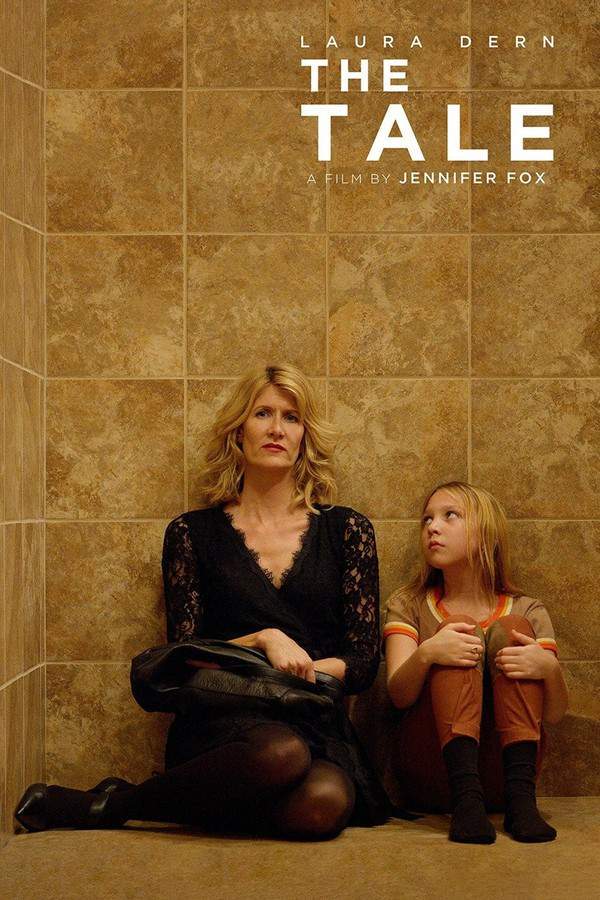
The Tale (2018) Movie Recap & Themes
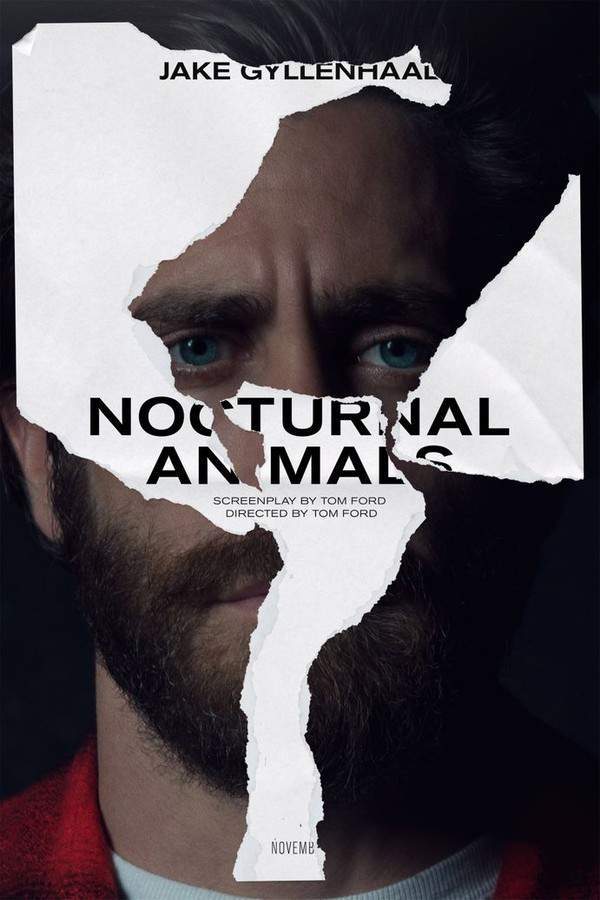
Nocturnal Animals (2016) Detailed Story Recap
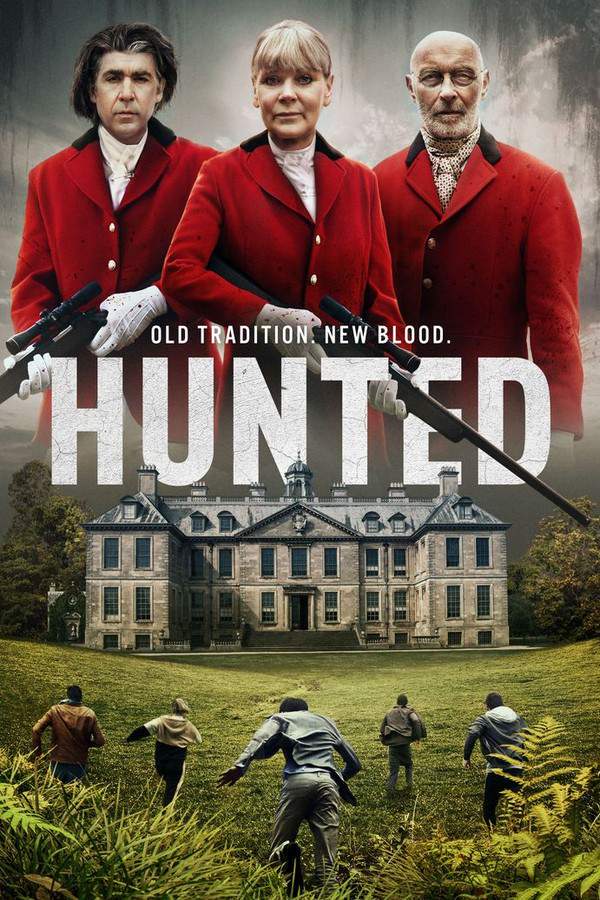
Hunted (2021) Full Summary & Key Details
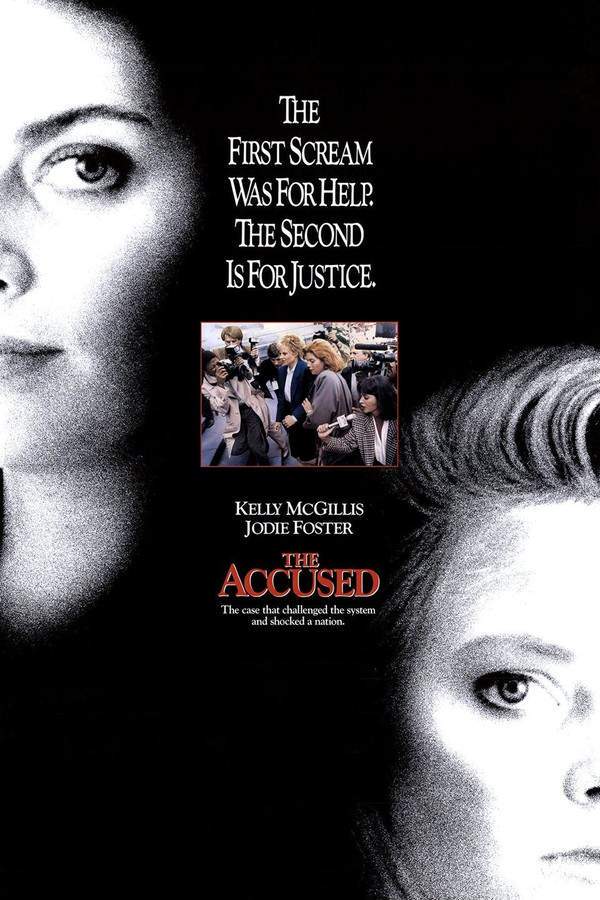
The Accused (1988) Complete Plot Breakdown
Gossip (2000) Story Summary & Characters
After (2019) Full Movie Breakdown
Run with the Hunted (2020) Ending Explained & Film Insights
Hunted (2022) Movie Recap & Themes
Anatomy of a Fall (2023) Full Movie Breakdown
Student Seduction (2003) Ending Explained & Film Insights
Biktima (1990) Plot Summary & Ending Explained
Hunting Ground (1983) Story Summary & Characters
A (1998) Full Movie Breakdown
Accused (2023) Full Summary & Key Details