
Adventures of Captain Fabian
Year: 1951
Runtime: 100 mins
Language: English
Director: William Marshall
Captain Fabian, a swashbuckler, saves Creole maid Lea Mariotte from execution after she kills a man. Lea is linked to bourgeois George Brissac, who schemes to inherit his uncle’s fortune and secure a marriage. Fabian, nursing a grudge against the Brissacs, secretly loves Lea. When she discovers Brissac murdering his uncle, she forces him to marry.
Warning: spoilers below!
Haven’t seen Adventures of Captain Fabian yet? This summary contains major spoilers. Bookmark the page, watch the movie, and come back for the full breakdown. If you're ready, scroll on and relive the story!
Adventures of Captain Fabian (1951) – Full Plot Summary & Ending Explained
Read the complete plot breakdown of Adventures of Captain Fabian (1951), including all key story events, major twists, and the ending explained in detail. Discover what really happened, and what it all means.
In the sweltering heat of 1860 New Orleans, a prosperous estate sits at the center of a tense love triangle and a tangle of secrets. George Brissac Vincent Price owns a sprawling mansion, living a life of privilege while secretly carrying on an affair with Lea Mariotte Micheline Presle, a Creole maid whose gypsy aunt, Aunt Jezebel Agnes Moorehead, adds a chilling layer of suspicion to the household. Their dangerous liaison is threatened when a drunken revelry erupts one night during a party George is away from, and Lea’s admirer becomes a volatile obstacle to their relationship. At the height of the chaos, Lea’s would-be suitor presses his advances; Lea strikes back with George’s cane, delivering a fatal blow to him. The result is a murder that forces George to improvise a cover story and lie on Lea’s trial to keep himself out of the frame.
Captain Fabian Errol Flynn returns to port with no direct link to the crime, yet his instincts tell him there is a deeper plot at work. He attends the trial and, impressed by what he suspects, intervenes, stopping the proceedings and placing Lea in his personal care. Fabian then purchases a local bar, turning his energies toward clearing his own father’s name—the man who once ran a thriving merchant business before a bankruptcy shattered the family. Though Fabian is drawn to Lea, he keeps his feelings restrained, aware of the perilous web surrounding her.
The plot thickens when George’s jealousy and fear of being exposed push him toward drastic actions. In a confrontation that turns deadly, he kills his own uncle Henri Brissac Victor Francen after catching him kissing Lea. Lea, refusing to be silenced, insists that George marry her to protect both of them, a demand that pushes a new arrangement into motion. George’s fiancé arrives with her family, only to learn of the new union and the social fallout that follows. The couple’s marriage does little to redeem George in the eyes of New Orleans society, and Lea becomes increasingly embittered by his reticence and control.
With Lea now legally bound to George, her allure continues to pull at Fabian. He visits her on his ship, recognizes the danger in their relationship, and yet yields to a kiss born of complicated longing, reminding Lea that she is now married. George, wary of Lea’s influence, reports his uncle’s disappearance to the police, a move that leads to the discovery of the uncle’s grave on the estate. In a cruel twist, George has buried an inscribed pocket watch bearing Fabian’s name with the body, steering the investigation toward Fabian and away from Lea. The police press their case, and Lea finds herself holding a key to the fate of both men.
The town’s sentiment turns ugly as George hires a local crook to stage a lynching of Fabian, attempting to manufacture a verdict of communal justice. Aunt Jezebel and Fabian’s own crew mount a rescue operation, releasing him and sending the two factions into a catacomb-and-dock chase through the city. A riot erupts, the mob sets Fabian’s ship ablaze, and the pursuit ends with a brutal underwater confrontation between Fabian and Brissac. Fabian emerges victorious, but the victory is pyrrhic: his ship is wrecked, a powder magazine detonates, and Lea is crushed by a falling mast on the dock. Lea gasps Fabian’s name as she dies, leaving the two men to face the consequences of their ambitions and lies.
This story unfolds as a study in passion, pride, and deception, where social expectations, personal desire, and family honor collide with deadly consequences. It paints a portrait of a crumbling era where love can be both a weapon and a temptation, and where the lines between justice and vengeance blur beneath the water’s surface and the nocturnal shadows of old New Orleans.
Last updated: October 09, 2025 at 12:41
Adventures of Captain Fabian (1951) Plot Questions Answered – Summary FAQ
Explore frequently asked questions about Adventures of Captain Fabian (1951) with spoiler-rich answers covering the full plot summary, major story beats, character motivations, hidden details, and ending meaning. This movie summary FAQ helps explain confusing scenes, plot twists, and narrative decisions in clear, searchable detail.
Why does Lea insist that George marry her after finding him with his uncle's body?
Lea demands marriage because she now holds deadly leverage over George, he is a murderer and she is his only witness. By forcing him to marry her, she ensures her own protection and social standing in New Orleans, while also binding George to her in a way that keeps his secret safe. This marriage becomes her shield against exposure and retaliation, though it ultimately brings her neither happiness nor security.
Earlier, Lea's gypsy aunt Jezebel warns of danger, hinting that Lea's dangerous game will have consequences.
Why does George kill his uncle Henri Brissac?
George discovers his uncle Henri kissing Lea and, consumed by jealousy and fear of scandal, attacks Henri in a fit of rage. The murder seals Lea further into George's web of secrets, she now knows he is capable of killing to protect his reputation. This act also ensures that Henri's inheritance will never reach George, as the family honor is irrevocably destroyed.
George's secret affair with a maid and his controlling jealousy over Lea have been established throughout the story.
Why does George bury Fabian's pocket watch with his uncle's body?
George plants the inscribed pocket watch bearing Fabian's name to frame him for the murder. Knowing the watch will be discovered during the investigation, George manipulates the police into believing Fabian is the killer, diverting suspicion away from himself and Lea. This calculated act demonstrates George's desperation to escape consequences while destroying his rival.
The watch was established earlier as Fabian's personal item, making it the perfect frame job.
Why does Captain Fabian stop Lea's murder trial and take her into his care?
Fabian intervenes because he suspects the trial is a sham, he sees through George's manipulation of the evidence and recognizes that Lea is being unjustly condemned. Though he has his own motives (his grudge against the Brissac family and his growing feelings for Lea), Fabian acts to expose the truth and protect an innocent woman from execution.
Fabian's return to New Orleans is marked by his suspicion of the Brissac family's activities.
Why does George orchestrate Fabian's lynching?
George hires a local criminal to stage a mob execution because the legal system is failing to condemn Fabian, townspeople support the popular captain and oppose his detention. Desperate to eliminate Fabian before he uncovers the truth, George attempts to manufacture false community justice that will legally clear him of suspicion while removing his rival permanently.
Fabian's rising suspicion and his investigation into George's activities have been building toward this confrontation.
Why does Lea go to Fabian's ship after marrying George?
Lea visits Fabian because her marriage to George has brought her no happiness, he has grown cold and controlling, and she remains trapped in a loveless, scandalous union. Despite her marriage vows, Lea's true feelings lie with Fabian, and the visit represents her search for genuine connection and escape from her miserable circumstances.
Fabian's romantic interest in Lea has been present since he first intervened at her trial.
Why does George report his uncle's disappearance to the police?
George reports the disappearance hoping to control the narrative around his uncle's absence. By appearing concerned and cooperative, George attempts to steer the investigation in a direction that protects himself. However, this decision backfires when the police begin digging too deeply, eventually uncovering the grave and the planted evidence.
George's calculated moves throughout the story show him trying to stay one step ahead of discovery.
Why does Fabian kiss Lea despite knowing she is married?
Fabian kisses Lea because his feelings for her have become overwhelming, despite his awareness of the dangers involved. He acknowledges her marriage but cannot suppress his love any longer. The kiss is a moment of emotional surrender in a relationship fraught with peril, though Fabian immediately reminds her of her married status, highlighting the impossible nature of their situation.
Fabian has kept his feelings hidden throughout the story, focusing on clearing his father's name.
How does Lea die at the climax of the film?
Lea dies when the powder magazine explosion hurls a massive ship's mast down onto the dock where she stands. During the chaotic underwater duel between Fabian and George, the conflict destroys Fabian's ship, and the subsequent blast sends the heavy mast crashing onto the dock. Lea is crushed by the mast and dies in Fabian's arms, gasping his name, a tragic end to the love triangle.
The escalating violence throughout the film builds toward this destructive final confrontation.
What leads to the murder at George's party that starts the chain of events?
The murder occurs when a drunken admirer of Lea becomes violent after seeing George kiss her. The admirer attacks George, is briefly knocked out, and when he recovers, Lea defends herself with George's cane, striking him fatally. George, fearful of the scandal destroying his inheritance prospects, improvises a cover story and lies at Lea's trial to keep his secret affair hidden.
Lea's dangerous position as a secret mistress to a wealthy man has been established from the start.

Explore Movie Threads
Discover curated groups of movies connected by mood, themes, and story style. Browse collections built around emotion, atmosphere, and narrative focus to easily find films that match what you feel like watching right now.
Doomed Melodramas of Passion and Betrayal like Adventures of Captain Fabian
Intense historical dramas where love leads to ruin amidst societal corruption.If you enjoyed the tragic romance and high-stakes drama of Adventures of Captain Fabian, explore more movies like it. This collection features similar historical melodramas with intense love triangles, themes of revenge and class conflict, and heavy emotional weight culminating in bittersweet or bleak endings.

All This, and Heaven Too
1940

The Man in Grey
1943

Where Love Has Gone
1964

Human Desire
1954
Adventures of Captain Fabian
1951

Behold My Wife!
1934

Cruel Intentions
2016

7 Khoon Maaf
2011

Revanche
2009
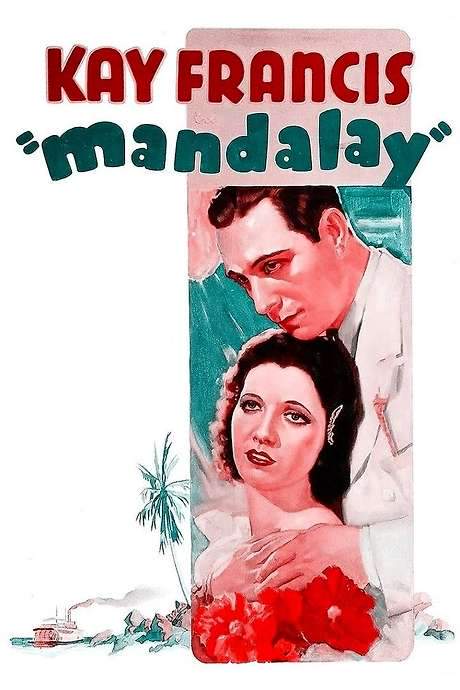
Mandalay
1934
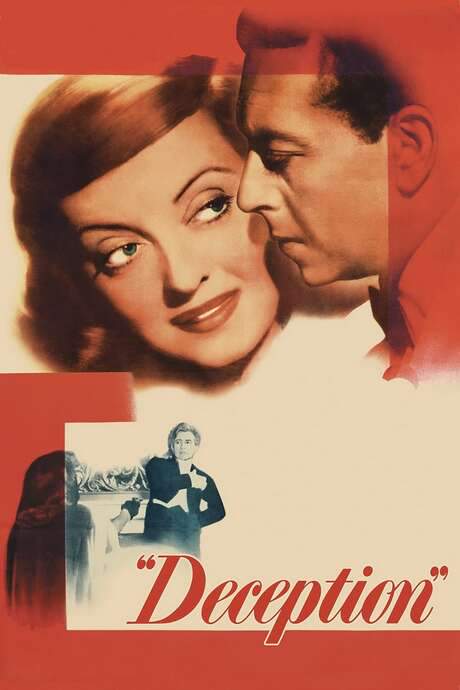
Deception
1946

The Count of Monte-Cristo
2024

Red: The Dark Side
2007

The Proposition
1998

Desert Fury
1947
Narrative Summary
Stories in this thread typically follow characters trapped by societal expectations and their own passions. A central, often forbidden, romance becomes the catalyst for a chain reaction of betrayals, schemes, and violence. The plot methodically builds tension as secrets are revealed and personal vendettas collide, leading to a catastrophic yet emotionally resonant finale where love and loss are inextricably linked.
Why These Movies?
These movies are grouped together for their shared dark tone, heavy emotional weight, and focus on destructive love within a corrupt society. They deliver a specific, intense experience defined by passionate character motivations, a steady, suspenseful pace, and a overwhelmingly tragic atmosphere.
Sweltering Period Thrillers of Moral Decay like Adventures of Captain Fabian
Atmospheric tales where greed and ambition fester in a historical setting.For viewers who liked the grim suspense and themes of corruption in Adventures of Captain Fabian, this list recommends similar historical thrillers. Find movies with a dark, tense tone, steady pacing, and complex plots involving murder, blackmail, and the collapse of family honor in a richly detailed period setting.

Black Widow
1954

Cast a Dark Shadow
1955

Under Suspicion
1991

Dark Streets
2008

Murder in Reverse?
1945
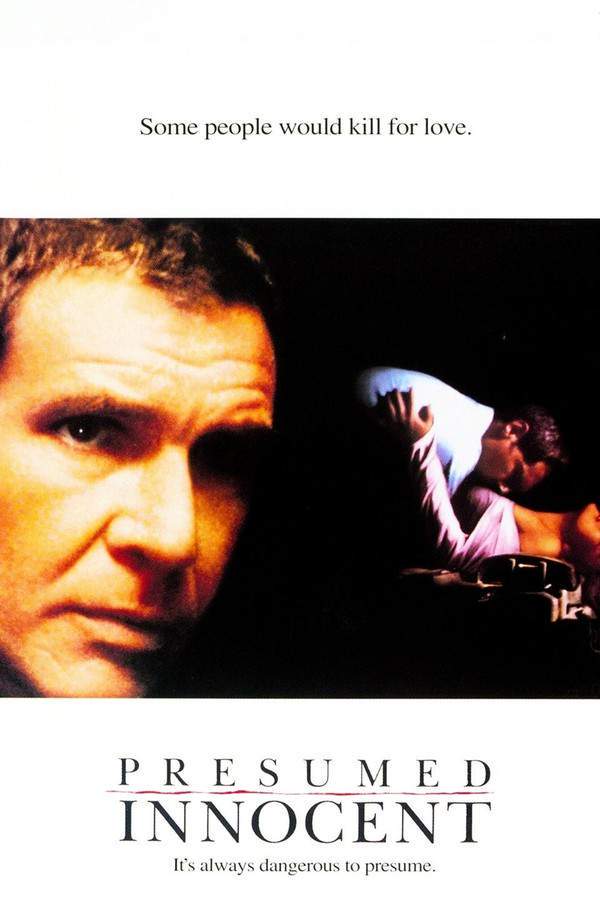
Presumed Innocent
1990

Murder
2004
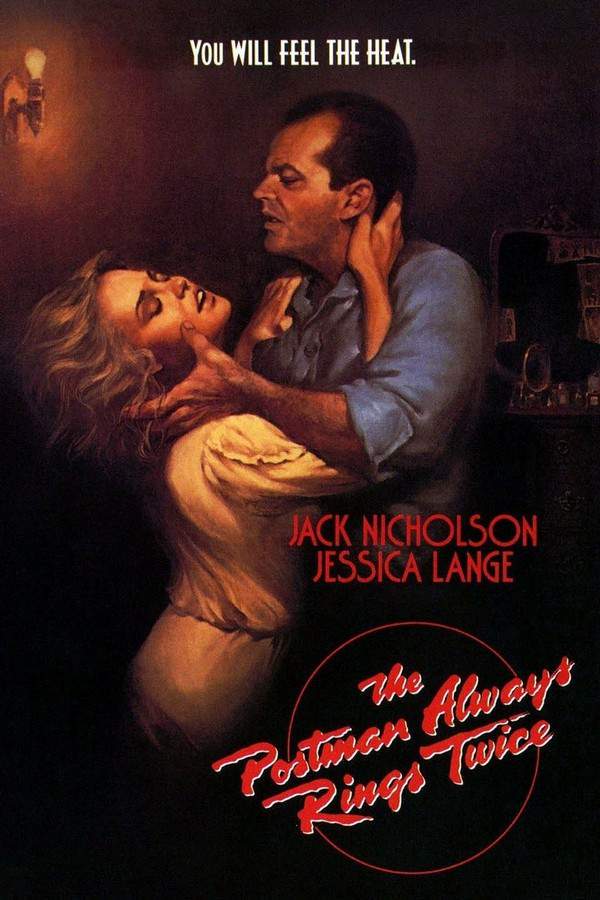
The Postman Always Rings Twice
1981

Loving Adults
2022

The File on Thelma Jordon
1949

The Hot Spot
1990

The Stoneman Murders
2009

Deadly Sins
1995

Guilty as Sin
1993

The Prowler
1951
Narrative Summary
The narrative pattern involves a crime—often murder—that exposes a web of corruption among the wealthy or powerful. An outsider or a character seeking revenge becomes entangled, forcing confrontations that reveal deep-seated moral decay. The story unfolds with steady, rising suspense, focusing on the psychological tension between characters as lies unravel and violent consequences become inevitable.
Why These Movies?
These films share a cohesive vibe defined by a dark, tense tone, a steady, suspenseful pace, and a focus on moral collapse within a specific historical context. The similarity comes from the atmospheric pressure, the complexity of the central crime or scheme, and the unflinching look at human greed.
Unlock the Full Story of Adventures of Captain Fabian
Don't stop at just watching - explore Adventures of Captain Fabian in full detail. From the complete plot summary and scene-by-scene timeline to character breakdowns, thematic analysis, and a deep dive into the ending - every page helps you truly understand what Adventures of Captain Fabian is all about. Plus, discover what's next after the movie.
Adventures of Captain Fabian Timeline
Track the full timeline of Adventures of Captain Fabian with every major event arranged chronologically. Perfect for decoding non-linear storytelling, flashbacks, or parallel narratives with a clear scene-by-scene breakdown.

Characters, Settings & Themes in Adventures of Captain Fabian
Discover the characters, locations, and core themes that shape Adventures of Captain Fabian. Get insights into symbolic elements, setting significance, and deeper narrative meaning - ideal for thematic analysis and movie breakdowns.


Similar Movies to Adventures of Captain Fabian
Discover movies like Adventures of Captain Fabian that share similar genres, themes, and storytelling elements. Whether you’re drawn to the atmosphere, character arcs, or plot structure, these curated recommendations will help you explore more films you’ll love.
Captain Blood
1935

The Voyage of Captain Fracassa
1990

Captain Fracasse
1929

Captain Blood
1960

The Brigand
1952

Captain Caution
1940

Captain Fracasse
1943

Captain Scarlett
1953

Captain Blood
1924

Frenchman’s Creek
1998
Adventure
1945

Les Aventures de Lagardère
1968

Frenchman’s Creek
1944

Fortunes of Captain Blood
1950

Captain Pirate
1952
Explore More About Movie Adventures of Captain Fabian
Adventures of Captain Fabian (1951) Scene-by-Scene Movie Timeline
Adventures of Captain Fabian (1951) Movie Characters, Themes & Settings
Adventures of Captain Fabian (1951) Spoiler-Free Summary & Key Flow
Movies Like Adventures of Captain Fabian – Similar Titles You’ll Enjoy
Captain Blood (1935) Full Movie Breakdown
The Voyage of Captain Fracassa (1990) Spoiler-Packed Plot Recap
Captain Fracasse (1929) Spoiler-Packed Plot Recap
Captain Blood (1960) Film Overview & Timeline
The Brigand (1952) Spoiler-Packed Plot Recap
Captain Caution (1940) Film Overview & Timeline
Captain Fracasse (1943) Spoiler-Packed Plot Recap
Captain Scarlett (1953) Detailed Story Recap
Captain Blood (1924) Story Summary & Characters
Frenchman’s Creek (1998) Ending Explained & Film Insights
Adventure (1945) Detailed Story Recap
Les Aventures de Lagardère (1968) Ending Explained & Film Insights
Frenchman’s Creek (1944) Detailed Story Recap
Fortunes of Captain Blood (1950) Movie Recap & Themes
Captain Pirate (1952) Movie Recap & Themes