







Plot Explained Spoilers guaranteed!
Plot Explained

Browse by genre

Across 110th Street (1972) movie poster

Timeline

Across 110th Street (1972) Timeline Explained – Every Event in Order

Release, runtime and language
1972 · 102 mins · English
JustWatch #14,660 4
Directed by
Barry Shear
Starring
Burt Young, Dick Crockett, Anthony Quinn, Anthony Franciosa, Yaphet Kotto, Charles McGregor

Stealing $300,000 from the Italian mob isn’t just a heist—it’s a death sentence. A bold robbery leaves several mafiosi and two police officers dead, prompting NYPD Lieutenant Pope and Captain Mattelli to pursue the case. Meanwhile three low‑level crooks flee with the cash, hunted by both the relentless mafia and the police.

On this page (6)
  1. 1 Where to watch
  2. 2 Events in order (14)
  3. 3 Timeline questions answered
  4. 4 Movie threads
  5. 5 Movies like Across 110th Street
  6. 6 Every angle

Where to watch

Where to Watch Across 110th Street (1972)

Where can you watch Across 110th Street? Stream, rent or buy it in the US, including on Amazon Prime Video, ScreenPix Amazon Channel and Tubi TV: current JustWatch availability with up-to-date prices.

Streaming availability powered by JustWatch

14 events in order · contains spoilers

Across 110th Street Timeline: Events in Chronological Order

Every key event of Across 110th Street (1972) in order, scene by scene, with when and where it takes place. Use it to untangle flashbacks, time jumps and parallel storylines, to refresh your memory before the sequel or to find the exact scene you are thinking of.

  1. The Harlem Robbery Plan

    Ex-convict Jim Harris and two accomplices plan to rob a Harlem count house controlled by the Mafia. The plan targets the Harlem operation and the money it holds, setting the stage for a brutal heist. This inciting act shows how desperation drives drastic, violent choices.

    Where
    Harlem
  2. The Heist Unravels

    The planned robbery spirals out of control as Harris murders both the black gangsters and the white mobsters involved. The killers escape, leaving a trail of bodies and intensifying the feud between Harlem factions. Two police officers are murdered in the chaos, escalating the investigation.

    Where
    Harlem
  3. Don Gennaro Responds

    News of the robbery reaches Don Gennaro, who controls the Harlem territory. He sends his son in law Nick to deal with the situation and reassert control. The Italian mob's intervention marks the start of a broader turf war with the black gangs.

    Where
    Harlem
  4. Captain Mattelli Arrives

    Captain Frank Mattelli arrives at the crime scene and finds a wall of Omertà and silence. He encounters widespread bribery, distrust, and a lack of cooperation among witnesses. His old school approach clashes with the reality of Harlem's political and racial tensions.

    Where
    Harlem
  5. Lt. Pope Takes Charge

    Lt. Pope informs Mattelli that the case will be led for political reasons, effectively supervising from above. The young investigator takes the lead, promising a different path than Mattelli's methods. The clash between old and new policing shapes the investigation.

    Where
    Harlem Police Scene
  6. Nick Meets Doc Johnson

    Nick travels to Doc Johnson, head of the black Harlem mob, to pressure him about security and locate the robbers. Johnson's henchman Shevvy begins patrolling the community and bribing bystanders to stay quiet. Gloria, Jim's girlfriend, becomes a pawn in their information-gathering game.

    Where
    Doc Johnson's Harlem HQ
  7. Gloria Confronts Jim

    Gloria confronts Jim about the missing money and their uncertain future, highlighting his limited prospects as an ex-con. Jim responds with hostility, revealing his detachment from a normal life. The couple's relationship strains under the pressure of the violent world around them.

    Where
    Harlem
  8. Car Lead and Tensions

    Police locate the getaway car abandoned in the river, triggering a new round of investigations. Shevvy bribes another officer to obtain information about the car's sale. Mattelli brutalizes the car's former owner while Pope challenges him on methods and racial bias.

    Where
    River / Police Precinct
  9. Henry J Tortured and Killed

    Henry J., the driver who spent the heist money at a club, is tracked down by Nick's men. He is tortured and dies en route to the hospital, revealing the brutality of the pursuit. The violence is intensified by the revelation that he was crucified and castrated.

    Where
    Club / Hospital
  10. Henry J's Wife and Cover Story

    Mattelli visits Henry J's wife and learns they were not legally married. Pope lies and claims Henry J died in a hit-and-run to shield the truth. After obtaining Jim's name from Mrs. Jackson, Mattelli hands her cash on the way out.

    Where
    Wife's Residence / Mrs. Jackson
  11. Laundry Owner Torture and Joe's Escape

    Shevvy and his men torture the laundry owner to locate Jim's accomplice Joe. Joe takes his cut from the robbery and attempts to flee town, but is intercepted in a cab and must fight his way free. He manages to escape the ambush by driving away while a gunfight erupts.

    Where
    Laundry / City Streets
  12. Jim's Hideout and Pursuit

    Jim relocates to an abandoned tenement to hide from his pursuers, but an epilepsy flare-up complicates his plan. Gloria unintentionally leads the pursuers to the hideout, increasing the risk for Jim. Doc Johnson then phones Pope to reveal Harris's location.

    Where
    Harlem Tenement
  13. Rooftop Showdown

    Nick and his henchmen close in as a rooftop gunfight erupts. Gloria is killed in the initial exchange, and Jim, in a furious counterattack, kills Nick and chases the remaining pursuer into the street. The chase ends with the police converging on the scene.

    Where
    Harlem Rooftops
  14. Final Standoff and Aftermath

    In the final rooftop chase, Jim is mortally wounded by police snipers and collapses after throwing his money to schoolchildren. Pope delivers the killing blow to Jim, ending his rampage. As Pope holsters his weapon, Shevvy shoots Captain Mattelli in the head from an adjacent rooftop, killing him.

    Where
    Harlem Rooftops

Last updated: October 05, 2025 at 12:38

Was this helpful?

Timeline questions answered

Across 110th Street Timeline Explained: Your Questions Answered

When does it happen, and why in that order? The questions people ask about the chronology of Across 110th Street (1972): time jumps, flashbacks, cause and effect between scenes and the correct order of events, each answered with spoilers.

Q1

Why does Jim Harris kill both the black gangsters and the white mobsters during the robbery?

Jim Harris kills everyone at the count house because the robbery was never meant to be a simple theft. He planned to eliminate the entire operation, wiping out both the black gangsters who ran the Harlem operation and the Italian mobsters who controlled them from above. By killing all witnesses, Harris believed he could disappear with the $300,000 without anyone being able to trace the crime back to him or his accomplices. It's a calculated attempt to erase the evidence and create a clean break from the criminal underworld.

Foreshadowing: The heist is described from the start as targeting the Mafia-fueled web, showing Harris intended to strike at the heart of the operation.

  • jim harris
  • murder
  • heist
  • mafia
  • count house
  • harlem
Q2

Why does Jim Harris murder the two police officers during the getaway?

The two police officers were apparently at the wrong place at the wrong time during the robbery aftermath. When they attempted to intervene or investigate the scene, Jim Harris and his accomplices killed them to prevent any witnesses from surviving and reporting what happened. This act escalates the crime from a simple robbery to a capital offense, drawing the full attention of the NYPD and fundamentally changing the stakes of the entire manhunt.

Foreshadowing: The summary notes the heist "spirals out of control" and leaves a trail of bodies, including the officers.

  • jim harris
  • police officers
  • murder
  • getaway
  • manhunt
Q3

Why is Lieutenant Pope put in charge of the case instead of Captain Mattelli?

Lt. Pope is placed in charge for political reasons rather than merit. The summary explains that the case is technically his to run for political reasons, meaning the police department's higher-ups want a black officer leading the investigation in Harlem to avoid accusations of racial insensitivity or heavy-handed tactics. This creates tension between Pope's more measured approach and Mattelli's aggressive, old-school methods, as Mattelli resents being relegated to a secondary role in his own precinct.

Foreshadowing: The friction between Pope and Mattelli is established early when Mattelli arrives and encounters the wall of silence.

  • lt pope
  • captain mattelli
  • police
  • investigation
  • political
  • racial tension
Q4

Why does Doc Johnson finally call Pope to reveal Jim Harris's location?

Doc Johnson reveals Jim's location because the situation has become untenable for the Harlem black mob. The Italian mob's intrusion into Harlem, led by Nick D'Salvio, has violated the existing power balance and brought extreme violence, including the torture and murder of Henry J., directly into Johnson's territory. By tipping off Pope, Johnson removes Jim Harris while simultaneously using the police to weaken Nick's operation, essentially playing both sides to protect his own position in Harlem.

Foreshadowing: Earlier, Johnson warned Nick against Italian intrusions into Harlem and feigned ignorance about the violence, showing his reluctance to directly confront the mob.

  • doc johnson
  • lt pope
  • jim harris location
  • tip off
  • harlem mob
Q5

Why does Shevvy kill Captain Mattelli at the end of the movie?

Shevvy kills Captain Mattelli as retaliation for the police investigation disrupting the criminal order in Harlem. Throughout the film, Mattelli aggressively pursues both the robbers and the gangs, refusing to be bribed or intimidated. His persistence threatens the delicate power structure that benefits people like Shevvy and Doc Johnson. By the end, when Mattelli is moments away from apprehending Jim Harris and the case is nearly closed, Shevvy eliminates him from a rooftop with a silenced pistol, ensuring the captain never gets the victory and maintaining the corrupt status quo that keeps men like Shevvy in power.

Foreshadowing: Shevvy is established as Doc Johnson's enforcer who pressures witnesses and eliminates threats to the organization throughout the film.

  • shevvy
  • captain mattelli
  • murder
  • revenge
  • harlem
  • roofshot
Q6

What happens to Henry J. Jackson after he's caught?

Henry J. Jackson is tracked down by Nick's men because he was openly spending the stolen money at a club, drawing attention to the robbery. He is brutally tortured and dies in the ambulance on the way to the hospital. The summary reveals he suffered crucifixion and castration during the torture, acts of extreme cruelty meant to extract information about the other robbers and to make an example of anyone who would steal from the mob. His death underscores the ruthlessness of both the Italian and black gangsters pursuing the money.

Foreshadowing: Shevvy and his crew press the owner's wife to reveal the buyer, and Henry J. is shown flaunting the money at a club before being caught.

  • henry j jackson
  • torture
  • crucifixion
  • castration
  • death
  • club
Q7

Why does Jim Harris throw his money to the schoolchildren before dying?

As Jim is mortally wounded by police sniper fire on the rooftop, he makes one final desperate gesture, throwing the stolen money down to a group of schoolchildren passing below. This act serves as a twisted form of redemption; having lost everything and knowing he will die, Jim chooses to let someone else benefit from the money rather than let either the police or the mobsters claim it. It represents the last remaining act of agency and meaning in his life, a moment of mercy mixed with defiance in the bleak final moments.

Foreshadowing: Jim's epilepsy condition and his status as an ex-con trying to escape his past hint at his desperation and lack of viable options.

  • jim harris
  • money
  • schoolchildren
  • redemption
  • death
  • rooftop
Q8

How does Gloria lead the pursuers to Jim Harris's hideout?

Gloria unintentionally reveals Jim's location because she goes to visit him at the abandoned tenement where he's hiding. Her presence and movements are being watched by Shevvy's men, who have been pressuring her for information throughout the film. When she arrives at the tenement, she effectively guides Nick's henchmen directly to Jim's door. This unwitting betrayal results in the rooftop confrontation that kills Gloria and triggers the final violent showdown.

Foreshadowing: Shevvy targets Gloria with intimidation throughout the film, bribing witnesses to stay quiet while pressuring her about Jim's whereabouts.

  • gloria
  • jim harris hideout
  • tenement
  • betrayal
  • pursuers
  • shevvy
Q9

Why does Lieutenant Pope deliver the killing blow to Jim Harris?

Pope shoots and kills Jim Harris because Jim is still an armed and dangerous fugitive who has just engaged in a shootout killing multiple people, including Nick and several henchmen. Despite Jim having thrown the money away and being mortally wounded, he remains a threat and an escape risk. Pope, as the lead investigator, takes the final shot to ensure Jim cannot be captured or cause further violence. This moment also represents the completion of Pope's duty, bringing the case to a close, while also highlighting the tragic futility of the entire chase.

Foreshadowing: Pope is established as the investigator technically in charge of the case, and the manhunt has been his primary mission throughout the film.

  • lt pope
  • jim harris
  • killing blow
  • manhunt
  • death
  • sniper
Q10

Why does Nick D'Salvio personally pursue the robbers instead of letting the police handle it?

Nick D'Salvio, as Don Gennaro's son-in-law and enforcer, pursues the robbers personally because the robbery threatens the Italian mob's entire Harlem operation. The $300,000 taken from the count house represents both money and power, the mob's grip on Harlem's criminal economy. Nick sees the robbery as a security failure by the black gangs and an unacceptable challenge to Italian control. His personal involvement includes direct threats to Doc Johnson and brutal tactics like torturing Henry J., because restoring order and recovering the money is essential to maintaining the mob's authority and reputation.

Foreshadowing: Nick is characterized as the son-in-law who fears their grip on Harlem slipping and resolves to restore order by any means necessary.

  • nick d'salvio
  • don gennaro
  • mob
  • harlem
  • robbery
  • power
  • control
Q11

Why do Captain Mattelli and Lieutenant Pope clash over investigation methods?

Mattelli and Pope clash because they represent fundamentally different approaches to policing. Mattelli is an old-school, aggressive cop who uses brute force, racial profiling, and intimidation, evident when he brutalizes the car's former owner and uses ethnically biased language. Pope, the younger black investigator, operates more methodically and ethically, challenging Mattelli's tactics and questioning his racial biases. Their conflict is compounded by the political situation putting Pope in charge, which Mattelli sees as a demotion and an insult to his experience.

Foreshadowing: Their clash begins immediately when Mattelli arrives at the crime scene and Pope informs him the case is technically his to run.

  • captain mattelli
  • lt pope
  • conflict
  • investigation methods
  • racial bias
  • policing

Movie threads

More Movies Like Across 110th Street, by Mood & Story

Curated lists built around what makes Across 110th Street tick: the same mood, the same kind of story or the same emotional payoff. Each list explains why these movies belong together.

Fast-Paced Urban Crime Thrillers like Across 110th Street

Relentless thrillers where characters are trapped in a corrupt city's violent machinery. If you liked the relentless pace and gritty urban decay of Across 110th Street, this thread features similar movies where characters are hunted through a corrupt city. These films share a fast-paced, high-intensity energy, a bleak tone, and a focus on desperate survival in a hostile urban environment.

  • gritty
  • tense
  • brutal
  • desperate
  • oppressive
  • fast-paced
  • Tone: bleak, tense, cynical
  • Pacing: fast, relentless
Why these movies?

The story pattern: The narrative pattern typically begins with a high-stakes crime that immediately puts the protagonists in the crosshairs of multiple, equally dangerous factions. The story propels forward with minimal respite, moving from one violent confrontation to the next, as the characters' options narrow and hope diminishes within the unforgiving city.

Why they belong together: Movies are grouped here for their shared experience of a frantic, high-stakes chase set against a backdrop of urban decay. They unite through a fast pacing that creates constant tension, a bleak worldview that offers no easy outs, and a heavy emotional weight derived from the brutal realities of survival.
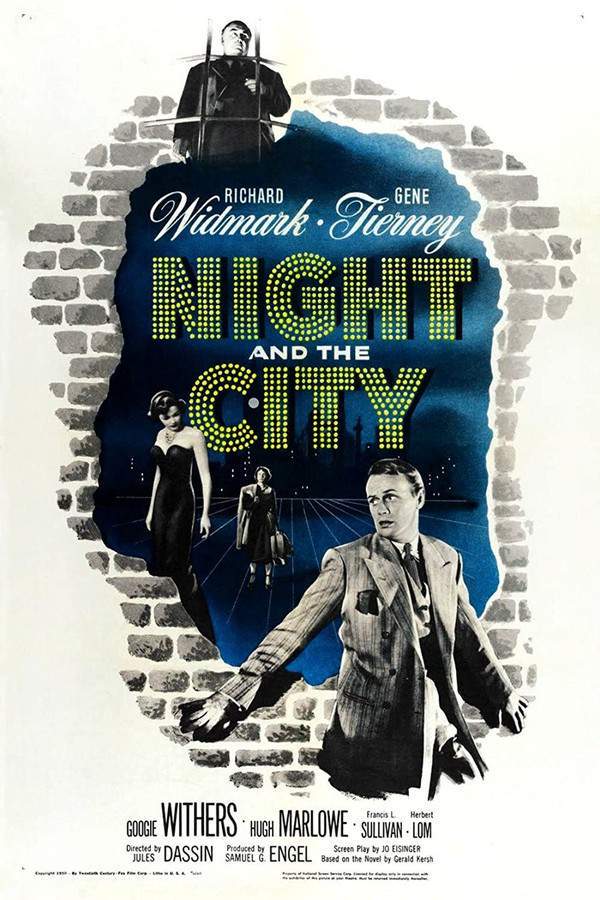
Bleak Police Procedurals with Moral Ambiguity like Across 110th Street

Investigations where the pursuit of justice reveals a world without good guys. Fans of the moral complexity and grim outlook of Across 110th Street will find similar movies here. This collection features crime investigations where police corruption and racial tension are central, leading to heavy emotional weight and bleak endings that question the very concept of justice.

  • cynical
  • gritty
  • tense
  • police corruption
  • moral ambiguity
  • hopeless
  • Tone: bleak, cynical, heavy
  • Pacing: steady, propulsive
Why these movies?

The story pattern: These narratives follow a procedural structure—often a police investigation—but subvert it by focusing on the moral decay of the institutions and individuals involved. The plot intertwines the criminals' desperate struggle with the cops' flawed pursuit, culminating in a conclusion that underscores the futility and corruption of the entire system.

Why they belong together: These films are connected by their shared focus on the collapse of moral order within a crime story. They feature a heavy emotional weight, a consistently bleak tone, and complex character dynamics where protagonists are compromised and the outcome offers no redemption or clear victory.

If you liked this

Movies Like Across 110th Street

Similar movies to Across 110th Street: the same genre, themes or kind of story. Each one comes with its own plot summary, timeline and ending explained.

Browse all movie summaries

Every angle

Across 110th Street (1972) Explained: Plot, Timeline & Characters

Everything about Across 110th Street in one place: what happens in the plot summary, the timeline in chronological order, the characters and meaning and a spoiler-free summary. What's After the Movie adds the cast, box office and post-credit scenes.

Coming soon on iOS and Android

The Plot Explained Movie Summary App

Plot summaries, endings explained and timelines on your phone. Catch up on any movie in minutes, save your favorites and never miss a twist again.

Be the first to know when we launch. Your email stays private, always.

Learn more about the app