








Plot Explained Spoilers guaranteed!
Plot Explained

Browse by genre

Across 110th Street (1972) movie poster

Characters & Themes

Across 110th Street (1972) Characters, Setting & Themes Explained

Release, runtime and language
1972 · 102 mins · English
JustWatch #14,780 11
Directed by
Barry Shear
Starring
Burt Young, Dick Crockett, Anthony Quinn, Anthony Franciosa, Yaphet Kotto, Charles McGregor

Stealing $300,000 from the Italian mob isn’t just a heist—it’s a death sentence. A bold robbery leaves several mafiosi and two police officers dead, prompting NYPD Lieutenant Pope and Captain Mattelli to pursue the case. Meanwhile three low‑level crooks flee with the cash, hunted by both the relentless mafia and the police.

On this page (8)
  1. 1 Where to watch
  2. 2 Characters explained (10)
  3. 3 Where & when it takes place
  4. 4 Themes & meaning (3)
  5. 5 Character & meaning questions
  6. 6 Movie threads
  7. 7 Movies like Across 110th Street
  8. 8 Every angle

Where to watch

Where to Watch Across 110th Street (1972)

Where can you watch Across 110th Street? Stream, rent or buy it in the US, including on Amazon Prime Video, ScreenPix Amazon Channel and Fawesome: current JustWatch availability with up-to-date prices.

Streaming availability powered by JustWatch

10 main characters · contains spoilers

Across 110th Street Characters Explained: Who Is Who

The main characters of Across 110th Street (1972), heroes and villains: what drives them, how they change over the course of the story and what each of them reveals about the film's bigger ideas.

  • Jim Harris (Paul Benjamin)

    An ex-con who hatches a botched heist to steal from the Harlem mob. Impulsive and desperate, he becomes a brutal participant in the violence, murdering both sides and risking everything for a chance at safety or money. He endures an epilepsy flare-up that slows him at a critical moment, and his plan spirals out of control until his demise.

    • 🔫 Ex-con
    • 💥 Violent
    • 🧠 Resourceful
  • Doc Johnson (Richard Ward)

    Head of Harlem's black mob who eyes the Italian turf and uses bribes to keep power intact. He portrays a calm, calculating presence, denying direct involvement while orchestrating violence behind the scenes. His clashes with cops reveal the complexities of loyalty and control in the neighborhood.

    • 🧪 Organized crime
    • 🗡️ Power broker
  • Nick D'Salvio (Anthony Franciosa)

    Don Gennaro's ruthless enforcer in Harlem who tortures and intimidates rivals to retrieve the stolen money. He embodies the film's brutality and willingness to cross lines to seize control, including brutal treatment of Henry J. and his associates. He is ultimately taken down by Jim Harris.

    • 🗡️ Enforcer
    • 💣 Torturer
  • Captain Frank Mattelli (Anthony Quinn)

    A veteran Harlem cop with a brittle edge and a quick temper. He is prejudiced against Black residents and prone to violent behavior, and he is compromised by corruption through bribes. His authority is undercut by political considerations and personal ambition, culminating in a fatal confrontation.

    • 🏛️ Police
    • 🪙 Corruption
  • Lt. William Pope (Yaphet Kotto)

    A capable Black detective who navigates a minefield of bias, bribery, and politics. He challenges Mattelli and plays a pivotal role in solving the case while pursuing moral lines, ultimately making the hard choices to stop the cycle of violence.

    • 🕵️ Investigation
    • 🧭 Integrity
  • Shevvy (Gilbert Lewis)

    Doc Johnson's henchman who handles information gathering and intimidation. He follows orders with a brutal efficiency, yet shows signs of discomfort during torture. His actions heighten the stakes and contribute to the film's sense of creeping menace.

    • 🗡️ Henchman
    • 🤝 Crime
  • Gloria Roberts (Norma Donaldson)

    Jim Harris's girlfriend whose presence and needs intersect with the heist's fallout. She becomes a catalyst around the pursuit, inadvertently leading pursuers to Jim's hideout and complicating loyalties.

    • 💔 Romantic partner
    • 🧭 Catalyst
  • Henry J. Jackson (Antonio Fargas)

    The motorist who unwittingly carries the money; he is tortured and killed in a brutal display of power. His death underscores the reach of the mob's violence and the costs paid by ordinary people.

    • 🔪 Victim
    • 🧠 Target
  • Mrs Jackson (Marlene Warfield)

    Henry J.'s estranged wife who becomes a witness to the mystery surrounding her husband's death. Her interactions with Mattelli reveal the human cost of the crime wave and the moral compromises around closure.

    • 💬 Civilians
    • 🕊️ Grief
  • Joe Logart (Ed Bernard)

    The laundry owner connected to Jim's crew, who is pressed for information and ultimately escapes a dangerous encounter. He represents the everyday people caught in the crossfire of the Harlem turf war.

    • 🧼 Civilian
    • 🧭 Informant

Last updated: October 04, 2025 at 19:15

Was this helpful?

Setting

Where and When Does Across 110th Street Take Place?

The setting of Across 110th Street (1972): the year and time period, the places and locations, and how they shape the characters, the mood and the tension of the story.

Time period

early 1970s

Set in the early 1970s, the film situates its action amid urban decay, rising crime, and racial tensions in New York City. The period mood informs the style of violence, corruption, and street-level power struggles that drive the plot.

Location

Harlem, New York City

The film is anchored in Harlem, a gritty neighborhood of New York City. It portrays a dense urban landscape where rival Italian and Black gangs contest control, police presence, and everyday life intersect with crime. The setting reflects a vibrant yet dangerous city environment at the heart of the story.

  • 🏙️ Urban crime
  • 🗽 Harlem neighborhood

Last updated: October 04, 2025 at 19:15

Was this helpful?

3 major themes

Across 110th Street Meaning: Themes & Message Explained

What is Across 110th Street (1972) really about? The emotional, social and philosophical themes the film keeps returning to, its symbolism and the message beneath the surface.

  • Power and Violence

    An ongoing mob power struggle drives the narrative, with both Italian and Black factions using brutality to protect or expand their territory. The violence escalates from robberies to torture and killings, showing how quickly authority can be enforced through fear. The cost of this violence is personal, affecting families and communities as trust erodes.

  • Loyalty and Betrayal

    Omertà and political interference complicate the investigation, blurring lines between law enforcement and organized crime. Characters navigate competing loyalties—cops, gangsters, and informants—often choosing self-preservation over truth. Betrayal surfaces through bribes, cover stories, and false alibis that keep everyone on a knife-edge.

  • Corruption and Secrecy

    Corruption threads through both sides of the law and crime, with bribes and hidden agendas shaping outcomes. Police and mob leaders manipulate information to stay ahead, while victims and bystanders become collateral damage. Secrets and silences enable the cycle of violence to continue.

Last updated: October 04, 2025 at 19:15

Was this helpful?

Character & theme questions

Across 110th Street Characters & Meaning: Your Questions Answered

The questions people ask about Across 110th Street (1972): who the characters really are, their relationships, what the symbols mean, where it takes place and what the movie is really about. Each answer contains spoilers.

Q1

Why is Harlem the primary setting for the story?

Harlem serves as the film's gritty urban battlefield where rival Italian and Black gangs contest control. The neighborhood represents a dense, dangerous city environment where everyday life intersects with crime, reflecting the social tensions and power struggles of early 1970s New York City.

  • harlem
  • new york city
  • urban crime
  • gangs
  • setting
Q2

How does the early 1970s setting shape the movie's tone?

The early 1970s New York setting provides the backdrop for urban decay, rising crime, and racial tensions that fuel the narrative. This period mood informs the style of violence, corruption, and street-level power struggles that define the film.

  • 1970s
  • new york
  • racial tension
  • urban decay
  • period setting
Q3

What role does the mob power struggle play in the film?

An ongoing mob power struggle drives the narrative, with both Italian and Black factions using brutality to protect or expand their territory. The violence escalates from robberies to torture and killings, showing how quickly authority can be enforced through fear.

  • mob
  • power struggle
  • italian mafia
  • black mob
  • violence
  • territory
Q4

How does loyalty and betrayal shape character decisions?

Characters navigate competing loyalties between cops, gangsters, and informants, often choosing self-preservation over truth. Betrayal surfaces through bribes, cover stories, and false alibis that keep everyone on a knife-edge throughout the story.

  • loyalty
  • betrayal
  • corruption
  • informants
  • bribes
  • moral compromise
Q5

What does the film say about corruption and secrecy?

Corruption threads through both sides of the law and crime, with bribes and hidden agendas shaping outcomes. Police and mob leaders manipulate information to stay ahead, while victims and bystanders become collateral damage. Secrets and silences enable the cycle of violence to continue.

  • corruption
  • secrecy
  • police corruption
  • mob
  • cover-ups
  • cycle of violence
Q6

Who is Jim Harris and what drives him?

Jim Harris is an ex-con who hatches a botched heist to steal from the Harlem mob. He is impulsive and desperate, becoming a brutal participant in the violence who murders both sides while risking everything for a chance at safety or money.

  • jim harris
  • ex-con
  • heist
  • motivation
  • desperation
  • harlem mob
Q7

What is Doc Johnson's role in Harlem's underworld?

Doc Johnson heads Harlem's black mob, using bribes to maintain power while portraying a calm, calculating presence. He denies direct involvement while orchestrating violence behind the scenes, clashing with cops in ways that reveal the complexities of loyalty and control.

  • doc johnson
  • harlem mob
  • black mob leader
  • power
  • bribes
  • orchestration
Q8

How does Lieutenant Pope navigate the corrupt system?

Lt. William Pope is a capable Black detective who navigates a minefield of bias, bribery, and politics. He challenges Mattelli and plays a pivotal role in solving the case while pursuing moral lines, ultimately making hard choices to stop the cycle of violence.

  • lt pope
  • yaphet kotto
  • detective
  • corruption
  • racial bias
  • moral choice
Q9

What defines Captain Mattelli as a character?

Captain Frank Mattelli is a veteran Harlem cop with a brittle edge and quick temper, prejudiced against Black residents and prone to violent behavior. He is compromised by corruption through bribes, and his authority is undercut by political considerations and personal ambition.

  • captain mattelli
  • anthony quinn
  • corrupt cop
  • prejudice
  • harlem police
  • violence
Q10

How does racial tension factor into the story?

Racial tension permeates the film through the intersection of Black and Italian gang territories, police bias against Black residents, and the social climate of early 1970s New York. This tension amplifies the stakes of every confrontation and shapes how characters on all sides interact.

  • racial tension
  • italian mob
  • black mob
  • police bias
  • harlem
  • social conflict
Q11

What is the overall tone and message of the film?

The film maintains a bleak tone reinforced by systemic corruption, racial prejudice, and the fact that nearly every major character meets a grim end. The ending offers no redemption or victory for any party, solidifying a message about the hopelessness of breaking cycles of violence.

  • bleak tone
  • no redemption
  • violence cycle
  • ending
  • message
  • thematic conclusion
Q12

How do police and mob interests intersect in the story?

Omertà and political interference blur lines between law enforcement and organized crime. Police and mob leaders manipulate information to stay ahead, creating a network where bribes, cover stories, and false alibis benefit both sides while ordinary people become collateral damage.

  • police
  • mob
  • complicity
  • organized crime
  • investigation
  • political interference

Movie threads

More Movies Like Across 110th Street, by Mood & Story

Curated lists built around what makes Across 110th Street tick: the same mood, the same kind of story or the same emotional payoff. Each list explains why these movies belong together.

Fast-Paced Urban Crime Thrillers like Across 110th Street

Relentless thrillers where characters are trapped in a corrupt city's violent machinery. If you liked the relentless pace and gritty urban decay of Across 110th Street, this thread features similar movies where characters are hunted through a corrupt city. These films share a fast-paced, high-intensity energy, a bleak tone, and a focus on desperate survival in a hostile urban environment.

  • gritty
  • tense
  • brutal
  • desperate
  • oppressive
  • fast-paced
  • Tone: bleak, tense, cynical
  • Pacing: fast, relentless
Why these movies?

The story pattern: The narrative pattern typically begins with a high-stakes crime that immediately puts the protagonists in the crosshairs of multiple, equally dangerous factions. The story propels forward with minimal respite, moving from one violent confrontation to the next, as the characters' options narrow and hope diminishes within the unforgiving city.

Why they belong together: Movies are grouped here for their shared experience of a frantic, high-stakes chase set against a backdrop of urban decay. They unite through a fast pacing that creates constant tension, a bleak worldview that offers no easy outs, and a heavy emotional weight derived from the brutal realities of survival.
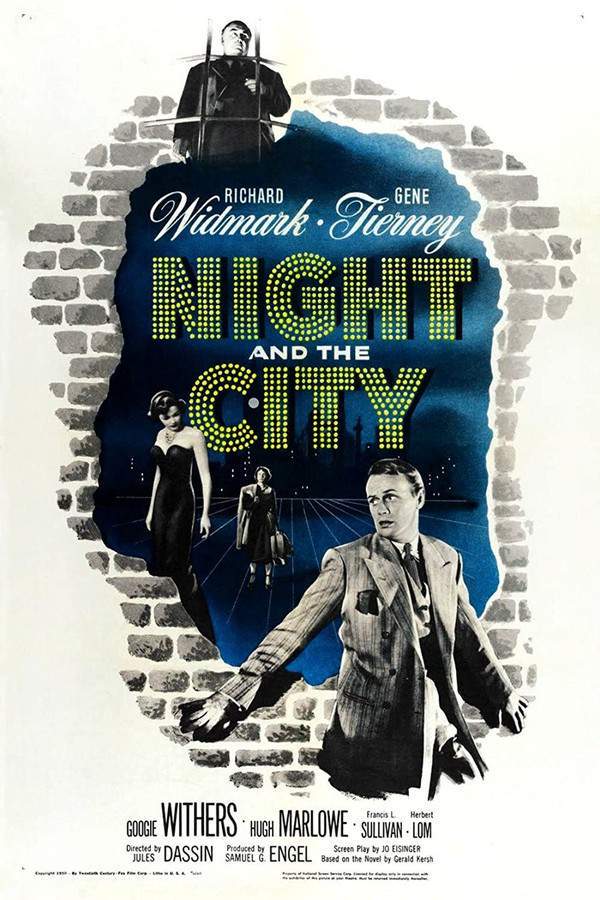
Bleak Police Procedurals with Moral Ambiguity like Across 110th Street

Investigations where the pursuit of justice reveals a world without good guys. Fans of the moral complexity and grim outlook of Across 110th Street will find similar movies here. This collection features crime investigations where police corruption and racial tension are central, leading to heavy emotional weight and bleak endings that question the very concept of justice.

  • cynical
  • gritty
  • tense
  • police corruption
  • moral ambiguity
  • hopeless
  • Tone: bleak, cynical, heavy
  • Pacing: steady, propulsive
Why these movies?

The story pattern: These narratives follow a procedural structure—often a police investigation—but subvert it by focusing on the moral decay of the institutions and individuals involved. The plot intertwines the criminals' desperate struggle with the cops' flawed pursuit, culminating in a conclusion that underscores the futility and corruption of the entire system.

Why they belong together: These films are connected by their shared focus on the collapse of moral order within a crime story. They feature a heavy emotional weight, a consistently bleak tone, and complex character dynamics where protagonists are compromised and the outcome offers no redemption or clear victory.

If you liked this

Movies Like Across 110th Street

Similar movies to Across 110th Street: the same genre, themes or kind of story. Each one comes with its own plot summary, timeline and ending explained.

Browse all movie summaries

Every angle

Across 110th Street (1972) Explained: Plot, Timeline & Characters

Everything about Across 110th Street in one place: what happens in the plot summary, the timeline in chronological order, the characters and meaning and a spoiler-free summary. What's After the Movie adds the cast, box office and post-credit scenes.

Coming soon on iOS and Android

The Plot Explained Movie Summary App

Plot summaries, endings explained and timelines on your phone. Catch up on any movie in minutes, save your favorites and never miss a twist again.

Be the first to know when we launch. Your email stays private, always.

Learn more about the app