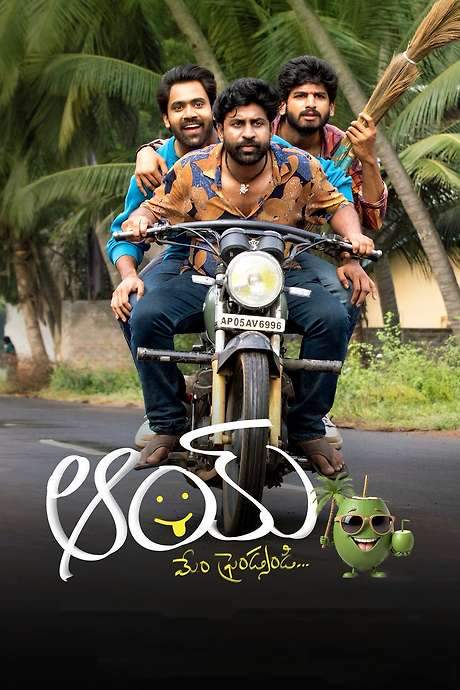
During a COVID-19 lockdown, Karthik returns home to the Godavari region and reconnects with childhood friends. He finds himself falling for a woman, but their potential romance is complicated by the influence of her caste and societal expectations. The story explores themes of friendship, love, and cultural identity within a specific regional setting.
Find where to stream, rent, or buy Aay (2024) in the US with current JustWatch availability, up-to-date pricing, and platform listings for subscription, rental, and digital purchase options.
Warning: spoilers below!
Haven’t seen Aay yet? This summary contains major spoilers. Bookmark the page, watch the movie, and come back for the full breakdown. If you're ready, scroll on and relive the story!
Still thinking about how Aay (2024) ended? Here’s a full breakdown of the ending, key final moments, major twists, and the deeper meaning behind the film’s conclusion.
Karthik returns to his native village during the lockdown and, despite his reluctance, is drawn into a whirlwind romance with Pallavi, the daughter of the town’s powerful politician, Dur G. Their affection is immediate, but Pallavi’s upbringing and her father’s staunch caste politics make an open relationship impossible. When Karthik proposes, Pallavi is forced to accept an arranged match set by her father, explaining that she cannot marry someone from a different caste without endangering both of them.
Desperate, Karthik tries every ploy—from heartfelt pleas about love transcending caste to the wild notion of eloping—but Pallavi’s fear of her father’s wrath and the very real threat of violent retribution keep her from defying him. She tells Karthik that she would rather remain his friend than risk the fate of lovers who have vanished after secret unions.
On the day of Pallavi’s wedding, Karthik, exhausted and convinced that walking away is the kinder choice, prepares to leave the village. At the same time, his own father, Burayya, learns that Dur G is Pallavi’s father and, recalling an old, hidden rivalry‑turned‑truce between the two men, decides to intervene. Burayya crashes the ceremony and boldly offers his son’s hand to Dur G, arguing that this is the only gift he can give his son.
To everyone’s astonishment, Dur G accepts the proposal, halting the wedding rituals. The surprise stems from a long‑forgotten history: years earlier Burayya and Dur G faced each other in a violent clash, but Burayya won, leading the two to a quiet understanding. Over time they had helped each other financially, keeping the alliance secret for fear of community backlash. Their mutual respect lets them look beyond caste, and Dur G’s consent paves the way for Karthik and Pallavi’s union.
In the final moments, Karthik reconciles with his father, acknowledging Burayya’s generosity and the unexpected friendship that helped dissolve the very prejudice that once barred their love. The film ends with Karthik and Pallavi married, a symbolic triumph of personal bonds over entrenched caste divisions.
Last updated: October 13, 2025 at 19:14
Read frequently asked questions about the ending of Aay (2024), including final-scene interpretation, twist explanations, character outcomes, and the deeper meaning behind the conclusion. This ending explained FAQ is designed for viewers searching for clear spoiler-heavy answers and ending breakdown insights.
Dur G accepts because he learns that Karthik's father Burayya is an old ally. Years earlier, Burayya and Dur G had a violent conflict where Burayya won, leading to a quiet understanding between them. Over time, they helped each other financially in secret. This hidden mutual respect allows Dur G to look beyond caste and consent to the union.
Earlier scenes hint at Burayya's mysterious connection to the region, though the full history remains hidden until the wedding day.
Burayya and Dur G faced each other in a violent clash years before the story. Burayya won that confrontation, after which they reached a quiet understanding. They later helped each other financially but kept the alliance secret to avoid community backlash. This forgotten rivalry-turned-truce is what finally enables Dur G to accept Karthik as a son-in-law.
Pallavi refuses to elope because she fears her father's wrath and the violent retribution that often follows secret unions in their community. She explains she would rather remain Karthik's friend than risk the fate of lovers who have vanished after defying caste boundaries. Her fear is both personal and rooted in real societal consequences.
On Pallavi's wedding day, as Karthik prepares to leave the village, his father Burayya learns that Dur G is Pallavi's father. He crashes the ceremony and offers Karthik's hand to Dur G, arguing it is the only gift he can give his son. The surprise acceptance halts the wedding rituals and paves the way for their union.
Karthik's reluctance to return home and his complicated relationship with his father hint at unresolved family tensions that culminate in this moment.
The ending symbolizes a triumph of personal bonds over entrenched caste divisions. Karthik and Pallavi's marriage represents hope that genuine connections can overcome societal prejudice. Simultaneously, Karthik reconciles with his father, acknowledging Burayya's sacrifice and the unexpected friendship that dissolved the barriers to their love.
Burayya intervenes when he discovers that Dur G is Pallavi's father, recognizing him from their old rivalry. Moved by his son's desperation and recalling their hidden history, Burayya decides to end the conflict by offering Karthik's hand in marriage. He sees this as the only meaningful gift he can give his son after years of distance.
Burayya's mysterious past and vague references to his connections in the village build toward this revelation.
Yes, Karthik reconciles with his father in the final moments. He acknowledges Burayya's generosity and the unexpected way his father's intervention helped dissolve the caste prejudice that once barred their love. This reconciliation completes Karthik's emotional arc from resentment to understanding.
The movie resolves caste prejudice through the unexpected alliance between Burayya and Dur G. Their hidden history of mutual respect, forged after a past conflict, allows Dur G to accept an inter-caste marriage when proposed by someone he respects. The ending suggests that personal connections and understanding between individuals can overcome systemic societal barriers.
Dur G opposes the relationship because of his staunch caste politics and his position as a powerful politician in the town. He believes inter-caste marriages threaten his status and community standing. However, his opposition crumbles when he learns of his connection to Karthik's father, revealing his prejudice is conditional rather than absolute.
Karthik decides to leave because he believes walking away is the kinder choice after Pallavi explains she cannot defy her father. Exhausted from his failed attempts to change her mind, including pleas about love transcending caste and the idea of eloping, he accepts that their relationship cannot overcome the societal pressures. His father's intervention comes just as he prepares to depart.
Discover curated groups of movies connected by mood, themes, and story style. Browse collections built around emotion, atmosphere, and narrative focus to easily find films that match what you feel like watching right now.
Heartfelt stories where love blossoms against the backdrop of societal expectations.Discover movies like Aay that explore heartfelt romance set within specific communities. If you enjoyed the blend of cultural identity, family expectations, and a hopeful love story, these films offer similar emotionally rewarding journeys in distinctive small-town worlds.
Stories in this thread typically follow a character returning to or living in a tight-knit community, where they develop a romance that clashes with established societal rules. The central conflict involves balancing personal happiness with duty, often culminating in a revelation or reconciliation that allows for a positive resolution without completely dismantling the community's values.
These movies are grouped together because they share a core emphasis on a hopeful, character-driven romance set against a rich cultural backdrop. They blend medium emotional weight with a steady pace, focusing on personal growth and the triumph of understanding over outright rebellion.
Stories about rekindling old bonds that lead to rediscovering oneself.Find films similar to Aay that capture the joy and complexity of old friends reuniting. If you liked the nostalgic, comedic, and heartfelt exploration of friendship as a path to personal growth, these movies offer the same comforting yet reflective vibe.
The narrative pattern involves a protagonist returning to a familiar setting, which reignites bonds with a core group of old friends. Through shared experiences, failed schemes, and heartfelt conversations, the group's dynamic helps each character, especially the protagonist, work through unresolved issues or gain a new perspective on their life, blending comedy with emotional depth.
These films are united by their focus on the powerful theme of friendship as a force for personal rediscovery. They typically balance comedic moments derived from group chemistry with a reflective, often nostalgic mood, creating a heartwarming and uplifting experience that feels authentic and relatable.
Don't stop at just watching - explore Aay in full detail. From the complete plot summary and scene-by-scene timeline to character breakdowns, thematic analysis, and a deep dive into the ending - every page helps you truly understand what Aay is all about. Plus, discover what's next after the movie.
Read a complete plot summary of Aay, including all key story points, character arcs, and turning points. This in-depth recap is ideal for understanding the narrative structure or reviewing what happened in the movie.
Track the full timeline of Aay with every major event arranged chronologically. Perfect for decoding non-linear storytelling, flashbacks, or parallel narratives with a clear scene-by-scene breakdown.
Discover the characters, locations, and core themes that shape Aay. Get insights into symbolic elements, setting significance, and deeper narrative meaning - ideal for thematic analysis and movie breakdowns.