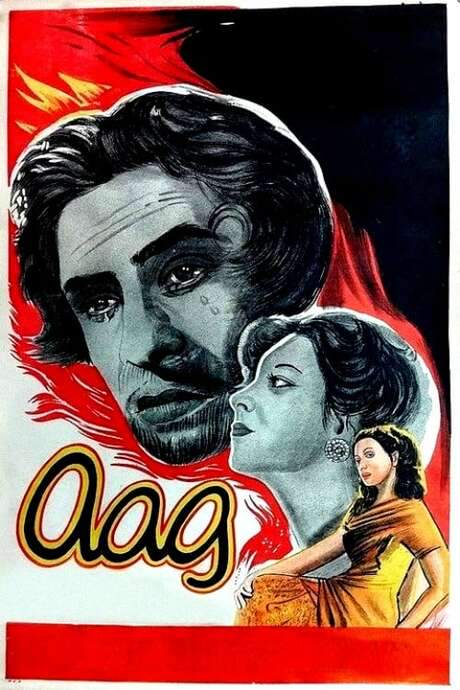
Year: 1948
Runtime: 138 mins
Language: Hindi
A man obsessed over two things, the theater and a childhood friend, recounts his life story to his new bride.
Warning: spoilers below!
Haven’t seen Aag yet? This summary contains major spoilers. Bookmark the page, watch the movie, and come back for the full breakdown. If you're ready, scroll on and relive the story!
Explore the full timeline and setting of Aag (1948). Follow every major event in chronological order and see how the environment shapes the story, characters, and dramatic tension.
Last updated: October 04, 2025 at 17:07
Meet the key characters of Aag (1948), with detailed profiles, motivations, and roles in the plot. Understand their emotional journeys and what they reveal about the film’s deeper themes.
Last updated: October 04, 2025 at 17:07
Explore the central themes of Aag (1948), from psychological, social, and emotional dimensions to philosophical messages. Understand what the film is really saying beneath the surface.
Last updated: October 04, 2025 at 17:07
Browse frequently asked questions about Aag (1948) focused on characters, relationships, themes, symbols, setting, and story context. This movie info FAQ gives spoiler-aware explanations for character arcs, world details, and thematic interpretation so readers can better understand what the film is really about.
Aag is set in pre-Partition India, primarily in an urban theatre district. The story unfolds across Kewal's family home, college campuses, and backstage theatre spaces where plays are produced. The setting reflects the rise of artistic expression amid personal and social upheaval in 1940s India.
The film is set in the 1940s, a period of significant social change and colonial legacy leading up to Partition. This era of shifting norms and upheavals shapes the characters' relationships, opportunities, and the fate of their artistic ambitions.
The theme of Dream vs Duty centers on Kewal Khanna abandoning his family's expectation that he become a lawyer to pursue theatre instead. This choice creates conflict with his father and leads to financial insecurity, but ultimately drives the narrative. The fiery act of burning the stage literally represents the cost of following one's art.
Love and Sacrifice explores how romantic feelings complicate loyalties. Nimmi's affection for Kewal contrasts with Rajan's mentorship and ambitions. Characters navigate desire, duty, and the pain of unrequited affection, with sacrifice becoming a recurring theme as relationships influence career and identity.
The Inner Beauty theme shows Nimmi rejecting Kewal when she believes outer beauty initially drew her to him. The narrative emphasizes that true connection rests on inner qualities, culminating in a renewed bond grounded in understanding rather than surface charm.
Theatre functions as both dream and refuge for Kewal, Rajan, and their cast, providing meaning beyond conventional careers. The stage becomes a space of collaboration, conflict, and identity formation. The characters' fortunes rise and fall with their productions, showing how art defines their lives.
Kewal Khanna is a gifted but stubborn dreamer from a family of lawyers who chooses theatre over law. Played by Raj Kapoor, he clashes with his father's expectations while remaining devoted to his artistic vision. His arc centers on balancing personal passion with loyalty to friends, culminating in a transformative sacrifice for art and love.
Nimmi is a girl Kewal meets in school who becomes a recurring figure in his imagination and later a lead in his theatre work. Played by Nargis, her feelings for Kewal drive emotional tension and influence his decisions about love and art throughout the story.
Rajan is a patron and founder of a theatre company who finances Kewal's productions. He admires Nimmi and becomes a rival in both affection and artistic influence, pushing Kewal toward greater ambition and risk in his theatrical pursuits.
Kewal's father is a traditional lawyer who embodies family expectations and social pressure. His insistence on upholding the family business fuels Kewal's rebellion and eventual pursuit of theatre, creating the central family conflict that drives the narrative.
Aag features two characters named Nirmala: Miss Nirmala, played by Kamini Kaushal, who appears in Kewal's early life and influences his romantic perceptions, and Nirmala, played by Nigar Sultana, who appears within the theatre world and intersects with the central drama, adding layered relationships to the story.
Aag has a bittersweet tone, blending the tragedy of Kewal's self-inflicted injury and his romantic disappointments with a hopeful resolution of being reunited with his childhood love and recommitting to his art. The story uses a flashback structure that creates emotional distance while exploring themes of artistic perseverance and being truly seen for who you are.
Discover curated groups of movies connected by mood, themes, and story style. Browse collections built around emotion, atmosphere, and narrative focus to easily find films that match what you feel like watching right now.
Films that trace an artist's entire life, blending passion with poignant loss.Find more films like Aag that chronicle an artist's life journey. These movies often use reflective storytelling to explore themes of passion, sacrifice, and memory. If you enjoyed the poignant blend of artistic drive and personal tragedy in Aag, you'll appreciate these similar character-driven dramas.
Stories in this thread typically unfold over a long period, tracing the protagonist's life from youth to maturity. They focus on the central conflict between a driving artistic passion and the demands of reality—be it love, family, or society. The narrative structure often involves a framing device, like a character recounting their past, to add a layer of reflection and melancholy.
Movies are grouped here for their shared focus on the biographical arc of an artist, their bittersweet tone balancing achievement with sacrifice, and their steady, reflective pacing that allows for deep character exploration.
Stories defined by lifelong yearning and romantic love that remains just out of reach.Discover more movies like Aag that explore the pain and beauty of unrequited love and lifelong yearning. These films capture a specific bittersweet mood, where romance is marked by separation and memory. If the poignant, tragic romance in Aag resonated with you, these stories of enduring love and loss will feel familiar.
The narrative pattern involves a central romantic connection that is established early on but is thwarted by circumstance, duty, or personal tragedy. The story follows the characters as they navigate life apart, with their longing for each other serving as a constant emotional undercurrent. The ending often brings a reunion or resolution, but it is tinged with the sorrow of lost time and sacrifice.
These films share a core emotional experience: the ache of unfulfilled love. They are united by a high romance score balanced with significant sadness, a bittersweet tone, and a focus on memory and what might have been.
Don't stop at just watching - explore Aag in full detail. From the complete plot summary and scene-by-scene timeline to character breakdowns, thematic analysis, and a deep dive into the ending - every page helps you truly understand what Aag is all about. Plus, discover what's next after the movie.
Read a complete plot summary of Aag, including all key story points, character arcs, and turning points. This in-depth recap is ideal for understanding the narrative structure or reviewing what happened in the movie.
Track the full timeline of Aag with every major event arranged chronologically. Perfect for decoding non-linear storytelling, flashbacks, or parallel narratives with a clear scene-by-scene breakdown.