






Plot Explained Spoilers guaranteed!
Plot Explained

Browse by genre

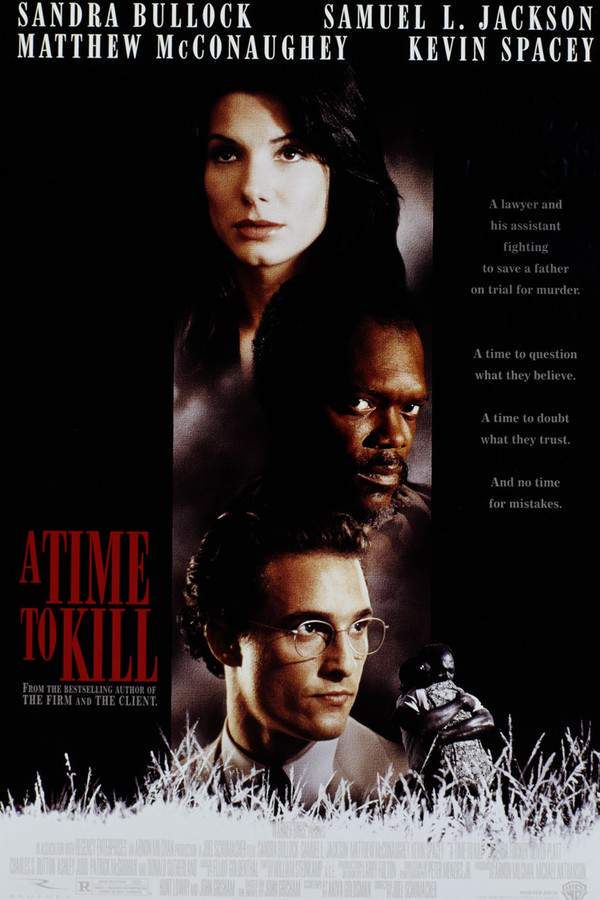
A Time to Kill (1996) movie poster

Timeline

A Time to Kill (1996) Timeline Explained – Every Event in Order

Release, runtime and language
1996 · 149 min · English
JustWatch #564 1,776
Directed by
Joel Schumacher
Starring
Kevin Spacey, Samuel L. Jackson, Matthew McConaughey, Sandra Bullock

In a racially charged Southern town, Carl Lee Hailey takes the law into his own hands after his daughter is brutally attacked. He shoots the two white men responsible, setting off a fierce legal battle. A young, idealistic lawyer defends him, facing intense prejudice and deeply ingrained secrets within the community. The trial exposes the complexities of justice, morality, and the weight of a town's history.

On this page (6)
  1. 1 Where to watch
  2. 2 Events in order (15)
  3. 3 Timeline questions answered
  4. 4 Movie threads
  5. 5 Movies like A Time to Kill
  6. 6 Every angle

Where to watch

Where to Watch A Time to Kill (1996)

Where can you watch A Time to Kill? Stream, rent or buy it in the US, including on Philo, Amazon Video and Apple TV Store: current JustWatch availability with up-to-date prices.

Streaming availability powered by JustWatch

15 events in order · contains spoilers

A Time to Kill Timeline: Events in Chronological Order

Every key event of A Time to Kill (1996) in order, scene by scene, with when and where it takes place. Use it to untangle flashbacks, time jumps and parallel storylines, to refresh your memory before the sequel or to find the exact scene you are thinking of.

  1. Introduction of the Attack

    Billy Ray Cobb and Pete Willard encounter young Tonya Hailey in rural Mississippi. They subject her to a brutal attack before attempting to hang her.

    Where
    Rural Mississippi
  2. Tonya's Survival

    Despite the horrific attack, Tonya survives and is discovered, leading to the arrest of her attackers. This marks the beginning of a tense legal battle.

  3. Carl Lee's Fear

    Tonya's father, Carl Lee Hailey, becomes increasingly anxious about the possibility that the racists might evade justice. He recalls a past case where similarly heinous acts went unpunished.

  4. The Courthouse Incident

    In a fit of rage, Carl Lee acquires an M16 rifle and storms the county courthouse. He kills both attackers but unintentionally injures Deputy Looney, leading to complications in his legal situation.

    Where
    County Courthouse
  5. Brigance Takes the Case

    Attorney Jake Brigance agrees to defend Carl Lee Hailey for a reduced fee, planning a defense of temporary insanity. The case draws national media attention as it unfolds.

  6. Appearance of the KKK

    As the trial gains media traction, the Ku Klux Klan begins organizing in Mississippi. Their presence poses a significant threat to Brigance and those involved in the defense.

    Where
    Mississippi
  7. Threats Intensify

    Freddie Lee Cobb, the brother of one of the rapists, threatens Brigance and his family. This leads to an atmosphere of intimidation and fear surrounding the trial.

  8. Trial Begins

    The trial commences amid public uproar and media frenzy. Brigance’s family evacuates after the Klan burns a cross on their lawn, an act of intimidation against them.

    Where
    Brigance's Home
  9. Confrontation with Klan Members

    In a tense moment, Brigance and police apprehend a Klansman carrying a homemade bomb. Brigance heroically throws the bomb away just before it detonates, showcasing his bravery.

  10. Brigance's House Burns

    As violence escalates, Brigance's house is burned down by arsonists. This act intensifies his resolve to pursue justice for Carl Lee.

  11. Roark's Abduction

    Ellen Roark, Brigance's assistant, is kidnapped by Klansmen who brutally assault her. She is eventually rescued, but the event adds to the chaos surrounding the trial.

  12. Discussion with Carl Lee

    Brigance visits Carl Lee in jail to propose a lesser plea deal, but Carl Lee angrily rejects the idea, insisting that true justice must be pursued despite the risks.

    Where
    Jail
  13. Brigance's Closing Argument

    During closing arguments, Brigance gives a stirring plea to the jury, urging them to visualize Tonya as a white girl. This powerful imagery challenges their preconceived biases about race and justice.

    Where
    Courtroom
  14. Verdict Announcement

    After intense deliberation, a child exclaims that Carl Lee is innocent, leading to jubilation among supporters. However, this moment also incites anger among KKK members, highlighting the deep divisions in the community.

    Where
    Courthouse Steps
  15. Hope for Unity

    The film concludes with Sheriff Ozzie Walls arresting Freddie Lee and his affiliates. Brigance visits Carl Lee, suggesting their families come together, symbolizing a potential for reconciliation and healing.

    Where
    Carl Lee's Home

Last updated: October 27, 2024 at 19:06

Was this helpful?

Timeline questions answered

A Time to Kill Timeline Explained: Your Questions Answered

When does it happen, and why in that order? The questions people ask about the chronology of A Time to Kill (1996): time jumps, flashbacks, cause and effect between scenes and the correct order of events, each answered with spoilers.

Q1

Why does Carl Lee Hailey decide to shoot the attackers at the courthouse instead of waiting for their trial?

Carl Lee fears the two white attackers will be acquitted due to the region's pervasive racism. He recalls a past case where four white youths were acquitted for raping a black girl, leaving his daughter without justice. Believing the legal system would fail him again, Carl Lee takes matters into his own hands by storming the courthouse with an M16 rifle to kill the men who assaulted his daughter.

Foreshadowing: Earlier, Carl Lee discusses with Jake Brigance the troubling precedent of a similar case where white attackers went unpunished, establishing his lack of faith in the judicial system.

  • carl lee hailey
  • courthouse shooting
  • revenge
  • racism
  • mississippi justice
Q2

What happens to Deputy Looney during Carl Lee's courthouse attack?

Deputy Looney is accidentally shot by Carl Lee during the courthouse shooting. While Carl Lee successfully kills both attackers, a stray bullet strikes Looney in the leg. The injury is severe enough that Looney eventually requires amputation of his leg, turning an act of revenge into an even more tragic event that complicates Carl Lee's legal situation.

  • deputy looney
  • courthouse shooting
  • injury
  • amputation
Q3

Why does Carl Lee reject Jake Brigance's suggestion to plead temporary insanity?

When Jake Brigance visits Carl Lee in jail and proposes a lesser plea deal, Carl Lee angrily rejects it. He tells Brigance that as a white lawyer from a different background, Brigance cannot understand what true justice means in a racially biased trial. Carl Lee insists on pursuing full acquittal rather than accepting a plea that might imply guilt, believing only a complete victory can deliver real justice for his daughter.

  • carl lee
  • plea deal
  • temporary insanity
  • rejection
  • justice
Q4

What is the significance of Jake Brigance's closing argument asking the jury to imagine Tonya as white?

During closing arguments, Brigance makes a powerful rhetorical move by asking the jury to envision Tonya Hailey as a white girl. This forces the predominantly white jury to confront their own racial biases by imagining the victim as someone from their own community. The emotional impact challenges their preconceived notions about justice and forces them to consider whether they would want the same lenient treatment for a white child's attackers, ultimately swaying their verdict.

Foreshadowing: Throughout the film, the stark racial disparity in how the community responds to crimes against Black versus white victims is repeatedly highlighted.

  • brigance closing argument
  • jury
  • racial bias
  • tonya hailey
  • white girl thought experiment
Q5

Why does the Ku Klux Klan become involved in Carl Lee's trial?

The KKK becomes organized in Mississippi because the case gains national media attention as a symbol of racial conflict. They view Carl Lee's actions as a Black man who killed white attackers, and their presence escalates the tension in the community. The Klan's involvement includes burning crosses, threatening Brigance, committing arson, and eventually assaulting Ellen Roark, turning the trial into a broader racial confrontation.

  • ku klux klan
  • kkk
  • mississippi
  • racial violence
  • threats
Q6

What happens to Ellen Roark during the trial?

Ellen Roark, the ACLU-affiliated law student helping Brigance, is abducted by Klansmen who brutally assault her and leave her for dead. She is eventually rescued by an informant who tips off the authorities. This violent attack represents the escalating terrorism directed at anyone involved in defending Carl Lee and adds to the chaos surrounding the trial.

  • ellen roark
  • abduction
  • kkk assault
  • law student
Q7

Why does Jake Brigance send his wife and daughter away from town?

Brigance sends his family away for their safety as violence escalates throughout the trial. After the Klan burns a cross on their lawn and a Klansman is caught with a homemade bomb, the threats against Brigance and his family intensify. The violence culminates in arsonists burning down Brigance's house, confirming that his family was in grave danger.

  • brigance family
  • safety
  • evacuation
  • klan threats
  • house burning
Q8

What is the outcome of Carl Lee Hailey's trial?

After deliberation, Carl Lee Hailey is acquitted of all charges. An African-American child bursts onto the courthouse steps exclaiming "he's innocent," causing celebrations among supporters. However, the verdict incites fury among KKK members present, highlighting the deep racial divisions in the community. The victory comes after immense personal cost to everyone involved.

  • verdict
  • acquitted
  • innocent
  • jury decision
  • carl lee freedom
Q9

Why does Carl Lee tell Jake Brigance he cannot understand true justice?

When Brigance visits Carl Lee in jail to suggest a plea deal, Carl Lee explicitly tells him that as a white man who grew up differently, Brigance cannot truly understand what justice means in their racially biased community. Carl Lee's statement reflects the film's central theme about how the legal system and community justice operate differently based on race, and why he refuses to accept any compromise that might let the attackers go free.

  • carl lee
  • brigance
  • justice
  • race
  • understanding
  • dialogue
Q10

What does the final cookout scene between Brigance and Carl Lee's families symbolize?

At the film's conclusion, Brigance brings his family to a cookout at Carl Lee's home and says, "just thought our kids could play together," to which Carl Lee responds with a surprised yet warm smile. This moment symbolizes a glimmer of hope for reconciliation and unity in a community torn by racial conflict. Despite the trial's violence and division, the ending suggests that personal connections across racial lines might begin to bridge deep-seated divides.

  • cookout
  • reconciliation
  • unity
  • families
  • hope
  • carl lee brigance

Movie threads

More Movies Like A Time to Kill, by Mood & Story

Curated lists built around what makes A Time to Kill tick: the same mood, the same kind of story or the same emotional payoff. Each list explains why these movies belong together.

Intense Courtroom Dramas with Moral Conflict like A Time to Kill

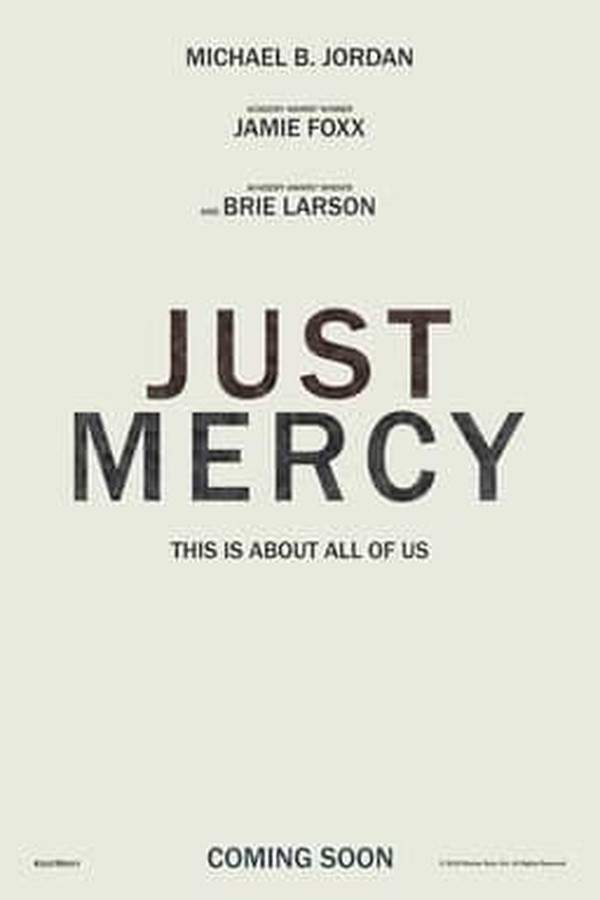
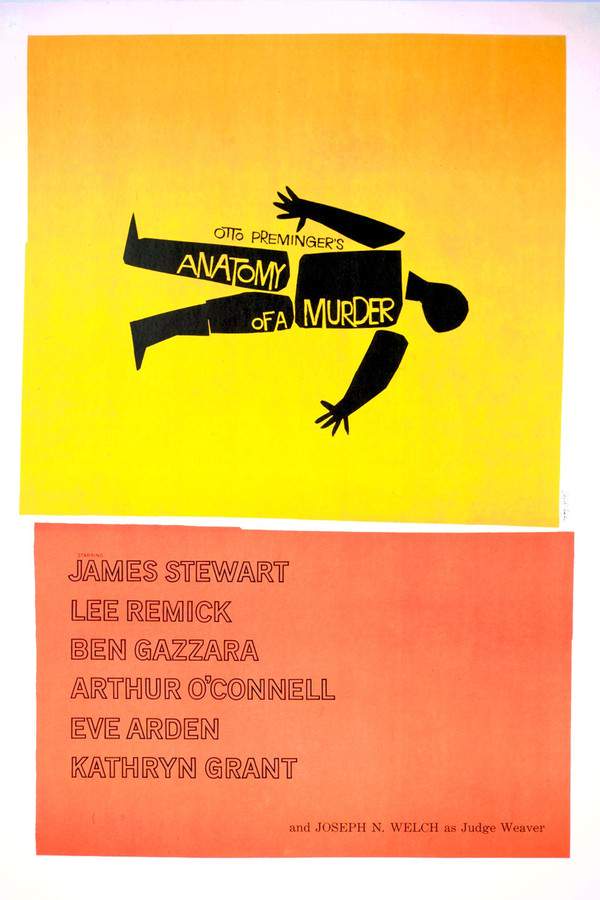
Legal thrillers where the trial is a crucible testing justice and personal ethics. Explore movies like 'A Time to Kill' that feature gripping legal battles at their core. These stories often involve high-stakes trials, personal sacrifices, and deep moral dilemmas, creating a tense and emotionally heavy viewing experience for fans of the genre.

  • gripping
  • urgent
  • righteous anger
  • somber
  • anxious
  • tense
  • Tone: tense, morally complex
  • Pacing: fast, driven by legal procedure
Why these movies?

The story pattern: The narrative typically follows a legal case that forces characters to confront difficult ethical choices. The story builds tension through procedural details, witness testimonies, and closing arguments, often revealing deeper societal issues or personal secrets along the way.

Why they belong together: These films are grouped together for their shared focus on the courtroom as a stage for high drama, their exploration of moral gray areas, and the intense pressure faced by the legal teams. They deliver a specific blend of intellectual challenge and emotional urgency.

Vigilante Justice Thrillers like A Time to Kill

Gripping stories where individuals take violent action, forcing a moral reckoning. If you liked the righteous anger and high stakes of 'A Time to Kill', discover similar movies about vigilante justice. These films often involve violent retaliation, complex moral justifications, and an intense, somber atmosphere that explores the heavy price of taking the law into one's own hands.

  • righteous anger
  • gripping
  • oppressive
  • urgent
  • somber
  • vengeful
  • Tone: oppressive, urgent, somber
  • Pacing: fast, escalating
Why these movies?

The story pattern: The story is triggered by a grievous wrong that the legal system fails to adequately address. This leads a protagonist to commit an act of violent retribution, setting off a chain of escalating consequences and forcing a deep examination of justice, revenge, and morality.

Why they belong together: These films are united by their exploration of the vigilante archetype, the high emotional intensity of their premises, and the oppressive, urgent atmosphere that surrounds the act of revenge. They share a focus on the psychological and societal fallout of extrajudicial violence.

If you liked this

Movies Like A Time to Kill

Similar movies to A Time to Kill: the same genre, themes or kind of story. Each one comes with its own plot summary, timeline and ending explained.

Browse all movie summaries

Every angle

A Time to Kill (1996) Explained: Plot, Timeline & Characters

Everything about A Time to Kill in one place: what happens in the plot summary, the timeline in chronological order, the characters and meaning and a spoiler-free summary. What's After the Movie adds the cast, box office and post-credit scenes.

Coming soon on iOS and Android

The Plot Explained Movie Summary App

Plot summaries, endings explained and timelines on your phone. Catch up on any movie in minutes, save your favorites and never miss a twist again.

Be the first to know when we launch. Your email stays private, always.

Learn more about the app