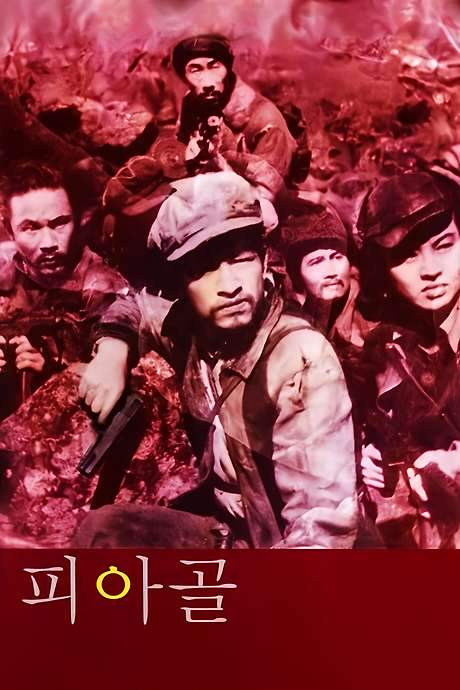
A Little Pond

A Little Pond

Year: 2009

Runtime: 86 mins

Language: Korean

Director: Lee Sang-woo

ThrillerDramaActionWar

Set in July 1950 during the early Korean War, U.S. forces are retreating under North Korean pressure. In the remote Jugok Village, Chang‑yee and his friends are thrilled about an amateur singing contest, unaware of the advancing conflict. As U.S. troops evacuate villagers southward, the residents innocently follow orders, believing they are being protected, while the war closes in around them.

Warning: spoilers below!

Haven’t seen A Little Pond yet? This summary contains major spoilers. Bookmark the page, watch the movie, and come back for the full breakdown. If you're ready, scroll on and relive the story!

Timeline – A Little Pond (2009)

Trace every key event in A Little Pond (2009) with our detailed, chronological timeline. Perfect for unpacking nonlinear stories, spotting hidden connections, and understanding how each scene builds toward the film’s climax. Whether you're revisiting or decoding for the first time, this timeline gives you the full picture.

1

Peaceful village life before the war

The film opens with the ordinary rhythms of a midcentury Korean village: children play, men gather around a board game, and a young teacher leads pupils in practice for a singing contest. This quiet domestic scene establishes the world that violence will upend. The atmosphere is intimate, highlighting what is at stake when war intrudes.

Morning Midcentury Korean village
2

War front advances and US troops arrive

The fighting front pushes southward and the United States hastily dispatches inadequately trained troops from Japan to bolster the South Korean army. As the defenders retreat, villagers are ordered to abandon their homes and head south with whatever they can carry. The move foreshadows the tragedies to come as civilians become entangled in the conflict.

Early war Korean countryside
3

Refugee march begins

Roughly 500 villagers set off on a southbound trek, with children strapped to backs and carts loaded with belongings. American soldiers oversee the retreat, issuing orders to keep moving and to stay together. The march along a railroad route becomes the fragile corridor of the film's impending disaster.

During the retreat Along a railroad route, southern Korea
4

Rumors of infiltrators fuel paranoia

Rumors spread among American troops that North Korean infiltrators are disguised among the refugees. Paranoia and mistrust color every checkpoint and command decision. The fear heightens the sense that danger could emerge from any crowd.

During the march Railroad corridor
5

Air attack on the refugees

American warplanes strike along the march route, slaughtering many civilians as the column buckles under attack. The air assault shreds the sense of safety that kept families moving together. The massacre marks a turning point from evacuations to catastrophe.

During the air operation Railroad route south
6

The underpass trap

Amid the chaos, U.S. soldiers funnel hundreds of refugees into the underpass beneath a railroad bridge. A soldier warns his commanding officers that these are civilians, not combatants, but his plea is ignored. Orders to fire are issued, sealing the fate of the trapped civilians.

Within hours of the attack Underpass of a railroad bridge
7

Three days of carnage

Over the next three days, the refugees are subjected to indiscriminate killing and brutal neglect. Most victims are children, and the scene is described with wrenching detail and stark images. When North Korean troops arrive later, they discover the grisly evidence of what has happened.

Three days after the attack Underpass and surrounding area
8

Survivors return and war flows on

As the tide of the war ebbs and flows, survivors and untrapped villagers begin to return to their homes. Life resumes in a broken landscape, and the community grapples with the memory of the massacre. The event leaves enduring trauma for those who endured.

Aftermath of the attack Home villages impacted by the massacre
9

The boy returns, mother’s relief and heartbreak

A boy who had been believed dead reappears, having carried his younger sister on his back for miles from the southern refuge. The moment offers a fragile ray of relief amid the broader catastrophe. The reunion underscores the personal toll of the war on families.

Late in the march Southern refuge and family home
10

The denouement after the massacre

The narrative settles into a quiet memory as survivors return to their homes and the war continues to ripple across the region. The end hints at reconciliation and endurance after the horror. The film uses restraint, focusing on the human costs rather than sensational spectacle.

Final phase Home village; surrounding region
11

Dream sequence of revived villagers

In the closing credits, a dream sequence reimagines the victims as living, revived villagers who sing and applaud the contest theme song they never performed. The surreal moment contrasts with the violence that preceded it, offering a bittersweet note of memory and resilience. It emphasizes the healing impulse of art and community after tragedy.

Credits roll Dream sequence

Last Updated: October 05, 2025 at 12:18

Mobile App Preview

Coming soon on iOS and Android

The Plot Explained Mobile App

From blockbusters to hidden gems — dive into movie stories anytime, anywhere. Save your favorites, discover plots faster, and never miss a twist again.

Sign up to be the first to know when we launch. Your email stays private — always.

Explore Movie Threads

Discover curated groups of movies connected by mood, themes, and story style. Browse collections built around emotion, atmosphere, and narrative focus to easily find films that match what you feel like watching right now.

Historical tragedy movies like A Little Pond

Peaceful settings shattered by the sudden, brutal reality of war and atrocity.If you were affected by the descent from peace to chaos in A Little Pond, these movies share a similar pattern. They are historical dramas about ordinary people caught in catastrophic events, featuring a slow build-up of tension and a heavy emotional payoff centered on tragedy and survival.

sombertensetragichauntinghistoricaloppressivedevastatingreflective

Narrative Summary

The narrative pattern follows a clear arc: a deliberate establishment of normalcy, the ominous approach of a historical conflict, a chaotic middle act where safety collapses, and a reflective, often somber, aftermath. The journey is less about individual heroism and more about the collective experience of a community facing annihilation.

Why These Movies?

These films are grouped by their shared structure of a peaceful beginning violently interrupted by war or massacre, their focus on the civilian cost of conflict, and their heavy, reflective tone. They prioritize emotional authenticity and the haunting impact of memory over action or political commentary.
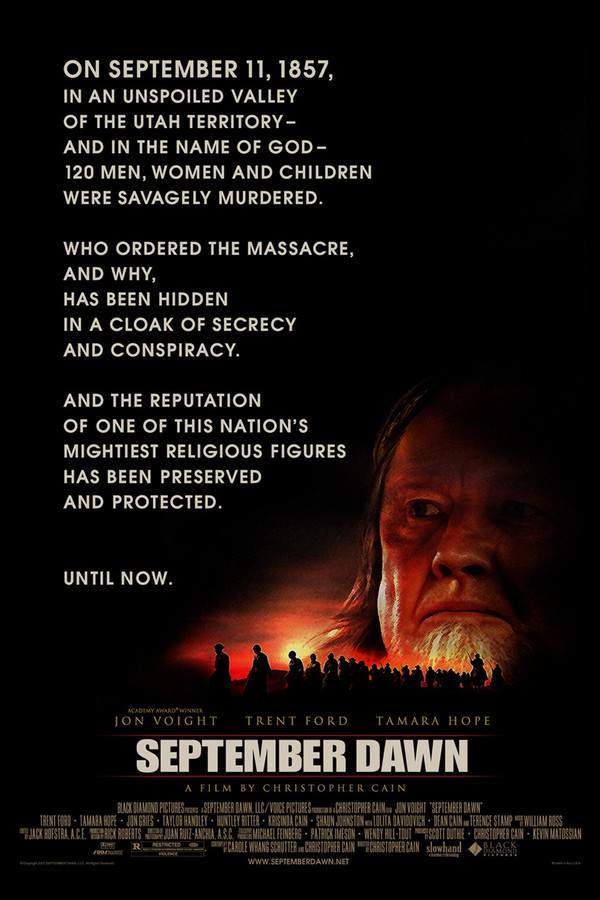
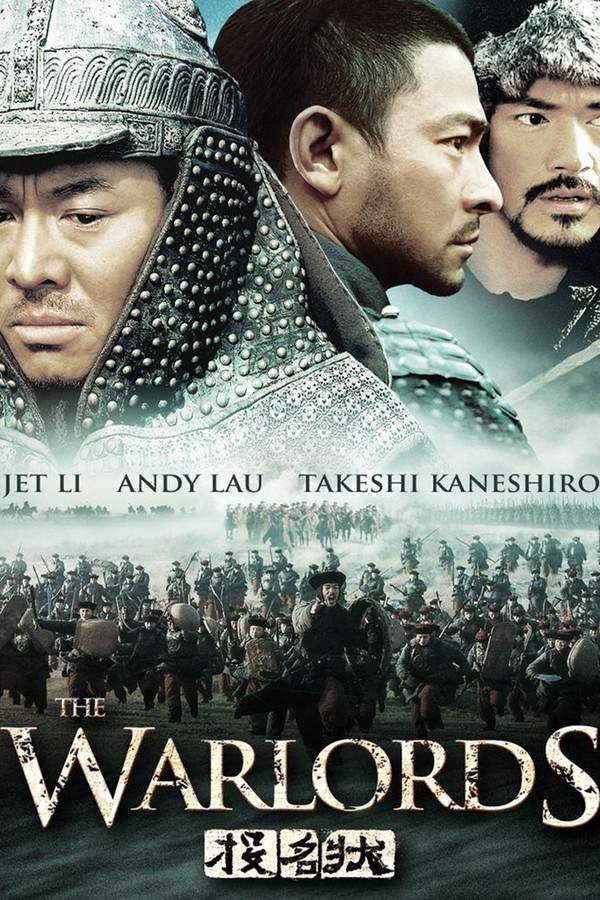
Movies with bittersweet remembrance like A Little Pond

Stories where immense tragedy is balanced by a fragile, hopeful act of remembrance.For viewers who appreciated the haunting, reflective ending of A Little Pond, this collection features stories that balance profound sadness with a sense of memory and legacy. These films explore how hope can persist after tragedy, often through dreamlike sequences or themes of storytelling.

bittersweethauntingreflectivetragicdreamlikesombermemorialhopeful

Narrative Summary

The narrative journey is defined by a catastrophic event that forms the emotional core of the film. The conclusion, however, shifts from the immediate horror to a longer temporal perspective, often using memory, dreams, or symbolic imagery to process the grief. This creates an ending that is emotionally complex, acknowledging despair without being consumed by it.

Why These Movies?

These movies are united by their specific emotional blend: the raw weight of a tragic event is counterbalanced by an ending that is contemplative and slightly hopeful. They share a tone that is dark yet not entirely bleak, focusing on the human capacity to remember and find meaning after devastation.

Unlock the Full Story of A Little Pond

Don't stop at just watching — explore A Little Pond in full detail. From the complete plot summary and scene-by-scene timeline to character breakdowns, thematic analysis, and a deep dive into the ending — every page helps you truly understand what A Little Pond is all about. Plus, discover what's next after the movie.

A Little Pond Summary

Read a complete plot summary of A Little Pond, including all key story points, character arcs, and turning points. This in-depth recap is ideal for understanding the narrative structure or reviewing what happened in the movie.

A Little Pond Summary

Characters, Settings & Themes in A Little Pond

Discover the characters, locations, and core themes that shape A Little Pond. Get insights into symbolic elements, setting significance, and deeper narrative meaning — ideal for thematic analysis and movie breakdowns.

Characters, Settings & Themes in A Little Pond

A Little Pond Spoiler-Free Summary

Get a quick, spoiler-free overview of A Little Pond that covers the main plot points and key details without revealing any major twists or spoilers. Perfect for those who want to know what to expect before diving in.

A Little Pond Spoiler-Free Summary

More About A Little Pond

Visit What's After the Movie to explore more about A Little Pond: box office results, cast and crew info, production details, post-credit scenes, and external links — all in one place for movie fans and researchers.

More About A Little Pond

Similar Movies to A Little Pond

Discover movies like A Little Pond that share similar genres, themes, and storytelling elements. Whether you’re drawn to the atmosphere, character arcs, or plot structure, these curated recommendations will help you explore more films you’ll love.