Plot Explained Spoilers guaranteed!
Plot Explained

Browse by genre

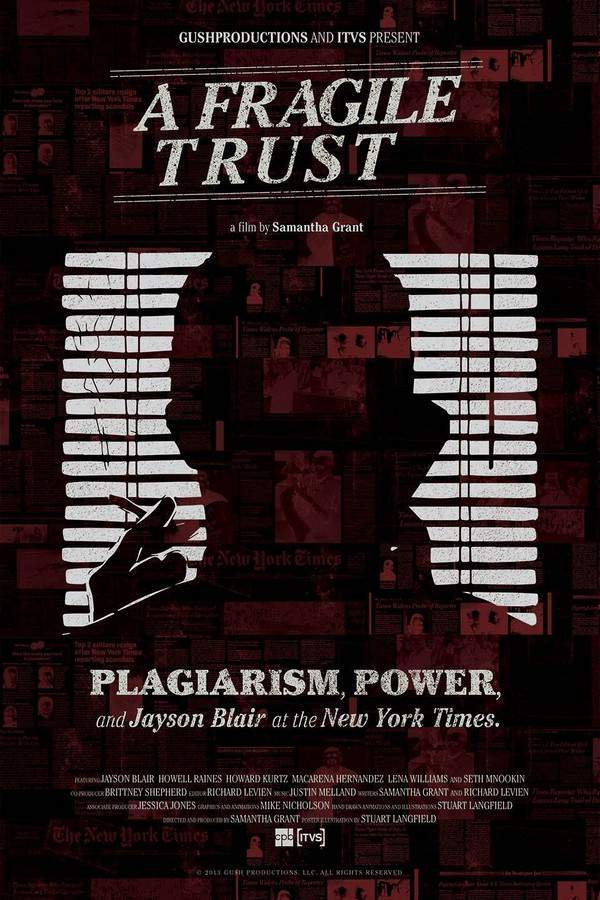
A Fragile Trust (2014) movie poster

Timeline

A Fragile Trust (2014) Timeline Explained – Every Event in Order

Release, runtime and language
2014 · 75 min · English
Loading streaming availability…
Directed by
Samantha Grant

The story explores the fallout when the deceptive actions of correspondent Jayson Blair are revealed, shaking the reputation of The New York Times. His fabricated stories and plagiarism expose a crisis of integrity within the world of journalism. The scandal raises profound questions about accountability, the pursuit of truth, and the devastating consequences of betrayal.

On this page (6)
  1. 1 Where to watch
  2. 2 Events in order (13)
  3. 3 Timeline questions answered
  4. 4 Movie threads
  5. 5 Movies like A Fragile Trust
  6. 6 Every angle
Loading streaming availability…

13 events in order · contains spoilers

A Fragile Trust Timeline: Events in Chronological Order

Every key event of A Fragile Trust (2014) in order, scene by scene, with when and where it takes place. Use it to untangle flashbacks, time jumps and parallel storylines, to refresh your memory before the sequel or to find the exact scene you are thinking of.

  1. Howell Raines Becomes Executive Editor

    In September 2001, Howell Raines took over as executive editor of The New York Times. His arrival marked the start of a turbulent era for the paper, coming just days before events that would define the newsroom for years to come.

    When
    September 2001
    Where
    New York City
  2. The 9/11 Terrorist Attacks

    Only days into Raines's tenure, terrorists attacked the World Trade Center and the Pentagon. The newsroom mobilized for one of the biggest stories in modern American history under its newly appointed leader.

    When
    September 11, 2001
    Where
    New York City
  3. Unprecedented Pulitzer Success

    Under Raines's leadership, the paper went on to win an unprecedented seven Pulitzer prizes. The achievement cemented the Times' reputation for excellence, even as cracks were forming beneath the surface.

    Where
    New York City
  4. Tension Builds in the Newsroom

    Despite the paper's outward success, many reporters expressed feeling under pressure and bullied by Raines's demanding management style. Discontent with his leadership quietly grew among the staff.

    Where
    New York City
  5. Blair's Undetected Plagiarism

    Jayson Blair was accused of plagiarizing in at least 36 of his articles, copying and modifying text from a variety of pieces without lifting entire stories. His savvy with the Internet, a skill many of his editors lacked at the time, allowed the practice to continue unnoticed. During this period he was also battling drug and alcohol abuse and mental illness. In the film, Blair admits that even he is unsure how things got so out of control.

    Where
    New York City
  6. The Hernandez Plagiarism Discovery

    Editors discovered that Blair had plagiarized large sections of copy written by Macarena Hernandez for the San Antonio Express-News. Her article told the story of an American soldier who had gone missing in Iraq. The revelation was the breakthrough that finally exposed Blair's pattern of plagiarism.

    Where
    New York City
  7. Secret Review of Blair's 73 Articles

    Some of Blair's colleagues were given the secret assignment of combing through all 73 pieces he had written for the paper. The internal review sought to determine how deep his plagiarism and fabrication truly went.

    Where
    New York City
  8. Blair's Faked Reporting Locations Exposed

    The investigation revealed that Blair often stayed at his apartment in New York when he was supposedly covering stories around the country. This included the Texas story he lifted from Hernandez and his reporting on the Beltway sniper attacks in Washington, D.C. His first-person accounts had been largely fabricated from afar.

    Where
    New York City
  9. Blair Resigns from The New York Times

    When his deception was revealed, Blair said he considered taking his own life. He ultimately resigned from The New York Times as the scandal became public.

    Where
    New York City
  10. The 14,000-Word Exposé Published

    A 14,000-word exposé detailing Blair's plagiarism was published in the Sunday edition of The New York Times. The lengthy piece laid out the full scale of his fabrications and sent shockwaves through the newsroom.

    Where
    New York City
  11. Landman's Ignored Memo Comes to Light

    Staff members learned that metro editor Jonathan Landman had earlier sent Raines an unheeded memo urging him 'to stop Jayson from writing for The Times. Right now.' The realization that clear warnings had been ignored pushed newsroom discontent to its apex.

    Where
    New York City
  12. Times Staff Town Hall Meeting

    A town hall meeting was held with Times employees to address the fallout from the scandal. Staffers confronted leadership over the failures that had allowed the crisis to happen.

    Where
    New York City
  13. Raines and Boyd Step Down

    Following the town hall meeting, Howell Raines stepped down as executive editor alongside managing editor Gerald M. Boyd. Their departures marked a dramatic leadership overhaul at the paper in the wake of the Blair scandal.

    Where
    New York City

Last updated: November 28, 2026 at 11:46

Was this helpful?

Timeline questions answered

A Fragile Trust Timeline Explained: Your Questions Answered

When does it happen, and why in that order? The questions people ask about the chronology of A Fragile Trust (2014): time jumps, flashbacks, cause and effect between scenes and the correct order of events, each answered with spoilers.

Q1

How did Jayson Blair get away with plagiarism at The New York Times?

A Fragile Trust shows that Blair exploited his greater online savvy by copying passages, modifying them, and blending them with other material rather than reproducing entire stories. Because many of his editors were less familiar with searching the Internet and tracing text online, the altered passages passed review without raising suspicion.

  • jayson blair
  • plagiarism
  • online research
  • editorial oversight
  • fabricated reporting
Q2

How did The Times discover Jayson Blair's fraud?

Editors first noticed that large sections of one of Blair's articles closely matched reporting by Macarena Hernandez for the San Antonio Express-News. Hernandez had written about an American soldier missing in Iraq, and the overlap revealed that Blair had copied her work, prompting a secret internal investigation.

Foreshadowing: The matching passages from Hernandez's missing-soldier story were the first concrete evidence that Blair's work had been copied.

  • jayson blair
  • macarena hernandez
  • plagiarism discovery
  • missing soldier
  • internal investigation
Q3

What did the investigation into Blair's 73 articles reveal?

The review found that at least 36 articles involved plagiarism and that many of Blair's location claims were false. The scope was broader than one copied passage: investigators documented a sustained pattern of plagiarizing and fabricating firsthand reporting.

Foreshadowing: Blair's first-person accounts placing him in Texas and Washington, D.C. initially looked like field reporting before investigators showed that he was often in New York.

  • 73 articles
  • jayson blair
  • plagiarism
  • fabricated locations
  • times investigation
  • reporting fraud
Q4

Was Jayson Blair really in Washington during the Beltway sniper attacks?

No. The investigation found that Blair often stayed in his New York apartment while presenting himself as being on location, including during his coverage of the Beltway sniper attacks in Washington, D.C. His fabricated first-person details made the reporting appear more immediate and credible than it was.

  • beltway sniper attacks
  • jayson blair
  • washington dc
  • fake location
  • first-person reporting
Q5

Why did Jayson Blair resign from The New York Times?

Blair resigned as his fraud became public and the paper prepared to disclose the full pattern. He admitted that he was struggling with mental illness and substance abuse and that he had considered suicide. Those circumstances explain his personal crisis, but they do not erase his responsibility for plagiarizing and fabricating stories.

  • jayson blair resignation
  • mental illness
  • substance abuse
  • suicide
  • times scandal
Q6

Why did Howell Raines step down as executive editor?

Raines stepped down because the scandal exposed a leadership failure under him, especially his failure to act on Jonathan Landman's warning to stop Blair's work. His departure followed the exposé and a tense staff town hall at which employees confronted the paper's leadership.

Foreshadowing: Before the scandal erupted, Landman had already told Raines to stop Blair from writing for the paper immediately.

  • howell raines resignation
  • times leadership
  • editorial accountability
  • ignored warning
  • jayson blair
Q7

What did Jonathan Landman's ignored memo reveal about the scandal?

The memo revealed that The Times had received an explicit internal warning to stop Blair's work before the fraud was exposed. Because Raines did not act on it, the memo turned the scandal into evidence of a leadership and accountability failure, not merely the misconduct of one reporter.

  • jonathan landman memo
  • stop jayson blair
  • ignored warning
  • editorial failure
  • times newsroom
Q8

How did Howell Raines's management style contribute to the scandal?

The documentary links Raines's exacting, high-pressure leadership to reporters feeling bullied and to warnings that were not properly escalated. That climate helps explain how warning signs could accumulate without prompt action, while the paper's seven Pulitzer Prizes kept its public reputation strong.

Foreshadowing: Raines took over days before 9/11 and soon oversaw seven Pulitzer wins, establishing the celebrated authority that later came under scrutiny.

  • howell raines management
  • newsroom pressure
  • bullied reporters
  • times culture
  • accountability
Q9

Why did The New York Times publish the 14,000-word exposé?

The Times published the 14,000-word exposé to lay out the full scale of Blair's plagiarism and fabrications for the public. The document turned the secret 73-article review into an institutional crisis, forcing staff and leaders to confront not only what Blair did but why the paper failed to stop him.

Foreshadowing: The Hernandez discovery and the secret review supplied the evidence that made the detailed exposé possible.

  • 14000-word exposé
  • times exposé
  • plagiarism disclosure
  • editorial investigation
  • newsroom crisis
Q10

Why did Gerald M. Boyd also resign?

Boyd resigned as managing editor alongside Raines after the exposé and town hall made the paper's leadership failure impossible to ignore. His departure was part of a broader accountability response, showing that the Times was confronting responsibility at the top rather than treating the scandal as only Blair's misconduct.

  • gerald boyd
  • managing editor
  • leadership resignation
  • times scandal
  • editorial oversight
Q11

Why did the Times town hall lead to leadership changes?

The town hall gave Times employees a direct chance to confront leaders over the ignored warning and the newsroom culture that had allowed the fraud. It became the immediate breaking point before Raines and Boyd resigned, turning staff frustration into a formal leadership reckoning.

Foreshadowing: Landman's memo resurfacing before the meeting gave employees a concrete warning that leadership had ignored.

  • times town hall
  • staff meeting
  • newsroom fallout
  • leadership crisis
  • jayson blair
Q12

How did the Jayson Blair scandal affect the reputation of The New York Times?

The scandal damaged the paper's credibility by showing that its editorial process had accepted plagiarized and fabricated stories. It also exposed the contrast between the Times' celebrated reputation, reinforced by seven Pulitzers under Raines, and the distrust and disorder inside its newsroom.

Foreshadowing: The seven Pulitzers under Raines established the paper's celebrated reputation before the fraud disclosures placed it in doubt.

  • times reputation
  • journalistic credibility
  • seven pulitzer prizes
  • plagiarism scandal
  • institutional trust

Movie threads

More Movies Like A Fragile Trust, by Mood & Story

Curated lists built around what makes A Fragile Trust tick: the same mood, the same kind of story or the same emotional payoff. Each list explains why these movies belong together.

Institutional crisis and misconduct stories like A Fragile Trust

Measured revelations expose professional misconduct and the institutions that enabled it. Explore movies like A Fragile Trust that investigate fraud, ethical failure, and institutional betrayal. These dark, steady documentaries and dramas use interviews, factual reconstruction, and measured revelations to examine accountability, compromised trust, and the structures that enable misconduct within respected professions.

  • investigative
  • disillusioned
  • institutional
  • ethical failure
  • sobering
  • tense
  • Tone: dark, sober, disillusioned
  • Pacing: steady, methodical
Why these movies?

The story pattern: The narrative typically begins with a disclosure or suspicious pattern, then widens into an examination of how rules were bent, warnings were ignored, and leaders enabled misconduct. As facts accumulate, the focus shifts from the culprit’s methods to organizational responsibility, with reform or resignation offering only partial closure.

Why they belong together: These films share a cerebral, unsparing mood and a steady investigative rhythm. Their drama comes from evidence, institutional pressure, and moral unraveling rather than physical danger, while interviews and reconstructed events let audiences absorb one revelation at a time.
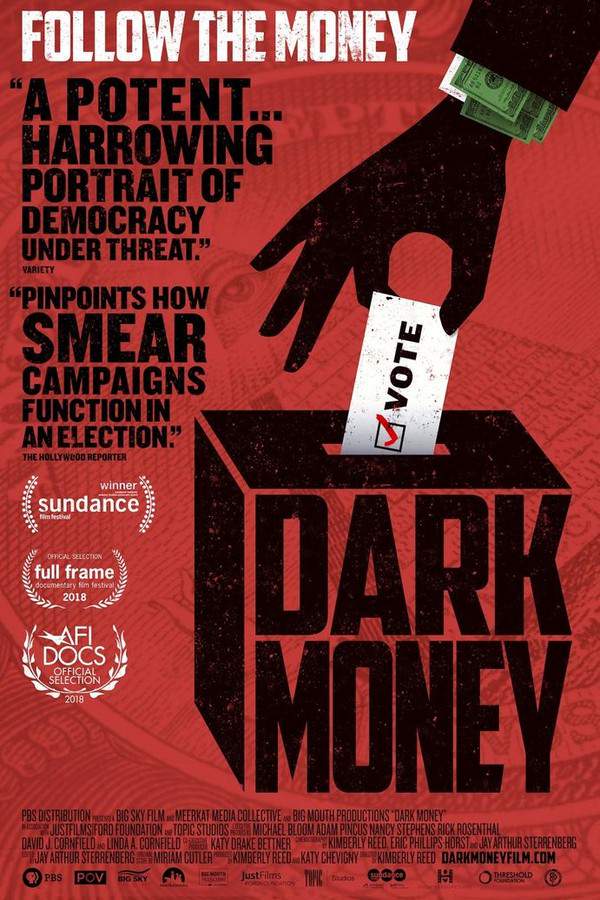
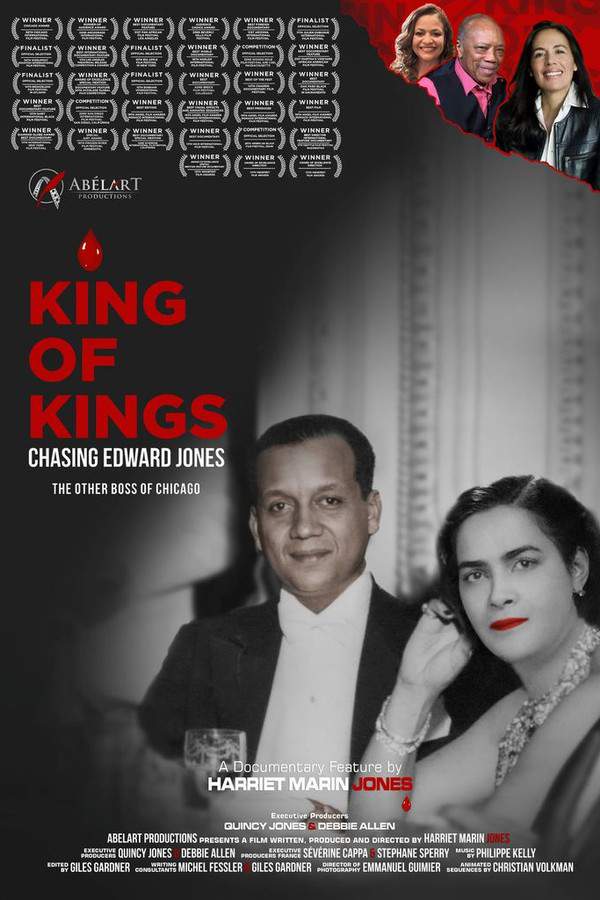
Personal collapse and moral disgrace stories like A Fragile Trust

A measured character study follows the human unraveling after truth exposes a trusted professional. Find movies like A Fragile Trust in which a professional scandal becomes a deeply personal unraveling. These dark, steady stories explore mental illness, substance abuse, isolation, and suicide with restraint, focusing on identity and accountability after deception destroys trust in the individual and their workplace.

  • disillusioned
  • reflective
  • troubled
  • isolated
  • psychological
  • sobering
  • Tone: dark, reflective, anguished
  • Pacing: steady, measured
Why these movies?

The story pattern: A revelation of misconduct initially threatens a career, but the deeper crisis turns inward. The central figure confronts denial, damaged relationships, mental distress, and self-destructive impulses while institutions debate blame. Consequences and possible reform emerge, yet personal recovery remains uncertain, leaving a mixed, unresolved emotional endpoint.

Why they belong together: These stories are linked by sober, reflective pacing and medium emotional intensity. Rather than sensationalizing crisis, they examine the long shadow of betrayal and failure, using restrained performances, interviews, or reconstruction to balance public consequences with fragile inner survival.

If you liked this

Movies Like A Fragile Trust

Similar movies to A Fragile Trust: the same genre, themes or kind of story. Each one comes with its own plot summary, timeline and ending explained.

Browse all movie summaries

Every angle

A Fragile Trust (2014) Explained: Plot, Timeline & Characters

Everything about A Fragile Trust in one place: what happens in the plot summary, the timeline in chronological order, the characters and meaning and a spoiler-free summary. What's After the Movie adds the cast, box office and post-credit scenes.

Coming soon on iOS and Android

The Plot Explained Movie Summary App

Plot summaries, endings explained and timelines on your phone. Catch up on any movie in minutes, save your favorites and never miss a twist again.

Be the first to know when we launch. Your email stays private, always.

Learn more about the app