Years after the tragic loss of their young son, the Vuillard family grapples with lingering grief and strained relationships. The annual Christmas celebration forces them to confront painful memories and unresolved emotions, threatening to shatter the fragile bonds that remain. As old wounds reopen, a devastating confrontation looms, testing the family’s ability to heal and move forward.
Find where to stream, rent, or buy A Christmas Tale (2008) in the US with current JustWatch availability, up-to-date pricing, and platform listings for subscription, rental, and digital purchase options.
Warning: spoilers below!
Haven’t seen A Christmas Tale yet? This summary contains major spoilers. Bookmark the page, watch the movie, and come back for the full breakdown. If you're ready, scroll on and relive the story!
Read the complete plot breakdown of A Christmas Tale (2008), including all key story events, major twists, and the ending explained in detail. Discover what really happened, and what it all means.
Roubaix, December 2006. At the heart of the family is Junon Vuillard, the steadfast matriarch, who is married to Abel. Despite her strong will helping her family endure hardships, this strength has sown seeds of resentment among her children. While Junon remains dignified and composed, her husband, though elderly and somewhat overweight, embodies clarity, acceptance, and unwavering affection for their family, holding the fragmented household together, albeit in a tense manner.
The couple has three children, all in their 30s. The eldest is Elizabeth, a thriving playwright, who is partnered with Claude, also successful in their field. Their only child, 16-year-old Paul, struggles with mental illness, requiring potent medication to manage his condition. Then there’s Henri, the middle child, a heavy drinker with a history of conflict with the family. He has recently started dating Faunia, who offers him some solace. Lastly, Ivan, the youngest, is married to Sylvia and has two sons, Basile and Baptiste. A close family friend and cousin, Simon, raised with them after losing his parents, works at Abel’s plant but also pursues artistry on the side. His battle with alcoholism often leads him into trouble. Each man once vied for Sylvia’s affection, but she eventually wed Ivan, believing he was her true love. The family is further haunted by the memory of a deceased child, Joseph, who passed away from leukemia at six, an event that significantly shaped their lives and dynamics.
Six years prior, Henri found himself in deep financial distress, prompting Elizabeth to cover his debts but on the condition of severing ties with her, intending to exclude him from family functions. This unresolved tension lingers among family members as they speculate on her motives.
As Christmas approaches, Junon receives heartbreaking news: she has acute myeloid leukemia and can only be saved by a bone marrow transplant. The family’s return to her home spirals into chaos filled with quarrels as she requests them to be tested to determine if they can donate marrow. The atmosphere becomes charged as Elizabeth clashes with Henri, who is wrestling with alcoholism and hiding Paul’s essential medication. Meanwhile, Paul grapples with the fear that a blood test might expose Claude as not being his real father. Henri stubbornly declines the test, expressing his indifference toward Junon.
On December 23, Rosaimée, a friend of Abel’s late mother, arrives for dinner, bringing with her the history of a potential romantic connection with Abel’s mother. Rosaimée shares a revelation with Sylvia, claiming that Simon withdrew from her because he thought she would find happiness with Ivan, which culminates in feelings of betrayal for Sylvia. Amidst this turmoil, Henri, after undergoing testing, learns he’s a suitable donor and resolves to help his mother, while Simon spirals into heavier drinking. Sylvia confesses her awareness of Simon’s feelings for her, leading to a passionate encounter between them.
On Christmas Day, Abel and Elizabeth engage in a deep conversation regarding her persistent depression, prompted by Abel’s reading of a passage from Friedrich Nietzsche’s On the Genealogy of Morality. In this introspective moment, he suggests that Elizabeth’s fear of death underlies her cautious demeanor. As family tensions reach new heights, Ivan discovers Sylvia’s infidelity with Simon, but he appears unfazed.
As the holiday unfolds, Paul seeks support from Henri, who positively influences his mental health, leading to a deeper bond between them. Henri eventually donates his bone marrow to Junon, yet she expresses a foreboding conviction that her body may reject the transplant. Elizabeth contemplates the likelihood of her mother’s survival while Henri, tossing a coin in the hospital, guards the outcome as a harbinger of their uncertain future.
Last updated: November 08, 2024 at 01:53
Explore frequently asked questions about A Christmas Tale (2008) with spoiler-rich answers covering the full plot summary, major story beats, character motivations, hidden details, and ending meaning. This movie summary FAQ helps explain confusing scenes, plot twists, and narrative decisions in clear, searchable detail.
Henri refuses the bone marrow test out of resentment toward his mother and the family. He has been estranged from them for six years after Elizabeth paid off his debts on the condition that he cut ties with her. His alcoholism and sense of alienation have made him indifferent to Junon's plight, though this later changes when he learns he is a suitable donor.
Earlier tensions between Henri and Elizabeth hint at his deep-seated resentment toward the family.
Paul fears that a blood test would reveal Claude is not his real father. His biological parentage is uncertain, and since Claude is not his biological father, the test could expose this secret, creating a crisis within Elizabeth and Claude's relationship.
The summary mentions Paul's fear about blood tests exposing Claude's paternity.
Six years before the story, Elizabeth paid off Henri's debts but demanded he cut all ties with her and exclude himself from family functions. This harsh condition stemmed from deep family conflict, though the exact reasons for her extreme measure are not fully explained in the summary.
The timeline notes that Elizabeth's decision created lasting tension among family members.
Despite discovering Sylvia's infidelity with Simon on Christmas Day, Ivan shows no emotional reaction. The summary does not explain his passive response, leaving his lack of response as one of the film's enigmatic moments that suggests either deep acceptance, emotional detachment, or complex feelings about his marriage.
Earlier hints about Simon's unrequited love for Sylvia foreshadow the eventual affair.
Joseph died from leukemia at age six, and his death profoundly shaped the family's dynamics. This decades-old loss haunts them, creating unresolved grief that influences their relationships and how they cope with Junon's leukemia diagnosis. The trauma makes Junon's illness particularly devastating as it mirrors the loss they already endured.
The memory of Joseph is mentioned as a constant presence throughout the narrative.
After initially refusing, Henri decides to help after learning he is a suitable donor. His change of heart represents a turning point in his character, as he chooses to mend fractured family ties rather than remain indifferent. The act symbolizes hope and reconciliation, though Junon remains pessimistic about the transplant's success.
Henri's relationship with Faunia and his gradual engagement with family suggest his capacity for redemption.
Rosaimée tells Sylvia that Simon withdrew from her because he believed she would find happiness with Ivan. This revelation deepens Sylvia's sense of betrayal, as it clarifies Simon's long-hidden feelings for her and explains why he never pursued a relationship despite his evident affection.
The summary notes that all the men once vied for Sylvia's affection.
On Christmas Day, Abel reads from Nietzsche's On the Genealogy of Morality and suggests that Elizabeth's persistent depression stems from her fear of death. This philosophical conversation reveals Elizabeth's underlying vulnerability and helps explain her cautious demeanor and lifelong struggles.
Elizabeth's depression has been present throughout the family narrative.
Paul seeks support from Henri during the holiday, and Henri becomes a positive influence on Paul's mental health. Their growing bond represents one of the film's hopeful elements, showing that even strained family relationships can be mended and that Henri, despite his own struggles, can provide meaningful support.
Henri's own battles with alcoholism give him empathy for Paul's mental health challenges.
After donating his bone marrow, Henri tosses a coin at the hospital while guarding the outcome as a harbinger of their uncertain future. This simple act becomes a metaphor for the family's unpredictable fate, reflecting the film's bittersweet tone where hope and uncertainty coexist following Junon's transplant.
Junon's foreboding conviction that her body might reject the transplant sets up this uncertain conclusion.
Discover curated groups of movies connected by mood, themes, and story style. Browse collections built around emotion, atmosphere, and narrative focus to easily find films that match what you feel like watching right now.
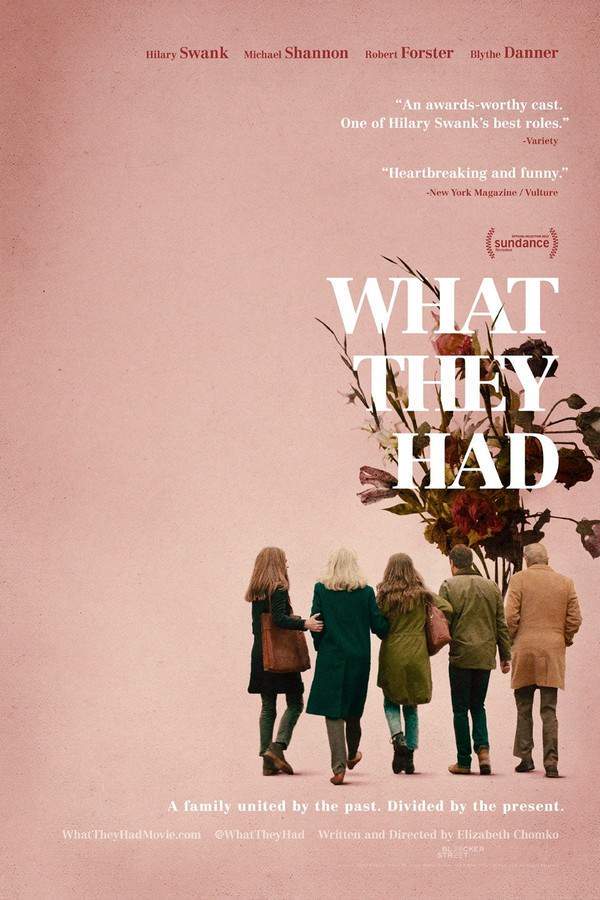
Holiday reunions force simmering family conflicts into the open.Find more movies like A Christmas Tale that explore tense family dynamics during holiday gatherings. If you enjoyed the way forced proximity unravels deep-seated issues, these similar dramas about grief, reconciliation, and familial conflict will resonate.
Stories in this thread typically unfold over a short, contained period like Christmas or Thanksgiving. The narrative structure uses the holiday as a catalyst, bringing disparate, often estranged family members together. As old rituals are observed, hidden tensions surface through heated conversations, revelations, and introspective moments, leading to a climax that may offer fragile hope or acknowledge irreparable rifts.
These films are grouped by their shared setting—the emotionally loaded family holiday—and their focus on how this environment amplifies underlying dysfunction. They share a melancholic tone, slow pacing that allows for character depth, and a heavy emotional weight derived from exploring grief, addiction, and fractured relationships.
Families grappling with profound loss find a fragile path toward reconciliation.Explore movies similar to A Christmas Tale that focus on the heavy, complex process of grieving and familial reconciliation. If you were moved by its portrayal of lingering loss and the bittersweet possibility of moving forward, these emotionally weighty dramas will appeal.
The narrative pattern follows characters years after a significant loss, examining how grief has shaped their lives and relationships. The plot is often triggered by a new crisis or reunion that forces a re-examination of the past. The journey involves confronting buried emotions and fractured bonds, culminating in an ending that acknowledges the scars of loss while offering a glimmer of hard-won connection or understanding, rarely providing a full catharsis.
This thread groups films based on their central thematic focus on grief and their specific emotional payoff: a bittersweet ending. They share a heavy emotional weight, a melancholic or somber tone, and a moderate narrative complexity that weaves together the past and present impacts of loss on multiple characters.
Don't stop at just watching - explore A Christmas Tale in full detail. From the complete plot summary and scene-by-scene timeline to character breakdowns, thematic analysis, and a deep dive into the ending - every page helps you truly understand what A Christmas Tale is all about. Plus, discover what's next after the movie.
Track the full timeline of A Christmas Tale with every major event arranged chronologically. Perfect for decoding non-linear storytelling, flashbacks, or parallel narratives with a clear scene-by-scene breakdown.
Discover the characters, locations, and core themes that shape A Christmas Tale. Get insights into symbolic elements, setting significance, and deeper narrative meaning - ideal for thematic analysis and movie breakdowns.