
The Little Mermaid
Year: 1976
Runtime: 84 mins
Language: Czech
Director: Karel Kachyňa
A mermaid saves a drowning prince and falls for him. Desperate to live on land, she trades her enchanting voice to an evil sorceress for human legs. The prince, bewitched by her beauty, still believes a mysterious princess rescued him on the beach, sparking a tragic misunderstanding that even the sea‑king cannot avert.
Warning: spoilers below!
Haven’t seen The Little Mermaid yet? This summary contains major spoilers. Bookmark the page, watch the movie, and come back for the full breakdown. If you're ready, scroll on and relive the story!
Timeline – The Little Mermaid (1976)
Trace every key event in The Little Mermaid (1976) with our detailed, chronological timeline. Perfect for unpacking nonlinear stories, spotting hidden connections, and understanding how each scene builds toward the film’s climax. Whether you're revisiting or decoding for the first time, this timeline gives you the full picture.
Last updated: December 04, 2025 at 15:33
The Little Mermaid (1976) Timeline Questions Answered – Chronology FAQ
Find frequently asked questions about the The Little Mermaid (1976) timeline, including chronological order, nonlinear jumps, cause-and-effect links, and scene sequence clarifications. This timeline FAQ helps explain when key events happen, how moments connect, and why the story unfolds in that specific order.
Why does the little mermaid give up her voice to the sea witch?
The mermaid gives up her voice because she is desperate to be with the prince on land. After seeing the prince during the storm and rescuing him, she falls deeply in love with him. Since she cannot live as a mermaid on land, she trades her voice to the sea witch in exchange for human legs, allowing her to walk on land and be close to the prince, even though she knows he loves another.
Earlier, her grandmother warns her to never kiss a human and stay away from the surface, foreshadowing the dangers of her desire to leave the sea.
What happens to the mermaid if the prince loves someone else?
The sea witch warns that if the prince marries another woman, the mermaid will turn into sea foam and die. This is the central tragedy of the story - the prince falls in love with the shore maiden, and the mermaid faces death rather than harm him.
The witch's warning about sea foam establishes the stakes early in the story.
Why does the Sea King curse the prince's kingdom?
The Sea King curses the prince's kingdom as punishment for the mermaid's actions - leaving the sea and giving up her voice to pursue a human. This curse brings suffering to the land as a consequence of the mermaid's transgression against her own kind.
The grandmother's warning about staying away from humans foreshadows the consequences of the mermaid's defiance.
Who is the shore maiden the prince keeps thinking about?
The shore maiden is a young princess who discovers the prince on the beach after the mermaid rescues him. The prince awakens to find her standing over him and believes she was the one who saved his life. This mistaken identity becomes the central misunderstanding of the story, as the prince falls in love with the princess based on a false belief.
The mermaid vanishes before being discovered, allowing the princess to take credit for the rescue.
Why does the Sea King give the mermaid a dagger after the prince marries?
After the prince marries the shore maiden, the Sea King presents the mermaid with a dagger as a final test. If she kills the prince and lets his blood touch her feet, she can restore her mermaid form and return to the sea. This represents her last chance to save herself from turning into sea foam.
The sea witch's earlier warning about the consequence of the prince loving another sets up this final choice.
What do the flowers at the end of the movie represent?
At the end, the mermaid throws herself into the sea rather than harm the prince. At dawn, the newlyweds discover countless flowers floating on the sea surface. This magical transformation represents the mermaid's selfless love transcending death - her sacrifice becomes a symbol of hope, renewal, and enduring love rather than complete tragedy.
The hopeful ending is subtly prepared through the theme of love as self-sacrifice throughout the story.
How does the mermaid help lift the curse on the prince's kingdom?
The mermaid, now living at court as a helper and healer, uses her position to persuade the prince to lift the curse. Her influence as a miracle worker and friend to the prince creates a bridge between the sea kingdom and the land, ultimately leading to the curse being removed and the realm prospering once more.
Her role as a bridge between sea and land was foreshadowed by her decision to leave the sea for love.
Why can't the mermaid tell the prince she saved him?
The mermaid cannot tell the prince the truth because she traded her voice to the sea witch. Without her voice, she cannot speak or explain that she was the one who pulled him from the water. This silence is central to the tragic misunderstanding that drives the story.
The trade of her voice happens explicitly to enable her to walk on land, making silence the unavoidable cost.
Why does the prince choose to marry the shore maiden?
The prince chooses the shore maiden because he believes she was the one who rescued him from the drowning ship. Throughout the story, he keeps thinking of the mysterious maiden he saw on the shore. When he discovers she is a princess from another kingdom during his official visit, they fall in love and marry - unaware that the mermaid was his true savior.
The scene where the prince is discovered by the princess while the mermaid slips away establishes this mistaken identity from the beginning.

Explore Movie Threads
Discover curated groups of movies connected by mood, themes, and story style. Browse collections built around emotion, atmosphere, and narrative focus to easily find films that match what you feel like watching right now.
Tragic Fairytale Romances like The Little Mermaid
Stories where love across impossible boundaries leads to a heartbreaking sacrifice. Discover movies like The Little Mermaid that explore the heartbreaking beauty of forbidden love in a fairytale setting. If you were moved by the mermaid's tragic sacrifice, you'll find similar stories of impossible yearning, magical bargains, and bittersweet endings in this collection of romantic fantasies.
The Little Mermaid
1976

Fire and Sword
1982

The Mad Fox
1962

Felicitas
2009
Somewhere in Time
1980
The Duchess of Langeais
2008

Inhuman Kiss
2019

Of Love and Other Demons
2009

My Summer of Love
2005

Countess Cosel
1968
Humoresque
1946

Anna Karenina
1997

Ashes of Time
1994

Maro Charitra
2010

Farewell My Concubine
1993
Narrative Summary
These narratives typically follow a linear path: an encounter sparks an all-consuming, impossible love; the protagonist makes a great sacrifice (often involving their identity or voice) to be with their beloved; a tragic misunderstanding or the weight of their choice leads to a sorrowful, often self-sacrificial, resolution. The journey is more about emotional suffering than external conflict.
Why These Movies?
Movies in this thread share a core DNA of melancholic romance, fantasy settings, and a fatalistic narrative arc. They are united by a heavy emotional weight, a steady pacing that allows the tragedy to unfold deliberately, and a focus on the beauty and pain of loving someone you can never truly have.
Movies About Identity Sacrifice like The Little Mermaid
Character-driven dramas about losing oneself for love, leading to profound sorrow. Explore films similar to The Little Mermaid that delve into the melancholic theme of sacrificing one's identity for love. These stories feature characters who give up their voice, past, or essence, resulting in a poignant journey of silent yearning and emotional isolation, perfect for viewers who appreciate heavy, character-driven dramas.

The Singing Forest
2003

M. Butterfly
1993

Faithless
2000

Comrades, Almost a Love Story
1996

Voyager
1991

The Unbearable Lightness of Being
1988

Liliom
1934

Wristcutters: A Love Story
2007
Lost and Delirious
2001

More Than Blue
2009

Maharadhi
2007

Wintersleepers
1997

More Than Blue
2021

Jag Jeondeyan De Mele
2009

No More Orchids
1932
Narrative Summary
The narrative pattern revolves around a transformative choice: to become someone new for a chance at happiness. This transformation is physically or emotionally painful and creates a fundamental barrier to communication (like losing one's voice). The story then explores the quiet agony of being present yet unknown, loved for a facade but not for one's true self, culminating in an ending defined by the consequences of that initial sacrifice.
Why These Movies?
These films are grouped by their shared exploration of identity loss and the heavy price of transformation. They possess a steady, introspective pacing that allows the audience to feel the protagonist's isolation. The tone is consistently melancholic, and the emotional weight is high, focusing on internal conflict rather than external action.
Unlock the Full Story of The Little Mermaid
Don't stop at just watching - explore The Little Mermaid in full detail. From the complete plot summary and scene-by-scene timeline to character breakdowns, thematic analysis, and a deep dive into the ending - every page helps you truly understand what The Little Mermaid is all about. Plus, discover what's next after the movie.
The Little Mermaid Summary
Read a complete plot summary of The Little Mermaid, including all key story points, character arcs, and turning points. This in-depth recap is ideal for understanding the narrative structure or reviewing what happened in the movie.

Characters, Settings & Themes in The Little Mermaid
Discover the characters, locations, and core themes that shape The Little Mermaid. Get insights into symbolic elements, setting significance, and deeper narrative meaning - ideal for thematic analysis and movie breakdowns.


Similar Movies to The Little Mermaid
Discover movies like The Little Mermaid that share similar genres, themes, and storytelling elements. Whether you’re drawn to the atmosphere, character arcs, or plot structure, these curated recommendations will help you explore more films you’ll love.
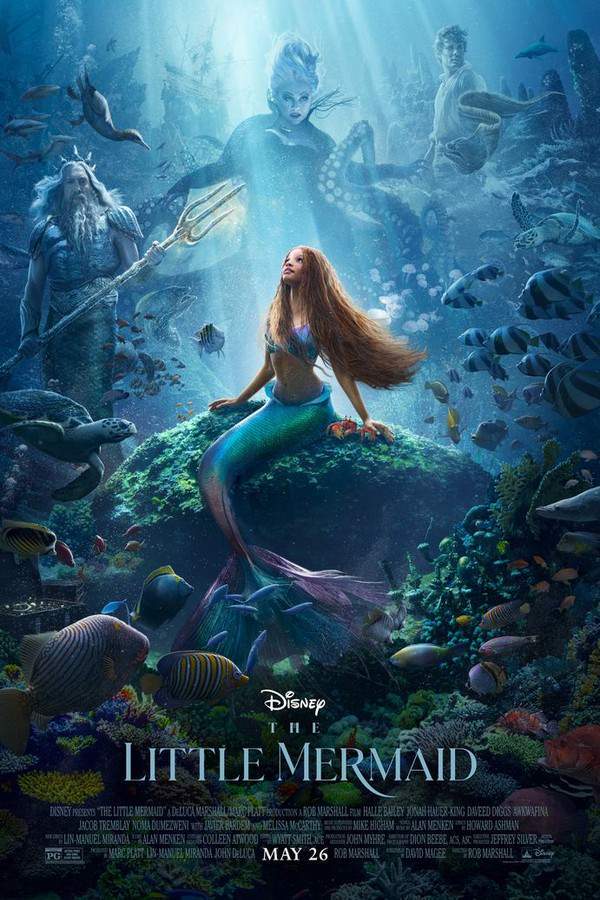
The Little Mermaid
2023
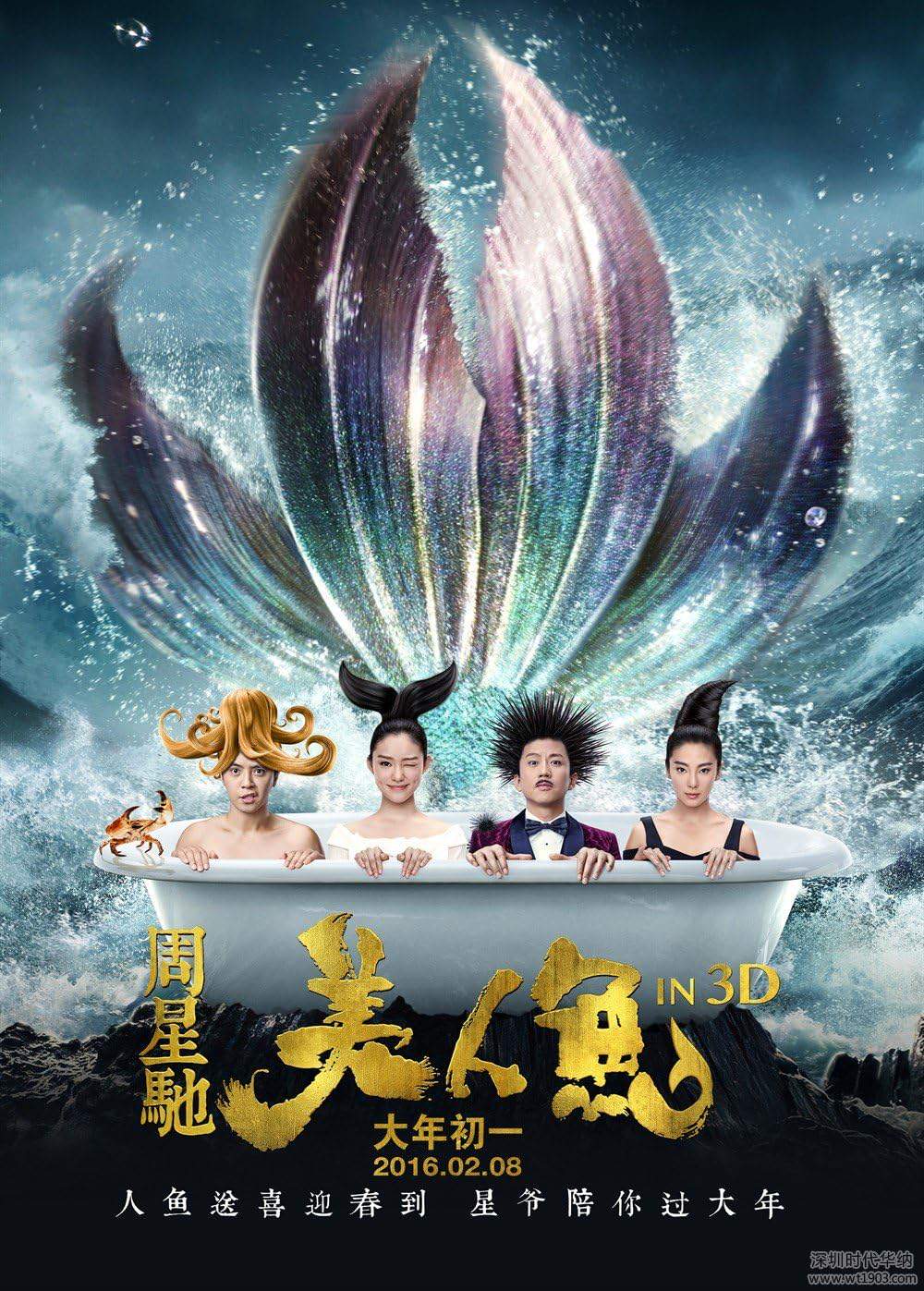
The Mermaid
2016

A Mermaid’s Tale
2017

The Little Mermaid
2018

Mermaids
2003

Adventures of the Little Mermaid
1000

The Little Mermaid
1987

The Little Mermaid
1989

Hans Christian Andersen’s The Little Mermaid
1975

The Mermaid
1965

The Little Mermaid
1968

The Little Mermaid
1976

The Little Mermaid: Ariel’s Beginning
2008

The Little Mermaid
1998

The Little Mermaid
1992
Explore More About Movie The Little Mermaid
The Little Mermaid (1976) Plot Summary & Movie Recap
The Little Mermaid (1976) Scene-by-Scene Movie Timeline
The Little Mermaid (1976) Spoiler-Free Summary & Key Flow
Movies Like The Little Mermaid – Similar Titles You’ll Enjoy
The Little Mermaid (2023) Movie Recap & Themes
The Mermaid (2016) Plot Summary & Ending Explained
A Mermaid’s Tale (2017) Movie Recap & Themes
The Little Mermaid (2018) Complete Plot Breakdown
Mermaids (2003) Complete Plot Breakdown
Adventures of the Little Mermaid (1000) Story Summary & Characters
The Little Mermaid (1987) Story Summary & Characters
The Little Mermaid (1989) Film Overview & Timeline
Hans Christian Andersen’s The Little Mermaid (1975) Full Movie Breakdown
The Mermaid (1965) Movie Recap & Themes
The Little Mermaid (1968) Detailed Story Recap
The Little Mermaid (1976) Film Overview & Timeline
The Little Mermaid: Ariel’s Beginning (2008) Movie Recap & Themes
The Little Mermaid (1998) Story Summary & Characters
The Little Mermaid (1992) Story Summary & Characters