Plot Explained Spoilers guaranteed!
Plot Explained

Browse by genre

88 (2015) movie poster

Timeline

88 (2015) Timeline Explained – Every Event in Order

Release, runtime and language
2015 · 88 mins · English
Loading streaming availability…
Starring
Michael Ironside, Stephannie Hawkins, Dax Ravina, Katharine Isabelle, Christopher Lloyd, Dru Viergever

A young woman awakens in a roadside diner, disoriented and with no memory of how she arrived. As she struggles to piece together her past, she finds herself caught between two distinct timelines, embarking on a perilous journey to uncover the truth behind her lover’s death and confront those responsible for the tragedy. The story explores the complexities of memory and the different perspectives that shape our understanding of events.

On this page (5)
  1. 1 Where to watch
  2. 2 Events in order (12)
  3. 3 Timeline questions answered
  4. 4 Movie threads
  5. 5 Every angle
Loading streaming availability…

12 events in order · contains spoilers

88 Timeline: Events in Chronological Order

Every key event of 88 (2015) in order, scene by scene, with when and where it takes place. Use it to untangle flashbacks, time jumps and parallel storylines, to refresh your memory before the sequel or to find the exact scene you are thinking of.

  1. Gwen Awakens in Diner

    Gwen comes out of a daze in a diner, confused and disoriented about her surroundings. This moment marks the beginning of her chaotic journey as she discovers a pistol in her bag, setting off a chain of violent events.

    Where
    Diner
  2. Accidental Shooting

    As the police confront Gwen about the pistol, panic ensues, and she accidentally shoots a waitress. This incident forces Gwen to flee the scene, compounding her confusion and fear about her situation.

    Where
    Diner
  3. Return to Hotel Room

    Gwen rushes to a hotel room that corresponds to a key she possesses, although she cannot remember any details about it. Upon entering, she discovers the shocking sight of a dead body, later identified as her best friend Winks.

    Where
    Hotel Room
  4. Encounter with Ty

    A man named Ty arrives at the hotel room, threatening Gwen's life. In a surprising turn of events, Ty is killed by another attacker, leading Gwen to a reluctant alliance with him as they discuss plans to kill an underworld boss named Cyrus.

    Where
    Hotel Room
  5. Flashbacks of Aster's Death

    Gwen experiences flashbacks that reveal her deep-seated anger towards Cyrus for the death of her boyfriend, Aster. These memories fuel her resolve to confront Cyrus, highlighting the personal stakes involved in her quest.

  6. Visit to Lemmy

    Gwen and Ty visit Lemmy, an illegal arms dealer, to acquire new weapons for their mission against Cyrus. However, their plans are interrupted by Sheriff Knowles, leading to a chaotic firefight that results in casualties.

    Where
    Lemmy's Hideout
  7. Gwen's Arrest

    In the midst of the firefight, Gwen is overcome by fear and chooses to surrender, resulting in her arrest. Sheriff Knowles seeks to gather information from her, intrigued by her accusations against Cyrus.

    Where
    Police Station
  8. Ty's Assault on the Police Station

    While Gwen is in custody, Ty launches an assault on the police station, killing several officers in a desperate attempt to free her. This reckless act of violence reveals Ty's intense motivations but ultimately leads to his downfall.

    Where
    Police Station
  9. Flashbacks of Past Violence

    Gwen experiences further flashbacks that reveal unsettling truths about her actions while in a fugue state. She learns that she was responsible for Winks' murder, deepening her personal turmoil and confusion over her past.

  10. Confrontation with Cyrus

    Gwen tracks down Cyrus and confronts him about the numerous deaths she blames on him. During their exchange, Cyrus manipulates Gwen into recalling the moment she accidentally shot Aster, leading to a tragic revelation.

  11. Cyrus's Suicide

    In a shocking twist, Cyrus reveals that he will take the blame for Aster's death and commits suicide in front of Gwen. This act not only challenges her understanding of guilt but also poses moral dilemmas about accountability.

  12. Flashback to the Diner

    The film culminates in a return to the diner where it all began. Gwen prepares to ambush Cyrus while listening to Aster's favorite song, evoking a wave of nostalgia and heartbreak as she enters a daze once more.

    Where
    Diner

Last updated: September 22, 2026 at 18:34

Was this helpful?

Timeline questions answered

88 Timeline Explained: Your Questions Answered

When does it happen, and why in that order? The questions people ask about the chronology of 88 (2015): time jumps, flashbacks, cause and effect between scenes and the correct order of events, each answered with spoilers.

Q1

Why can't Gwen remember anything at the beginning of the movie?

Gwen is experiencing a dissociative fugue state, a psychological condition in which a person loses coherent memory of their identity and recent actions while still being able to move and function. The film uses this condition to explain the gaps in her recollection, including why she doesn't remember buying a gun, meeting with Ty, or committing multiple murders. Her fragmented memories only return in traumatic flashbacks triggered by specific encounters, which is why the story unfolds nonlinearly.

Foreshadowing: Early scenes of Gwen staring blankly at the diner menu and reacting with confusion to her own surroundings hint that her awareness of the situation is not just fear, but a deeper psychological break.

  • gwen memory loss
  • fugue state
  • dissociative identity
  • 88 movie explained
  • unreliable narrator
Q2

Why does Gwen accidentally shoot the waitress in the diner?

When police officers confront Gwen about the pistol discovered in her bag, she panics and grips the weapon defensively. In her disoriented state, she fails to realize her finger is on the trigger, and the gun fires during the scuffle, wounding the waitress. This accidental shooting is the first violent event that sends Gwen fleeing and sets the entire chain of events in motion.

  • diner shooting
  • waitress shot
  • gwen panic
  • accidental discharge
Q3

How did Gwen's boyfriend Aster actually die?

Gwen believes Cyrus ordered Aster's death because both she and Aster were marked after she witnessed Cyrus with Ty's murdered sister. However, during her final confrontation with Cyrus, she learns the horrifying truth: while trying to warn Aster that Cyrus had ordered a hit on him, she accidentally fired her weapon and killed Aster herself. The guilt she has been projecting onto Cyrus was actually her own, buried beneath her fugue state.

Foreshadowing: Gwen's recurring blank stares and sudden emotional collapses in earlier scenes suggest she is suppressing a traumatic memory rather than simply grieving an external murder.

  • aster death
  • how did aster die
  • gwen killed aster
  • accidental shooting boyfriend
Q4

Why does Cyrus commit suicide in front of Gwen?

After Gwen realizes she is the one who killed Aster, Cyrus tells her he will take the blame for Aster's death to shield her from prosecution and consequences. He then shoots himself in front of her, framing it as a final act of control and protection. His suicide is designed to remove himself as a target while ensuring Gwen is left alone with the psychological wreckage of her own guilt.

Foreshadowing: Cyrus's calm and almost philosophical demeanor during their confrontation hints that he has already accepted his fate and is guiding Gwen toward a specific outcome.

  • cyrus suicide
  • why did cyrus kill himself
  • aster blame
  • cyrus motive
Q5

Why does Gwen blame Cyrus for Aster's death?

After witnessing Cyrus standing over the body of Ty's sister, Gwen and Aster became targets marked for death by Cyrus's organization. When Aster was killed shortly afterward, Gwen assumed Cyrus had ordered the hit. Her fugue state prevented her from accessing the actual memory of the event, so she constructed a narrative in which Cyrus was the sole villain responsible for her loss.

Foreshadowing: Gwen's absolute certainty about Cyrus's guilt, despite having no concrete evidence, hints that her memories may be distorted to protect her from a more painful truth.

  • gwen blames cyrus
  • aster killed
  • cyrus motive
  • ty sister murder
Q6

Why did Gwen kill her best friend Winks?

While in her fugue state, Gwen committed several murders without conscious awareness, including the killing of Winks, who was her closest friend. Winks had been feeding Gwen and Ty intelligence about Cyrus's whereabouts and was genuinely worried about Gwen's deteriorating mental state. The discovery that Gwen murdered the very person trying to help her is one of the film's most devastating revelations.

Foreshadowing: Gwen's repeated confused reactions to her own hands and clothing earlier in the film suggest she has been physically involved in acts she cannot mentally register.

  • winks death
  • who killed winks
  • gwen murders
  • fugue state killings
Q7

Why does Ty launch an assault on the police station?

After Gwen is captured during the shootout at Lemmy's hideout and taken in for interrogation, Ty refuses to leave her behind. He storms the police station in a desperate attempt to free her, killing several officers in the process. The assault reflects his obsessive commitment to the mission against Cyrus and his unwillingness to let Gwen face questioning alone, even though the act ultimately costs him his life.

Foreshadowing: Ty references their shared plan to kill Cyrus multiple times before the assault, signaling that he views the mission as more important than his own survival.

  • ty police station attack
  • ty killed
  • ty rescue gwen
  • station massacre
Q8

Why does Sheriff Knowles offer Gwen a deal instead of prosecuting her?

Sheriff Knowles is personally motivated to bring Cyrus down and sees Gwen as a convenient way to reach him. He proposes that if she can deliver Cyrus to him, he will use his authority to protect her from legal consequences. The deal is not an act of compassion but a calculated exchange: Gwen gets her chance at revenge while Knowles gets the criminal he has been after.

Foreshadowing: Knowles's reaction to Gwen's accusations about Cyrus suggests he already knows more about Cyrus's operations than a standard sheriff should.

  • sheriff knowles deal
  • gwen interrogation
  • knowles cyrus
  • police deal
Q9

Why do Gwen and Ty go to Lemmy for weapons?

Having decided to kill Cyrus, Gwen and Ty need firearms and ammunition for the job. Lemmy is an illegal arms dealer operating outside the law, making him their only realistic source of weapons without going through official channels. The visit to Lemmy is the logistical preparation for their assassination plan, but it is also the moment that draws law enforcement into direct conflict with them.

Foreshadowing: Ty mentions needing 'serious hardware' before they arrive at Lemmy's, signaling that the visit is not a casual stop but a deliberate escalation toward violence.

  • lemmy arms dealer
  • gun purchase
  • weapons gwen ty
  • lemmy shootout
Q10

Why does the movie end by looping back to the diner?

The final flashback returns to the diner where the story began, showing Gwen preparing to ambush Cyrus while Aster's favorite song plays. The circular structure suggests that Gwen is trapped in an endless loop of trauma, unable to escape the dissociative state that has defined her journey. By ending where it began, the film emphasizes that her psychological damage is unresolved and that her pursuit of vengeance has brought her no closer to peace.

Foreshadowing: Throughout the film, Gwen's dazed expressions and disoriented reactions echo her very first moments in the diner, hinting that the cycle of fugue and violence is repeating.

  • diner ending
  • circular ending
  • aster song
  • gwen loop
  • cyclical structure
Q11

What is Gwen's fugue state and how does it shape the story?

A fugue state is a rare dissociative condition in which a person loses access to their personal memories and identity while still being able to perform complex actions, sometimes traveling or committing acts they later cannot recall. Gwen's fugue state allows the film to reveal events out of order, forcing the viewer to piece the timeline together as she does. It is also the mechanism by which Gwen unknowingly commits multiple murders, including the killing of Aster and Winks, only discovering the truth through triggered flashbacks.

Foreshadowing: Gwen's lack of recognition when she looks at her own reflection in early scenes hints that her sense of self has been disrupted long before the diner sequence begins.

  • fugue state explained
  • dissociative fugue
  • gwen psychology
  • memory loss disorder
Q12

Why does Gwen kill a police officer during the speeding stop?

When Gwen is pulled over while driving at high speed, the officer's sudden presence triggers a panic response rooted in her paranoia and fugue state. Believing she is about to be captured or killed, she acts on instinct and shoots the officer before fleeing. The killing demonstrates how her dissociative condition makes her perceive ordinary encounters as life-threatening, pushing her deeper into the cycle of violence.

  • police officer killed
  • speeding stop
  • gwen panic
  • highway shooting

Movie threads

More Movies Like 88, by Mood & Story

Curated lists built around what makes 88 tick: the same mood, the same kind of story or the same emotional payoff. Each list explains why these movies belong together.

Fractured memory thrillers like 88

Protagonists whose broken memories force them to confront truths they tried to forget. Movies like 88 that build their suspense through nonlinear timelines, fugue states, and unreliable memory. These dark thrillers force viewers to question what really happened, layering twist reveals about the protagonist's own complicity on top of violent crime and grief. Ideal for fans of complex psychological stories with disorienting structure.

  • memory loss
  • nonlinear timeline
  • unreliable narrator
  • fugue state
  • paranoia
  • distorted reality
  • Tone: dark, disorienting, paranoid
  • Pacing: variable, reflective with violent bursts
Why these movies?

The story pattern: These films usually open with a confused, amnesiac or dissociative protagonist dropped into a present-tense danger scene. As memory fragments return, the timeline jumps backward and forward, slowly assembling a story of loss, betrayal, or crime. Midway through, the perspective shifts in a way that reframes prior events, often revealing the protagonist as the actual perpetrator rather than the victim. The climax offers no clean catharsis, only the bleak weight of self-knowledge and the cycle of trauma.

Why they belong together: They share a specific structural DNA: nonlinear or looped timelines, a memory-loss or fugue-state hook, dark or crime subject matter, and a late-film reframing that implicates the hero. They also share a paranoid, oppressive mood and a heavy emotional weight, with endings that linger in dread rather than resolution. Tone is consistently dark, pacing shifts between reflective and violently abrupt, and complexity is high.
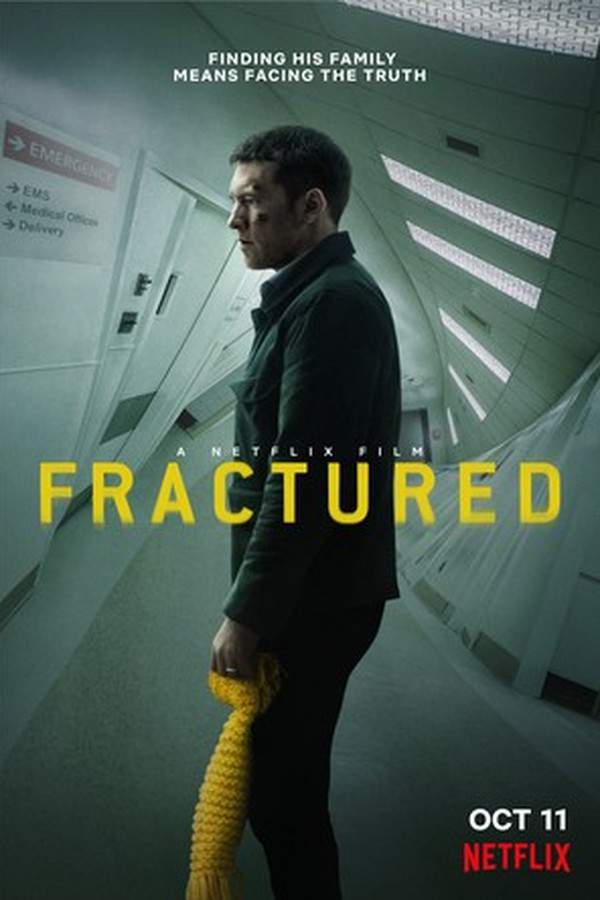
Bleak crime thrillers like 88

Crime stories that spiral into violence, grief, and endings with no rescue in sight. If you liked 88 and want more movies like it, this thread collects bleak, high-intensity crime thrillers with no clean resolution. Expect violent set pieces, heavy grief and trauma, dark noir atmosphere, and endings that hurt. Perfect for viewers searching for grim crime stories with strong violence and disturbing themes.

  • bleak
  • violent
  • oppressive
  • noir
  • crime
  • unresolved
  • Tone: bleak, dark, oppressive
  • Pacing: variable, atmospheric with violent spikes
Why these movies?

The story pattern: Protagonists are usually pulled into criminal worlds through loss, revenge, or bad luck, and each attempt to escape only tightens the noose. Supporting figures die, betray, or vanish, violence escalates in short, sharp shocks, and the cycle of trauma compounds rather than resolves. Stories often end on a cyclical or frozen image, refusing catharsis and leaving the cost of survival as the final note.

Why they belong together: They are united by a dark to bleak emotional register, variable pacing that mixes atmospheric build-up with sudden violence, and endings that resist hope or redemption. Crime, grief, and morally compromised protagonists are central, and disturbing themes like suicide, murder, and accidental killing of loved ones recur. The shared vibe is oppressive, grim, and heavy, with a noir sensibility that prizes atmosphere over comfort.

Every angle

88 (2015) Explained: Plot, Timeline & Characters

Everything about 88 in one place: what happens in the plot summary, the timeline in chronological order, the characters and meaning and a spoiler-free summary. What's After the Movie adds the cast, box office and post-credit scenes.

Coming soon on iOS and Android

The Plot Explained Movie Summary App

Plot summaries, endings explained and timelines on your phone. Catch up on any movie in minutes, save your favorites and never miss a twist again.

Be the first to know when we launch. Your email stays private, always.

Learn more about the app