Year: 1998
Runtime: 93 min
Language: English
Director: Mark Christopher
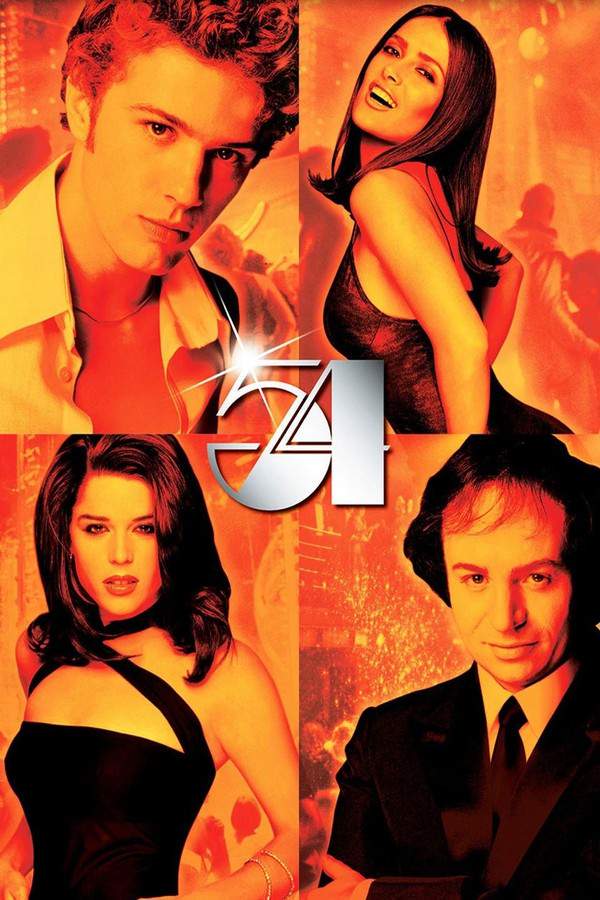
In 1970s New York City, Studio 54 became a legendary nightclub, a vibrant hub of disco, celebrity, and uninhibited revelry. For Shane O'Shea, a young man with aspirations, the club represents a chance to achieve his big-city dreams. His path intertwines with that of Steve Rubell, the club's enigmatic owner, leading Shane from relative obscurity to a prominent role within the dazzling scene. As Shane navigates this world of excess, he finds himself drawn to soap star Julie Black, while coat-check girl Anita hopes to capture her own moment in the spotlight amidst the city’s glittering nightlife.
Warning: spoilers below!
Haven’t seen 54 yet? This summary contains major spoilers. Bookmark the page, watch the movie, and come back for the full breakdown. If you're ready, scroll on and relive the story!
Trace every key event in 54 (1998) with our detailed, chronological timeline. Perfect for unpacking nonlinear stories, spotting hidden connections, and understanding how each scene builds toward the film’s climax. Whether you're revisiting or decoding for the first time, this timeline gives you the full picture.
Last updated: November 02, 2024 at 13:35
Find frequently asked questions about the 54 (1998) timeline, including chronological order, nonlinear jumps, cause-and-effect links, and scene sequence clarifications. This timeline FAQ helps explain when key events happen, how moments connect, and why the story unfolds in that specific order.
Steve Rubell saw something in Shane's boldness and willingness to stand out. When Shane cheekily removed his shirt in front of the VIP line, it caught Rubell's attention, a man who prided himself on recognizing people who could bring energy and allure to his club. This act of confidence, almost naively daring, was exactly the kind of persona Rubell wanted representing Studio 54's image of glamour and transgression.
Shane's early willingness to risk embarrassment for entry foreshadows his later climb to fame and subsequent humiliating fall from the club.
Shane's rapid rise within Studio 54 created distance between him and his old friends. As Shane became 'Shane 54', a celebrity within the club, Greg and Anita felt he was becoming conceited and forgetting his roots. They suspected he was pursuing Anita romantically, which strained their trust further. Additionally, Shane's drug use and erratic behavior made him unreliable, and his father hearing rumors about Shane's drug use added external pressure that Shane couldn't effectively manage.
Early tensions between Shane and Greg over their different ambitions plant the seeds for their eventual estrangement.
Mona, a regular at Studio 54, died from a drug overdose. The tragedy occurred during Anita's big performance at the club, a moment that should have been a triumph for their group. Mona's death represents the deadly reality lurking beneath the glamorous surface of the club's hedonistic lifestyle. This event profoundly shocked Shane and served as a turning point that forced him to confront the catastrophic consequences of the drug-filled world he had been living in.
Earlier drug use by Shane and other characters throughout the film hints at the inevitable tragedy that would unfold.
Shane was fired after refusing to carry on business as usual following Mona's death. The overdose tragedy deeply affected Shane, and he clashed with Steve Rubell over the club's continued operation despite knowing the risks. This confrontation mirrored his earlier humiliating entry into the club, once shirtless and hopeful, now shirtless and ejected in disgrace. Steve could not tolerate an employee who would challenge his way of running the club.
Shane's growing discomfort with the club's lifestyle throughout the narrative builds to this inevitable break.
Julie Black, an aspiring actress, became involved with Roland Sachs, a casting agent, which devastated Shane when he discovered them together. While the film doesn't explicitly detail her motivation, Julie's ambitions as an actress likely made Roland's connections irresistible in an industry where nepotism and networking rule. This betrayal mirrored Shane's own infidelity during his drug-fueled nights, creating a painful parallel that left Shane feeling sickened by the mirror it held up to his own behavior.
Shane's own drug-fueled promiscuity earlier in the film foreshadows the betrayal he would later experience.
Shane's father Harlan rejected him after hearing rumors about Shane's drug use at Studio 54. Harlan, a conservative widower who had raised Shane and his sisters alone after the loss of his wife, was devastated to learn that his son was involved in the debauchery and drug culture he had heard about from others. This rejection represents the broader conflict between Shane's new life and his conservative family values, a tension that weighs heavily on Shane throughout the film.
Early scenes showing Shane's dissatisfaction with his conservative home life set up the inevitable clash with his father's expectations.
After being fired from Studio 54, Shane rebuilt his life away from the club scene. He reconciled with Julie Black, whom he had initially met at the club, and their relationship persisted and flourished. Shane pursued higher education while managing a restaurant at night, representing a complete shift from his days chasing the disco fantasy. His friendships with Greg and Anita drifted, though both achieved success in their respective industries. The transformative experience taught him that the glamorous lifestyle he had pursued was ultimately hollow.
Shane's brief moments of genuine connection with Julie throughout the film hint at the more meaningful life awaiting him.
Billie Auster was a sophisticated regular at Studio 54 who took an interest in Shane during a drug-fueled rendezvous. Their encounter marked a turning point where Shane became further enmeshed in the decadent lifestyle of New York's elite. Billie represented the glamorous yet dangerous world that pulled Shane deeper into drug use and the club's hedonistic culture. Her interest in him accelerated his rise but also deepened his involvement in the destructive patterns that would ultimately consume him.
Billie's sophistication and connections foreshadow Shane's rapid ascent among the club's elite.
Studio 54 faced its demise in 1986, years after the 1970s heyday depicted in the film. The club's reputation for excess, drug use, and eventual legal troubles caught up with owners Steve Rubell and Ian Schrager. The film hints at this eventual downfall through its bittersweet portrayal of the comeback night Shane attends with Greg and Anita, a nostalgic reminder of what once was versus what had become of the legendary venue.
The film's melancholic tone and repeated emphasis on fleeting youth foreshadow the inevitable end of the club era.
When Shane reflects that 'the party was over,' he encapsulates the film's bittersweet theme of youthful ambition and its costs. The phrase refers to both his personal departure from the club lifestyle and the broader end of the disco era. For Shane, it represents his realization that the glamorous, hedonistic world he had chased was ultimately empty and damaging. The party, the wild nights, the fame, the drugs, had exacted a heavy price in relationships, family bonds, and personal integrity, forcing him to seek something more meaningful.
Throughout the film, moments of clarity and regret hint at Shane's eventual understanding that the lifestyle was unsustainable.
Discover curated groups of movies connected by mood, themes, and story style. Browse collections built around emotion, atmosphere, and narrative focus to easily find films that match what you feel like watching right now.
Stories of ambition and dizzying highs that end in tragic disillusionment.If you enjoyed the journey from aspiration to disillusionment in '54,' discover more movies about characters seduced by a glittering world. These films explore the dark side of glamour, the emptiness of excess, and the bittersweet price of ambition, perfect for fans of tragic hedonism.
These narratives typically follow a character's entrance into an exclusive, dazzling world—be it high society, the entertainment industry, or a subculture of excess. The initial euphoria and success are gradually overshadowed by the consequences of hedonism, betrayal, or a personal crisis, leading to a fall from grace and a moment of sobering reflection.
They are grouped by their shared exploration of the 'dream turned nightmare' arc, blending initial spectacle with a heavy emotional payoff. The tone is consistently bittersweet, focusing on the contrast between vibrant, aspirational settings and the tragic personal losses that occur within them.
Immersive portraits of iconic, excessive subcultures and their human cost.For viewers who loved the immersive disco-era setting of '54,' this thread collects movies that are time capsules of iconic, hedonistic periods. Explore films that dive deep into the music, fashion, and mindset of a subculture, showing both its electrifying energy and its darker consequences.
The narrative pattern focuses on a specific historical period known for its cultural revolution and permissive attitudes. The plot often follows multiple characters whose lives intersect within this world, using their personal journeys—of ambition, love, and identity—to illustrate the broader themes and ultimate legacy of the era.
These films are united by their commitment to world-building a specific time and place of cultural excess. They share a steady, immersive pacing that lets the audience experience the era's vibe, coupled with a heavy emotional weight that comes from examining the human stories within the historical context.
Don't stop at just watching - explore 54 in full detail. From the complete plot summary and scene-by-scene timeline to character breakdowns, thematic analysis, and a deep dive into the ending - every page helps you truly understand what 54 is all about. Plus, discover what's next after the movie.
Read a complete plot summary of 54, including all key story points, character arcs, and turning points. This in-depth recap is ideal for understanding the narrative structure or reviewing what happened in the movie.
Discover the characters, locations, and core themes that shape 54. Get insights into symbolic elements, setting significance, and deeper narrative meaning - ideal for thematic analysis and movie breakdowns.
Discover movies like 54 that share similar genres, themes, and storytelling elements. Whether you’re drawn to the atmosphere, character arcs, or plot structure, these curated recommendations will help you explore more films you’ll love.
54 (1998) Plot Summary & Movie Recap
54 (1998) Scene-by-Scene Movie Timeline
54 (1998) Spoiler-Free Summary & Key Flow
Movies Like 54 – Similar Titles You’ll Enjoy
New York, New York (1977) Complete Plot Breakdown
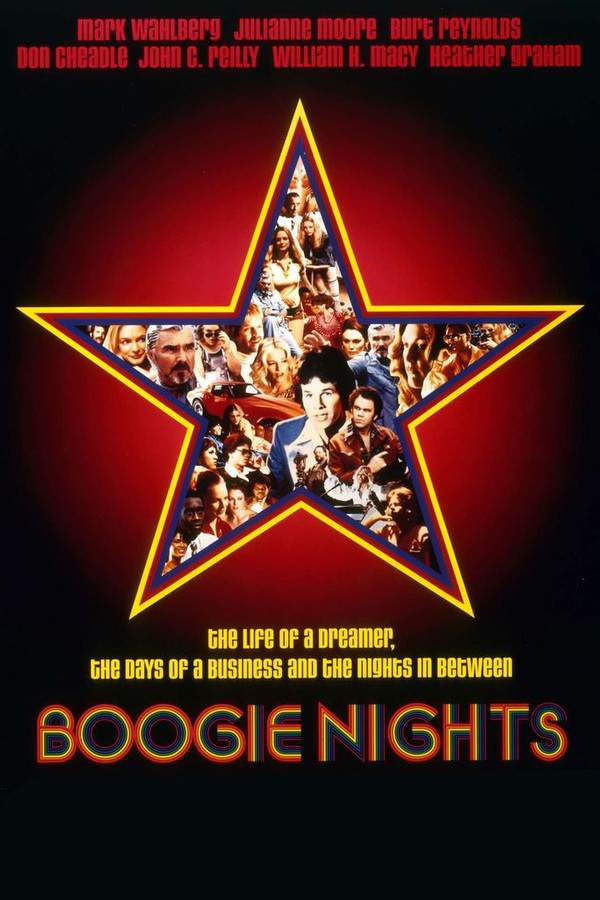
Boogie Nights (1997) Full Movie Breakdown
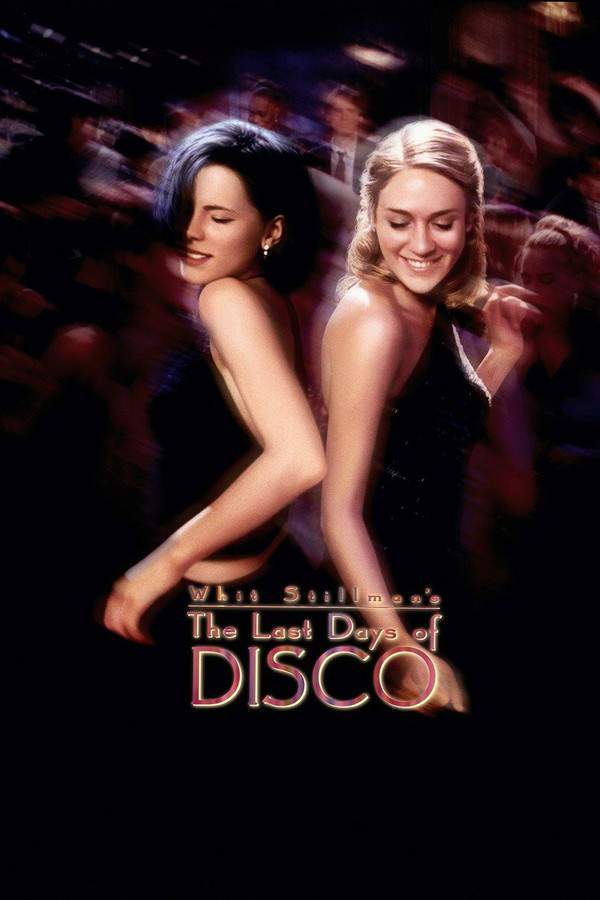
The Last Days of Disco (1998) Spoiler-Packed Plot Recap
Velvet Goldmine (1998) Detailed Story Recap
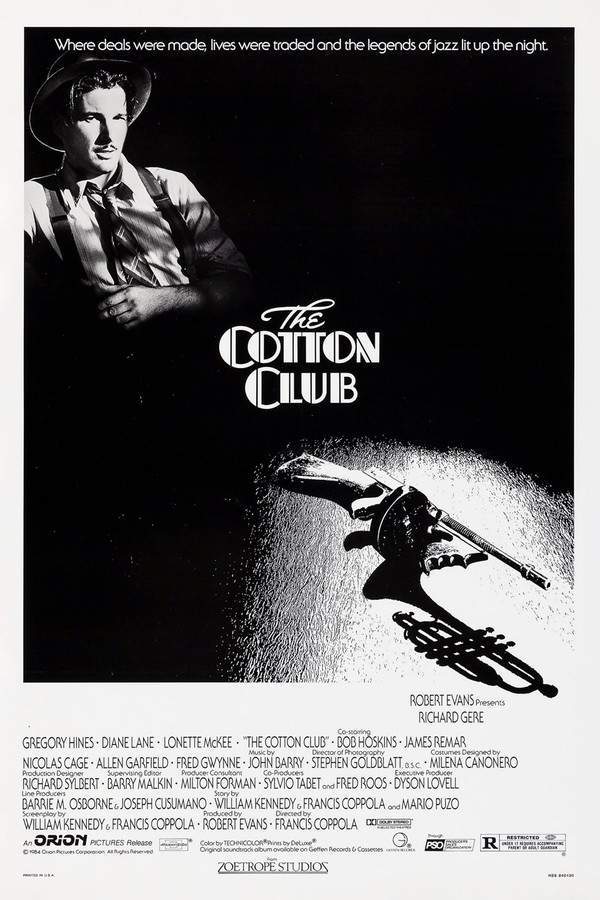
The Cotton Club (1984) Ending Explained & Film Insights
Saturday Night Fever (1977) Spoiler-Packed Plot Recap
Party Girl (1995) Detailed Story Recap
Club Le Monde (2002) Detailed Story Recap
Goodbye Seventies (2020) Detailed Story Recap
As Long As I’m Famous (2020) Ending Explained & Film Insights
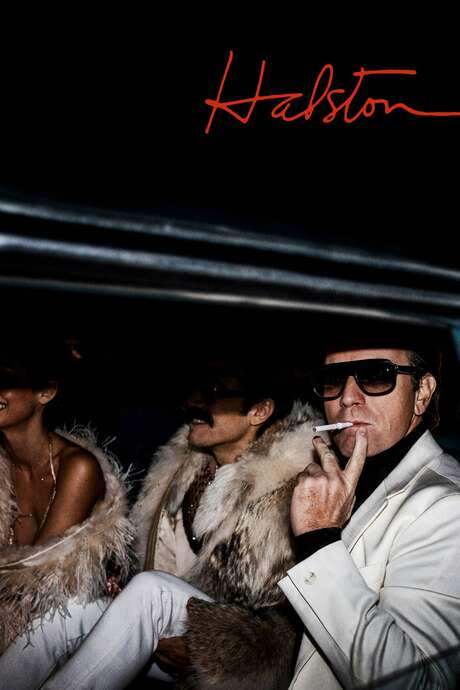
Halston (1000) Spoiler-Packed Plot Recap
The Dead Boys’ Club (1992) Plot Summary & Ending Explained
Disco Fever (1978) Film Overview & Timeline
New York Nights (1929) Detailed Story Recap
Warm Nights and Hot Pleasures (1964) Ending Explained & Film Insights