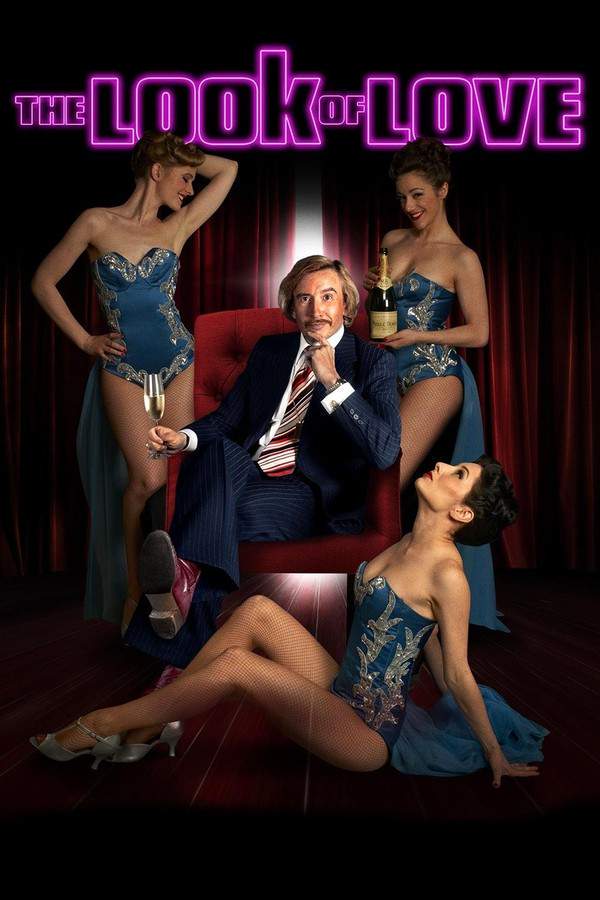
This biopic portrays Paul Raymond, a charismatic and controversial figure who transformed British entertainment. Steve Coogan stars as Raymond, recounting his journey from the swinging 1960s to the 1980s. He built a notable empire of nudie theaters and publications, pushing boundaries and redefining UK culture with a blend of sophistication and scandal. The film explores his remarkable career and the impact he had on the nation’s entertainment landscape.
Find where to stream, rent, or buy The Look of Love (2013) in the US with current JustWatch availability, up-to-date pricing, and platform listings for subscription, rental, and digital purchase options.
Warning: spoilers below!
Haven’t seen The Look of Love yet? This summary contains major spoilers. Bookmark the page, watch the movie, and come back for the full breakdown. If you're ready, scroll on and relive the story!
Read the complete plot breakdown of The Look of Love (2013), including all key story events, major twists, and the ending explained in detail. Discover what really happened, and what it all means.
As Paul Raymond settles into his London flat in 1992, he is shrouded in an overwhelming sense of sorrow, a lingering misty veil draped over his existence. The haunting memory of his daughter Debbie’s recent funeral weighs heavily on his mind. While revisiting a videotape of a television program they once filmed together, he is flooded with nostalgia, ultimately transporting him to a pivotal time that paved the way for his ascent to fame.
Through vivid flashbacks, we uncover Raymond’s modest beginnings as an impresario in the vibrant seaside variety show circuit of the late 1950s. With his remarkable knack for reinvention, he elevates his performances into sensational spectacles featuring semi-nude women. An incident involving a lion attacking dancers only seemed to invigorate his ambitions. When his wife, Jean, joined the show, Raymond’s popularity began its meteoric rise. A scandal ignited by the Daily Sketch claiming Jean performed nude led to an unsuccessful lawsuit, yet the attention served as a springboard for his career. Seizing the moment, he opened the infamous Raymond Revuebar in London, establishing the foundation of his property empire and a representation of his playboy lifestyle.
As the years progressed, Raymond boldly pushed the envelope further, transitioning into theatrical revues and nurturing the careers of aspiring actresses, including Amber St. George. Their passionate, yet tumultuous romance came at the expense of his marriage to Jean. During this tumultuous chapter, Raymond also attempted to reconnect with his grown son, Derry, whom he had fathered out of wedlock. However, an awkward dinner marked the end of their brief reunion before Raymond chose to sever ties.
His fascination with a young man named Tony Power inspired the launch of Men Only magazine. Power was drawn into a world filled with sleaze and corruption, ultimately meeting a tragic fate. The magazine’s success was, in part, due to St. George’s provocative portrayal as a “sex reporter” using the pseudonym Fiona Richmond. Throughout this chaotic lifestyle, Raymond indulged in hedonism, frequently turning to cocaine as a vice.
The arrival of Debbie into Raymond’s life heralded the dawn of a new chapter. He attempted to showcase her talent in his theatrical productions, though her lack of skill resulted in a show that was a dismal failure. Debbie would later marry musician Jonathan Hodge, prompting Jean to reappear during their wedding, even offering to pose nude for Raymond’s magazine. In a dire turn of events, during her delivery, Debbie tragically gave birth to a girl while under the influence of cocaine provided by her father. Her untimely death in 1992 due to a heroin overdose left a profound scar on Raymond.
After the solemn funeral, Raymond returns home with his granddaughter, sharing reflections about the properties that will eventually be hers. The burden of his legacy looms large, and he contemplates the complex life he has led. The story culminates in an epilogue revealing that by December 1992, Paul Raymond had become the richest man in Britain, an enduring testament to his immeasurable influence and lasting footprint in popular culture.
Last updated: November 22, 2024 at 16:06
Explore frequently asked questions about The Look of Love (2013) with spoiler-rich answers covering the full plot summary, major story beats, character motivations, hidden details, and ending meaning. This movie summary FAQ helps explain confusing scenes, plot twists, and narrative decisions in clear, searchable detail.
The Daily Sketch scandal actually launched Raymond's career despite the lawsuit failing. When the newspaper claimed his wife Jean performed nude, the resulting controversy generated massive publicity. Even though Raymond lost the lawsuit defending Jean's honor, the scandal put him in the national spotlight and gave him the attention he needed to open the Raymond Revuebar, which became the foundation of his empire.
Paul attempted to reconnect with his grown son Derry, whom he had fathered out of wedlock, but the reunion was awkward and brief. After one strained dinner together, Raymond chose to sever ties again. The film doesn't fully explain his decision, but it reflects his pattern of prioritizing his career and personal freedom over family responsibilities.
Tony Power was the young man who inspired Raymond to launch Men Only magazine. Power was drawn into the sleazy world of the adult entertainment industry and ultimately met a tragic fate, though the film doesn't specify the exact circumstances of his death.
Debbie died in 1992 from a heroin overdose. Her death was directly linked to the drug-filled lifestyle she was exposed to from birth. During her delivery, she was under the influence of cocaine provided by her father Paul, setting the tragic trajectory that culminated in her untimely death.
The film shows Debbie being born while under the influence of cocaine supplied by her father, foreshadowing her later addiction and death.
At Debbie's wedding to musician Jonathan Hodge, Jean unexpectedly reappeared in Paul's life and offered to pose nude for his magazine. This gesture was meant as a reconciliatory move toward Paul, attempting to rekindle their relationship despite their long separation and his infidelities.
By December 1992, Paul Raymond had accumulated Britain's greatest fortune through his adult entertainment empire. This included the Raymond Revuebar, Men Only magazine, numerous properties across London, and other ventures in the sex industry. His business acumen combined with his willingness to push cultural boundaries allowed him to build an immense property empire.
Amber St. George was an aspiring actress whose career Paul nurtured. They engaged in a passionate but tumultuous romantic relationship, which directly contributed to the breakdown of his marriage to Jean. Amber also became the provocative 'sex reporter' Fiona Richmond for Men Only magazine, helping drive its success.
When a lion attacked dancers during one of Raymond's seaside variety performances, it could have ended his career. Instead, the dramatic incident seemed to invigorate his ambitions. This event symbolized the risky, unpredictable nature of his entertainment career and showed his willingness to embrace controversy rather than be deterred by it.
During Debbie's delivery, she was born while under the influence of cocaine that her father Paul had provided to her mother. This tragic circumstance set the foundation for Debbie's lifelong struggle with addiction, which ultimately led to her death in 1992.
The film earlier shows Paul using cocaine frequently throughout his hedonistic lifestyle, establishing the drug culture that would destroy his daughter.
The film opens in 1992 with Paul Raymond grieving his daughter Debbie's funeral. This framing device establishes the film's melancholic tone and creates dramatic irony. As Paul watches an old videotape of a TV program he filmed with Debbie, the flashbacks are triggered, taking viewers through his rise to fame while knowing the tragic outcome that awaits.
The Raymond Revuebar was Paul's first major business venture, opening in London after the Daily Sketch scandal. It became the cornerstone of his property empire and epitomized his playboy lifestyle. The venue was groundbreaking for its time, offering theatrical revues with semi-nude performers and establishing the foundation for his adult entertainment dominance.
Paul's marriage to Jean unraveled primarily due to his affair with Amber St. George, which became a passionate but destructive relationship. Despite Jean's entrance into his show initially boosting his popularity, Paul ultimately chose his hedonistic lifestyle and career ambitions over his marriage. Jean disappeared from his life for years until reappearing at Debbie's wedding.
Men Only became a massive success for Raymond, largely due to the provocative work of Amber St. George as Fiona Richmond, a 'sex reporter' persona that added legitimacy and scandal to the publication. The magazine also benefited from the sleazy, transgressive culture surrounding the adult entertainment industry in that era, which Raymond masterfully capitalized on.
When Debbie entered Paul's life, he attempted to showcase her talent in his theatrical productions. However, Debbie simply lacked the skill or ability to perform. Her show was a dismal failure, representing another instance of Paul's poor judgment in business matters and his tendency to pursue personal dreams rather than practical opportunities.
Discover curated groups of movies connected by mood, themes, and story style. Browse collections built around emotion, atmosphere, and narrative focus to easily find films that match what you feel like watching right now.
Bittersweet journeys where great success comes with profound personal loss.Find more movies like The Look of Love that explore the bittersweet price of success. These films feature characters who build empires but suffer deep personal tragedies, offering similar themes of regret and the hollowness of achievement.
Stories in this thread typically follow a linear or reflective arc tracing a character's meteoric rise to fame or fortune. The narrative structure often juxtaposes the glamour of success with the quiet moments of personal failure or loss, culminating in a poignant, bittersweet conclusion where the protagonist is left to contemplate what was truly sacrificed.
Movies are grouped here because they share a core emotional journey: the pursuit of a grand ambition that is technically achieved, but at a cost that renders the success tragic. They blend a melancholic tone with a steady, reflective pace, creating a heavy emotional weight focused on regret.
Nostalgic portraits of glamorous but destructive eras, tinged with sadness.If you liked the nostalgic yet critical look at the adult entertainment world in The Look of Love, you'll enjoy these other movies. They capture the vibe of a specific era while also revealing its sleazy, tragic, or addictive underbelly.
The narrative pattern often uses a flashback structure, with a character reflecting on a vibrant past from a position of sadness or regret. The plot immerses the viewer in the energy and aesthetics of a specific time, but consistently undermines the surface glamour with themes of exploitation, addiction, and the consequences of a pleasure-seeking lifestyle.
These movies are connected by their unique blend of nostalgic period setting and a critical, melancholic tone. They share a specific vibe: the visual and cultural appeal of a 'gilded age' is paired with a steady, reflective pacing that exposes the tragedy and regret festering beneath the surface.
Don't stop at just watching - explore The Look of Love in full detail. From the complete plot summary and scene-by-scene timeline to character breakdowns, thematic analysis, and a deep dive into the ending - every page helps you truly understand what The Look of Love is all about. Plus, discover what's next after the movie.
Track the full timeline of The Look of Love with every major event arranged chronologically. Perfect for decoding non-linear storytelling, flashbacks, or parallel narratives with a clear scene-by-scene breakdown.
Discover the characters, locations, and core themes that shape The Look of Love. Get insights into symbolic elements, setting significance, and deeper narrative meaning - ideal for thematic analysis and movie breakdowns.
Discover movies like The Look of Love that share similar genres, themes, and storytelling elements. Whether you’re drawn to the atmosphere, character arcs, or plot structure, these curated recommendations will help you explore more films you’ll love.
The Look of Love (2013) Scene-by-Scene Movie Timeline
The Look of Love (2013) Movie Characters, Themes & Settings
The Look of Love (2013) Spoiler-Free Summary & Key Flow
Movies Like The Look of Love – Similar Titles You’ll Enjoy
Boogie Nights (1997) Film Overview & Timeline
Love, etc. (1999) Full Summary & Key Details
Looking for Eric (2010) Spoiler-Packed Plot Recap
Love & Sex (2000) Complete Plot Breakdown
The Full Monty (1997) Story Summary & Characters
Just Looking (2000) Movie Recap & Themes
Boogie Woogie (2010) Film Overview & Timeline
Look (2007) Movie Recap & Themes
Hotel de Love (1997) Film Overview & Timeline
Love Movie (2018) Film Overview & Timeline
A Love Movie (2003) Full Movie Breakdown
Paul Raymond’s Erotica (1980) Detailed Story Recap
Love Scenes (1984) Complete Plot Breakdown
Look Pleasant, Please (1918) Full Movie Breakdown
The Legend of Paul and Paula (1973) Story Summary & Characters