

























Plot Explained Spoilers guaranteed!
Plot Explained

Browse by genre

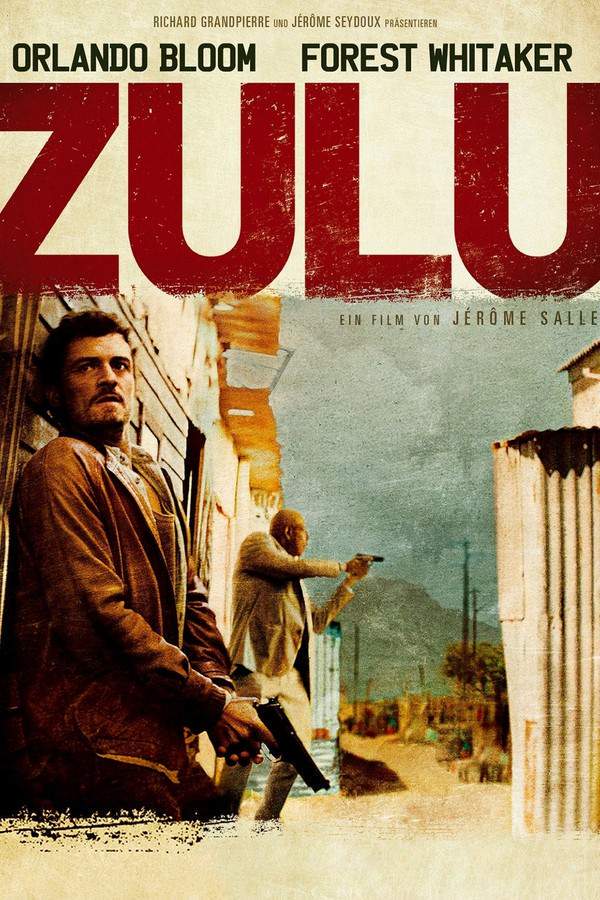
Zulu (1964) movie poster

Timeline

Zulu (1964) Timeline Explained – Every Event in Order

Release, runtime and language
1964 · 138 min · English
JustWatch #13,161 12
Directed by
Cy Endfield
Starring
Michael Caine, Jack Hawkins, James Booth, Stanley Baker, Nigel Green, Glynn Edwards

Set in South Africa, this gripping crime drama follows a veteran police officer, a seasoned detective, and a young recruit as they investigate the shocking murder of a young woman. Their pursuit of justice leads them deep into a web of corruption, exposing long-simmering racial tensions and dangerous rivalries within the community. The investigation tests their courage and challenges their understanding of the complex history surrounding the case.

On this page (6)
  1. 1 Where to watch
  2. 2 Events in order (15)
  3. 3 Timeline questions answered
  4. 4 Movie threads
  5. 5 Movies like Zulu
  6. 6 Every angle

Where to watch

Where to Watch Zulu (1964)

Where can you watch Zulu? Stream, rent or buy it in the US, including on Amazon Prime Video, Artiflix and FlixFling: current JustWatch availability with up-to-date prices.

Streaming availability powered by JustWatch

15 events in order · contains spoilers

Zulu Timeline: Events in Chronological Order

Every key event of Zulu (1964) in order, scene by scene, with when and where it takes place. Use it to untangle flashbacks, time jumps and parallel storylines, to refresh your memory before the sequel or to find the exact scene you are thinking of.

  1. Zulu Wedding Ceremony

    The film opens with a grand Zulu wedding ceremony, showcasing vibrant traditions and culture. During this event, Boer missionary Otto Witt and his daughter witness the Zulu King Cetewayo receiving news of an early triumph in the ongoing conflict.

    When
    January 22, 1879
    Where
    Zulu Village
  2. Witts Warn British Forces

    Realizing the imminent danger posed by the approaching Zulu forces, Otto Witt and his daughter make a hasty exit from the Zulu village. Their urgent mission is to alert the British soldiers stationed at Rorke's Drift about the impending onslaught.

    Where
    Rorke's Drift
  3. British Troops at Rorke's Drift

    At Rorke's Drift, a company from the British Army’s 24th Regiment of Foot takes refuge, using the mission station as a supply depot. This group includes many wounded soldiers awaiting deployment for the campaign in Zululand.

    Where
    Rorke's Drift
  4. Chard Takes Command

    Lieutenant John Chard of the Royal Engineers assumes leadership upon receiving news of the Zulu forces closing in. His command causes tension with Lieutenant Gonville Bromhead, who resents being subordinate to an engineer despite their shared goal.

    Where
    Rorke's Drift
  5. Understanding Zulu Tactics

    Chard and Bromhead learn about the Zulu's tactical approach, specifically their deadly Bull formation. They realize that fleeing is futile, leading Chard to decide to fortify their position for an impending assault.

    Where
    Rorke's Drift
  6. Witt's Demoralizing Influence

    As tensions rise, Otto Witt succumbs to alcoholism, his despairing prophecies affecting the morale of the British troops. This decline in spirit results in the desertion of the Natal Native Contingent, leaving the defenders further exposed.

    Where
    Rorke's Drift
  7. Witts Given Safe Passage

    In a desperate decision, Chard allows Witt and his daughter to leave, recognizing their status as missionaries. They pass by a group of Zulu warriors, who do not attack due to their perceived status as non-combatants.

    Where
    Rorke's Drift
  8. Zulu Forces Approach

    As the Zulu forces get closer, a contingent of Boer horsemen appears to caution Chard about the hopelessness of their defense. However, after warning him, they abandon the British troops, leaving them to face the impending assault alone.

    Where
    Rorke's Drift
  9. The Zulu Onslaught Begins

    The battle commences with Zulu riflemen launching fierce attacks from neighboring hills. The British soldiers respond as best as they can, enduring relentless waves of attackers while keeping their defensive position.

    When
    January 22, 1879
    Where
    Rorke's Drift
  10. Hospital Set Ablaze

    During the fierce fighting, the Zulu forces manage to ignite the hospital, leading to devastating hand-to-hand combat as British patients attempt to escape the flames. The battle grows increasingly chaotic and violent as soldiers fight to survive.

    Where
    Rorke's Drift
  11. Private Hook's Bravery

    In an unexpected turn of events, Private Henry Hook takes charge and orchestrates a breakout for the British troops amidst the chaos of battle. His initiative inspires courage in his fellow soldiers during a moment of dire need.

    Where
    Rorke's Drift
  12. Dawn's Tense Moments

    As dawn breaks, the Zulu warriors draw near, chanting a war song that instills a sense of dread. In response, the British defenders defiantly sing 'Men of Harlech,' preparing themselves for the grim reality of another day of battle.

    Where
    Rorke's Drift
  13. Final Defensive Push

    In the face of overwhelming odds, the weary British defenders regroup behind a protective wall of mealie bags ordered by Chard. They manage to unleash a concentrated volley against the Zulu warriors, leading to significant enemy losses.

    Where
    Rorke's Drift
  14. Zulu Retreat and Respect

    After suffering heavy casualties, the Zulu warriors retreat, but not before paying their respects to the valor of the British defenders. They sing a song in tribute to their bravery, highlighting the mutual respect that can arise from such conflict.

    Where
    Rorke's Drift
  15. Recognition of Heroism

    The film concludes with another narration by Richard Burton, highlighting the bravery of the Rorke's Drift defenders who were awarded the Victoria Cross for their gallantry. Among them is Private Hook, symbolizing the heroism that emerged from the fierce engagements.

    Where
    Rorke's Drift

Last updated: October 27, 2024 at 22:05

Was this helpful?

Timeline questions answered

Zulu Timeline Explained: Your Questions Answered

When does it happen, and why in that order? The questions people ask about the chronology of Zulu (1964): time jumps, flashbacks, cause and effect between scenes and the correct order of events, each answered with spoilers.

Q1

Why did Lieutenant Chard decide to defend Rorke's Drift instead of fleeing?

Chard recognized that fleeing from the Zulu army would be futile, especially with many wounded soldiers who could not move quickly. Learning about the Zulu's tactical Bull formation, a pincer movement designed to encircle and destroy fleeing enemies, convinced him that standing and fortifying their position offered the only chance of survival. The Zulu forces vastly outnumbered them, making escape impossible.

Foreshadowing: Earlier, a Boer frontier police officer explains the Zulu tactical doctrine to Chard and Bromhead, revealing the deadly effectiveness of their encirclement methods.

  • lieutenant chard
  • defense strategy
  • zulu tactics
  • retreat impossible
  • flee or fight
Q2

What was the Zulu Bull formation and why was it so dangerous?

The Bull formation was a classic Zulu military tactic where warriors attacked in a crescent shape, with the strongest fighters in the center and wings that would swing around to encircle enemies. This pincer movement prevented defenders from escaping and forced them to fight on multiple fronts simultaneously, making it devastatingly effective against conventional military formations.

  • bull formation
  • pincer movement
  • zulu warfare
  • tactical doctrine
  • encirclement
Q3

Why did the Natal Native Contingent desert the British during the battle?

The Natal Native Contingent deserted primarily because of Otto Witt's growing drunkenness and his demoralizing prophecies about defeat and death. As the Boer missionary's despair spread through the ranks, the native soldiers lost confidence in the British position and abandoned their posts, leaving the defenders even more vulnerable to the Zulu assault.

Foreshadowing: Witt's decline into alcoholism and his pessimistic speeches gradually erode troop morale throughout the siege.

  • natal native contingent
  • desertion
  • otto witt
  • demoralization
  • troop morale
Q4

How did Private Henry Hook become a hero during the battle?

When the Zulu forces set the hospital ablaze, chaos erupted as British patients tried to escape the flames. Private Henry Hook took initiative and organized a successful breakout, coordinating the evacuation of wounded soldiers from the burning building. His leadership during this critical moment prevented many casualties and inspired fellow soldiers amid the turmoil.

  • private henry hook
  • hospital fire
  • breakout heroism
  • bravery
  • victoria cross
Q5

Why did the Zulu warriors allow Otto Witt and his daughter to pass safely?

The Zulus perceived Otto Witt and his daughter as missionaries rather than combatants. As non-fighting civilians associated with the church, they were granted safe passage under the traditional warrior code that protected religious figures. Chard exploited this perception by ordering Witt and his daughter to leave, knowing the Zulus would not attack them.

  • otto witt
  • daughter
  • missionaries
  • safe passage
  • zulu warrior code
Q6

What was the connection between the Battle of Isandlwana and the defense of Rorke's Drift?

The film opens with news of the devastating British defeat at Isandlwana on January 22, 1879, where thousands of British soldiers were killed by Zulu forces. Rorke's Drift became the next target, and the small garrison of 135 men was tasked with holding off the same Zulu army that had just achieved this overwhelming victory, making their defense even more critical and unlikely.

  • isandlwana defeat
  • battle connection
  • british forces
  • january 1879
  • zululand campaign
Q7

Why was there tension between Lieutenant Chard and Lieutenant Bromhead over command?

Tension arose because Lieutenant Gonville Bromhead, an infantry officer, found himself subordinate to Lieutenant John Chard of the Royal Engineers. Bromhead's military background made him resent taking orders from an engineer rather than a fellow infantryman, creating friction despite their shared objective of defending the position.

  • chard
  • bromhead
  • command tension
  • royal engineers
  • infantry rivalry
Q8

Why did the Zulu warriors sing a tribute to the British defenders after retreating?

After suffering significant casualties during their assault, the Zulu forces retreated but showed respect for the defenders' courage and tenacity. In an unexpected act of honor, they sang a song acknowledging the bravery of the British soldiers who had withstood their prolonged attack, recognizing the defenders as worthy opponents despite being on opposite sides.

  • zulu tribute song
  • respect
  • retreat
  • bravery
  • enemy honor
Q9

What was the significance of 'Men of Harlech' being sung during the battle?

As dawn broke and the Zulu warriors approached chanting their war song, the British defenders responded by singing 'Men of Harlech,' a Welsh military ballad about resisting overwhelming odds. This defiant response symbolized their determination to fight to the death and boosted morale during the final, most desperate phase of the siege.

  • men of harlech
  • welsh song
  • defiant singing
  • dawn battle
  • morale boost
Q10

How many Victoria Crosses were awarded for the defense of Rorke's Drift?

Eleven Victoria Crosses were awarded for the defense of Rorke's Drift, making it one of the most decorated military actions in British history. Among the recipients was Private Henry Hook, whose initiative during the hospital fire saved numerous lives and earned him the empire's highest military honor.

  • victoria cross awards
  • eleven medals
  • private hook
  • heroism
  • british military honors

Movie threads

More Movies Like Zulu, by Mood & Story

Curated lists built around what makes Zulu tick: the same mood, the same kind of story or the same emotional payoff. Each list explains why these movies belong together.

Claustrophobic siege movies like Zulu

Stories of heroes trapped and outnumbered, fighting for survival until the last bullet. For viewers seeking movies like Zulu, this collection focuses on stories of desperate last stands and survival against impossible odds. If you liked the relentless tension and heroic defense in Zulu, you'll find similar high-intensity war and action films here, all featuring groups trapped and fighting for their lives.

  • claustrophobic
  • tense
  • desperate
  • heroic
  • war-like
  • grim
  • Tone: tense, grim, heroic
  • Pacing: fast, relentless
Why these movies?

The story pattern: The narrative pattern is straightforward and gripping: a group is isolated in a fortress, building, or remote location. An overwhelming enemy force arrives, initiating a siege. The story unfolds as a series of attacks and defenses, focusing on the tactical challenges, the erosion of morale, and the individual acts of courage required to hold the line. The climax is typically a final, brutal assault where survival is earned through immense sacrifice.

Why they belong together: Movies are grouped here because they share a core setting and narrative structure: the siege. They create a consistent mood of claustrophobic tension and desperate heroism through a fast-paced, high-intensity focus on survival against a superior foe. The shared experience is one of being trapped in a pressure cooker of conflict.

Bitterswart war victories like in Zulu

Stories where hard-won success is profoundly shadowed by the price paid to achieve it. If the ending of Zulu resonated with you—honoring heroism while acknowledging devastating loss—this list is for you. Discover other war dramas and historical films where victory is bittersweet, defined by the heavy sacrifice required to achieve it. These are movies like Zulu that balance triumph with tragedy.

  • bittersweet
  • somber
  • heroic
  • tragic
  • respectful
  • heavy
  • Tone: bittersweet, heavy, respectful
  • Pacing: steady, culminating in reflection
Why these movies?

The story pattern: The emotional journey in these stories builds towards a pivotal struggle where a goal is achieved—a battle won, a mission accomplished. However, the narrative emphasis is placed squarely on the sacrifices made along the way. The climax is often followed by a quiet, reflective aftermath where the characters (and the audience) reckon with the true cost of their success, resulting in an ending that is somber and contemplative rather than purely celebratory.

Why they belong together: These films are grouped by their distinctive emotional conclusion: the bittersweet ending. They share a heavy emotional weight and a tone that balances respect for courage with the grim reality of loss. The pacing often leads to a finale that allows for reflection, making the victory feel earned but profoundly costly.

If you liked this

Movies Like Zulu

Similar movies to Zulu: the same genre, themes or kind of story. Each one comes with its own plot summary, timeline and ending explained.

Browse all movie summaries

Every angle

Zulu (1964) Explained: Plot, Timeline & Characters

Everything about Zulu in one place: what happens in the plot summary, the timeline in chronological order, the characters and meaning and a spoiler-free summary. What's After the Movie adds the cast, box office and post-credit scenes.

Coming soon on iOS and Android

The Plot Explained Movie Summary App

Plot summaries, endings explained and timelines on your phone. Catch up on any movie in minutes, save your favorites and never miss a twist again.

Be the first to know when we launch. Your email stays private, always.

Learn more about the app