Plot Explained Spoilers guaranteed!
Plot Explained

Browse by genre

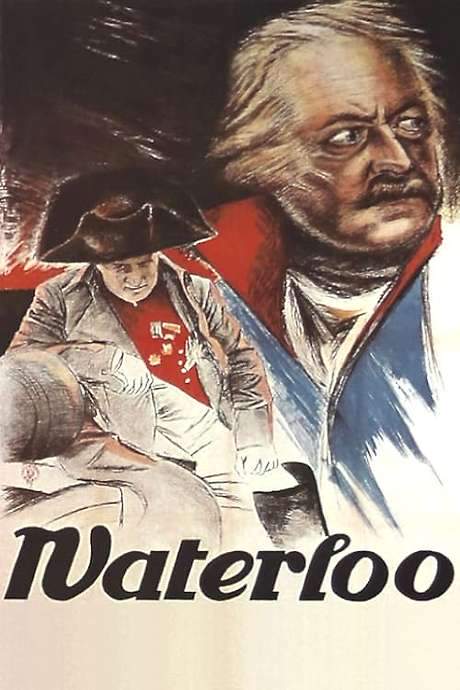
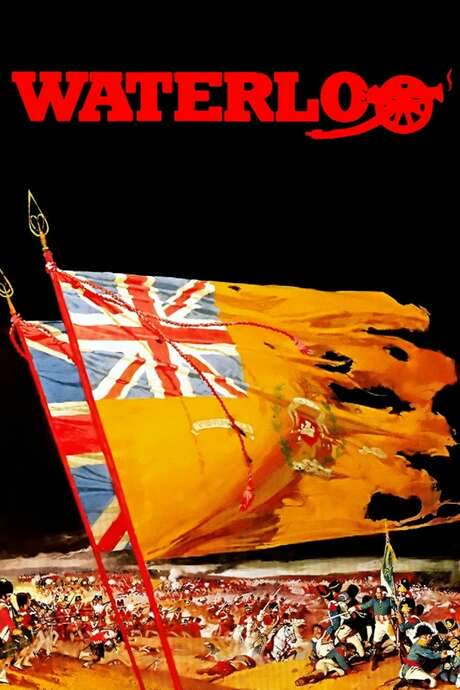
Waterloo (1970) movie poster

Plot Summary

Waterloo (1970) Plot Summary Explained

Release, runtime and language
1970 · 134 mins · English
Directed by
Sergey Bondarchuk
Starring
Orson Welles, Rod Steiger, Peter Davies, Charles Millot, Jack Hawkins, Christopher Plummer

On an unforgettable afternoon at Waterloo, Napoleon confronts the Duke of Wellington. After his defeat and exile to Elba, Europe is stunned when he escapes, wins back the loyalty of the French army, and threatens the restored monarch. Wellington, who had outmaneuvered Napoleon’s forces in Spain and Portugal, now leads an Anglo‑Allied army to meet the French emperor in a decisive battle.

On this page (5)
  1. 1 What happens: full plot
  2. 2 Plot questions answered
  3. 3 Movie threads
  4. 4 Movies like Waterloo
  5. 5 Every angle

Full plot summary · contains spoilers

What Happens in Waterloo: Full Plot Summary

The whole story of Waterloo (1970) explained, from the opening scene to the final frame: every key event, every twist and what it all adds up to. Read it as a quick recap before the sequel, to check a scene you missed, or to finally understand what really happened.

Following the collapse of the 1814 campaign, Napoleon Bonaparte, Rod Steiger, is forced to abdicate under pressure from his marshals and is exiled to Elba with a small guard. After a year, he escapes and once more rallies the French to his banner. In the same upheaval, Louis XVIII flees the throne, a shift that sends the European powers back toward war. In Brussels, at the Duchess of Richmond's ball, the looming threat becomes real as the Duke of Wellington, Christopher Plummer, learns that Napoleon is marching into Belgium, a revelation that pushes him to coordinate a strategy that could split the allied forces. The decision, ultimately, is to halt Napoleon at Waterloo, a moment that will redefine the balance of Europe.

At Quatre-Bras, Marshal Ney, Dan O'Herlihy in the part, fights the British to a draw, while Napoleon defeats the Prussians at Ligny. Ney rides quickly to report, and in doing so inadvertently lets Wellington pull his lines back intact. Seeing the moment, Napoleon commands Grouchy, Charles Millot, to lead about 30,000 troops against the Prussians to prevent their rejoining the British, while he concentrates his remaining forces on striking Wellington.

On 18 June 1815 the Battle of Waterloo erupts with a heavy French artillery opening. Napoleon tries feints against Wellington’s flanks at Hougoumont and La Haye Sainte, but the British commander keeps his main force disciplined and ready. General Picton, Jack Hawkins as General Sir Thomas Picton, is sent to seal a vulnerable gap when a Dutch brigade falters, and he pays with his life. Ponsonby, Michael Wilding as Colonel Sir William Ponsonby, leads a daring cavalry charge toward the French guns but becomes isolated from the main Allied force and falls to a shower of lancers.

As the day unfolds, troops arriving from the east are met with uncertainty; Wellington suspects Grouchy’s advance while Blücher, the Prussian commander, Sergo Zakariadze presses toward the field to tip the scales. Napoleon, troubled by stomach pains, briefly withdraws and leaves Ney in command. A misinterpreted order to the Allied troops to retire 100 paces is taken as a full withdrawal by Ney, who responds with renewed vigor and a bold cavalry assault against the British lines. Yet the British squares hold firm, inflicting heavy losses on the French.

The battle’s momentum shifts as La Haye Sainte falls and Napoleon commits the Imperial Guard to deliver the decisive blow. In the pivotal moments that follow, Maitland’s 1st Foot Guards deliver a brutal, close-range volley that shatters the Imperial Guard’s assault, a turning point that the arrival of Blücher helps seal. For the first time in its history, the Imperial Guard collapses, and the Allied forces claim a hard-won victory at Waterloo.

That evening, Wellington walks the field among the thousands of casualties, reflecting on the blood price of the day. Napoleon, though he survives, is urged by his marshals to flee while there is still a path to escape, a cautionary note that echoes the fragile fate of empires and the uncertain future that lies ahead.
Last updated: October 09, 2025 at 11:23

Was this helpful?

Plot questions answered

Waterloo Plot Explained: Your Questions Answered

The questions people ask most about Waterloo (1970): what happens in the confusing scenes, why the characters do what they do, the twists, hidden details and what the ending means. Each answer contains spoilers.

Q1

Why did Napoleon escape from Elba?

Napoleon escaped from Elba in 1815 because he refused to accept his defeat and exile after the 1814 campaign. Despite being forced to abdicate by his own marshals, he spent about a year on the island planning his return. His escape was a bold gamble, he sailed back to France with a small guard and quickly rallied supporters, shocking Europe and reclaiming power before the Allied forces could respond.

  • napoleon escape
  • elba
  • return to power
  • 1815
Q2

Why did Wellington decide to stand at Waterloo?

Wellington chose to stand at Waterloo after learning Napoleon was marching into Belgium, which threatened to split the Allied forces. At the Duchess of Richmond's ball in Brussels, he received news of the French advance and realized he needed to make a stand at a defensible position. Waterloo offered a strong ridgeline and access to roads that would allow the British to retreat if necessary while waiting for Prussian support.

  • wellington
  • waterloo
  • duchess of richmond ball
  • battle strategy
Q3

Why was Grouchy's failure to pursue the Prussians significant?

Napoleon ordered Grouchy to lead 30,000 troops to prevent the Prussians from rejoining Wellington's army. Grouchy's failure to effectively pursue the Prussians allowed Blücher's forces to regroup and march toward Waterloo. This was crucial because Napoleon had split his army, weakening his main force at Waterloo in hopes of keeping the Allies separated, a gamble that backfired when the Prussians arrived to reinforce Wellington.

Foreshadowing: Napoleon ordered Grouchy to pursue the Prussians after his victory at Ligny.

  • grouchy
  • prussians
  • blucher
  • napoleon strategy
  • pursuit
Q4

Why did Ney's cavalry charge fail at Waterloo?

Ney led a bold cavalry assault against the British lines, but the infantry formed defensive squares that withstood the charge. The British squares were disciplined formations that presented a wall of bayonets to the cavalry, inflicting heavy losses on the French. Additionally, a misinterpreted order, telling Allied troops to retire 100 paces, was taken as a full withdrawal, prompting Ney to press the attack, but the British center held firm.

  • ney
  • cavalry charge
  • infantry squares
  • battle of waterloo
Q5

What caused the Imperial Guard to break at Waterloo?

The Imperial Guard broke because Napoleon committed them too late in the battle and they were caught by a devastating volley from Maitland's 1st Foot Guards at close range. The Guard had been held in reserve for a decisive blow, but when they finally advanced, they walked into concentrated fire from rested British guardsmen. The combination of this unexpected defense and the timely arrival of Prussian forces caused the Guard, historically unbroken, to collapse for the first time.

Foreshadowing: Napoleon commits the Imperial Guard to deliver the decisive blow.

  • imperial guard
  • napoleon
  • maitland
  • breakthrough
  • defeat
Q6

When did the Prussians arrive at Waterloo?

The Prussians arrived in the evening of June 18, 1815, during the final phase of the battle. After being defeated by Napoleon at Ligny, Blücher's forces retreated but regrouped and marched toward Waterloo despite Wellington's uncertainty about their arrival. Their timely arrival tipped the balance decisively in favor of the Allies, completing the encirclement that forced the Imperial Guard's retreat and subsequent breakdown.

Foreshadowing: Wellington suspects Grouchy's advance while Blücher presses toward the field.

  • prussians
  • blucher
  • arrival
  • evening
  • reinforcement
Q7

Why were Picton and Ponsonby killed at Waterloo?

General Picton was killed while attempting to plug a gap in the British line when a Dutch brigade faltered, he died leading troops to hold the center. Colonel Ponsonby was cut down during a daring cavalry charge toward French guns; he became isolated from the main Allied force and was surrounded and killed by French lancers. Both deaths exemplified the brutal cost of the battle, where even senior commanders were vulnerable on the front lines.

  • picton
  • ponsonby
  • deaths
  • cavalry charge
  • battle casualties
Q8

Why did Napoleon briefly withdraw from the battle?

Napoleon withdrew briefly during the battle due to a severe stomach illness that left him incapacitated. He delegated command to Marshal Ney during his absence. This was a critical moment because without Napoleon's direct command, the French forces lost coordination at a pivotal time, and Ney made the bold cavalry charge that ultimately failed when the British squares held their ground.

  • napoleon
  • illness
  • withdrawal
  • ney
  • command
Q9

Why did Ney reporting to Napoleon help Wellington?

When Ney traveled to report to Napoleon after the battle at Quatre-Bras, his timing inadvertently allowed Wellington to withdraw his lines intact. Had Ney remained in pursuit or coordinated differently with Napoleon, Wellington might not have been able to retreat cleanly to Waterloo. This moment showed how the decisions of individual commanders shaped the larger strategic picture.

  • ney
  • quatre-bras
  • withdrawal
  • report
  • napoleon
Q10

What was the decisive moment at Waterloo?

The most decisive moment was when Maitland's 1st Foot Guards delivered a devastating close-range volley that shattered the Imperial Guard's assault. This was followed immediately by the arrival of Prussian forces. For the first time in its history, the Imperial Guard, a force that had never been broken, retreated in disorder. This double blow broke French morale and sealed the Allied victory.

  • decisive moment
  • imperial guard
  • maitland
  • volley
  • breakthrough
Q11

What did Wellington do after the battle?

That evening, Wellington walked across the battlefield among the thousands of casualties, reflecting on the enormous blood price paid for the victory. His walk symbolized the grim reality of the triumph, it was not celebrated as a jubilation but as a somber necessity. Meanwhile, Napoleon, who survived the battle, was urged by his marshals to flee while there was still an escape route available.

  • wellington
  • aftermath
  • casualties
  • field
  • reflection

Movie threads

More Movies Like Waterloo, by Mood & Story

Curated lists built around what makes Waterloo tick: the same mood, the same kind of story or the same emotional payoff. Each list explains why these movies belong together.

Movies like Waterloo: Epic Historical Battle Dramas

Sweeping depictions of famous conflicts that changed the course of history. If you were captivated by the grand scale and tactical focus of Waterloo, you'll find similar experiences in these epic historical battle dramas. These films recreate pivotal conflicts with immense attention to detail, high emotional stakes, and a focus on the commanders and soldiers who shaped history.

  • epic
  • tense
  • suspenseful
  • grim
  • historical
  • tragic
  • Tone: tense, grim, reflective
  • Pacing: fast, relentless
Why these movies?

The story pattern: Stories in this thread typically center on a single, decisive historical battle or campaign. The narrative follows the strategic planning, the unfolding chaos of the engagement, and the key figures on both sides, building towards an outcome with significant historical consequences.

Why they belong together: Movies are grouped here for their shared focus on recreating a major historical battle with authenticity and scale. They share a high-intensity, tense atmosphere, heavy emotional weight from depicting mass casualties, and a narrative driven by military strategy and leadership under pressure.

Stories of Tragic Downfall like in Waterloo

Stories of powerful figures whose fatal flaws lead to their inevitable collapse. If you were drawn to Napoleon's tragic arc of hubris and defeat in Waterloo, explore these films about powerful figures whose greatest strengths become their fatal weaknesses. These stories blend high-stakes drama with a melancholic tone, leading to a bittersweet or bleak ending.

  • tragic
  • tense
  • melancholic
  • grim
  • psychological
  • reflective
  • Tone: tense, tragic, melancholic
  • Pacing: steady, building to climax
Why these movies?

The story pattern: The narrative pattern follows a rise-and-fall structure. A formidable individual achieves great power, but their arrogance, stubbornness, or inability to adapt leads to a monumental failure. The focus is on the psychological unraveling and the tragic inevitability of the downfall.

Why they belong together: These movies are connected by their central theme of hubris and the tragic downfall of a protagonist. They share a tense, heavy tone, fast or steady pacing that builds towards climax, and a bittersweet or bleak ending that reflects on the consequences of pride.

If you liked this

Movies Like Waterloo

Similar movies to Waterloo: the same genre, themes or kind of story. Each one comes with its own plot summary, timeline and ending explained.

Browse all movie summaries

Every angle

Waterloo (1970) Explained: Plot, Timeline & Characters

Everything about Waterloo in one place: what happens in the plot summary, the timeline in chronological order, the characters and meaning and a spoiler-free summary. What's After the Movie adds the cast, box office and post-credit scenes.

Coming soon on iOS and Android

The Plot Explained Movie Summary App

Plot summaries, endings explained and timelines on your phone. Catch up on any movie in minutes, save your favorites and never miss a twist again.

Be the first to know when we launch. Your email stays private, always.

Learn more about the app