As the curtains of history draw back, a jarring tale unfolds, beginning with the brutal execution of Congolese Prime Minister Patrice Lumumba, which sets in motion a devastating civil war. In this chaotic backdrop, United Nations Secretary General Dag Hammarskjöld entrusted Conor Cruise O'Brien with a crucial UN peacekeeping mission aimed at quelling unrest in the mineral-rich region of Katanga, known for its secessionist tendencies. With a tone laden with concern, Hammarskjöld privately cautioned O'Brien that the situation might escalate into a catastrophic global incident, urging him to take decisive actions.
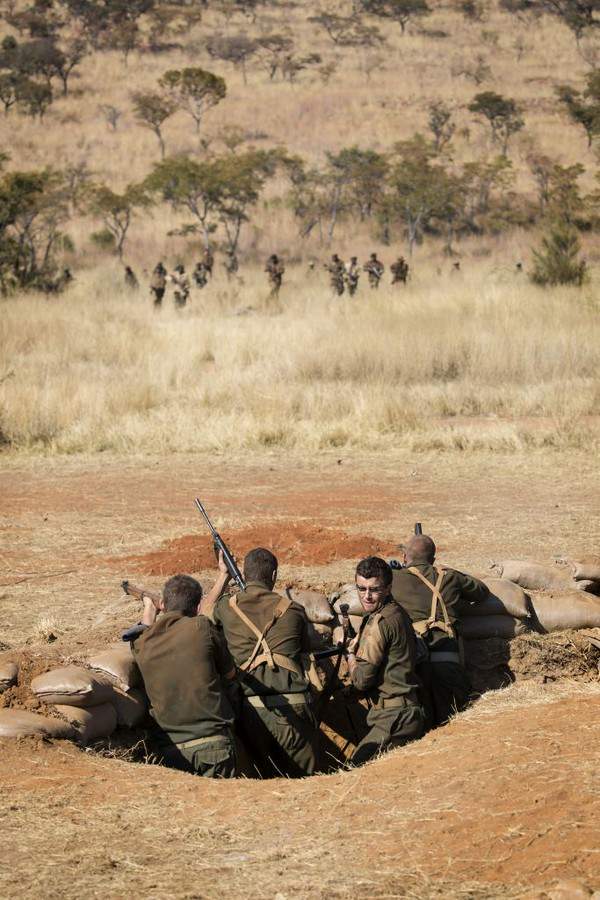
Meanwhile, Irish Army Commandant Pat Quinlan discovered vulnerabilities at the UN compound near Jadotville upon his arrival, prompting him to order his troops to establish trenches and defensive positions, thereby fortifying their base against potential assaults.
During a fleeting moment of calm amidst the chaos, Quinlan ventured into a nearby town where he encountered French mercenary Rene Faulques, a meeting that would have dire consequences. Later, at the estate of Belgian colonist Madam LaFongagne, he unearthed the astonishing fact that Jadotville harbored the world’s richest uranium deposits — a discovery that would soon play a significant role in the unfolding conflict.
As O'Brien coordinated UN forces to target the Katangese-controlled government buildings in Elizabethville, tragedy struck when Indian peacekeepers attempted to take over the local radio station. A tragic shootout resulted in the deaths of 30 unarmed Katangese employees, their demise ignored by O'Brien as he remained fixated on military objectives.
Faulques received orders for vengeance against Jadotville, prompting a merciless siege on the Irish stronghold by Katangese forces accompanied by mercenaries. During a momentary pause in hostilities, Faulques futilely called for Quinlan's surrender — but his pleas were met with defiance. The Irish troops exhibited extraordinary resilience, successfully fending off wave after wave of attackers, resulting in the deaths of 300 enemies and wounding over 1,000, all while suffering only 16 injuries among their ranks.
As conditions worsened, attempts to reinforce Quinlan's beleaguered garrison were thwarted by separatist forces. A tragic water supply and evacuation mission via helicopter ended prematurely when hostile fire brought the chopper down, deepening the gloom hanging over the Irish troops.
With supplies desperately dwindling—ammunition, food, and even drinking water—the once-unstoppable force found themselves cornered and ultimately forced to surrender to the unrelenting might of Faulques’s mercenaries. For an agonizing month, the soldiers languished in a Katangese prison, only to be released as part of a prisoner exchange, finally allowed to return home.
However, joy was short-lived for Quinlan, who soon received disturbing news from General McEntee: the surrender of "A" Company had cast a shadow of shame over the United Nations and its leadership. The political fallout was severe, as those in power sought to obscure the truth behind the siege, leaving the soldiers’ honor tarnished. It would take more than three decades for a reevaluation of these events to clear their names and restore their reputations from the burdensome remnants of defeat.