Plot Explained Spoilers guaranteed!
Plot Explained

Browse by genre

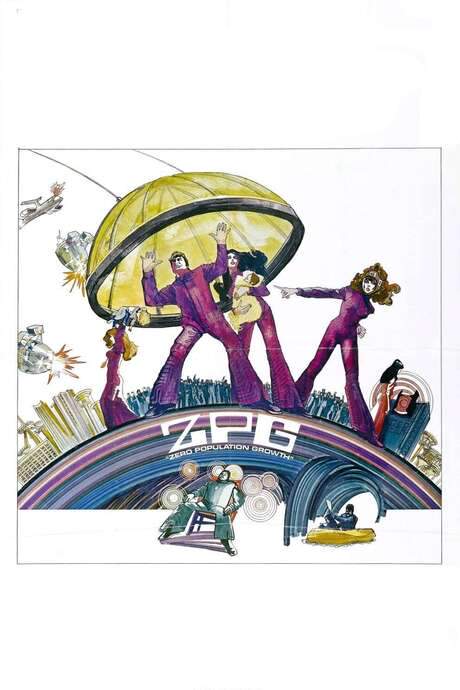
Z.P.G. (1972) movie poster

Characters & Themes

Z.P.G. (1972) Characters, Setting & Themes Explained

Release, runtime and language
1972 · 97 mins · English
Loading streaming availability…
Directed by
Michael Campus
Starring
Oliver Reed, Geraldine Chaplin, Don Gordon, Birgitte Federspiel, Diane Cilento, Sheila Reid

In a near‑future world choked by smog and dwindling oxygen, governments enforce a one‑generation ban on childbirth, sentencing any birth to death. When a dissatisfied couple replaces their synthetic baby with a real child, they risk the ultimate penalty.

On this page (8)
  1. 1 Where to watch
  2. 2 Characters explained (5)
  3. 3 Where & when it takes place
  4. 4 Themes & meaning (3)
  5. 5 Character & meaning questions
  6. 6 Movie threads
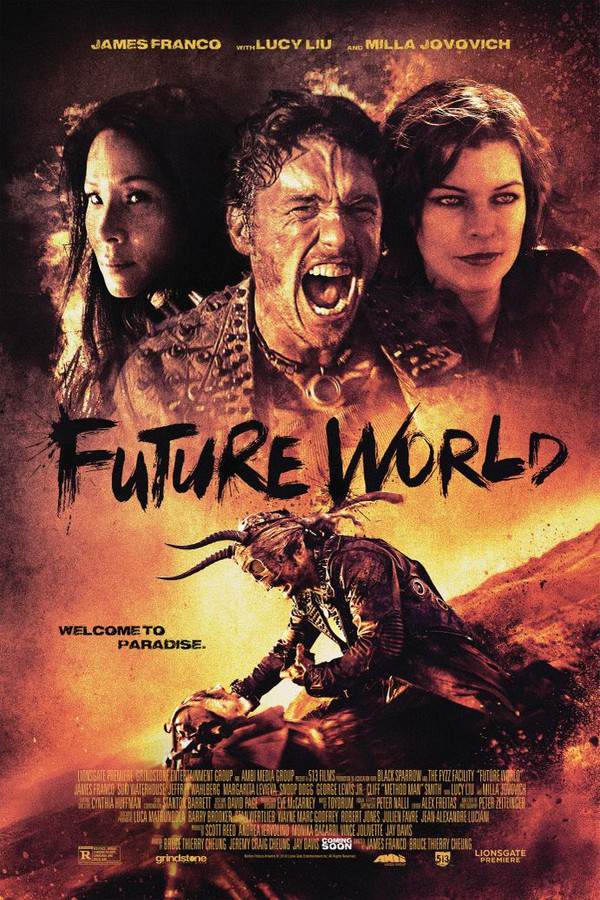
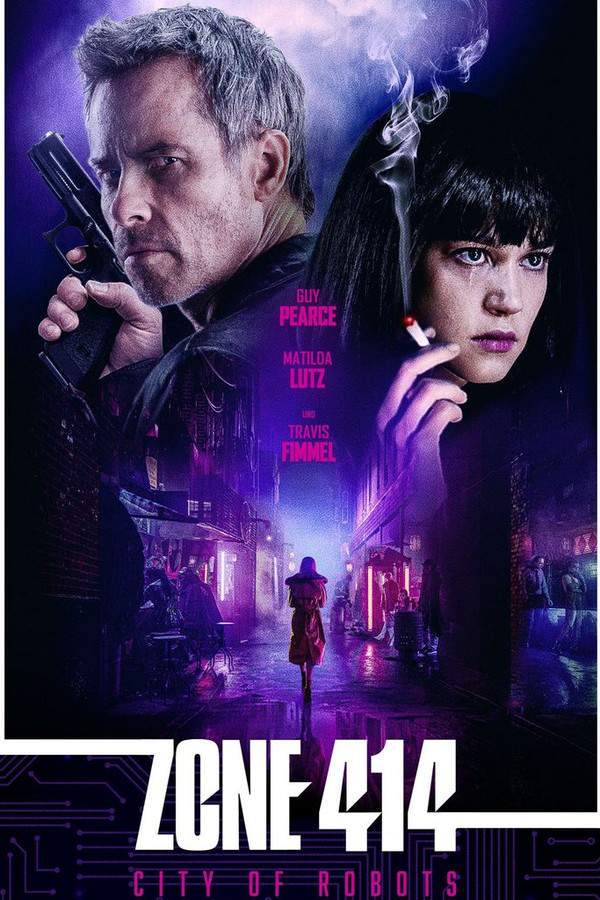
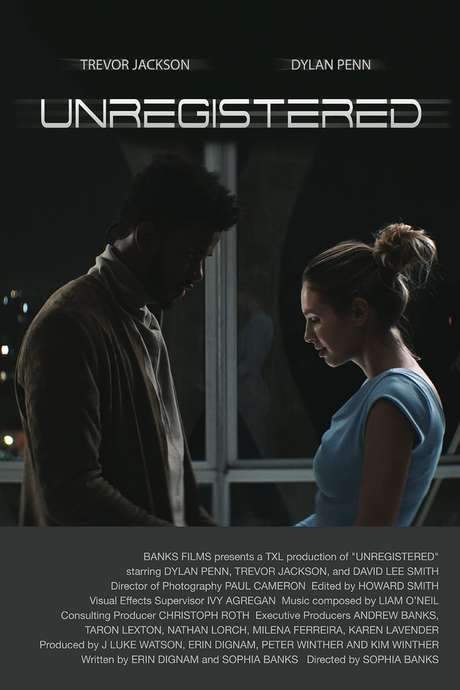
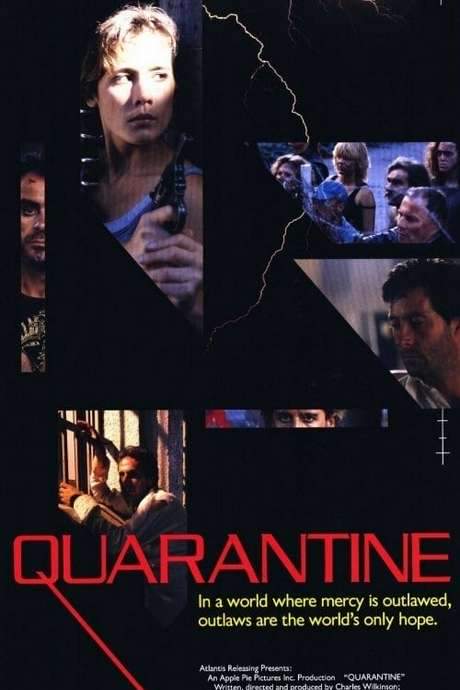
  7. 7 Movies like Z.P.G.
  8. 8 Every angle
Loading streaming availability…

5 main characters · contains spoilers

Z.P.G. Characters Explained: Who Is Who

The main characters of Z.P.G. (1972), heroes and villains: what drives them, how they change over the course of the story and what each of them reveals about the film's bigger ideas.

  • Russ (Oliver Reed)

    A museum curator who recreates early 20th-century life. He is pragmatic, protective of Carol, and willing to take risks to shield his family from the state's death penalty. His resourcefulness helps the couple hide their real child and plan an escape. He becomes the steadied, no-nonsense center of the group in a world built on fear.

    • 🛡️ Protective
    • 🧭 Resourceful
    • 🧩 Loyal
  • Carol McNeil (Geraldine Chaplin)

    Desperate for a child in a society that forbids births, Carol defies the abortion machine and conceives. She navigates danger and secrecy, balancing love with risk as the pregnancy advances. Her determination triggers the couple’s rebellion against the regime and their fight to protect their baby.

    • 💖 Determined
    • 🧭 Protective
    • 🧪 Rebellious
  • George Borden (Don Gordon)

    A neighbor who initially offers help but quickly reveals a jealous, opportunistic streak as he and his wife try to claim the baby. His actions underscore the corrosive effects of scarcity and envy in a tightly controlled society. He becomes an antagonist whose motives threaten the McNeils' precarious secret.

    • 😠 Jealous
    • 🤝 Opportunistic
    • 🛡️ Protective
  • Edna Borden (Diane Cilento)

    George's partner in crime, Edna grows increasingly possessive of the baby and uses manipulation to assert control. Her jealousy escalates tensions within the close-knit community, pushing the neighborhood toward conflict. Her actions emphasize how desire and fear can corrupt even well-meaning intentions.

    • 😡 Jealous
    • 🗝️ Manipulative
    • 💬 Persuasive
  • Daughter (Belinda Donkin)

    The child at the center of the conflict, a real baby whose existence destabilizes the already fragile societal balance. Her presence transforms neighbors into rivals and becomes the catalyst that drives the McNeils' desperate flight. She represents both hope and vulnerability in a world that rejects real offspring.

    • 👶 Innocent
    • 🎯 Targeted
    • 🍼 precious

Last updated: October 04, 2025 at 14:11

Was this helpful?

Setting

Where and When Does Z.P.G. Take Place?

The setting of Z.P.G. (1972): the year and time period, the places and locations, and how they shape the characters, the mood and the tension of the story.

Time period

Future

The story unfolds in a distant future marked by environmental collapse and overpopulation. People wear breathing masks outdoors as the air remains toxic, and the state deploys brainwashing and animatronic substitutes to curb the desire for children. The timeline suggests an escalation of oppressive controls and drastic measures to manage society. A fragile hope centers on evading the system and seeking a real family away from the domed city.

Location

Earth, Babyland, Remote island, Underground tunnels

Set on a polluted Earth where heavy smog cloaks vast cities. The regime monitors births and enforces harsh punishments, including the death penalty for illegal pregnancies. Sanctuaries arise in a state-run Babyland program, where artificial offspring replace real children. A remote island beyond the polluted zones is rumored to offer a fresh start, though its dangers and isolation remain.

  • 🌫️ Polluted atmosphere
  • 🏛️ Totalitarian regime
  • 🗺️ Hidden enclaves

Last updated: October 04, 2025 at 14:11

Was this helpful?

3 major themes

Z.P.G. Meaning: Themes & Message Explained

What is Z.P.G. (1972) really about? The emotional, social and philosophical themes the film keeps returning to, its symbolism and the message beneath the surface.

  • Oppressive State

    The film centers on a government that treats birth as a crime and uses draconian penalties to deter reproduction. Surveillance, public punishment, and controlling propaganda create a suffocating atmosphere for ordinary citizens. The dominance of the state shapes personal choices and fuels fear, secrecy, and rebellion. The tension between obedience and dissent drives the narrative forward.

  • Motherhood

    Carol's longing for a child becomes a radical act in a society that bans births. The quest for a real baby clashes with the regime's substitutes and the moral costs of defying law. The desire for biological connection tests loyalty, trust, and the boundaries of love. The film uses this theme to explore the price of motherhood under oppression.

  • Escape

    As the couple confronts jealousy and danger from neighbors, escape becomes a central impulse. The plan to flee through dark tunnels toward a remote refuge embodies humanity's urge for freedom. The journey ties personal survival to a broader hope for a safer, freer world beyond the contaminated cities. The final exodus questions whether a new life on an island can truly be free from the past.

Last updated: October 04, 2025 at 14:11

Was this helpful?

Character & theme questions

Z.P.G. Characters & Meaning: Your Questions Answered

The questions people ask about Z.P.G. (1972): who the characters really are, their relationships, what the symbols mean, where it takes place and what the movie is really about. Each answer contains spoilers.

Q1

What is the setting of the movie?

The film takes place on a heavily polluted Earth in a distant future, where thick smog cloaks vast cities and people must wear breathing masks outdoors. A totalitarian regime monitors births and enforces harsh punishments, including the death penalty for illegal pregnancies. The world features state-run Babyland programs where synthetic babies replace real children, while a rumored remote island beyond the polluted zones offers a potential escape from the oppressive domed city.

  • polluted earth
  • dystopian setting
  • smog
  • babyland
  • future world
Q2

Why are children banned in this world?

The government enforces a one-generation ban on childbirth due to severe overpopulation and environmental collapse. With the planet choked by smog and oxygen dwindling, the regime views births as a crime against society. Any pregnancy results in death penalty, and the state provides artificial animatronic substitutes to fulfill people's desire for children while preventing real reproduction.

  • child ban
  • overpopulation
  • population control
  • one-generation ban
  • anti-natalist society
Q3

What is Babyland?

Babyland is a state-run program that provides synthetic, animatronic babies to couples as substitutes for real children. These artificial offspring are designed to satisfy the desire for parenthood without the environmental consequences of overpopulation. The program represents the regime's control over reproduction and its attempt to eliminate the biological family unit.

  • babyland
  • synthetic baby
  • animatronic child
  • government program
  • artificial offspring
Q4

What are the main themes of the film?

Z.P.G. explores three interconnected themes: the oppressive state exercising total control over reproduction, the desperate desire for motherhood in a childless society, and the universal human urge to escape confinement toward freedom. These themes interweave to examine how totalitarian regimes shape personal choices, the price of motherhood under oppression, and whether true freedom exists beyond systemic control.

  • oppressive regime
  • motherhood
  • escape
  • freedom
  • totalitarianism
  • rebellion
Q5

How does the movie portray the oppressive regime?

The film depicts a surveillance state where birth is treated as a capital crime. The regime uses public punishments, constant monitoring, and propaganda to deter reproduction. Citizens live in fear of the abortion machine and execution by suffocation for illegal pregnancies. This creates an atmosphere where ordinary people must hide their most natural desires, driving fear, secrecy, and ultimately rebellion.

  • surveillance state
  • propaganda
  • capital punishment
  • authoritarian regime
  • dystopian government
Q6

What is the significance of the remote island?

The remote island beyond the polluted zones represents a fragile hope for escape from the contaminated city. Rumored to offer fresh air and a new beginning, it becomes the couple's destination for fleeing the regime's deadly enforcement. However, the island's dangers and isolation remain uncertain, leaving their future ambiguous and potentially toxic.

  • remote island
  • sanctuary
  • escape destination
  • fresh start
  • refuge
Q7

Who is Russ and what role does he play?

Russ is a museum curator who recreates early 20th-century life and serves as the pragmatic, protective partner in the couple. He is willing to take significant risks to shield his family from the state's death penalty. His resourcefulness helps conceal the real baby and plan their escape through underground tunnels, making him the steady, no-nonsense center of the group's survival.

  • russ
  • museum curator
  • protective husband
  • father figure
  • resistance
Q8

What drives Carol's desire for a real child?

Carol's longing for a biological child represents a radical act of defiance in a society that completely bans reproduction. Her desire for a real baby clashes with the regime's synthetic substitutes and the moral costs of breaking the law. This quest tests her loyalty, trust, and the boundaries of love, making motherhood under oppression the emotional core of her character.

  • carol mcneil
  • motherhood
  • biological child
  • desire for baby
  • defying regime
Q9

Who are George and Edna Borden and what threat do they pose?

George Borden and his partner Edna are the McNeils' neighbors who initially offer help but reveal jealous, opportunistic motives. They attempt to claim the baby for themselves, representing how scarcity and envy corrupt even seemingly well-meaning people in a tightly controlled society. Their actions escalate tensions within the community and threaten the McNeils' precarious secret.

  • george borden
  • edna borden
  • neighbors
  • antagonists
  • jealousy
  • scarcity
Q10

What happens at the end of the movie?

The couple successfully escapes the domed city through underground tunnels and reaches the remote island. However, the ending remains ambiguous, the island's environment may be toxic, leaving their future uncertain. Rather than a hopeful resolution, the conclusion carries a bleak feeling, questioning whether true freedom from their past exists.

  • island escape
  • ending
  • ambiguous conclusion
  • tunnel escape
  • survival

Movie threads

More Movies Like Z.P.G., by Mood & Story

Curated lists built around what makes Z.P.G. tick: the same mood, the same kind of story or the same emotional payoff. Each list explains why these movies belong together.

Movies about rebellious parents in dystopian worlds like Z.P.G.

Stories of individuals defying oppressive regimes to protect their children. If you liked the desperate fight for family in Z.P.G., explore more movies like it. This collection features similar sci-fi and thriller stories where characters risk everything to raise a child forbidden by a tyrannical government, perfect for fans of tense, high-stakes survival dramas.

  • claustrophobic
  • paranoid
  • desperate
  • oppressive
  • fatalistic
  • rebellious
  • Tone: tense, desperate, bleak
  • Pacing: steady, escalating tension
Why these movies?

The story pattern: These narratives typically follow a couple or individual who makes the conscious decision to break a draconian law—often a ban on reproduction—to have a child. The plot then focuses on their struggle to conceal their secret from neighbors, friends, and a pervasive surveillance system, leading to a life on the run and a final, desperate bid for freedom.

Why they belong together: Movies are grouped here because they share the core conflict of parental love versus state oppression. They create a similar feeling of claustrophobic anxiety and moral desperation, where the most intimate act of creation becomes an act of rebellion.
Claustrophobic dystopian survival movies similar to Z.P.G.

Stories of desperate people trapped in harsh, polluted future worlds. For viewers who enjoyed the bleak, polluted atmosphere and desperate survival stakes of Z.P.G., this list curates similar movies. Discover other tense sci-fi stories set in harsh, collapsing futures where characters fight for breath and freedom against an oppressive system and a dying world.

  • oppressive
  • anxious
  • harsh
  • desperate
  • fatalistic
  • decaying-world
  • Tone: bleak, tense, harsh
  • Pacing: steady, oppressive
Why these movies?

The story pattern: The narrative pattern involves characters navigating a world that is actively hostile, whether through pollution, totalitarian rule, or resource scarcity. The journey is less about a grand revolution and more about a personal, gritty fight for mere existence. The endings are often ambiguous or bleak, reflecting the immense difficulty of finding true escape or salvation.

Why they belong together: These films are grouped by their shared, overpowering atmosphere of decay and confinement. The similarity lies in the immersive, unsettling vibe of a world falling apart, where the setting creates a constant, palpable sense of dread and the struggle for survival is the central theme.

If you liked this

Movies Like Z.P.G.

Similar movies to Z.P.G.: the same genre, themes or kind of story. Each one comes with its own plot summary, timeline and ending explained.

Browse all movie summaries

Every angle

Z.P.G. (1972) Explained: Plot, Timeline & Characters

Everything about Z.P.G. in one place: what happens in the plot summary, the timeline in chronological order, the characters and meaning and a spoiler-free summary. What's After the Movie adds the cast, box office and post-credit scenes.

Coming soon on iOS and Android

The Plot Explained Movie Summary App

Plot summaries, endings explained and timelines on your phone. Catch up on any movie in minutes, save your favorites and never miss a twist again.

Be the first to know when we launch. Your email stays private, always.

Learn more about the app