Plot Explained Spoilers guaranteed!
Plot Explained

Browse by genre

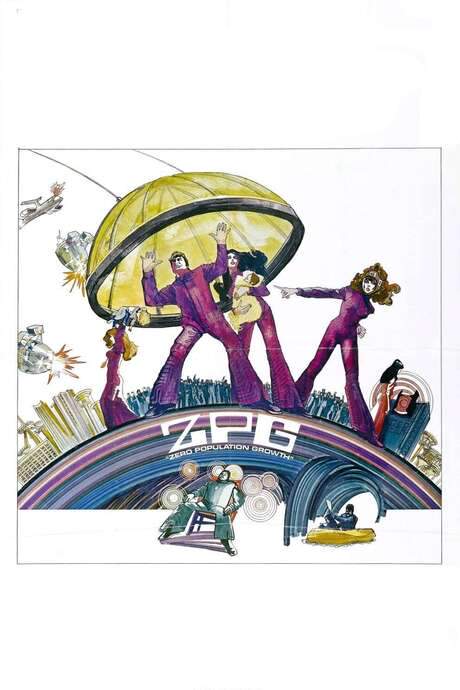
Z.P.G. (1972) movie poster

Timeline

Z.P.G. (1972) Timeline Explained – Every Event in Order

Release, runtime and language
1972 · 97 mins · English
Loading streaming availability…
Directed by
Michael Campus
Starring
Oliver Reed, Geraldine Chaplin, Don Gordon, Birgitte Federspiel, Diane Cilento, Sheila Reid

In a near‑future world choked by smog and dwindling oxygen, governments enforce a one‑generation ban on childbirth, sentencing any birth to death. When a dissatisfied couple replaces their synthetic baby with a real child, they risk the ultimate penalty.

On this page (6)
  1. 1 Where to watch
  2. 2 Events in order (13)
  3. 3 Timeline questions answered
  4. 4 Movie threads
  5. 5 Movies like Z.P.G.
  6. 6 Every angle
Loading streaming availability…

13 events in order · contains spoilers

Z.P.G. Timeline: Events in Chronological Order

Every key event of Z.P.G. (1972) in order, scene by scene, with when and where it takes place. Use it to untangle flashbacks, time jumps and parallel storylines, to refresh your memory before the sequel or to find the exact scene you are thinking of.

  1. A polluted, overpopulated Earth

    The planet is choked by smog and scarce resources. People wear breathing masks outdoors as animals disappear and food consists of tasteless paste from plastic containers. Governments maintain a harsh order to control the population.

    Where
    Earth
  2. Birth ban decreed

    The world’s government decrees that no children may be born for 30 years, using the death penalty as a deterrent for violators. Parents and newborns harmed by the rule face execution under a plastic dome. The societal aim is to reduce population rapidly and enforce compliance.

    Where
    Global government
  3. Population control technologies

    To suppress the desire for children, brainwashing and robotic substitutes are deployed. An abortion machine installed in bathrooms makes pregnancy termination a routine option for violators. Citizens live under the pressure of these coercive tools.

    Where
    Homes and public facilities
  4. Babyland and substitutes

    Couples visit Babyland to obtain life-size animatronic children, satisfying their longing without breaking the law. The process provides a hollow substitute for real offspring. The fake babies become a symbol of the regime’s control over family life.

    Where
    Babyland
  5. McNeils work in a museum

    Russ and Carol McNeil spend their days recreating life in the 20th century inside a museum. Their job places them among relics of a past era while the world around them becomes increasingly toxic. The couple’s sense of normalcy contrasts with the drab, oppressive surroundings.

    Where
    Museum
  6. Carol conceives against the law

    Carol conceives a child and chooses to defy the abortion machine, deciding to have the baby despite the ban. She hides her pregnancy from neighbors and authorities as the date of birth approaches. This personal rebellion becomes a dangerous test of loyalty to the state.

    Where
    Their home
  7. Birth and concealment

    After the child is born, the McNeils must shield the baby from discovery by authorities and curious neighbors. They improvise to keep the infant hidden in a world that demands total obedience to the birth ban. The tension among the neighbors grows as the secret endangers everyone involved.

    Where
    Home
  8. Neighbors discover and propose help

    George and Edna Borden stumble upon the baby and offer aid to conceal it, initially presenting themselves as supportive neighbors. Jealousy and suspicion soon undermine their goodwill. The situation escalates as protective instincts and fear pull families into conflict.

    Where
    McNeil residence
  9. Bordens’ envy turns to conflict

    The Bordens want to treat the baby as if it were theirs, sparking fights with the McNeils and a struggle over custody. The competition for the child exposes cracks in a community that is supposed to enforce conformity. The family’s secrecy becomes fragile under pressure.

    Where
    McNeil residence
  10. Capture and impending execution

    Authorities seize the McNeils and place them under one of the state’s execution domes, threatening the life of their infant. The regime’s brutality is made explicit as public punishment is used to deter others. The couple’s hope hinges on any chance to escape.

    Where
    City government facilities
  11. Escape through the tunnels

    They break free by digging underground and moving through dark tunnels aboard a small raft. The escape tests their ingenuity and will to survive in a world designed to crush all dissent. The journey strips them of comfort as they slip away from the surveillance state.

    Where
    Underground tunnels
  12. Arrival at a remote island

    The trio reaches a remote island with no visible pollution, offering a tentative sanctuary. It represents a radical break from the contaminated mainland and a chance for a new life. Yet its safety is uncertain given the planet’s ruined environment.

    Where
    Remote island
  13. Radioactive past of the island

    The island's background includes being used to bury old nuclear missiles in 1978, implying persistent radioactivity and danger. This historical footnote adds a haunting layer to their supposed refuge. The future remains fragile as fallout could threaten the family at any moment.

    When
    1978
    Where
    Remote island

Last updated: October 09, 2025 at 14:14

Was this helpful?

Timeline questions answered

Z.P.G. Timeline Explained: Your Questions Answered

When does it happen, and why in that order? The questions people ask about the chronology of Z.P.G. (1972): time jumps, flashbacks, cause and effect between scenes and the correct order of events, each answered with spoilers.

Q1

Why is childbirth illegal in this future world?

The world government imposed a 30-year ban on childbirth because Earth is choked by smog, resources are critically scarce, and the population is exploding. With animals disappearing and food reduced to tasteless paste from plastic containers, authorities concluded that reducing population was necessary for survival. The death penalty serves as the deterrent for anyone who violates the ban.

Foreshadowing: The opening scenes establish the polluted, resource-depleted Earth before the ban is even mentioned.

  • birth ban
  • population control
  • overpopulation
  • smog
  • futuristic law
Q2

What happens to parents who have a real child?

Parents who have a real baby face execution alongside their newborn. The regime carries out the death penalty using a plastic dome that suffocates both the parents and the infant. This brutal method serves as a public warning to anyone considering defying the birth ban, making the stakes absolutely clear.

Foreshadowing: The execution dome is introduced early as a visual symbol of the state's control.

  • execution
  • death penalty
  • suffocation dome
  • punishment
  • birth ban violation
Q3

What are the robotic babies at Babyland?

Babyland is a state-run facility where couples receive life-size animatronic children as substitutes for real babies. These mechanical infants satisfy the desire for parenthood without breaking the law, providing a hollow alternative to real children. The fake babies represent the regime's attempt to control every aspect of family life.

Foreshadowing: The existence of Babyland early in the film hints at the depth of the state's intrusion into personal desires.

  • Babyland
  • animatronic baby
  • robot child
  • state substitute
  • population control tool
Q4

Why does Carol decide to have the baby despite the ban?

Carol longs for a real child and chooses to defy the abortion machine installed in their bathroom. When she discovers she's pregnant, she decides to let the pregnancy continue rather than terminate it. This act of personal rebellion places her and Russ in extreme danger, but reflects her deep desire to experience real parenthood.

Foreshadowing: Carol's emotional longing for a real child is established before she becomes pregnant.

  • Carol McNeil
  • defiance
  • pregnancy
  • maternal desire
  • abortion machine
Q5

Why do George and Edna Borden turn against the McNeils?

When the Bordens discover the real baby, they initially offer to help conceal it. However, jealousy and envy quickly overtake their goodwill. They begin treating the child as a possession rather than a person, trying to claim custody of the baby for themselves. This escalates into an open custody fight that fractures the friendship and puts both families at risk.

Foreshadowing: The Bordens' initial reaction of wonder foreshadows their later possessive behavior.

  • George Borden
  • Edna Borden
  • neighbors
  • jealousy
  • custody battle
  • conflict
Q6

How do Russ and Carol escape from execution?

After being captured and placed beneath an execution dome, the McNeils stage a desperate escape by digging through underground tunnels. They travel through dark passages on a small raft, making their way toward a remote island away from the mainland. Their escape requires extreme ingenuity and determination to survive in a world designed to crush dissent.

Foreshadowing: The execution dome's mechanism is shown earlier, establishing what they must escape.

  • escape
  • tunnels
  • raft
  • execution dome
  • underground
  • flight from government
Q7

Why might the island they escape to be dangerous?

The remote island where the family escapes appears unpolluted and offers a hopeful sanctuary from the smog-choked mainland. However, the island was used to bury old nuclear missiles in 1978, implying persistent radioactivity. This ominous detail creates uncertainty about whether the family has truly found safety or simply traded one deadly threat for another.

Foreshadowing: The island's pristine appearance contrasts sharply with the polluted world they've left behind.

  • island
  • radioactive
  • nuclear missiles
  • 1978
  • fallout
  • dangerous sanctuary
Q8

What happens at the end of Z.P.G.?

Russ, Carol, and their baby escape to a remote island that appears free from pollution, representing a chance for a new life away from the oppressive regime. However, the ending remains ambiguous and bleak because the island may be radioactive from buried nuclear missiles. Their future is uncertain, and the film leaves viewers wondering if they've found salvation or simply delayed tragedy.

Foreshadowing: The contrast between the island's beauty and the world's destruction hints at an uneasy resolution.

  • ending
  • island escape
  • ambiguous ending
  • final scene
  • future uncertain
Q9

What is the abortion machine in the bathroom?

The government installs abortion devices in every bathroom as part of its population control regime. These machines make terminating a pregnancy a routine procedure, ensuring that any illegal conception can be quickly erased. Carol defies this device by refusing to use it when she discovers her pregnancy, choosing instead to carry the baby to term.

Foreshadowing: The presence of the abortion machine establishes the state's total control over reproduction.

  • abortion machine
  • bathroom device
  • population control
  • forced termination
  • coercion
Q10

How does the execution dome actually kill people?

The execution dome is a plastic container lowered over the condemned person, creating an airtight seal. The mechanism suffocates the victim by depriving them of oxygen, causing a slow, terrifying death. This method is used publicly as both punishment and deterrence, symbolizing the regime's cold efficiency in eliminating those who defy the birth ban.

Foreshadowing: The dome is shown in the background of early scenes as an ever-present threat.

  • execution dome
  • suffocation
  • plastic dome
  • death penalty
  • public execution
  • state violence

Movie threads

More Movies Like Z.P.G., by Mood & Story

Curated lists built around what makes Z.P.G. tick: the same mood, the same kind of story or the same emotional payoff. Each list explains why these movies belong together.

Movies about rebellious parents in dystopian worlds like Z.P.G.

Stories of individuals defying oppressive regimes to protect their children. If you liked the desperate fight for family in Z.P.G., explore more movies like it. This collection features similar sci-fi and thriller stories where characters risk everything to raise a child forbidden by a tyrannical government, perfect for fans of tense, high-stakes survival dramas.

  • claustrophobic
  • paranoid
  • desperate
  • oppressive
  • fatalistic
  • rebellious
  • Tone: tense, desperate, bleak
  • Pacing: steady, escalating tension
Why these movies?

The story pattern: These narratives typically follow a couple or individual who makes the conscious decision to break a draconian law—often a ban on reproduction—to have a child. The plot then focuses on their struggle to conceal their secret from neighbors, friends, and a pervasive surveillance system, leading to a life on the run and a final, desperate bid for freedom.

Why they belong together: Movies are grouped here because they share the core conflict of parental love versus state oppression. They create a similar feeling of claustrophobic anxiety and moral desperation, where the most intimate act of creation becomes an act of rebellion.
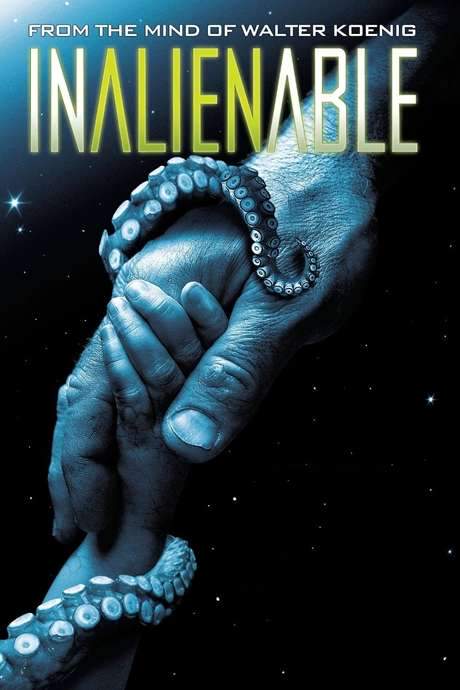
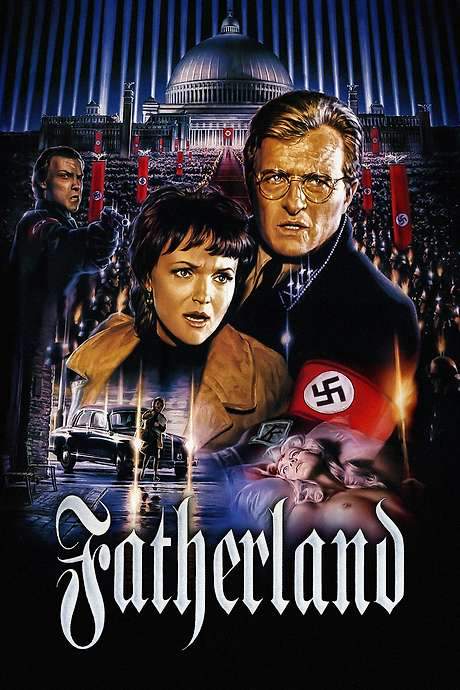
Claustrophobic dystopian survival movies similar to Z.P.G.

Stories of desperate people trapped in harsh, polluted future worlds. For viewers who enjoyed the bleak, polluted atmosphere and desperate survival stakes of Z.P.G., this list curates similar movies. Discover other tense sci-fi stories set in harsh, collapsing futures where characters fight for breath and freedom against an oppressive system and a dying world.

  • oppressive
  • anxious
  • harsh
  • desperate
  • fatalistic
  • decaying-world
  • Tone: bleak, tense, harsh
  • Pacing: steady, oppressive
Why these movies?

The story pattern: The narrative pattern involves characters navigating a world that is actively hostile, whether through pollution, totalitarian rule, or resource scarcity. The journey is less about a grand revolution and more about a personal, gritty fight for mere existence. The endings are often ambiguous or bleak, reflecting the immense difficulty of finding true escape or salvation.

Why they belong together: These films are grouped by their shared, overpowering atmosphere of decay and confinement. The similarity lies in the immersive, unsettling vibe of a world falling apart, where the setting creates a constant, palpable sense of dread and the struggle for survival is the central theme.

If you liked this

Movies Like Z.P.G.

Similar movies to Z.P.G.: the same genre, themes or kind of story. Each one comes with its own plot summary, timeline and ending explained.

Browse all movie summaries

Every angle

Z.P.G. (1972) Explained: Plot, Timeline & Characters

Everything about Z.P.G. in one place: what happens in the plot summary, the timeline in chronological order, the characters and meaning and a spoiler-free summary. What's After the Movie adds the cast, box office and post-credit scenes.

Coming soon on iOS and Android

The Plot Explained Movie Summary App

Plot summaries, endings explained and timelines on your phone. Catch up on any movie in minutes, save your favorites and never miss a twist again.

Be the first to know when we launch. Your email stays private, always.

Learn more about the app