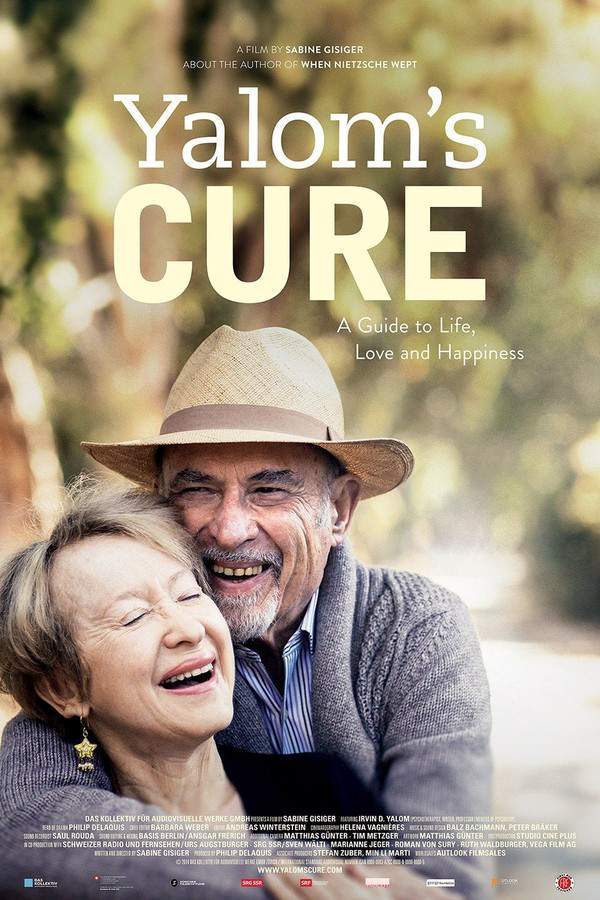
Yalom's Cure
Year: 2016
Runtime: 77 min
Language: English
Director: Sabine Gisiger
Esteemed psychotherapist Irvin D. Yalom invites viewers on a compelling journey into the human mind. This documentary explores his life's work and groundbreaking research, offering profound insights into the complexities of existence and reshaping our understanding of the psyche. Through intimate observations and compelling narratives, the film reveals the wisdom and innovative approaches that have made Yalom a leading figure in the field of psychotherapy.
Warning: spoilers below!
Haven’t seen Yalom's Cure yet? This summary contains major spoilers. Bookmark the page, watch the movie, and come back for the full breakdown. If you're ready, scroll on and relive the story!
Timeline – Yalom's Cure (2016)
Trace every key event in Yalom's Cure (2016) with our detailed, chronological timeline. Perfect for unpacking nonlinear stories, spotting hidden connections, and understanding how each scene builds toward the film’s climax. Whether you're revisiting or decoding for the first time, this timeline gives you the full picture.
Last updated: November 18, 2024 at 21:28
Yalom's Cure (2016) Timeline Questions Answered – Chronology FAQ
Find frequently asked questions about the Yalom's Cure (2016) timeline, including chronological order, nonlinear jumps, cause-and-effect links, and scene sequence clarifications. This timeline FAQ helps explain when key events happen, how moments connect, and why the story unfolds in that specific order.
What is existential psychotherapy and how does Yalom define it?
Existential psychotherapy is an approach that focuses on the fundamental human struggles: freedom, isolation, meaninglessness, and mortality. Yalom defines it as a therapy that helps patients confront these 'ultimate concerns' rather than avoiding them. The documentary shows how this approach differs from traditional psychoanalysis by emphasizing present-moment awareness and the patient's immediate experience rather than analyzing childhood repressed memories.
How did Irvin Yalom develop group therapy as a therapeutic method?
Yalom co-developed group therapy with colleagues, and the documentary shows re-enactments of therapy sessions demonstrating how this approach works. Group therapy emerged from his early career challenges when he recognized that patients could benefit significantly from interacting with others facing similar struggles. The film illustrates how he observed that group dynamics, peer support, shared experiences, and interpersonal learning, often accelerated healing beyond what individual therapy could achieve.
What concepts from Yalom's books are featured in the documentary?
The film draws heavily from three of Yalom's celebrated works: *Love's Executioner* (1989), *The Schopenhauer Cure* (2005), and *When Nietzsche Wept* (1992). These books explore themes of love, existential despair, and the therapeutic relationship. The documentary weaves these concepts into Yalom's conversations about treating patients, showing how his written philosophy translates into actual therapeutic practice.
Why does the film include underwater sequences?
The underwater sequences serve as visual metaphors representing the depths of human existence and consciousness. These ethereal images emphasize the delicate and beautiful nature of human life, aligning with Yalom's therapeutic focus on exploring the unconscious mind and confronting existential truths. The meditative quality of these shots contrasts with the heavier dialogues about mortality, creating a poetic visual language throughout the film.
How does the documentary portray Yalom's relationship with his family?
The film tenderly showcases Yalom engaging with his wife, children, and grandchildren through moments of laughter, deep conversations, and joyful gatherings. His adult children discuss their experiences with divorce and reflect on how their father's therapeutic concepts have influenced their own life decisions. These family scenes provide personal context to the man behind the professional theories, revealing how his work intersects with his private life.
What does Yalom say about mortality in the documentary?
Yalom addresses mortality directly throughout the documentary, drawing on his existential psychotherapy training that encourages patients to confront death anxiety as a pathway to authentic living. His discussions about mortality are framed not with fear but with acceptance and meaning-making, reflecting his core therapeutic belief that awareness of death can help people prioritize what truly matters in life.
How does the film depict the therapist-patient relationship?
Through re-enactments and discussions, the documentary illustrates Yalom's belief that the therapeutic relationship itself is the primary healing tool. He emphasizes authenticity, presence, and genuine connection between therapist and patient. The film shows how he approaches each session as a genuine human encounter rather than a formal medical procedure, encouraging therapists to be emotionally present and vulnerable.
What is the significance of Yalom cycling through landscapes in the film?
The cycling scenes represent Yalom's philosophy of living mindfully and staying present. These tranquil moments through beautiful landscapes create a meditative rhythm that contrasts with the heavier existential themes. The imagery symbolizes movement through life's journey, continuous forward progress, and the connection between physical activity and mental clarity that Yalom incorporates into his holistic approach to wellbeing.
What are Yalom's views on happiness as discussed in the documentary?
Yalom challenges the pursuit of happiness as a primary life goal, suggesting instead that meaning and authentic connection lead to genuine fulfillment. He discusses happiness through the lens of existential philosophy, arguing that accepting the fundamental uncertainties of life, and engaging fully with others, creates a richer, more satisfying existence than chasing transient pleasures.
Why does the documentary include Yalom's children discussing their divorces?
The inclusion of Yalom's adult children reflecting on their divorces serves to demonstrate how his therapeutic concepts apply to real-life struggles. Their discussions show how existential psychotherapy's focus on confronting difficult emotions and finding meaning in adversity has shaped their personal growth. This also reveals Yalom as both a father and a teacher whose work profoundly influences his family.
What makes Yalom's therapeutic approach different from other psychotherapies?
Yalom's uniqueness lies in combining existential philosophy with practical therapeutic techniques, focusing on immediate human concerns rather than analyzing unconscious drives. Unlike traditional psychoanalysis, his approach emphasizes the patient's present experience, encourages active engagement with life's fundamental questions, and utilizes group dynamics as a primary healing force. His writing style, combining clinical rigor with literary storytelling, also set his work apart in the field.
What is the purpose of cooking scenes in Yalom's Cure?
The cooking scenes symbolize Yalom's appreciation for simple, purposeful living and the nurturing aspect of therapeutic work. Cooking represents a mindful, present-moment activity that grounds the viewer in everyday life, a stark contrast to the profound philosophical discussions. These scenes reinforce Yalom's belief that meaning can be found in ordinary activities and that caring for oneself and others is itself a form of existential practice.

Explore Movie Threads
Discover curated groups of movies connected by mood, themes, and story style. Browse collections built around emotion, atmosphere, and narrative focus to easily find films that match what you feel like watching right now.
Meditative portraits of healing like Yalom's Cure
Intimate and thoughtful explorations of human connection and psychological growth.Discover movies like Yalom's Cure that explore the deep, quiet process of psychological healing and personal growth. These films share a meditative and compassionate tone, focusing on intimate human stories and the hopeful journey of understanding the mind and emotions.
Yalom's Cure
2016
Healing
2014

Meditation Park
2017

Unmistaken Child
2009

The Secret Garden
1987
The Magic of Belle Isle
2012
Enchanted April
1992
Céline
1992

The Keys of the Kingdom
1944
The Secret Garden
1993

The Longest Distance
2013

The Sunlit Night
2019
My Octopus Teacher
2020

Summer’s Tail
2015
Slow
2024
Narrative Summary
Narratives in this thread often follow a reflective journey, where characters or real-life subjects confront personal or existential dilemmas. The conflict is typically internal—grappling with memory, meaning, or relationships—and resolution comes through insight, understanding, and emotional connection rather than external action.
Why These Movies?
These movies are grouped together because they share a core focus on the healing process, a meditative and intimate visual style, and a pacing that encourages viewer reflection. They balance serious emotional weight with a fundamentally uplifting and hopeful perspective.
Hopeful existential films like Yalom's Cure
Profound explorations of life's big questions that ultimately affirm meaning and connection.If you liked Yalom's Cure for its exploration of deep questions with a positive outlook, these movies offer similar experiences. They blend philosophical inquiry with a humanistic, uplifting tone, focusing on how confronting existential themes can lead to personal growth and happiness.
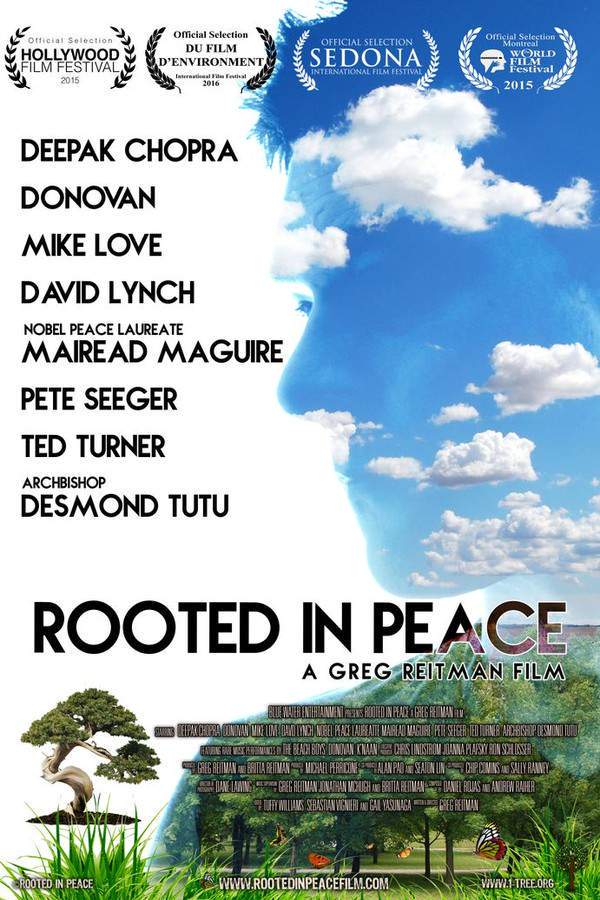
Rooted in Peace
2016
Yalom's Cure
2016
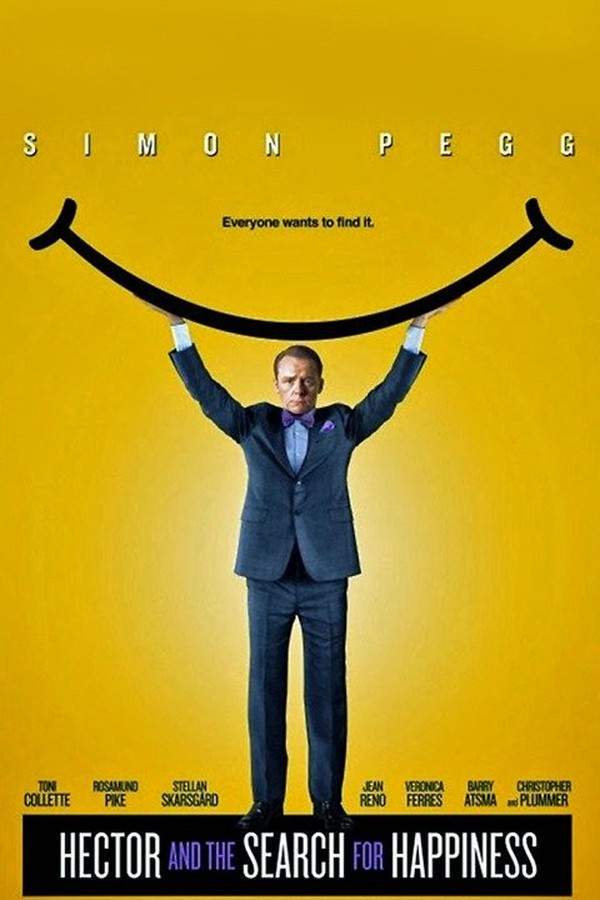
Hector and the Search for Happiness
2014
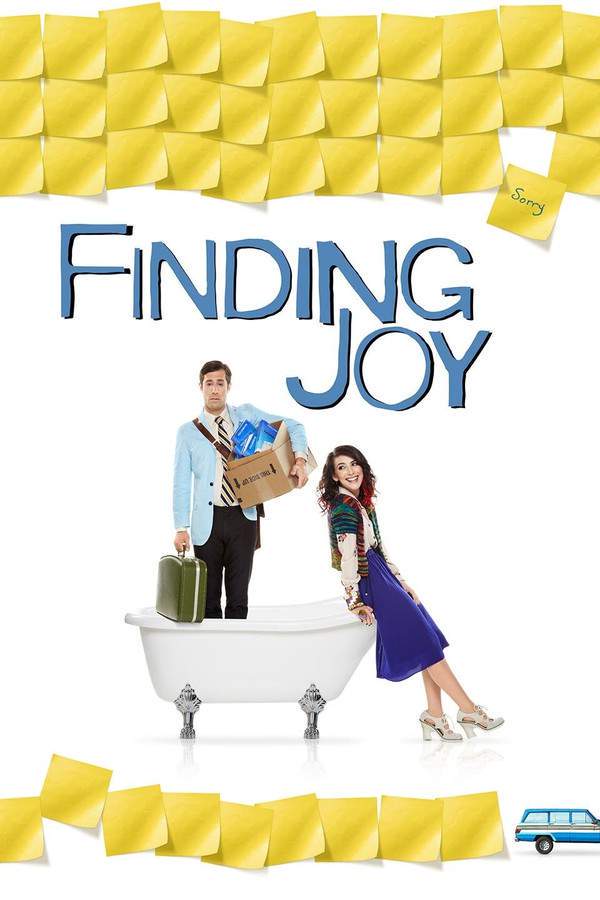
Finding Joy
2013

These Amazing Shadows
2011

The Human Experience
2008

Seekers of Happiness
1936
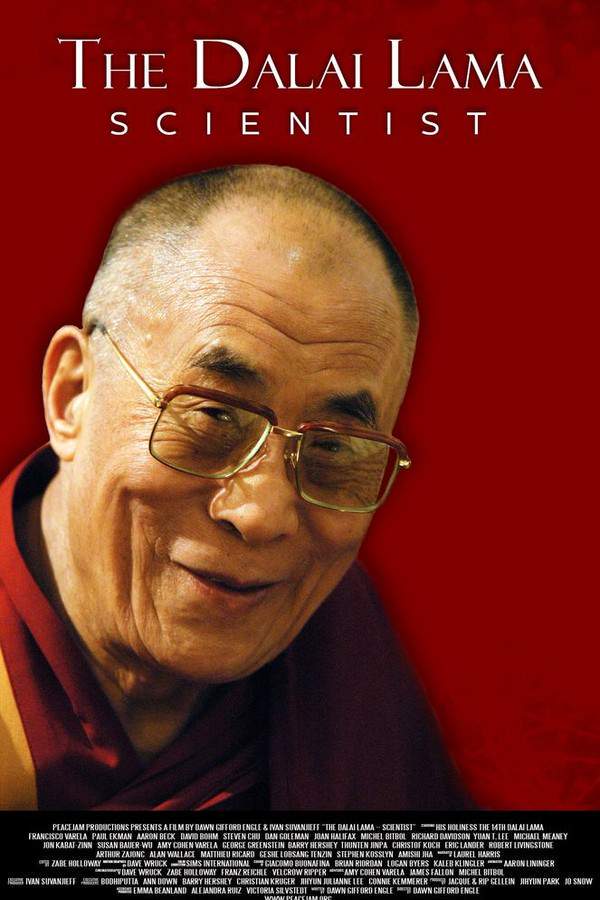
The Dalai Lama: Scientist
2019
Emmanuel's Gift
2005

Streetlight Harmonies
2020
Happiness for Beginners
2023
Sam Now
2023

In the Hands of the Gods
2007
Humboldt County
2008
Looking for Eric
2010
Narrative Summary
The narrative pattern involves characters or a documentary subject engaging directly with existential concepts—often through dialogue, memoir, or introspection. The journey moves from questioning and uncertainty toward a resolution that finds meaning and beauty within the human condition, resulting in a cathartic and satisfying conclusion.
Why These Movies?
These films are connected by their shared thematic focus on existentialism and the human condition, explored not with bleakness but with a hopeful, life-affirming lens. They combine intellectual depth with emotional warmth, creating an experience that is both thought-provoking and uplifting.
Unlock the Full Story of Yalom's Cure
Don't stop at just watching - explore Yalom's Cure in full detail. From the complete plot summary and scene-by-scene timeline to character breakdowns, thematic analysis, and a deep dive into the ending - every page helps you truly understand what Yalom's Cure is all about. Plus, discover what's next after the movie.
Yalom's Cure Summary
Read a complete plot summary of Yalom's Cure, including all key story points, character arcs, and turning points. This in-depth recap is ideal for understanding the narrative structure or reviewing what happened in the movie.

Characters, Settings & Themes in Yalom's Cure
Discover the characters, locations, and core themes that shape Yalom's Cure. Get insights into symbolic elements, setting significance, and deeper narrative meaning - ideal for thematic analysis and movie breakdowns.


Similar Movies to Yalom's Cure
Discover movies like Yalom's Cure that share similar genres, themes, and storytelling elements. Whether you’re drawn to the atmosphere, character arcs, or plot structure, these curated recommendations will help you explore more films you’ll love.
Oliver Sacks: His Own Life
2020
Crazy, Not Insane
2020
Stutz
2022
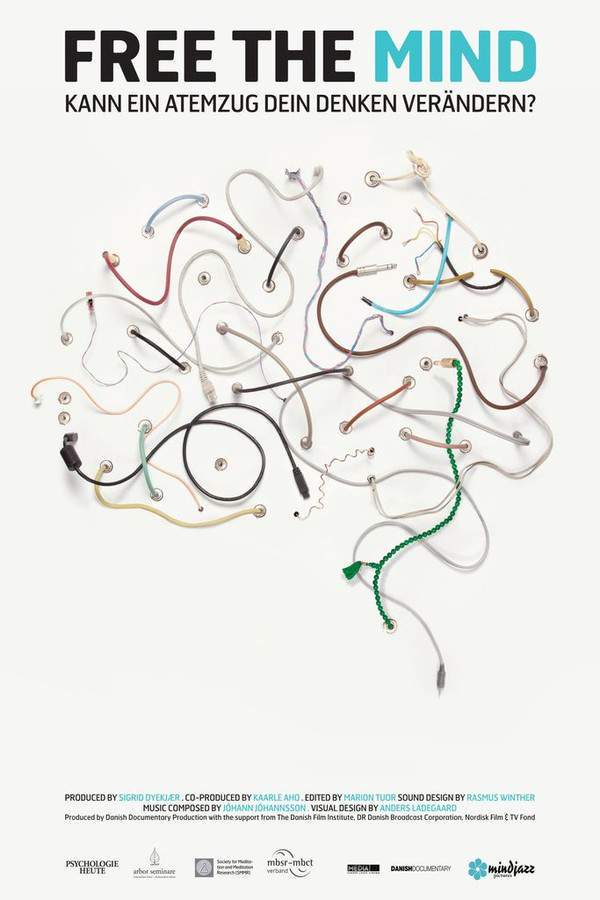
Free the Mind
2013

The C Word
2016

Yogawoman
2012
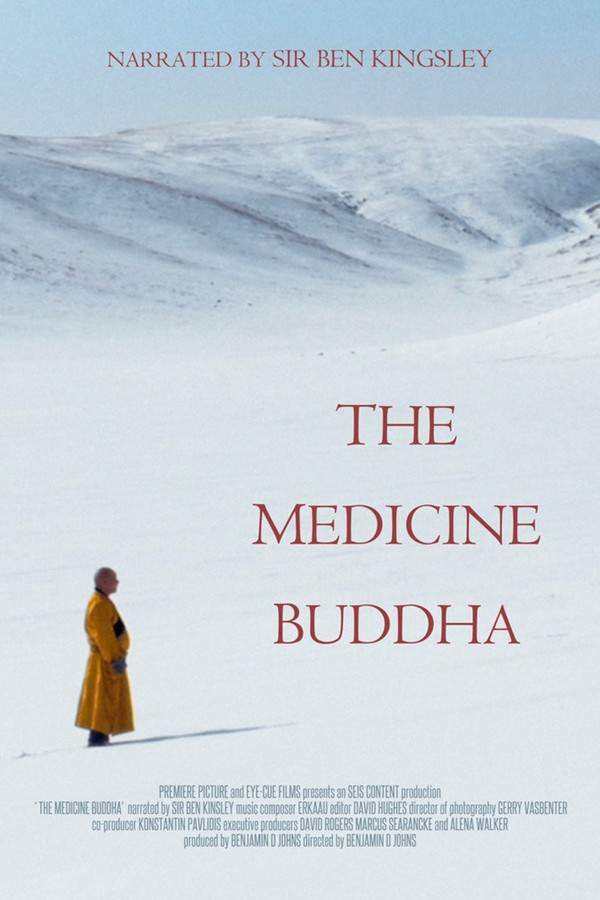
The Medicine
2020
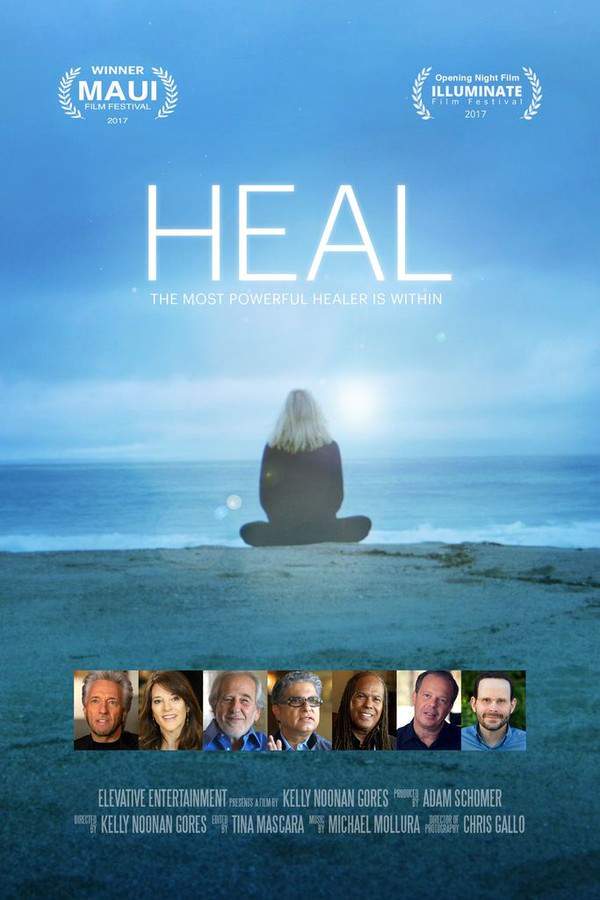
Heal
2017

I Am Maris: Portrait of a Young Yogi
2018
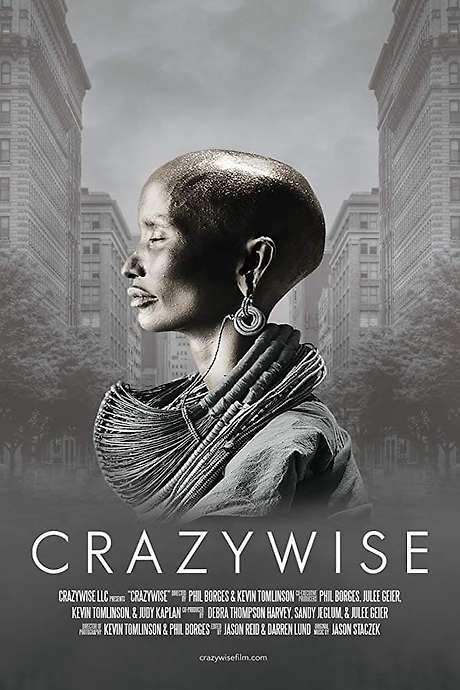
Crazywise
2017

The Odds of Recovery
2002

Oliver Sacks: His Own Life
2019

You Can Heal Your Life
2007

The Wisdom of Trauma
2021

Three Approaches to Psychotherapy
1965
Explore More About Movie Yalom's Cure
Yalom's Cure (2016) Plot Summary & Movie Recap
Yalom's Cure (2016) Scene-by-Scene Movie Timeline
Yalom's Cure (2016) Spoiler-Free Summary & Key Flow
Movies Like Yalom's Cure – Similar Titles You’ll Enjoy
Oliver Sacks: His Own Life (2020) Film Overview & Timeline
Crazy, Not Insane (2020) Story Summary & Characters
Stutz (2022) Full Movie Breakdown
Free the Mind (2013) Complete Plot Breakdown
The C Word (2016) Story Summary & Characters
Yogawoman (2012) Spoiler-Packed Plot Recap
The Medicine (2020) Full Movie Breakdown
Heal (2017) Ending Explained & Film Insights
I Am Maris: Portrait of a Young Yogi (2018) Complete Plot Breakdown
Crazywise (2017) Movie Recap & Themes
The Odds of Recovery (2002) Spoiler-Packed Plot Recap
Oliver Sacks: His Own Life (2019) Movie Recap & Themes
You Can Heal Your Life (2007) Full Summary & Key Details
The Wisdom of Trauma (2021) Plot Summary & Ending Explained
Three Approaches to Psychotherapy (1965) Ending Explained & Film Insights