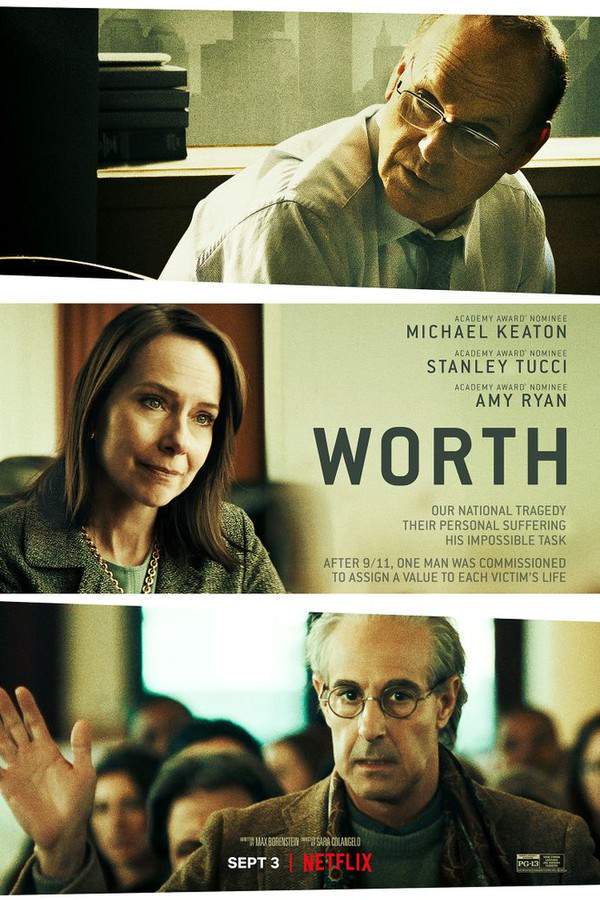
Following the 9/11 attacks, attorney Kenneth Feinberg is appointed to fairly distribute compensation funds to the victim’s families. He works alongside mediator Camille Biros, facing difficult ethical choices as he tries to balance legal processes with the immense grief of those affected. A poignant meeting with Charles Wolf, whose family suffered a terrible loss, profoundly impacts Feinberg, forcing him to deeply consider the emotional consequences of the tragedy and his role in helping the families heal.
Find where to stream, rent, or buy Worth (2021) in the US with current JustWatch availability, up-to-date pricing, and platform listings for subscription, rental, and digital purchase options.
Warning: spoilers below!
Haven’t seen Worth yet? This summary contains major spoilers. Bookmark the page, watch the movie, and come back for the full breakdown. If you're ready, scroll on and relive the story!
Still thinking about how Worth (2021) ended? Here’s a full breakdown of the ending, key final moments, major twists, and the deeper meaning behind the film’s conclusion.
The film “Worth” explores how Kenneth Feinberg’s journey evolves from viewing human lives as mere statistics to recognizing their unique worth and dignity. Initially, Feinberg attempts to quantify the value of lives lost in the 9/11 attacks through a formula, treating victims as numbers rather than individuals. However, as the story progresses, his interactions with victims like Karen Donato and Charles Wolf profoundly change his perspective. Through these personal connections, he begins to understand that human suffering is beyond any calculation. This realization leads him to treat each victim and their family with respect and compassion, acknowledging their pain as something no formula can measure.
In the final scenes, Feinberg asks victims to trust him, showing his genuine commitment to honoring their losses. As the deadline approaches, most victims accept his offer, and the fund is declared a historic success, providing compensation to over 7,000 families. The movie’s climax reveals that Feinberg’s transformation is complete when Charles Wolf, once a skeptic, publicly acknowledges that Feinberg truly feels the loss and is not just a lawyer following a formula. This acknowledgment signifies Feinberg’s internal shift from seeing lives as numbers to understanding that life’s worth cannot be quantified. The film ends on a powerful note of empathy and human connection, emphasizing that genuine compassion arises when we see people not as statistics but as unique, priceless individuals.
Last updated: June 25, 2025 at 08:58
Read frequently asked questions about the ending of Worth (2021), including final-scene interpretation, twist explanations, character outcomes, and the deeper meaning behind the conclusion. This ending explained FAQ is designed for viewers searching for clear spoiler-heavy answers and ending breakdown insights.
By the end of Worth, Kenneth Feinberg transforms from a lawyer who initially treats victims as statistics into someone who genuinely recognizes the irreplaceable worth of each life lost. He moves from using a formula to calculate compensation to understanding that human suffering cannot be quantified. This shift is symbolized when he asks victims to trust him personally rather than relying solely on legal processes.
Earlier scenes show Feinberg presenting his formula to victims, which they reject as insensitive, foreshadowing his eventual transformation.
Charles Wolf supports Feinberg at the end because he recognizes that Feinberg has genuinely changed. Wolf, who initially doubted Feinberg's intentions, publicly acknowledges that Feinberg now truly feels the loss of the victims rather than simply following a legal formula. This moment represents the culmination of Feinberg's transformation and his shift from seeing victims as numbers to treating them as individuals.
Wolf's skepticism earlier in the film, particularly during confrontational meetings, makes his later support more meaningful as proof of Feinberg's genuine change.
The September 11th Victim Compensation Fund is declared a historic success by the end of the movie. As the deadline approaches, most victims accept Feinberg's compensation offer, and over 7,000 families receive compensation. However, the success is bittersweet, some victims, like Graham Morris, are not fully recognized by the system.
The ending of Worth is bittersweet. The fund achieves its administrative goal of compensating over 7,000 families, which represents a clear success in honoring the victims. However, this success is tempered by the acknowledgment of irreversible personal losses and the systemic injustices that prevented some victims from receiving full recognition. The emotional tone balances accomplishment with profound grief.
The meta notes establish early on that the tension between legal process and personal grief creates a consistently bittersweet tone.
The phrase 'life's worth cannot be quantified' represents the film's central theme, that human lives have infinite value that cannot be reduced to numbers or formulas. Feinberg initially tries to assign monetary value to victims through his compensation formula, but through his interactions with families like Karen Donato and Charles Wolf, he realizes this approach fails to acknowledge the true worth of each individual lost.
In the final scenes, Feinberg asks victims to trust him personally rather than just the legal process. This represents his complete transformation, he is no longer hiding behind formulas or bureaucratic procedures. By asking for trust, he acknowledges his personal responsibility to honor each victim's memory, moving from a procedural role to a genuinely compassionate one.
His earlier reliance on the formula and legal framework contrasts with this personal appeal, showing how far he has traveled.
Karen Donato is one of the victims whose family Feinberg meets with early in the film, and her case helps catalyze his transformation. While the ending does not focus specifically on her individual outcome, her interactions with Feinberg represent the personal connections that change his perspective from viewing victims as statistics to seeing them as individuals with unique stories worth honoring.
Graham Morris represents the systemic injustices in the compensation system. Unlike the majority of victims who receive compensation, Morris is not fully recognized by the fund. His case serves as a reminder that despite the program's success, the system still fails some victims. This element adds complexity to the ending, showing that while progress was made, not all families received justice.
Kenneth Feinberg achieves both success and limited failure. He succeeds in establishing and administering a historic compensation fund that helps over 7,000 families. However, he fails to create a truly perfect system, some victims like Graham Morris are not fully recognized. Additionally, his personal journey shows that while he transformed his approach, no amount of compensation can truly replace what was lost.
The main theme of Worth is that human dignity and compassion matter more than bureaucratic processes or mathematical formulas. The film argues that while systems can help victims, genuine healing requires seeing people as unique individuals rather than statistics. The ending emphasizes that empathy and human connection are essential when dealing with profound loss.
Discover curated groups of movies connected by mood, themes, and story style. Browse collections built around emotion, atmosphere, and narrative focus to easily find films that match what you feel like watching right now.
Stories where bureaucratic systems face immense moral and emotional challenges.Discover movies like Worth that delve into the ethical struggles within large organizations. If you enjoyed watching the legal process confront raw human grief, you'll find similar thoughtful stories here about systems under pressure, featuring steady pacing and heavy emotional themes.
Narratives typically follow a professional or a committee tasked with an impossible decision, often involving valuing human life or allocating scarce resources. The conflict arises from the collision between cold, objective rules and passionate, subjective pleas, forcing characters to confront the limits of their system and their own humanity.
These films are grouped together because they share a specific mood of somber tension, a steady, procedural pacing, and a central theme of navigating ethical mazes within powerful institutions. They appeal to viewers who appreciate character-driven stories about the moral cost of complex, real-world decisions.

Films about a community navigating the painful, slow process of healing after a shared tragedy.Find films similar to Worth that explore the aftermath of tragedy and the long road to healing for a community. If you were moved by the portrayal of systemic response to personal grief, these stories offer a similar compassionate and bittersweet look at resilience and recovery.
The story often follows a key figure or group responsible for the official response to the tragedy, whose personal journey mirrors the community's struggle. The plot unfolds through interactions with numerous affected individuals, highlighting the diversity of grief and the challenge of finding a fair or compassionate path forward, leading to a bittersweet resolution.
This thread connects films based on their shared core theme of collective trauma and the slow, complex process of healing. They possess a heavy emotional weight, a compassionate yet somber tone, and a narrative structure that balances macro-level systems with intimate personal stories of loss.
Don't stop at just watching - explore Worth in full detail. From the complete plot summary and scene-by-scene timeline to character breakdowns, thematic analysis, and a deep dive into the ending - every page helps you truly understand what Worth is all about. Plus, discover what's next after the movie.
Read a complete plot summary of Worth, including all key story points, character arcs, and turning points. This in-depth recap is ideal for understanding the narrative structure or reviewing what happened in the movie.
Track the full timeline of Worth with every major event arranged chronologically. Perfect for decoding non-linear storytelling, flashbacks, or parallel narratives with a clear scene-by-scene breakdown.
Discover the characters, locations, and core themes that shape Worth. Get insights into symbolic elements, setting significance, and deeper narrative meaning - ideal for thematic analysis and movie breakdowns.
Discover movies like Worth that share similar genres, themes, and storytelling elements. Whether you’re drawn to the atmosphere, character arcs, or plot structure, these curated recommendations will help you explore more films you’ll love.
Worth (2021) Plot Summary & Movie Recap
Worth (2021) Scene-by-Scene Movie Timeline
Worth (2021) Movie Characters, Themes & Settings
Worth (2021) Spoiler-Free Summary & Key Flow
Movies Like Worth – Similar Titles You’ll Enjoy
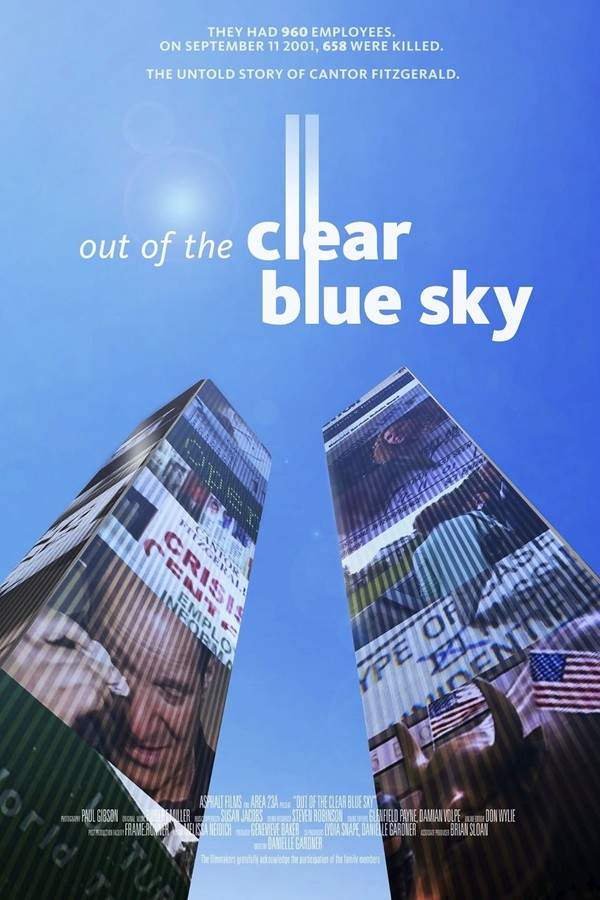
Out of the Clear Blue Sky (2013) Detailed Story Recap
Stronger (2017) Story Summary & Characters
A Mighty Heart (2007) Complete Plot Breakdown
7 Days in September (2002) Plot Summary & Ending Explained
World Trade Center (2006) Ending Explained & Film Insights
Collateral Damages (2004) Detailed Story Recap
Those Who Work (2018) Movie Recap & Themes
DC 9/11: Time of Crisis (2003) Detailed Story Recap
Inside 9/11 (1000) Detailed Story Recap
The Path to 9/11 (1000) Story Summary & Characters
Surviving 9/11 (2021) Spoiler-Packed Plot Recap
9/11: Life Under Attack (2021) Full Movie Breakdown
9/11: The Day the World Stood Still (2025) Plot Summary & Ending Explained
A Man in Full (1000) Full Summary & Key Details
Path to Paradise: The Untold Story of the World Trade Center Bombing (1997) Full Movie Breakdown