Plot Explained Spoilers guaranteed!
Plot Explained

Browse by genre

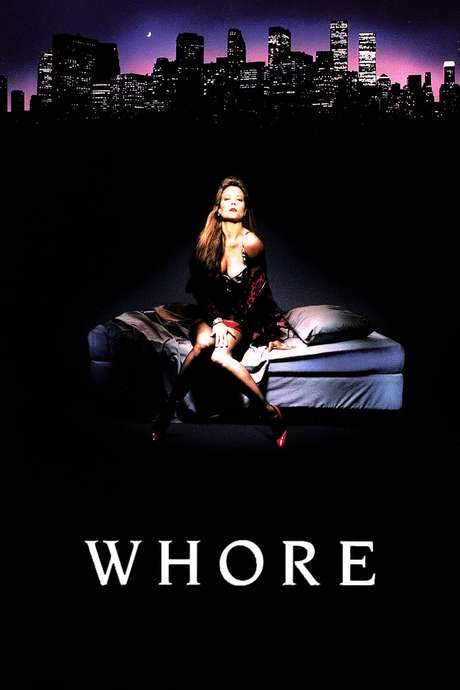
Whore (1991) movie poster

Plot Summary

Whore (1991) Plot Summary Explained

Release, runtime and language
1991 · 85 mins · English
Loading streaming availability…
Starring
Charles Macaulay, Jack Nance, Amanda Goodwin, Danny Trejo, Michael Crabtree, Ken Russell

If You’re Afraid to Say It… Just See It. This melodrama investigates the life of a sex worker, in a pseudo-documentary style.

On this page (6)
  1. 1 Where to watch
  2. 2 What happens: full plot
  3. 3 Plot questions answered
  4. 4 Movie threads
  5. 5 Movies like Whore
  6. 6 Every angle
Loading streaming availability…

Full plot summary · contains spoilers

What Happens in Whore: Full Plot Summary

The whole story of Whore (1991) explained, from the opening scene to the final frame: every key event, every twist and what it all adds up to. Read it as a quick recap before the sequel, to check a scene you missed, or to finally understand what really happened.

Liz, Theresa Russell, is a Los Angeles street prostitute who opens the film by directly addressing the audience, sharing her life and the multitude of problems she faces. On a crowded downtown street near a tunnel, she refuses a demanding customer who wants anal sex and also brushes off a van full of men who had previously abused her. A passing elderly man offers help—his handkerchief, and a possible trip to the hospital—yet Liz returns his generosity later, sending back the money with a note and a new handkerchief, signaling a complicated mix of gratitude and independence. Throughout, the tone stays intimate and unflinching as she confronts the daily hazards of her trade and the emotional toll of her past.

We learn that Liz dreams of escaping life on the street and the tightening grip of her pimp Blake, a dapper, controlling figure who runs a tight, predatory operation. Her backstory unfolds in fragments: a small-town girl who marries a violent, alcoholic husband named Bill, and after bearing a son, she flees the abuse. She keeps the child in her heart as she drifts between poverty and late-night shifts at a diner. A pivotal moment comes when a paying customer asks for sex, and she agrees to prostitution as a means to survive. This path eventually leads her to Blake in Los Angeles. Blake can provide some practical support—he’s the one who helps with tattoos and logistics—but his power over Liz is coercive and sometimes brutal, echoing the violence she escaped from with Bill.

In the titling rhythm of the film, Liz forms a fragile alliance with a fellow sex worker who is violently attacked by a client. Liz brings the injured woman to a theater bathroom, hoping to save her life, and a theater patron, Katie, steps in to help. Katie is portrayed as intellectual and kind, and she lends Liz the novel Animal Farm, the first book Liz completes. Their burgeoning friendship complicates Liz’s life: Blake uses menace to undermine the bond, and he accuses Katie of lesbianism, driving a wedge between the two women. The city’s shadows lengthen as Liz clings to this new connection even as she suspects the dangerous consequences of staying with Blake.

An additional thread introduces Rasta, a local homeless street performer who does a hair-raising act walking on broken glass. He offers Liz a small escape by inviting her to watch a film with him, and the scenes of their time inside the cinema are intercut with Blake’s own life narration, creating a disorienting, almost theatrical collage of Liz’s world. Within these interludes, Liz recounts more of her encounters with clients—one, a man with a shoe fetish, who wants Liz to insult him while he masturbates with her stilettos in his mouth, a detail that underscores the odd, brutal humor and the perverse edges of her experiences.

After the film, Liz speaks of her son with tenderness, clearly loving him, though he is now in foster care. That night, she crosses paths with an elderly, well-dressed client who drives her to a parking garage in a vintage car. The encounter turns tragic as the man dies of a heart attack, and Liz wrestles with the thrill and fear of mortality in the space between life and death. Blake reappears and, driven by greed and jealousy, attempts to ambush the dead man’s body to steal money and, in a violent confrontation, he attacks Liz, breaking one of her fingers and threatening to push her son into gay prostitution. The moment crystallizes when Liz defends herself with fierce resolve, retorting, “I’ll kill you first!”

The film’s final act erupts in a brutal act of retribution. Rasta, ever watchful, steps in and ends Blake’s life by slitting his throat, bringing a brutal sense of justice to Liz’s world. As Blake falls, Liz acknowledges Rasta’s help, and with the danger finally dissipating, she walks away from the wreckage of her past, moving forward with a quiet strength that remains at the core of her character.

Throughout, the movie’s stark realism is balanced by poignant moments of tenderness, loyalty, and survival. The interwoven storytelling—Liz’s direct address, the flashback-laden backstory, the theater intercuts with Blake’s voiceover, and the stark, often brutal encounters on the street—creates a portrait of a woman navigating a brutal economy of sex and power. The film does not glamorize Liz’s choices; rather, it scrutinizes the systems that shape them, while also leaving room for small acts of humanity—a handkerchief returned with care, a book borrowed and read, a friend who sees, and a man who protects, even at great personal cost. In the end, Liz’s walk away from the theater and the men who would define her life signals a fragile, hard-won resilience—one that continues beyond the frame.

Last updated: October 09, 2025 at 14:44

Was this helpful?

Plot questions answered

Whore Plot Explained: Your Questions Answered

The questions people ask most about Whore (1991): what happens in the confusing scenes, why the characters do what they do, the twists, hidden details and what the ending means. Each answer contains spoilers.

Q1

Why does Liz become a prostitute?

Liz turns to prostitution after fleeing her abusive husband Bill. As a single mother with no resources, she struggled to survive working night shifts at a diner. When a customer offered money for sex, she accepted it as a means to provide for herself and her son, eventually leading her to Los Angeles and her pimp Blake.

Foreshadowing: Earlier scenes show Liz working on the street, establishing that this is already her current situation before explaining how she got there.

  • prostitution
  • backstory
  • Bill
  • abusive husband
  • survival
Q2

Why does Liz stay with Blake despite his violence?

Liz remains with Blake because he provides practical support in a city where she has no other resources. He helps with logistics, gets her tattooed, and offers some protection. However, the relationship is coercive and often brutal, echoing the violence she escaped from with her previous husband Bill. Her dependence reflects the limited options available to her.

Foreshadowing: The strip club scene shows Liz contemplating escape, revealing her ambivalence about the relationship.

  • Blake
  • pimp
  • coercion
  • control
  • dependence
Q3

Why does Rasta kill Blake?

Rasta kills Blake as an act of protection and justice. He witnesses Blake attacking Liz in the parking garage, where Blake has broken her finger, strangled her, and threatened to force her son into gay prostitution. Rasta intervenes by slitting Blake's throat, eliminating the immediate threat and allowing Liz to escape.

Foreshadowing: Rasta's earlier invitation to Liz to watch a film establishes their bond and his protective nature.

  • Rasta
  • Blake
  • killing
  • protection
  • justice
Q4

What happens to Liz's son?

Liz's son is in foster care after she fled her abusive marriage. She speaks about him with deep tenderness and love, expressing her desire to create a better life for him. This hope for her son's future motivates many of her decisions throughout the film.

Foreshadowing: Liz's backstory reveals she bore a son during her marriage to Bill and left with the infant.

  • son
  • foster care
  • mother
  • love
  • hope
Q5

Why does Blake attack Liz in the parking garage?

Blake attacks Liz primarily out of greed and jealousy. When Liz's elderly client dies of a heart attack, Blake arrives hoping to steal money from the dead man. When Liz resists, the confrontation escalates into violence, he breaks her finger and strangles her, also threatening her son.

Foreshadowing: Blake's controlling and predatory nature is established throughout the film, showing he prioritizes money and power over Liz's wellbeing.

  • Blake
  • attack
  • parking garage
  • greed
  • theft
Q6

Why does Liz return the elderly man's money?

Liz returns the elderly man's money with a thank-you note and new handkerchief to maintain her independence and control. While she accepts help, she refuses to be beholden to anyone. The gesture shows her complicated relationship with charity, grateful but guarded, insisting on reciprocity on her own terms.

Foreshadowing: This scene occurs right after she refuses his offer to take her to the hospital, establishing her stubborn independence.

  • elderly man
  • money
  • handkerchief
  • independence
  • pride
Q7

Why does Blake accuse Katie of lesbianism?

Blake accuses Katie of lesbianism to drive a wedge between Liz and her friend. He uses intimidation and manipulation to isolate Liz from positive relationships that might give her the strength or support to leave him. By labeling their friendship as improper, he undermines the one healthy connection Liz has.

Foreshadowing: The scene where Liz and Katie become friends, with Katie lending her Animal Farm, directly precedes Blake's interference.

  • Katie
  • Blake
  • lesbianism
  • isolation
  • manipulation
Q8

Why does the elderly client die in the parking garage?

The elderly, well-dressed client dies of a heart attack while with Liz in the parking garage. Liz attempts to perform mouth-to-mouth resuscitation but cannot save him. This traumatic event occurs as Liz wrestles with the proximity to mortality that defines her line of work.

Foreshadowing: The scene follows Liz's reflection on her son and her desire for a better life, adding emotional weight to the encounter.

  • elderly client
  • heart attack
  • death
  • parking garage
Q9

What is the significance of the book Animal Farm in the film?

Katie lends Liz the novel Animal Farm after they meet in the theater bathroom. It represents the first book Liz completes and symbolizes hope, education, and the possibility of a life beyond the streets. The friendship and this gift contrast sharply with Blake's control and attempt to isolate her.

Foreshadowing: Liz finds the stabbed prostitute and brings her to the theater bathroom, where Katie helps, a chance encounter that leads to their friendship.

  • Animal Farm
  • Katie
  • book
  • friendship
  • hope
Q10

Why does Liz say she'll kill Blake first?

Liz tells Blake "I'll kill you first!" when he threatens to force her son into gay prostitution. This moment represents her fierce determination to protect her child and refuse victimization. It shows her transformation from someone controlled by violent men to someone who fights back, setting up Rasta's later intervention.

Foreshadowing: This confrontation occurs in the parking garage after Blake has already broken her finger and stolen from the dead man.

  • I'll kill you first
  • Blake
  • son
  • threat
  • defiance
Q11

What is Rasta's role in the story?

Rasta is a homeless street performer who walks on broken glass as his act. He offers Liz moments of escape from her harsh reality, inviting her to watch films with him. Beyond providing friendship, he serves as her protector, ultimately saving her by killing Blake when the confrontation turns violent.

Foreshadowing: Rasta's act of walking on broken glass foreshadows his ability to withstand and respond to extreme violence.

  • Rasta
  • street performer
  • friend
  • protector
  • film
Q12

Why does the film use direct address to the camera?

The film uses direct address as a pseudo-documentary storytelling technique. Liz frequently speaks to the audience, sharing her life, memories, and inner thoughts. This approach creates intimacy, giving viewers access to her perspective and emotional truth while also highlighting the performative nature of identity on the streets.

Foreshadowing: The film opens with Liz directly addressing the audience, establishing this narrative style immediately.

  • direct address
  • documentary style
  • narrative
  • camera
  • intimacy

Movie threads

More Movies Like Whore, by Mood & Story

Curated lists built around what makes Whore tick: the same mood, the same kind of story or the same emotional payoff. Each list explains why these movies belong together.

Gritty urban survival stories like Whore

Unflinching stories of characters fighting for dignity in a brutal city. Explore movies like Whore that deliver a raw, unflinching look at survival on the streets. If you were captivated by the brutal honesty and emotional toll of urban hardship, these similar films feature resilient characters navigating poverty, exploitation, and the fight for a better life.

  • gritty
  • raw
  • brutal
  • oppressive
  • somber
  • urban decay
  • Tone: dark, brutal, raw
  • Pacing: steady, immersive
Why these movies?

The story pattern: Narratives in this thread typically follow a protagonist trapped in a cycle of poverty and exploitation, often within a specific urban subculture. The plot revolves around their daily struggle for basic needs and safety, leading to confrontations with predatory figures and moments of difficult moral choice, culminating in a hard-won escape or a Pyrrhic victory.

Why they belong together: Movies are grouped here because they share a potent mix of a gritty, realistic setting, a dark tone, and a focus on the psychological and physical toll of survival. They feature a steady, immersive pacing that builds tension through relentless hardship and intimate character moments.

Movies about trauma and resilience like Whore

Stories where characters endure profound suffering to find a fragile hope. Discover films similar to Whore that explore heavy themes of trauma, abuse, and the difficult path to resilience. If you appreciated the film's honest portrayal of psychological damage and the bittersweet struggle for freedom, these movies feature powerful character arcs of survival and hard-won hope.

  • somber
  • intimate
  • unflinching
  • traumatic
  • resilient
  • bittersweet
  • Tone: dark, bittersweet, intimate
  • Pacing: steady, character-driven
Why these movies?

The story pattern: The narrative pattern follows a protagonist who endures a series of traumatic events, often stripping them of agency and dignity. The central conflict is internal as much as external, charting their psychological struggle. The climax involves a pivotal act of defiance or escape, leading to an ending that acknowledges the scars while allowing for a tentative new beginning.

Why they belong together: These films are united by their heavy emotional weight, a focus on the psychological impact of trauma, and a narrative arc that prioritizes character resilience over simplistic victory. They share a dark-to-bittersweet emotional trajectory and are characterized by intense, intimate performances.

If you liked this

Movies Like Whore

Similar movies to Whore: the same genre, themes or kind of story. Each one comes with its own plot summary, timeline and ending explained.

Browse all movie summaries

Every angle

Whore (1991) Explained: Plot, Timeline & Characters

Everything about Whore in one place: what happens in the plot summary, the timeline in chronological order, the characters and meaning and a spoiler-free summary. What's After the Movie adds the cast, box office and post-credit scenes.

Coming soon on iOS and Android

The Plot Explained Movie Summary App

Plot summaries, endings explained and timelines on your phone. Catch up on any movie in minutes, save your favorites and never miss a twist again.

Be the first to know when we launch. Your email stays private, always.

Learn more about the app