Plot Explained Spoilers guaranteed!
Plot Explained

Browse by genre

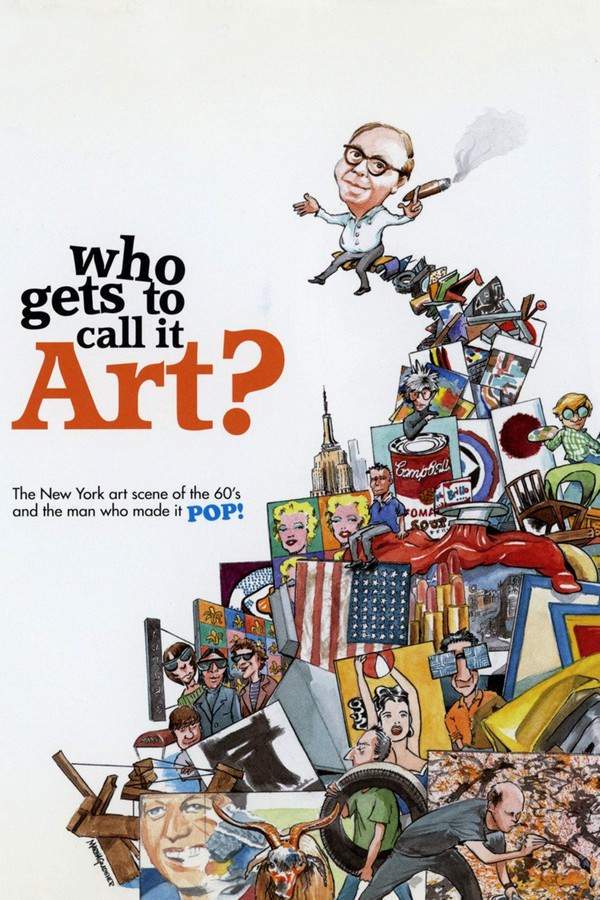
Who Gets to Call It Art? (2006) movie poster

Characters & Themes

Who Gets to Call It Art? (2006) Characters, Setting & Themes Explained

Release, runtime and language
2006 · 78 min · English
Directed by
Peter Rosen

This documentary explores the career of Henry Geldzahler, a pivotal figure who challenged artistic conventions and championed the rise of Pop Art. The film follows his journey from curating a groundbreaking exhibition at the Metropolitan Museum of Art to passionately advocating for the recognition of artists like Andy Warhol and Roy Lichtenstein within the broader cultural landscape. It examines his impact on the art world and his role in reshaping perceptions of what constitutes art.

On this page (7)
  1. 1 Characters explained (1)
  2. 2 Where & when it takes place
  3. 3 Themes & meaning (2)
  4. 4 Character & meaning questions
  5. 5 Movie threads
  6. 6 Movies like Who Gets to Call It Art?
  7. 7 Every angle

1 main characters · contains spoilers

Who Gets to Call It Art? Characters Explained: Who Is Who

The main characters of Who Gets to Call It Art? (2006), heroes and villains: what drives them, how they change over the course of the story and what each of them reveals about the film's bigger ideas.

  • Henry Geldzahler

    Henry Geldzahler was a prominent art historian and curator who played a crucial role in the 1960s New York art scene. Known for his bold vision and commitment to showcasing contemporary American art, he transformed public perceptions and appreciation for modern artists. Geldzahler's charisma and intellect established him as a significant figure among creatives during this vibrant time.

    • 🧑‍🎨 Curator
    • 🇺🇸 Art Historian
    • 📚 Educated

Last updated: October 22, 2024 at 21:04

Was this helpful?

Setting

Where and When Does Who Gets to Call It Art? Take Place?

The setting of Who Gets to Call It Art? (2006): the year and time period, the places and locations, and how they shape the characters, the mood and the tension of the story.

Time period

1960s

The 1960s was a decade of significant cultural change, marked by experimentation and a questioning of societal norms. This era saw the emergence of avant-garde movements that reshaped the art landscape in America, separating it from European influences and celebrating authenticity. The election of JFK ignited a sense of optimism which permeated the art scene, encouraging new forms of expression.

Location

New York City, Cedar Bar

New York City in the 1960s was a vibrant hub of creativity and transformation. The Cedar Bar served as a beloved sanctuary for artists, providing a refuge where they could gather and share ideas. This setting fostered a unique dynamic community reminiscent of earlier artistic movements in Paris.

  • 🏙️ City
  • 🎨 Art Scene

Last updated: October 22, 2024 at 21:04

Was this helpful?

2 major themes

Who Gets to Call It Art? Meaning: Themes & Message Explained

What is Who Gets to Call It Art? (2006) really about? The emotional, social and philosophical themes the film keeps returning to, its symbolism and the message beneath the surface.

  • Art Revolution

    The film showcases the transformative power of art during the 1960s, highlighting the shift towards a uniquely American expression. Artists began breaking free from the constraints of previous styles, embracing innovation and experimentation as they created new narratives. This revolution not only redefined art but also changed societal perspectives about creative expression.

  • Cultural Awakening

    A cultural awakening during the 1960s fostered a community of young, intelligent voices and avant-garde thinkers. The film captures the intersection of various creative fields, including literature, art, and advertising, interweaving their influences on one another. This vibrant societal tapestry marked a significant moment in American history, pushing boundaries and inspiring future generations.

Last updated: October 22, 2024 at 21:04

Was this helpful?

Character & theme questions

Who Gets to Call It Art? Characters & Meaning: Your Questions Answered

The questions people ask about Who Gets to Call It Art? (2006): who the characters really are, their relationships, what the symbols mean, where it takes place and what the movie is really about. Each answer contains spoilers.

Q1

Who was Henry Geldzahler and what was his role in the art world?

Henry Geldzahler was a prominent art historian and curator who became a pivotal figure in the 1960s New York art scene. Known for his bold vision and commitment to showcasing contemporary American art, he transformed public perceptions and appreciation for modern artists. His charisma and intellect established him as a significant figure among creatives, and he championed artists like Andy Warhol and Roy Lichtenstein.

  • henry geldzahler
  • curator
  • art historian
  • new york art scene
Q2

What was the New York art scene like in the 1960s?

New York City in the 1960s was a vibrant hub of creativity and transformation. The city became a center for artistic innovation, separating from European influences and celebrating authenticity. The Cedar Bar served as a beloved sanctuary for artists, providing a refuge where they could gather and share ideas, fostering a unique dynamic community.

  • new york city
  • 1960s art scene
  • cedar bar
  • artist community
Q3

What does the film say about the art revolution of the 1960s?

The film showcases the transformative power of art during the 1960s, highlighting the shift towards a uniquely American expression. Artists began breaking free from the constraints of previous styles, embracing innovation and experimentation as they created new narratives. This revolution not only redefined art but also changed societal perspectives about creative expression.

  • art revolution
  • pop art
  • american art
  • artistic innovation
Q4

What was the cultural awakening depicted in the documentary?

The documentary captures a cultural awakening during the 1960s that fostered a community of young, intelligent voices and avant-garde thinkers. It shows the intersection of various creative fields, including literature, art, and advertising, interweaving their influences on one another. This vibrant societal tapestry marked a significant moment in American history, pushing boundaries and inspiring future generations.

  • cultural awakening
  • avant-garde
  • 1960s culture
  • artistic movement
Q5

What was the Cedar Bar and why was it important?

The Cedar Bar was a beloved sanctuary for artists in 1960s New York City. It provided a refuge where creative individuals could gather, share ideas, and connect with one another. This setting fostered a unique dynamic community reminiscent of earlier artistic movements in Paris, serving as a crucial gathering place for the burgeoning New York art scene.

  • cedar bar
  • artist gathering
  • new york artists
  • creative community
Q6

How did Henry Geldzahler help recognize artists like Andy Warhol and Roy Lichtenstein?

Geldzahler championed the rise of Pop Art and advocated passionately for the recognition of artists like Andy Warhol and Roy Lichtenstein within the broader cultural landscape. He curated groundbreaking exhibitions, including one at the Metropolitan Museum of Art, that helped validate these artists and reshape perceptions of what constitutes art.

  • andy warhol
  • roy lichtenstein
  • pop art recognition
  • metropolitan museum
Q7

Why was the 1960s a significant decade for American art?

The 1960s was a decade of significant cultural change, marked by experimentation and a questioning of societal norms. This era saw the emergence of avant-garde movements that reshaped the art landscape in America. The election of JFK ignited a sense of optimism which permeated the art scene, encouraging new forms of expression and helping American art find its own identity separate from European influences.

  • 1960s decade
  • american art history
  • jfk era
  • artistic experimentation
Q8

What are the main themes explored in the documentary?

The documentary explores two main themes: the art revolution that redefined creative expression in America, and the cultural awakening that brought together diverse creative voices. These themes interweave to show how the 1960s transformed not only what art could be but also how society viewed artistic expression, celebrating authenticity and innovation.

  • documentary themes
  • art revolution
  • cultural awakening
  • american expression

Movie threads

More Movies Like Who Gets to Call It Art?, by Mood & Story

Curated lists built around what makes Who Gets to Call It Art? tick: the same mood, the same kind of story or the same emotional payoff. Each list explains why these movies belong together.

Documentaries about Cultural Pioneers like Who Gets to Call It Art?

Documentaries celebrating the visionary figures who reshape our artistic and cultural landscape. Find more movies like 'Who Gets to Call It Art?' that profile the visionary individuals behind major artistic movements. These documentaries share an insightful and celebratory tone, exploring how curators, critics, and artists challenged conventions and left a lasting legacy on the cultural world.

  • educational
  • celebratory
  • insightful
  • nostalgic
  • optimistic
  • curatorial
  • Tone: neutral, celebratory, insightful
  • Pacing: steady, chronological
Why these movies?

The story pattern: Narratives in this thread typically follow a chronological journey, tracing a figure's rise from an unconventional perspective to widespread influence. The central conflict is often against established traditions, with the story culminating in a successful validation of their visionary work.

Why they belong together: Movies are grouped here based on their shared focus on a single, influential cultural figure, their optimistic and informative tone, and their celebration of creative revolution. They provide a similar feeling of intellectual discovery and nostalgic appreciation for a pivotal moment in art or culture.

Movies about Art Movements like in Who Gets to Call It Art?

Stories that explore the rise of a revolutionary art style with optimism and clarity. If you liked the story of Pop Art's rise in 'Who Gets to Call It Art?', explore this collection of films about other groundbreaking artistic revolutions. These movies share a light, educational vibe and a happy ending, chronicling how new creative communities and their work changed the art world.

  • educational
  • optimistic
  • revolutionary
  • community
  • historical
  • creative
  • Tone: neutral, optimistic
  • Pacing: steady, expositional
Why these movies?

The story pattern: The narrative pattern follows the arc of an artistic revolution, from its initial rejection or obscurity to its eventual recognition and triumph. The journey is driven by a community of artists and their supporters, culminating in a pivotal event like a major exhibition that solidifies the movement's place in history.

Why they belong together: These films are united by their subject matter—the story of an art movement—and their shared tone of optimistic celebration. They have a similar pacing, emotional weight, and focus on creative community, making them coherent for viewers interested in the dynamics of artistic change.

If you liked this

Movies Like Who Gets to Call It Art?

Similar movies to Who Gets to Call It Art?: the same genre, themes or kind of story. Each one comes with its own plot summary, timeline and ending explained.

Browse all movie summaries

Every angle

Who Gets to Call It Art? (2006) Explained: Plot, Timeline & Characters

Everything about Who Gets to Call It Art? in one place: what happens in the plot summary, the timeline in chronological order, the characters and meaning and a spoiler-free summary. What's After the Movie adds the cast, box office and post-credit scenes.

Coming soon on iOS and Android

The Plot Explained Movie Summary App

Plot summaries, endings explained and timelines on your phone. Catch up on any movie in minutes, save your favorites and never miss a twist again.

Be the first to know when we launch. Your email stays private, always.

Learn more about the app