Plot Explained Spoilers guaranteed!
Plot Explained

Browse by genre

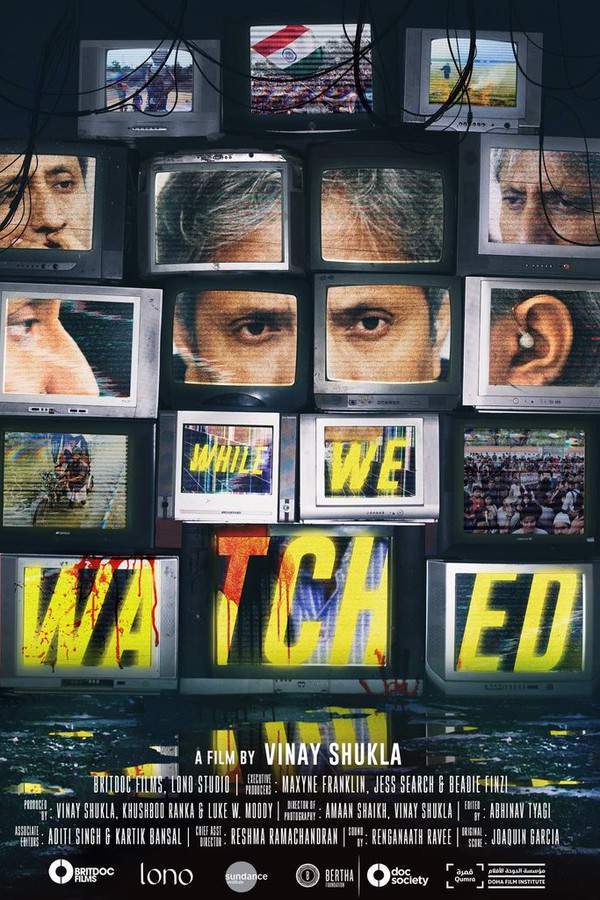
While We Watched (2023) movie poster

Timeline

While We Watched (2023) Timeline Explained – Every Event in Order

Release, runtime and language
2023 · 94 min · English
Echo score 78
Loading streaming availability…
Directed by
Vinay Shukla
Starring
Saurabh Shukla, Deepak Chaubey, Ravish Kumar, Sushil Bahuguna, Sushil Mohapatra, Swarolipi Sengupta

This documentary follows journalist Ravish Kumar as he navigates the challenges of upholding journalistic integrity in a rapidly changing world. The film explores the struggles of fact-based reporting as media landscapes shift and truth becomes increasingly difficult to discern. It offers a revealing look into the pressures faced by journalists and the fragility of honest reporting in a time of global uncertainty.

On this page (5)
  1. 1 Where to watch
  2. 2 Events in order (13)
  3. 3 Timeline questions answered
  4. 4 Movie threads
  5. 5 Every angle
Loading streaming availability…

13 events in order · contains spoilers

While We Watched Timeline: Events in Chronological Order

Every key event of While We Watched (2023) in order, scene by scene, with when and where it takes place. Use it to untangle flashbacks, time jumps and parallel storylines, to refresh your memory before the sequel or to find the exact scene you are thinking of.

  1. A Decade of Media Decline

    The film opens by surveying the transformation of Indian mainstream television news over the previous decade. Concentrated ownership, political bias and post-truth, divisive populist content have reshaped the industry. Many mainstream channels now carry the label 'Godi media', meaning lapdog media, a phrase incidentally coined by Ravish Kumar himself.

    When
    The previous decade
    Where
    India
  2. Ravish Kumar at NDTV

    The documentary profiles Ravish Kumar, senior executive editor at NDTV, both at work in the studio and with his subjects. Kumar stands out as one of the few anchors still committed to factual reporting. Filmmaker Shukla follows his daily routine to explore the broader changes gripping Indian media.

    Where
    NDTV, New Delhi
  3. Holding Power to Account

    Kumar works to stick to factual news, criticizing the Indian government and its ecosystem whenever instances of incompetent governance and majoritarian policies emerge. This editorial stance puts him at odds with the ruling BJP. His brand of reporting stands in sharp contrast to the tone of most mainstream channels.

    Where
    NDTV newsroom
  4. Planning the Day's Coverage

    The film chronicles the discussions between Kumar and the NDTV team as they debate which events they need to cover. These editorial meetings reveal the tension between meaningful journalism and the sensationalism dominating Indian television. Despite mounting pressure, the team carefully selects the stories that matter.

    Where
    NDTV newsroom, New Delhi
  5. Fact-Checking and Witness Interviews

    Before any broadcast, extensive preparatory work takes place, including fact-checking and witness interviews. This meticulous groundwork must be completed before Kumar can go live on the primetime show he anchors. The documentary highlights this labor-intensive process as the backbone of responsible journalism.

    Where
    NDTV offices
  6. Going Live at Primetime

    Kumar anchors his primetime show, delivering coverage grounded in verified facts. The film captures him in the studio as he addresses viewers directly. His measured style stands in deliberate opposition to the shouting matches typical of rival channels.

    When
    Primetime
    Where
    NDTV studio
  7. Godi Media on Rival Channels

    The documentary contrasts Kumar's coverage with that of competing television channels. Their anchors are shown hyperbolically conflating criticism of government policies with treason and going on diatribes against alleged internal and external enemies of India. The comparison underscores how far mainstream news has drifted from factual reporting.

  8. Threats Against the News Team

    The NDTV news team faces growing threats of violence because of their critical coverage. Journalists seen as critics of the BJP are targeted, with even threats of arrest looming over them. The film shows the personal toll that this climate of intimidation takes on the newsroom.

  9. A Financial Squeeze

    Media houses perceived as critics of the ruling BJP are plagued by financial troubles. Raids by tax authorities, dwindling government advertising revenue and banks refusing to provide loans all compound the pressure. These tactics gradually strangle news organizations that refuse to toe the government line.

    Where
    NDTV offices
  10. The Cake Cuttings

    NDTV staff are frequently shown cutting cakes to mark the departure of yet another colleague. Raids, revenue loss, banking troubles and threats of violence and arrest have led many journalists to leave the profession. Director Shukla observed that these 'cake cuttings' convinced him to tell the story, and they became a leitmotif of the documentary.

    Where
    NDTV newsroom
  11. Family Life and Fear

    Kumar is filmed at home interacting with his wife and young daughter. He has to deal with his daughter's fears for his life, a poignant consequence of the threats against him. These intimate scenes reveal the personal cost of his commitment to independent journalism.

    Where
    Kumar's home
  12. Public Appearances

    Kumar appears at public events where he is alternately heckled and lauded by audiences. These gatherings reflect the deeply polarized reception of his journalism in contemporary India. He endures hostility from government supporters while receiving admiration from those who value his work.

  13. Ramon Magsaysay Award

    The documentary ends on a high note with Ravish Kumar winning the Ramon Magsaysay Award in 2019. The prestigious honor recognizes his unwavering commitment to independent journalism. It serves as an uplifting conclusion after chronicling so much adversity endured by him and his team.

    When
    2019

Last updated: October 20, 2026 at 01:18

Was this helpful?

Timeline questions answered

While We Watched Timeline Explained: Your Questions Answered

When does it happen, and why in that order? The questions people ask about the chronology of While We Watched (2023): time jumps, flashbacks, cause and effect between scenes and the correct order of events, each answered with spoilers.

Q1

What does "Godi media" mean in the context of this documentary?

"Godi media" is a Hindi term meaning "lapdog media," used to describe mainstream Indian television news channels that act as sycophants toward the ruling government. The phrase was incidentally coined by Ravish Kumar himself, and While We Watched uses it to label channels that prioritize propaganda over factual reporting while criticizing outlets like NDTV that try to maintain journalistic independence.

  • godi media
  • lapdog media
  • indian media bias
  • ravish kumar
  • ndtv
Q2

How does the Indian government financially pressure outlets critical of the BJP?

The documentary details a coordinated squeeze on critical media houses through multiple channels. Tax authorities conduct raids on news organizations, government advertising revenue is diverted away from them, and banks refuse to provide loans. Together, these tactics gradually strangle outlets that refuse to align with the ruling BJP's narrative, forcing journalists and staff to abandon their posts.

Foreshadowing: Early tax raid scenes foreshadow the broader institutional squeeze documented later in the film.

  • tax raids
  • advertising revenue
  • media pressure
  • bjp
  • financial squeeze
Q3

Why do NDTV staff keep cutting cakes in the documentary?

The repeated cake-cutting ceremonies at NDTV mark the departure of journalists who can no longer withstand the mounting pressures of the job. Tax raids, dwindling government advertising revenue, banking refusals, and threats of violence and arrest have driven many colleagues to leave. Director Vinay Shukla said these moments convinced him the story needed to be told, and they became a recurring leitmotif throughout While We Watched.

Foreshadowing: The first cake-cutting scene quietly foreshadows the systematic attrition of independent journalists that becomes a central theme.

  • ndtv
  • journalists leaving
  • cake cutting
  • media attrition
Q4

What contrast does the film draw between Ravish Kumar's reporting and rival news channels?

While We Watched contrasts Ravish Kumar's measured, fact-based reporting with the hyperbolic coverage on competing channels. While Kumar grounds his primetime show in verified facts and witness interviews, rival anchors are shown conflating criticism of government policy with treason and delivering diatribes against alleged internal and external enemies of India. This juxtaposition highlights how far mainstream Indian television has drifted from responsible journalism.

  • ndtv
  • rival channels
  • indian news
  • primetime
  • propaganda
Q5

What role did concentrated media ownership play in India's news decline?

The documentary opens by tracing how concentrated ownership, political bias, and post-truth populist content reshaped Indian mainstream television over the previous decade. As ownership consolidated and editorial lines aligned with the government, factual reporting became the exception rather than the rule, creating the conditions in which channels earned the "Godi media" label.

  • media ownership
  • indian television
  • post-truth
  • news decline
Q6

What is the significance of Ravish Kumar winning the Ramon Magsaysay Award?

The documentary closes with Ravish Kumar winning the Ramon Magsaysay Award in 2019, often considered Asia's equivalent of the Nobel Prize. The honor recognizes his unwavering commitment to factual, independent journalism despite the personal and institutional threats he has faced. It serves as a bittersweet but hopeful counterweight to the systemic decline While We Watched documents.

  • ramon magsaysay award
  • 2019
  • journalism award
  • asia nobel
Q7

Why did director Vinay Shukla decide to make While We Watched?

Director Vinay Shukla was compelled to make While We Watched after witnessing the repeated departures of journalists from NDTV. The cake-cutting ceremonies marking each colleague's exit convinced him that the story of Indian media's transformation, and the human cost of independent journalism, urgently needed to be documented on film.

  • vinay shukla
  • documentary
  • cake cutting
  • director
Q8

How does Ravish Kumar prepare before going on air with his primetime show?

Before going live on his primetime show, Ravish Kumar and the NDTV team hold editorial meetings to decide which events deserve coverage. Extensive fact-checking and witness interviews follow, ensuring every claim is verified before broadcast. While We Watched presents this meticulous groundwork as the backbone of responsible journalism and a deliberate contrast to the sensationalism dominating rival channels.

  • fact-checking
  • primetime
  • editorial meeting
  • witness interviews
Q9

Why does Ravish Kumar's daughter fear for his life?

Ravish Kumar's young daughter is afraid for her father's safety because of the public threats and hostility he faces as a journalist critical of the BJP. These intimate family moments reveal the personal toll of his commitment to independent reporting, showing that the consequences of fearless journalism extend beyond the newsroom and into his home.

Foreshadowing: Early scenes of Kumar at work in the studio set up the danger that his family confronts in later home scenes.

  • ravish kumar
  • daughter
  • threats
  • family
  • journalism
Q10

Why does Ravish Kumar receive both heckling and praise at public events?

Ravish Kumar receives polarized reactions at public appearances because his journalism directly challenges the ruling BJP's narrative. Government supporters heckle him while audiences who value independent reporting laud his courage. While We Watched uses these scenes to illustrate the deep political divisions in contemporary India and the personal price Kumar pays for his editorial stance.

  • public events
  • heckling
  • polarization
  • indian politics

Movie threads

More Movies Like While We Watched, by Mood & Story

Curated lists built around what makes While We Watched tick: the same mood, the same kind of story or the same emotional payoff. Each list explains why these movies belong together.

Lone truth-tellers against the machine like in While We Watched

Principled individuals who refuse to bend while powerful systems close in around them. Discover movies like While We Watched that follow brave journalists, investigators, and activists standing firm against political and institutional pressure. These stories explore free press, media integrity, personal sacrifice, and the quiet courage required to seek truth when powerful forces want it buried. If you liked While We Watched, you'll find more gripping, principled character portraits here.

  • principled
  • watchful
  • defiant
  • anxious
  • contemplative
  • urgent
  • Tone: dark, bittersweet
  • Pacing: variable, character driven
Why these movies?

The story pattern: Narratives typically begin by establishing the protagonist's commitment to honest work, then introduce escalating threats: lawsuits, raids, social ostracism, threats to family, financial ruin. The arc is rarely about a clean victory; instead it tracks slow attrition, small acts of defiance, and a bittersweet closing beat where personal vindication is offset by the larger institutional decay unfolding around them.

Why they belong together: Grouped by the shared mood of sober urgency and the same character archetype: the weary defender of facts. Tone is dark but not hopeless, pacing varies between personal intimacy and broad contextual analysis, and emotional weight comes from cumulative psychological pressure rather than violence or spectacle.


Watchful documentaries about institutions in decline like in While We Watched

Documentaries that quietly observe how systems, professions, and trust slowly crumble. Explore documentaries like While We Watched that examine the slow erosion of vital institutions. These films observe how media, journalism, and public trust deteriorate under political and economic pressure. If you liked While We Watched's reflective, sobering approach to modern India, you'll find more thoughtful, urgent documentaries here about free press and democratic decay.

  • watchful
  • sobering
  • somber
  • reflective
  • urgent
  • cumulative
  • Tone: dark, sobering
  • Pacing: variable, observational
Why these movies?

The story pattern: These documentaries weave intimate personal moments with broader analysis of ownership structures, propaganda ecosystems, and institutional incentives. The narrative accumulates pressure through observation rather than narration, building toward a closing beat that is hopeful in a small personal way while bleak in its systemic diagnosis of the wider landscape.

Why they belong together: Grouped by documentary craft and mood: a sober, watchful camera; variable rhythms of personal and contextual scenes; heavy emotional weight through psychological rather than physical stakes; and a bittersweet ending that pairs individual recognition with institutional decline. The shared lens is unflinching but never sensational.

Every angle

While We Watched (2023) Explained: Plot, Timeline & Characters

Everything about While We Watched in one place: what happens in the plot summary, the timeline in chronological order, the characters and meaning and a spoiler-free summary. What's After the Movie adds the cast, box office and post-credit scenes.

Coming soon on iOS and Android

The Plot Explained Movie Summary App

Plot summaries, endings explained and timelines on your phone. Catch up on any movie in minutes, save your favorites and never miss a twist again.

Be the first to know when we launch. Your email stays private, always.

Learn more about the app