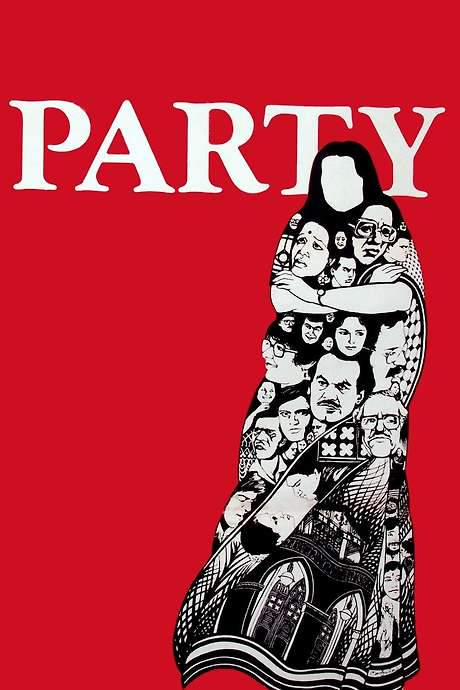
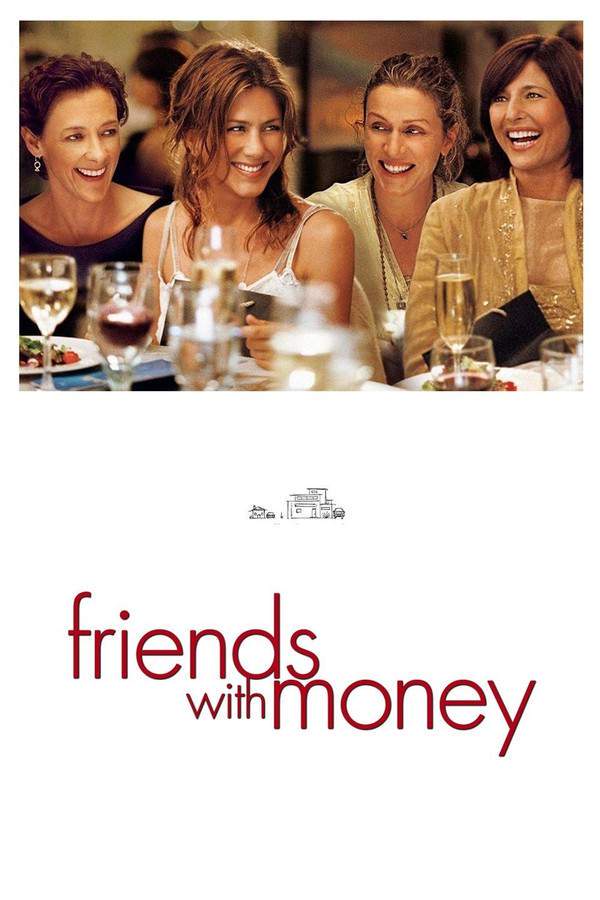
Vincent, a successful real estate agent who is about to become a father, hosts a dinner with his sister Elisabeth and her husband Pierre, together with their long-time friend Claude—a trombonist with Radio France. Vincent’s wife Anna is running late due to a business meeting. As they wait, Vincent plays a prank by suggesting that his unborn son could be named Adolphe, after a French literary hero. This light joke sparks a heated dispute with Pierre about the appropriateness of the name given its clear link to Adolf Hitler, and the tension quickly broadens beyond the dinner table.
Vincent tries to downplay the joke, telling Claude it was only a prank and that Elisabeth is preoccupied with dinner preparations. The quarrel soon reveals a web of long-held resentments among the four friends: Vincent is portrayed as selfish, hypocritical, and vain, masking his faults with a quick, knowing smile when he lies; Pierre is depicted as snobbish, stingy, and condescending; and Claude is teased for his surname and perceived effeminacy. Elisabeth, meanwhile, remains focused on cooking, frustrated that the men keep joking and avoiding the real conversation she wants to have. The mood remains tense until Anna arrives, re-igniting the debate and exposing further fractures.
After the meal, a series of revelations follow. Claude admits to resenting questions about his sexuality and finally confesses that he has been seeing a woman for some time, though he resists giving details. Pierre admits to a childhood act—the killing of a family pet—and reveals that Vincent had accepted the blame at the time. Anna expresses frustration that Vincent hasn’t shown any interest in her professional achievements. When pressed about his mysterious partner, Claude finally discloses that it is Francoise, Vincent and Elisabeth’s mother, shocking everyone. In his anger, Vincent strikes Claude, leaving the room in stunned silence until Elisabeth phones her mother and learns the full truth. Anna confesses that she already knew about the affair, amplifying the shock and heightening the bus of tensions. Elisabeth vocalizes long-held grievances: Vincent was the favored child who was forgiven, Claude’s betrayal cuts deeply, and she accuses Pierre of sacrificing her own academic career to support him while not sharing the burdens of parenthood.
The room falls quiet as Anna and Elisabeth voice their clear disappointment. Anna warns Vincent that his childish, selfish behavior could end their marriage unless he changes, and she decides to accompany Claude to confront Francoise. Elisabeth instructs Pierre to take charge of cleaning up after dinner, putting the kids to bed, and sleeping on the couch for the time being. The two men remain in the living room, where they share a bottle of rosé and exchange a small, uneasy joke to ease the lingering tension.
Four months later, Pierre, Elisabeth, Claude, and Francoise return to visit Vincent and Anna at the hospital. They come to meet the couple’s child, who unexpectedly turns out to be a girl. In a final twist, the baby is named Francoise, sealing the remarkable parallel between past revelations and the present moment.
Overall, the story tracks how a single dinner exposes the fault lines between four close friends and family members, peeling back years of loyalties, secrets, and unspoken disappointments. It moves from sharp humor to intimate confessions, culminating in a dramatic new chapter for the family as they welcome a daughter named Francoise. The film invites viewers to consider themes of truth, forgiveness, responsibility, and the ways in which the past continually shapes the present.