
Welcome Mr. President!
Year: 2013
Runtime: 98 mins
Language: Italian
Director: Riccardo Milani
Giuseppe Garibaldi, known as Peppino, leads a simple life in a small mountain village, enjoying fishing, friendship, and his job at the local library. Despite his optimistic nature, his child questions his ambitions. A political blunder leads to the extraordinary event of Peppino being mistakenly elected President of the Italian Republic. Thrust into a role for which he feels wholly unprepared, his common sense and genuine gestures prove surprisingly effective, despite his struggles with proper etiquette. The strict and dedicated Deputy Secretary General of the Presidency, Janis Clementi, attempts to maintain order amidst his unpredictable actions.
Warning: spoilers below!
Haven’t seen Welcome Mr. President! yet? This summary contains major spoilers. Bookmark the page, watch the movie, and come back for the full breakdown. If you're ready, scroll on and relive the story!
Timeline & Setting – Welcome Mr. President! (2013)
Explore the full timeline and setting of Welcome Mr. President! (2013). Follow every major event in chronological order and see how the environment shapes the story, characters, and dramatic tension.
Last updated: March 05, 2026 at 18:12
Main Characters – Welcome Mr. President! (2013)
Meet the key characters of Welcome Mr. President! (2013), with detailed profiles, motivations, and roles in the plot. Understand their emotional journeys and what they reveal about the film’s deeper themes.
Last updated: March 05, 2026 at 18:12
Major Themes – Welcome Mr. President! (2013)
Explore the central themes of Welcome Mr. President! (2013), from psychological, social, and emotional dimensions to philosophical messages. Understand what the film is really saying beneath the surface.
Last updated: March 05, 2026 at 18:12
Welcome Mr. President! (2013) Character & Theme Questions Answered – Info FAQ
Browse frequently asked questions about Welcome Mr. President! (2013) focused on characters, relationships, themes, symbols, setting, and story context. This movie info FAQ gives spoiler-aware explanations for character arcs, world details, and thematic interpretation so readers can better understand what the film is really about.
Where is the movie set?
The film takes place primarily in a small mountain town in Piedmont, where protagonist Peppino works at a local library and lives a quiet life. The political events unfold in Rome, the capital where presidential duties are carried out. A surprising twist brings the Vatican into the narrative, adding a symbolic dimension to the story.
What time period does the film portray?
The story is set in the 19th century, a period of Italian nation-building and political upheaval. This historical context is essential because it references the real Giuseppe Garibaldi, the famous Italian general and nationalist who unified Italy. The era provides the backdrop for the film's satire of democratic processes and party machinations.
What is the Elections theme about in the film?
The film satirizes how party leaders, unable to agree on a candidate, cast a protest vote for a historical figure, Giuseppe Garibaldi, only to accidentally elect an ordinary librarian with the same name. This critiques the fragility of electoral systems and how charisma and populism can override political calculation, even temporarily.
How does the film satirize Italian politics?
The narrative uses humor and irony to turn parliamentary proceedings into a stage for ridicule. It contrasts the idealism of a beloved commoner with the cynicism of seasoned politicians, blurring the line between theater and reality when power hinges on public perception.
Who is Peppino Garibaldi in the film?
Peppino is a humble librarian from a Piedmont town who is mistakenly elected President of the Italian Republic. Despite being wholly unprepared for the role, he brings common sense and genuine gestures to the presidency. He champions education and culture, earning public support through sincerity, and uses his platform to expose corruption.
What is Janis Clementi's role in the story?
Janis Clementi serves as the Deputy Secretary General of the Presidency. She is strict, dedicated, and attempts to maintain order amidst Peppino's unpredictable actions. She embodies the bureaucratic establishment trying to control the chaotic situation created by the accidental president.
What is the Vatican's role in the film?
The Vatican enters the narrative when the same historical name, Giuseppe Garibaldi, becomes leverage by fate. The plot takes a surreal turn when the Vatican also makes a fateful, symbolic misstep by electing Giuseppe Garibaldi as Pope. This elevates the story to a symbolic stage beyond the town and adds another layer to the film's exploration of mistaken identity and power.
Why is the name Giuseppe Garibaldi significant?
Giuseppe Garibaldi was a famous Italian general and nationalist who played a major role in the unification of Italy. The film exploits this historical resonance, the political leaders think they are voting for a historical figure, but instead elect an ordinary man named Peppino Garibaldi, creating both satire and symbolic weight.
What does the film say about ordinary people in politics?
The film champions the idea that common sense and genuine connection with people can be more effective than political experience. Peppino's simple yet effective approach to complex problems contrasts with the maneuvering of seasoned politicians, suggesting that authenticity can triumph over bureaucracy, though the tone remains whimsical rather than didactic.
Who is the Handsome Politician in the film?
The Handsome Politician, played by Cesare Bocci, is a charming and calculating figure from the political establishment who relies on image and persuasion. He represents the old guard and drives the maneuvering to impeach or sideline Peppino, highlighting the gap between appearance and policy in political life.

Explore Movie Threads
Discover curated groups of movies connected by mood, themes, and story style. Browse collections built around emotion, atmosphere, and narrative focus to easily find films that match what you feel like watching right now.
Movies about accidental leaders like Welcome Mr. President!
Ordinary people thrust into extraordinary positions of power.If you enjoyed the charming chaos of an ordinary librarian becoming president in Welcome Mr. President!, you'll love these films. Discover more comedies and satires where unlikely heroes are thrust into power, bringing their unique perspective to high-stakes situations.
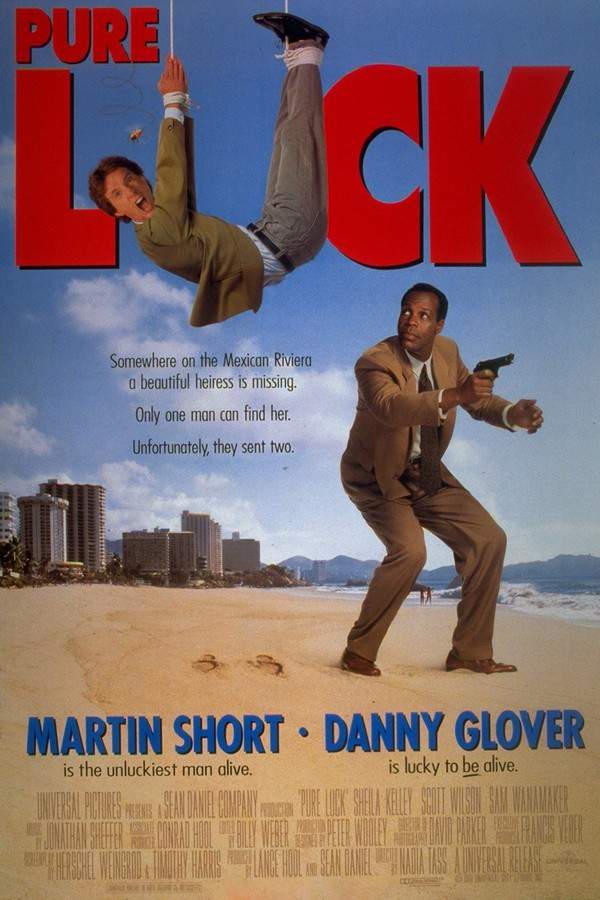
Pure Luck
1991
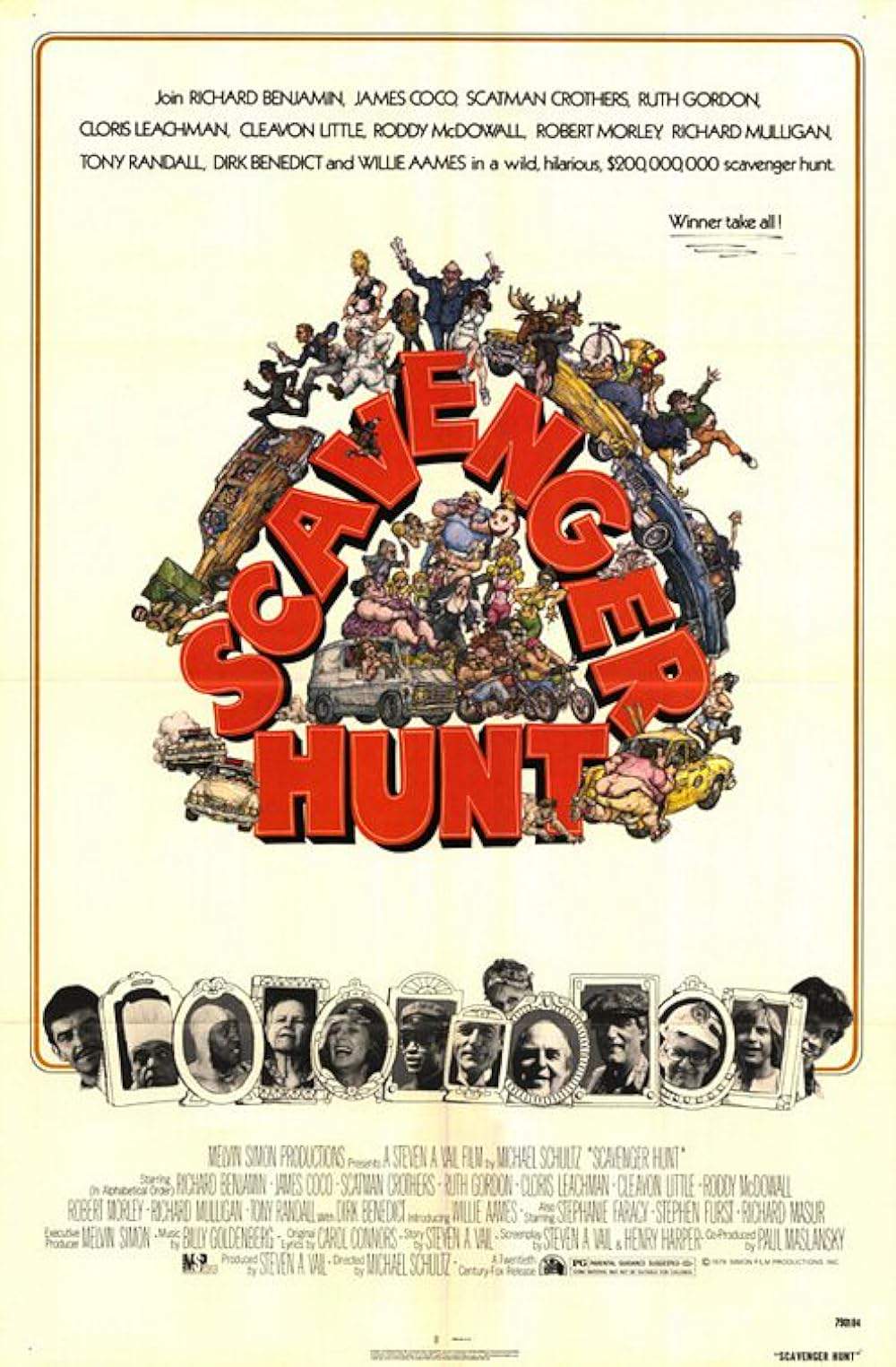
Scavenger Hunt
1979
Welcome Mr. President!
2013

Presidential Reunion
2010

A Fish Out of Water
2017

Getting Lucky
1989

The Restaurant
1966

Phony Express
1943

Incorrigible Liar
1973
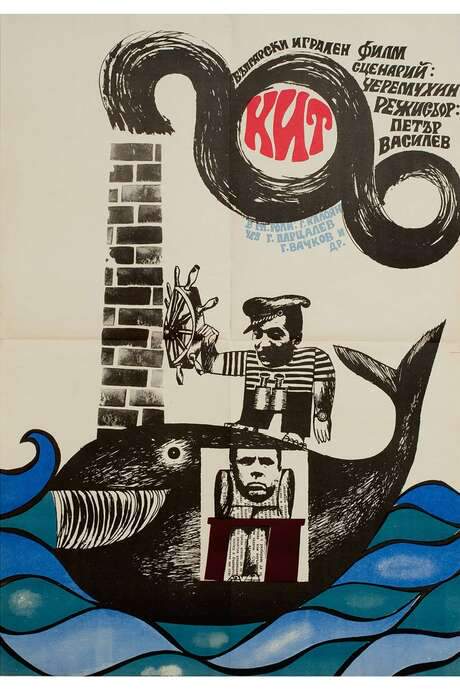
Whale
1970

Where’s That Fire
1939

Her Highness and the Bellboy
1945

The Lucky Corner
1936
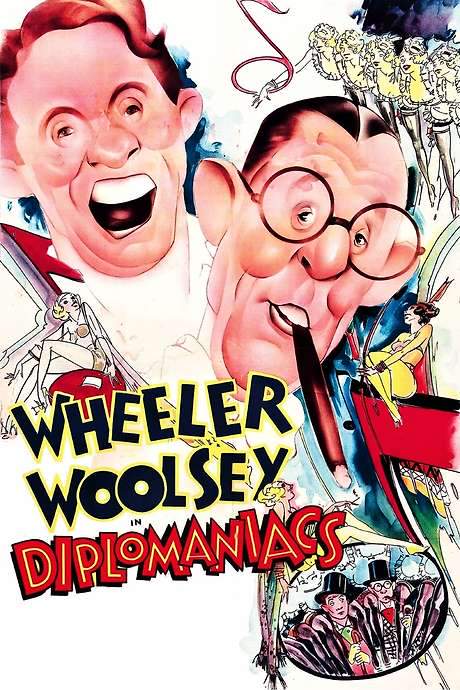
Diplomaniacs
1933

The Sin of Harold Diddlebock
1947
Narrative Summary
The narrative follows a 'fish out of water' arc, beginning with a humble protagonist living a simple life. A sudden, often absurd, twist of fate catapults them into a position of leadership for which they are completely unprepared. The central conflict arises from their struggle to apply their innate decency and logic to a world of rigid rules and cynical players, ultimately proving that authenticity can be a surprising strength.
Why These Movies?
These films are grouped together because they share a core premise of inverted expectations. They blend comedy with a touch of social commentary, maintaining a lighthearted and optimistic tone even as the protagonist navigates serious institutions. The focus is on character-driven humor and the uplifting idea that anyone can make a difference.
Whimsical satirical comedies similar to Welcome Mr. President!
Charming comedies that gently poke fun at serious institutions.Fans of the lighthearted and quirky satire in Welcome Mr. President! will find more to love here. Explore movies that blend clever social commentary with a feel-good vibe, where humor is used to highlight the triumph of common sense and decency over rigid systems.
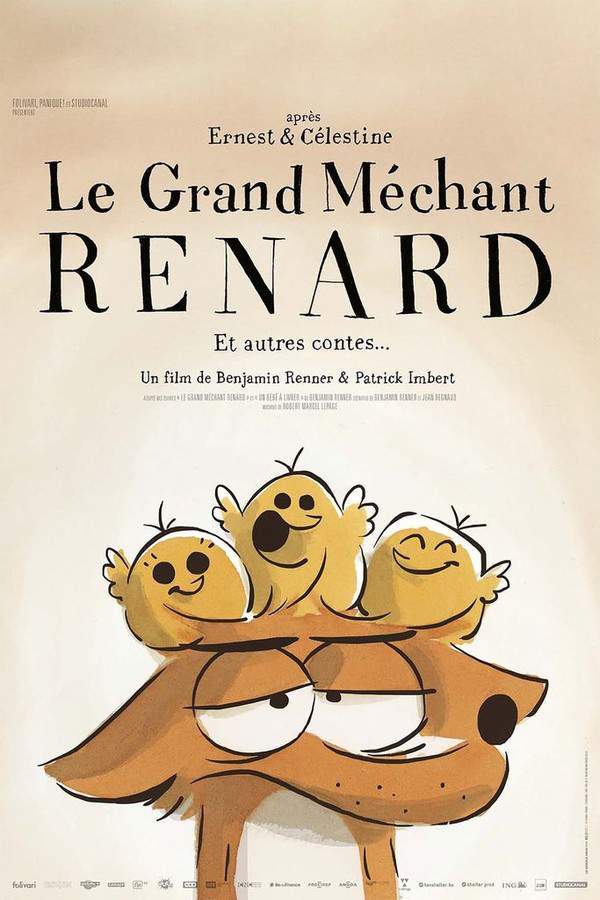
The Big Bad Fox & Other Tales
2018
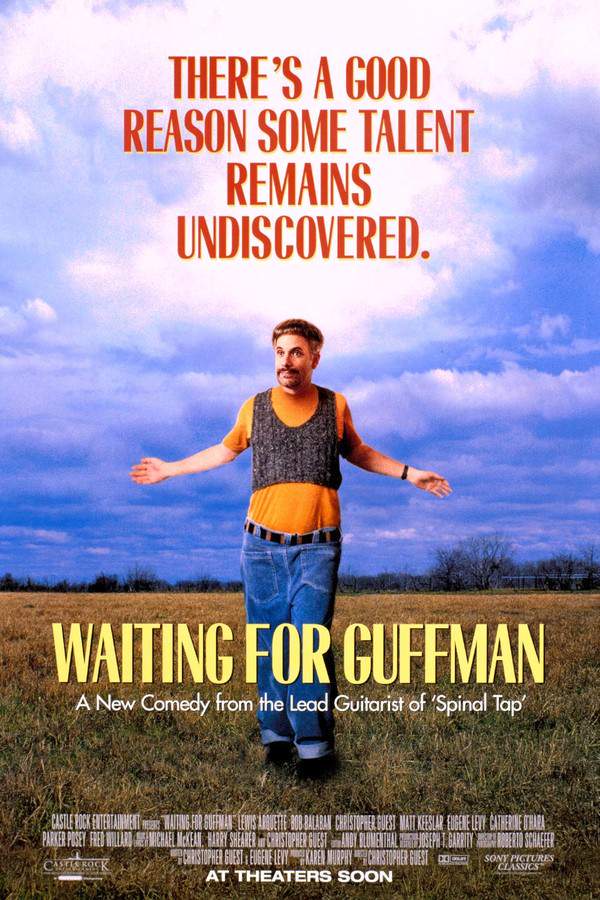
Waiting for Guffman
1997

Bewitched
2005
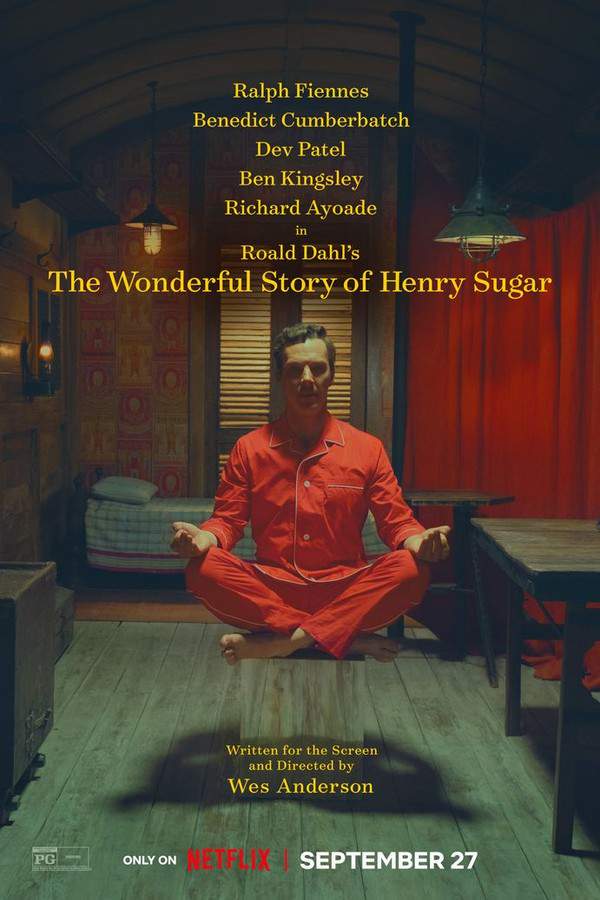
The Wonderful Story of Henry Sugar
2023
Welcome Mr. President!
2013

Fun Is Beautiful
1980

Harvey
1950

Sympathy Seeker
1997
Whale
1970

The Good Fairy
1935

Laughter in Paradise
1951
Her Highness and the Bellboy
1945

Blithe Spirit
1945

Capricious Summer
1968
Hiling
1998
Narrative Summary
Stories in this thread are built around a central, slightly surreal premise that allows for commentary on real-world issues. The plot unfolds steadily, focusing on character interactions and the humorous contrast between naive idealism and jaded cynicism. The resolution is typically uplifting, affirming the value of authenticity and human connection without becoming overly sentimental.
Why These Movies?
These movies share a specific tonal blend: the cleverness of satire mixed with the warmth of a feel-good story. The pacing is consistent and engaging, the emotional weight is deliberately light, and the overall experience is designed to be intellectually amusing and emotionally uplifting simultaneously.
Unlock the Full Story of Welcome Mr. President!
Don't stop at just watching - explore Welcome Mr. President! in full detail. From the complete plot summary and scene-by-scene timeline to character breakdowns, thematic analysis, and a deep dive into the ending - every page helps you truly understand what Welcome Mr. President! is all about. Plus, discover what's next after the movie.
Welcome Mr. President! Summary
Read a complete plot summary of Welcome Mr. President!, including all key story points, character arcs, and turning points. This in-depth recap is ideal for understanding the narrative structure or reviewing what happened in the movie.

Welcome Mr. President! Timeline
Track the full timeline of Welcome Mr. President! with every major event arranged chronologically. Perfect for decoding non-linear storytelling, flashbacks, or parallel narratives with a clear scene-by-scene breakdown.


